How Long Do You Have to Treat Betta Fish Water
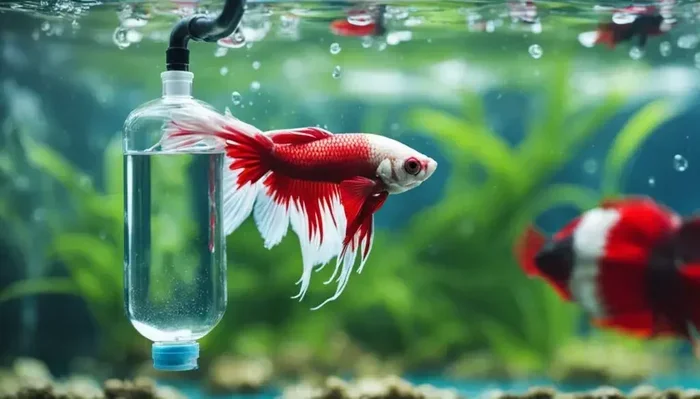
You typically need to treat betta fish water for 24 to 48 hours before adding your fish to the tank. This waiting period allows water conditioner to neutralize harmful chemicals like chlorine and chloramine. Proper betta fish water treatment also helps establish beneficial bacteria that keep your fish healthy and safe.
Keeping a betta fish healthy starts with one simple thing: clean water. But here is the question many new fish owners ask. How long do you have to treat betta fish water before it is ready? The answer might surprise you. It is not just about adding conditioner and pouring the water in. There is a process, and getting it right makes all the difference.
Betta fish water treatment is more than a single step. It involves removing harmful chemicals, matching temperatures, and sometimes even waiting for beneficial bacteria to grow. Whether you are setting up a new tank or doing a routine water change, the timing matters. In this guide, we walk you through everything you need to know. You will learn exactly how long to wait, what products to use, and how to avoid common mistakes.
By the end of this article, you will feel confident about your water treatment routine. Your betta fish will thank you with bright colors and active behavior. Let us get started.
Key Takeaways
- Treatment Time: Most treated water needs 24 to 48 hours to be safe for betta fish.
- Water Conditioner Matters: A good dechlorinator removes chlorine, chloramine, and heavy metals quickly.
- Temperature Matching: Always match the treated water temperature to your tank before adding it.
- Tank Cycling Is Key: A fully cycled tank takes 4 to 6 weeks but is essential for long-term betta fish health.
- Testing Water Parameters: Regular testing ensures ammonia, nitrite, and nitrate levels stay safe.
- Consistency Wins: Stick to a routine for the best results and a happy, healthy betta.
📑 Table of Contents
- What Does It Mean to Treat Betta Fish Water?
- How Long Does It Take to Treat Betta Fish Water?
- Step-by-Step: Treating Water for Your Betta Fish
- Common Mistakes When Treating Betta Fish Water
- How Often Should You Treat Betta Fish Water?
- Expert Tips for Maintaining Clean Betta Fish Water
- Quick Tips for Treating Betta Fish Water
- Conclusion
What Does It Mean to Treat Betta Fish Water?
Treating betta fish water means making tap water safe for your fish. Tap water contains chemicals that can harm or even kill betta fish. The main culprits are chlorine and chloramine. These are added to municipal water supplies to kill bacteria in the water for humans. But they are just as harmful to fish.
When you treat water, you use a water conditioner or dechlorinator to neutralize these dangerous chemicals. Some conditioners also remove heavy metals and add protective slime coats to your fish. This step is essential every single time you add new water to the tank.
Why Water Treatment Matters for Betta Fish
Betta fish are sensitive creatures. They thrive in clean, stable environments. Even small amounts of chlorine can damage their gills and stress their immune system. Stressed fish get sick more easily. They may develop fin rot, ich, or other common diseases.
Proper water quality also supports the beneficial bacteria in your tank. These tiny organisms break down toxic waste like ammonia and nitrite. Without them, your tank becomes a dangerous place for your betta. Treating your water helps protect both your fish and this invisible ecosystem.
How Long Does It Take to Treat Betta Fish Water?
The short answer is 24 to 48 hours for most situations. But the full picture is a bit more detailed. The treatment time depends on what you are trying to accomplish.
Immediate Treatment with Water Conditioner
When you use a liquid water conditioner, the dechlorination process happens almost instantly. The conditioner binds to chlorine and chloramine as soon as you add it to the water. Within seconds, the water is safe from these chemicals.
However, you should still let the treated water sit for a while. Why? Because the water temperature needs to adjust. Cold water added to a warm tank can shock your betta fish. Letting the water sit helps it reach the right temperature naturally.
The Waiting Period for New Tank Water
If you are setting up a brand-new tank, the timeline is longer. You need to wait for the tank to cycle. This process takes about 4 to 6 weeks. During this time, beneficial bacteria colonize your filter and substrate. These bacteria convert toxic ammonia into less harmful nitrite, and then into nitrate.
Adding a betta fish to an uncycled tank is risky. Ammonia spikes can happen quickly and silently. Many experienced fish keepers recommend waiting the full cycling period before introducing any fish. Use a liquid test kit to confirm your water parameters are stable first.
Step-by-Step: Treating Water for Your Betta Fish
Now that you understand the timeline, let us walk through the actual process. Following these steps ensures your water is safe and comfortable for your betta.
Step 1: Gather Your Supplies
Before you start, make sure you have everything ready. You will need:
- A clean bucket dedicated to fish use only
- A liquid water conditioner or dechlorinator
- A thermometer to check water temperature
- A source of clean tap water or pre-filtered water
Step 2: Add Water Conditioner
Fill your bucket with the amount of water you need. Add the conditioner according to the product instructions. Most conditioners work instantly, but read the label to be sure. Some products recommend shaking the bottle well before use for best results.
Step 3: Let the Water Sit
This is the step where timing matters. Let the treated water sit for at least 24 hours. This allows the water to reach room temperature or tank temperature. It also gives any dissolved gases a chance to dissipate. If you are in a rush, you can use a heater to speed up the temperature matching process.
For more detailed guidance on this process, check out our article on how to do a water change for betta fish. It covers the full routine step by step.
Step 4: Test the Water
Before adding the treated water to your tank, test it. Check the temperature first. It should match your tank water within 1 to 2 degrees Fahrenheit. Then use a test strip or liquid test kit to check pH, ammonia, nitrite, and nitrate levels. All parameters should be within safe ranges for betta fish.
Step 5: Add the Water to the Tank
Slowly pour the treated water into the tank. Avoid pouring directly on your betta or disturbing the substrate too much. If you are doing a water change, remove the old water first using a siphon. Then add the new treated water gently.
For tips on preparing water properly, read our guide on how to prepare water for a betta fish. It offers extra insights for beginners.
Common Mistakes When Treating Betta Fish Water
Even experienced fish keepers make mistakes sometimes. Here are the most common errors and how to avoid them.
Skipping the Waiting Period
Some owners add conditioner and immediately dump the water into the tank. While the chemicals may be neutralized, the temperature mismatch can still stress your fish. Always give the water time to adjust. A few extra hours can prevent a lot of problems.
Using Too Much Conditioner
More is not always better. Overdosing conditioner can actually harm your betta fish. Some conditioners contain surfactants that create too much foam at high doses. Follow the dosing instructions on the bottle carefully. If you are unsure, start with the minimum recommended amount.
Ignoring Water Parameters
Treating water for chlorine is only part of the job. You also need to monitor ammonia, nitrite, and nitrate levels. High ammonia is especially dangerous and can kill fish within hours. Test your water regularly and take action if anything looks off.
Using Soap or Cleaning Products Near the Tank
This one is obvious but often overlooked. Never use soap, detergent, or any household cleaner near your betta tank. Even tiny residues can be lethal. Always rinse your hands and use only fish-safe equipment.
How Often Should You Treat Betta Fish Water?
The frequency of water treatment depends on your tank setup and maintenance routine. For most betta fish tanks, a partial water change every 1 to 2 weeks is ideal. Each time you do a water change, you need to treat the new water before adding it.
Smaller tanks need more frequent changes because toxins build up faster. A 5-gallon tank, for example, benefits from a 25 to 30 percent water change weekly. Larger tanks are more stable and may only need changes every two weeks.
If your betta fish shows signs of stress after a water change, you may need to adjust your routine. How to save dying betta fish after water change is a topic we cover in detail elsewhere. Quick action can make all the difference in an emergency.
Consistency is the key to success. Set a schedule and stick to it. Your betta fish will thrive in a stable environment with regularly treated water.
Expert Tips for Maintaining Clean Betta Fish Water
Beyond regular water changes, there are several habits that keep your betta fish water clean and healthy. These tips come from experienced aquarists who have spent years perfecting their routines.
Invest in a Good Water Test Kit
A quality test kit is your best friend. Test strips give you quick readings, but liquid test kits are more accurate. Test for ammonia, nitrite, nitrate, and pH at minimum. Keeping track of your numbers helps you catch problems early.
Use a Water Conditioner with Extra Benefits
Not all conditioners are created equal. Look for products that remove chlorine, chloramine, and heavy metals. Some also add aloe vera or other ingredients that protect your fish’s slime coat. A good conditioner does more than just dechlorinate.
Keep Your Filter Running
Your filter is the heart of your tank’s biological system. It houses the beneficial bacteria that process waste. Clean your filter media in old tank water, never tap water. Tap water kills the beneficial bacteria you need. For more on filtration, see our guide on do betta fish have to be in a filtered tank.
Monitor Water Temperature Closely
Betta fish prefer water temperatures between 78 and 80 degrees Fahrenheit. Use a reliable heater and thermometer to maintain this range. Sudden temperature drops can weaken your fish’s immune system. If you need to add warm water, make sure it is treated first.
Acclimate New Fish Properly
When you bring a new betta fish home, do not just dump it into the tank. The acclimation process takes time and patience. Float the bag in the tank for 15 to 30 minutes. Then gradually add small amounts of tank water to the bag over 20 to 30 minutes. This helps your fish adjust to the new water parameters slowly and safely.
Quick Tips for Treating Betta Fish Water
- Always use a water conditioner before adding new water to the tank.
- Let treated water sit for at least 24 hours to match temperatures.
- Test water parameters regularly with a reliable test kit.
- Never use soap or household cleaners near your fish tank.
- Perform partial water changes every 1 to 2 weeks.
- Keep a separate bucket and siphon for fish tank use only.
- Match the pH of new water to your existing tank water when possible.
Conclusion
Treating betta fish water is one of the most important parts of fish keeping. The general rule is to treat water and let it sit for 24 to 48 hours before adding it to your tank. This waiting period ensures chlorine is neutralized, temperatures are matched, and dissolved gases are released. But treatment is not a one-time event. It is an ongoing part of your betta fish care routine.
By following the steps in this guide, you give your betta fish the best possible environment. Clean, safe water leads to a healthy, happy fish with vibrant colors and active behavior. Do not skip the waiting period or rush the process. Your patience pays off in the long run.
Remember, every water change is a chance to improve your tank conditions. Stay consistent, test your water regularly, and always treat new water before adding it. Your betta fish will live a longer, healthier life because of the care you put into this simple but essential routine.
Frequently Asked Questions
How long should I let water sit after adding conditioner before adding my betta fish?
You should let the water sit for at least 24 hours after adding conditioner. This gives the water time to reach the right temperature and allows any dissolved gases to escape. While the conditioner neutralizes chlorine instantly, the temperature matching and gas dissipation take time. A full 24 to 48 hours is the safest approach for your betta fish.
Can I add betta fish to water that has been treated for only a few hours?
It is not recommended. Even though the conditioner works quickly, the water temperature likely does not match the tank yet. A sudden temperature change can stress your betta fish and weaken its immune system. Waiting at least 24 hours ensures the water is both chemically safe and temperature-matched.
What happens if I add untreated tap water to my betta fish tank?
Untreated tap water contains chlorine and chloramine that can burn your betta fish’s gills and skin. Even small amounts cause stress, breathing difficulty, and increased susceptibility to disease. In severe cases, untreated water can kill your fish within hours. Always use a water conditioner before adding any tap water to your tank.
Do I need to treat water every time I do a water change?
Yes, absolutely. Every time you add new water to the tank, you need to treat it with a water conditioner. Tap water always contains chlorine or chloramine regardless of how many times you use it. Consistent treatment is one of the simplest ways to keep your betta fish healthy and safe.
How can I speed up the water treatment process for my betta fish?
You can use a heater to match the water temperature faster, which reduces the waiting time. Some aquarists also pre-mix treated water in a separate container with a small air pump to help gases dissipate more quickly. However, do not skip the waiting period entirely. Rushing the process can put your fish at risk.
Is bottled spring water a good alternative to treated tap water for betta fish?
Spring water can work, but it often lacks the minerals and buffering capacity that betta fish need. It also varies in pH and hardness depending on the source. Treated tap water is generally the most reliable and cost-effective option. If you use spring water, test its parameters first to make sure it is safe for your betta.