How Long Do Betta Fish Need to Sleep

Betta fish typically need 12 to 14 hours of sleep per day, and they require a dark, quiet environment to rest properly. Understanding your betta’s sleep patterns helps you create a healthier tank setup and spot early signs of stress or illness. This guide covers everything from nighttime sleep habits to common mistakes that disrupt betta rest.
Betta fish are fascinating creatures. They flash vibrant colors, float lazily, and sometimes even build bubble nests. But one thing many new owners overlook is sleep. Just like us, bettas need proper rest to thrive. If you have ever wondered how long do betta fish need to sleep, you are in the right place. Let us dive deep into everything about betta fish sleep habits and what you can do to help your finned friend get the rest it deserves.
Sleep is not just downtime for betta fish. It plays a critical role in their overall health. During sleep, bettas repair cells, process information, and recharge their energy. Without enough rest, your betta may become sluggish, lose color, or even fall ill. Understanding how long do betta fish need to sleep is one of the simplest yet most impactful things you can do as a betta owner.
So what does a typical sleep schedule look like for a betta fish? Most bettas follow a pattern similar to humans. They stay active during daylight hours and rest when it gets dark. In the wild, bettas sleep for about 12 to 14 hours each day. In a home aquarium, the amount of sleep they get depends heavily on the lighting setup and the environment around the tank.
## How Long Do Betta Fish Need to Sleep Each Day
The short answer is that betta fish need between 12 and 14 hours of sleep per day. But the full picture is a bit more nuanced. Not all of that sleep happens at once. Bettas take several short naps throughout the day and night. These micro-naps can last anywhere from a few minutes to over an hour.
How long do betta fish need to sleep depends on several factors. Age is a big one. Younger bettas tend to be more active and sleep slightly less. Older bettas may sleep more and appear less energetic. Tank temperature also matters. Warmer water keeps bettas more active, which can reduce total sleep time. Cooler water may make them drowsy and encourage longer rest periods.
Another factor is the tank environment. A betta in a peaceful, well-maintained tank with a consistent light schedule will sleep more soundly than one in a noisy, brightly lit tank. Stress from loud noises, constant movement near the tank, or harsh lighting can cut sleep short and lead to health problems over time.
### Signs Your Betta Is Getting Enough Sleep
A well-rested betta fish shows specific signs of good health. Look for these indicators:
- Bright, vivid colors during active hours
- Regular eating habits and interest in food
- Responsive behavior when you approach the tank
- Smooth, steady fin movements while swimming
- Consistent sleep patterns at night
If your betta displays these behaviors, chances are its sleep schedule is on track. But if you notice changes, it may be time to adjust the tank setup.
## Where and How Do Betta Fish Sleep
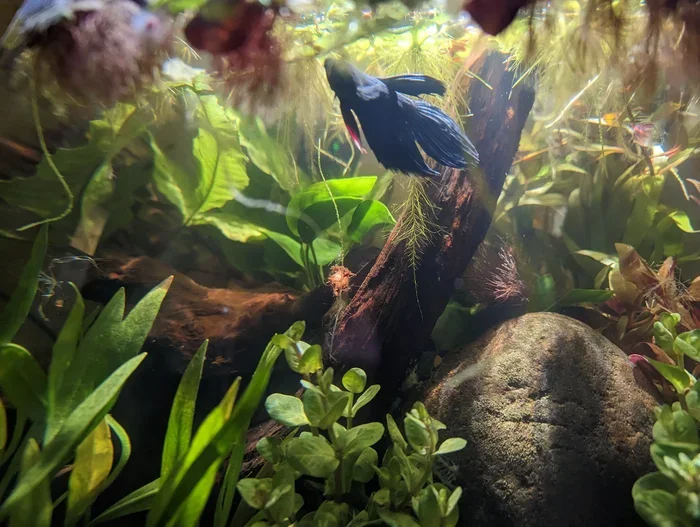
Betta fish sleep in some truly interesting positions. You might find your betta floating vertically near the surface, lying on the gravel, or even resting inside a plant. Some bettas tuck themselves under leaves or hide in decorations while sleeping. None of these positions are cause for alarm.
Where do betta fish like to sleep often surprises new owners. Bettas prefer spots with minimal water flow. They like areas that feel safe and sheltered. Floating plants, caves, and smooth rocks all make excellent sleeping spots. If your betta frequently rests in one particular area, that is likely its favorite sleep location.
One thing to keep in mind is that betta fish do not close their eyes when they sleep. They have no eyelids. So even when your betta appears to be resting with its eyes open, it is likely fast asleep. This is completely normal and nothing to worry about.
### Betta Fish Sleep at Night Versus Napping During the Day
Betta fish sleep patterns differ between nighttime sleep and daytime napping. At night, bettas enter a deeper state of rest. Their breathing slows down, and they become nearly motionless. Daytime naps are lighter and shorter. Your betta may hover in one spot, rest on a leaf, or float near the surface for a few minutes before becoming active again.
Both types of sleep are important. Nighttime sleep provides deep rest, while daytime naps help bettas recharge between periods of activity. If your betta skips nighttime sleep or refuses to nap during the day, something in the environment may be off.
## The Role of Lighting in Betta Fish Sleep
Lighting has a massive impact on how long do betta fish need to sleep. In nature, bettas follow the sun. They wake with daylight and rest when darkness falls. In an aquarium, you control the light cycle. This gives you the power to support healthy sleep patterns or accidentally disrupt them.
Most experts recommend a consistent light schedule of 8 to 10 hours of light per day. This leaves 14 to 16 hours of darkness, which gives your betta plenty of time to sleep. Using a timer for your tank lights is one of the easiest and most effective steps you can take. It removes guesswork and keeps the schedule reliable.
### Common Lighting Mistakes That Harm Betta Sleep
Many betta owners make lighting mistakes without realizing it. Here are some common ones to avoid:
- Leaving tank lights on 24/7 — this prevents your betta from entering deep rest
- Placing the tank near a window — natural light changes confuse the sleep cycle
- Using bright LED lights at night — even small lights can disrupt nighttime sleep
- Inconsistent light schedules — changing the timing confuses your betta’s internal clock
A simple rule of thumb is to mimic natural day and night cycles. Your betta will thank you for it. If you are unsure about your current setup, consider how long do betta fish sleep in a well-regulated tank versus one with erratic lighting. The difference is significant.
## How Sleep Affects Betta Fish Health
Sleep directly affects betta fish health in multiple ways. During rest, the body focuses on healing and recovery. The immune system strengthens, muscles repair, and the mind processes the day’s experiences. Skipping sleep or getting poor-quality rest can lead to a cascade of health issues.
### Sleep Deprivation in Betta Fish
Just like humans, betta fish suffer from sleep deprivation when they do not get enough rest. Signs of sleep deprivation include:
- Lethargy and reduced activity during the day
- Faded or dull coloration
- Loss of appetite or refusal to eat
- Increased stress responses like rapid gill movement
- Weakened immune system leading to diseases like fin rot or ich
Sleep deprivation shortens the lifespan of betta fish. On average, a healthy betta lives 3 to 5 years. But a betta that consistently lacks quality sleep may live significantly less. Studies on betta fish and rest show that environmental factors like lighting, noise, and tank mates all play a role in sleep quality.
### How Sleep Supports Betta Fish Lifespan
Want your betta to live a long, happy life? Prioritize its sleep. A well-rested betta maintains better color, stronger immunity, and more energy for swimming and exploring. Quality rest supports the same biological processes that contribute to a longer lifespan in betta fish.
If you are also curious about how long do betta fish live overall, sleep is one of the key factors that influences the answer. Combine good sleep habits with proper nutrition, clean water, and a stress-free environment, and your betta has the best chance of thriving for years.
## How to Create the Perfect Sleep Environment for Your Betta
Creating the ideal sleep environment for your betta does not require expensive equipment. A few thoughtful adjustments can make a world of difference. Here is how to set up your tank for optimal rest.
First, use a timer. Set your tank lights to turn on and off at the same time every day. This consistency helps your betta establish a reliable sleep-wake cycle.
Second, reduce ambient light at night. Move the tank away from windows or cover it with a dark cloth if streetlights shine through. Even small amounts of light at night can keep your betta alert and restless.
Third, provide hiding spots. Live plants, caves, and smooth decorations give your betta safe places to rest. Live plants also help absorb excess light and create a more natural atmosphere.
Fourth, keep the water temperature stable. Bettas prefer temperatures between 76 and 82 degrees Fahrenheit. Fluctuations can cause stress and disrupt sleep. A reliable heater goes a long way in maintaining consistent conditions.
Fifth, minimize noise and vibrations. Place the tank in a quiet area of your home. Avoid setting it near speakers, appliances, or high-traffic areas where sudden noises can startle your betta awake.
### Quick Tips for Better Betta Sleep
Here are some quick wins you can implement today:
- Use a light timer to automate your day-night cycle
- Dim room lights an hour before the tank lights go off
- Add floating plants to create shaded resting areas
- Avoid tapping on the tank or making sudden movements near it at night
- Check water quality regularly — poor water conditions increase stress and reduce sleep quality
If you want to go the extra mile, consider how long do betta fish acclimate in a new tank before settling into a regular sleep pattern. Newly introduced bettas may take a few days to adjust their sleep schedule to a new environment. Patience and consistency are key during the adjustment period.
## Common Mistakes That Disrupt Betta Fish Sleep
Even experienced betta owners sometimes make mistakes that harm their fish’s sleep. Being aware of these pitfalls helps you avoid them.
### Mistake 1: Overlooking Tank Mates
Some tank mates are active at night. If you keep your betta with nocturnal fish, your betta may be constantly disturbed while trying to rest. Bettas are peaceful fish and do best when they can sleep undisturbed. If you notice your betta never fully rests, consider whether the tank mates might be the cause.
### Mistake 2: Ignoring Water Quality
Dirty water stresses betta fish. Elevated ammonia or nitrite levels make it difficult for bettas to relax and enter deep sleep. Regular water changes and proper filtration keep the tank clean and the environment calm.
### Mistake 3: Too Much Stimulation at Night
Watching TV, playing music, or frequently walking past the tank at night all contribute to light and noise pollution. Your betta needs a quiet, dark space to sleep deeply. Treat the nighttime hours as a period of calm for your entire setup.
### Mistake 4: Skipping the Dark Period
Some owners leave a small aquarium light on for aesthetic reasons at night. While it looks nice, it prevents your betta from getting the darkness it needs. Remove all light sources during the dark period to support healthy sleep.
## Expert Insights on Betta Fish Sleep
Veterinarians and experienced betta breeders agree on a few key points about betta sleep. First, bettas are crepuscular, meaning they are most active during dawn and dusk. They rest during the darkest hours and the brightest midday sun. Second, each betta has its own personality, and sleep patterns can vary slightly from fish to fish. Third, changes in sleep behavior are often the first sign of illness or stress. If your normally active betta suddenly sleeps all the time or refuses to rest, it is worth investigating the cause.
When considering how long do betta fish need to sleep, remember that quality matters just as much as quantity. A betta that sleeps 14 hours in a stressful environment may still suffer from poor rest. Focus on creating a calm, consistent, and comfortable tank setup.
## Conclusion
Understanding how long do betta fish need to sleep is one of the most important parts of responsible betta care. Your betta needs 12 to 14 hours of rest each day, split between nighttime sleep and daytime naps. A dark, quiet, and consistent environment supports deep, restorative rest that keeps your betta healthy, colorful, and active.
By following the tips in this guide, you can transform your betta’s sleep quality and overall well-being. Pay attention to lighting, tank setup, water quality, and tank mates. Small changes add up to big results. Your betta fish will reward you with vibrant colors, playful behavior, and a longer, happier life.
Start tonight. Adjust the tank lights, create a peaceful environment, and watch your betta settle into a healthy sleep routine. You will notice the difference within days.
Key Takeaways
- Betta fish need 12 to 14 hours of sleep daily to stay healthy and active.
- A dark, calm environment is essential for quality betta fish rest.
- Lack of sleep can cause stress, weaken the immune system, and shorten lifespan.
- Common mistakes like bright tank lights at night disrupt natural sleep cycles.
- Betta fish sleep in strange positions, which is completely normal behavior.
- Setting a consistent light schedule helps regulate your betta’s circadian rhythm.
Frequently Asked Questions
How many hours do betta fish sleep per day?
Betta fish typically sleep for 12 to 14 hours each day. This sleep is spread out across nighttime rest and several short daytime naps. The exact amount can vary based on age, tank conditions, and lighting schedule.
Do betta fish close their eyes when they sleep?
No, betta fish do not have eyelids, so they cannot close their eyes. Even when your betta is fully asleep, its eyes may remain open. This is completely normal and not a sign of any health issue.
Can too much light affect how long betta fish sleep?
Yes, excessive light is one of the biggest disruptors of betta sleep. Bettas need 12 to 14 hours of darkness each day to rest properly. Leaving tank lights on at night or placing the tank near a bright window can significantly reduce sleep quality.
Why is my betta fish sleeping more than usual?
Increased sleep can signal stress, illness, or poor water conditions. If your betta suddenly sleeps much more than normal, check the water parameters and look for other signs of distress like faded color or loss of appetite. Consider consulting a fish veterinarian if the behavior persists.
Is it normal for betta fish to sleep in strange positions?
Absolutely. Bettas often sleep floating vertically, lying on their side, or resting on the tank floor. These positions are normal and usually indicate deep relaxation. Only be concerned if your betta shows other signs of illness alongside unusual sleeping positions.
How can I help my betta fish sleep better at night?
Use a light timer to ensure 8 to 10 hours of light and 14 to 16 hours of darkness. Reduce ambient room light at night, add plants for hiding spots, keep water temperature stable, and minimize noise near the tank. These simple steps create an ideal sleep environment for your betta.