How Long Do Betta Fish Lve
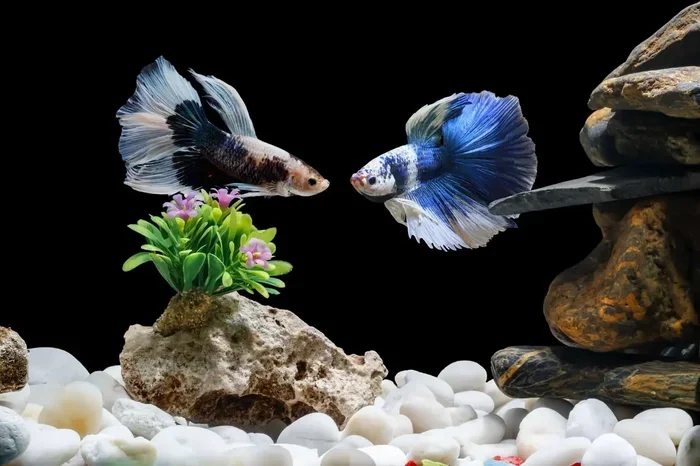
So, how long do betta fish live? The average betta fish lifespan is 3 to 5 years in captivity, but with proper care, some bettas reach 7 years or more. Your fish tank setup, water quality, diet, and daily habits all play a huge role in determining how long your betta stays healthy and happy.
How Long Do Betta Fish Live? The Complete Guide to Betta Lifespan
If you own a betta fish or are thinking about getting one, you probably wonder how long do betta fish live. This is one of the most common questions new fish keepers ask. The answer isn’t as simple as just a number. Your betta’s lifespan depends on several factors you can control.
In this guide, we’ll walk through everything you need to know about betta fish lifespan. We’ll cover average life expectancy, what affects how long bettas live, and practical tips to help your fish thrive. Whether you’re a beginner or a seasoned aquarist, you’ll find useful advice here.
Key Takeaways
- Average lifespan: Most betta fish live 3 to 5 years with good care.
- Tank size matters: A 5-gallon tank or larger significantly boosts longevity.
- Water quality is critical: Clean, warm water between 76-82°F keeps bettas healthy.
- Diet affects lifespan: A varied diet of pellets, frozen, and live foods prevents malnutrition.
- Stress shortens life: Overcrowding, aggressive tankmates, and poor conditions reduce betta lifespan.
- Genetics play a role: Some bettas are simply predisposed to longer or shorter lives.
📑 Table of Contents
- How Long Do Betta Fish Live on Average?
- What Affects How Long Betta Fish Live?
- Male vs Female Betta Lifespan
- How to Extend Your Betta Fish’s Lifespan
- Common Mistakes That Shorten Betta Fish Lifespan
- Expert Insights on Betta Fish Longevity
- How Long Do Betta Fish Live Compared to Other Tropical Fish?
- Conclusion
How Long Do Betta Fish Live on Average?
The typical betta fish lifespan ranges from 3 to 5 years. This is the average for bettas kept in home aquariums. However, some owners report their bettas living 6 to 7 years with excellent care.
The wild betta fish lifespan is often shorter. In their natural habitat, bettas face predators, disease, and harsh environmental conditions. Most wild bettas live only 2 to 3 years. Captive bettas generally live longer because they receive regular food and protected environments.
If you want your betta to reach its full potential, you need to understand what drives longevity. Let’s break down the key factors.
Betta Fish Lifespan by Environment
Where your betta lives makes a huge difference. Bettas kept in small bowls or unfiltered tanks often have shorter lives. A betta fish lifespan in a 5-gallon tank is much better than one kept in a tiny cup.
The betta fish lifespan in a tank with proper filtration, heating, and regular maintenance can stretch well beyond the average. Many experienced fish keepers report their bettas living 5 to 7 years in well-maintained aquariums.
What Affects How Long Betta Fish Live?
Several factors determine your betta’s lifespan. Some you can control, and others are out of your hands. Let’s explore each one.
Tank Size and Setup
One of the biggest mistakes new betta owners make is keeping their fish in too small a container. A betta fish lifespan in a 5-gallon tank is significantly longer than in a 1-gallon bowl. Why? Because larger tanks are more stable.
In a bigger tank, water parameters stay more consistent. Ammonia and nitrite levels are easier to manage. The water temperature remains steady, which reduces stress on your fish.
Here’s what you need for a proper betta tank setup:
- Minimum 5-gallon tank (10 gallons is even better)
- A gentle filter to keep water clean
- A heater to maintain 76-82°F
- A lid, since bettas are jumpers
- Live or silk plants for hiding spots
Water Quality and Temperature
Water quality is perhaps the single most important factor in betta fish lifespan. Poor water conditions cause stress, disease, and early death.
Keep your tank temperature between 76 and 82 degrees Fahrenheit. Bettas are tropical fish and need warm water. Cold water slows their metabolism and makes them vulnerable to illness.
Test your water parameters regularly. Ammonia and nitrite should always read zero. Nitrate should stay below 20 ppm. Do weekly water changes of 25-30 percent to keep the water fresh.
Diet and Nutrition
What you feed your betta directly impacts how long it lives. A betta fish diet should be varied and nutritious. Many owners make the mistake of feeding only betta flakes. While flakes are fine as a staple, they shouldn’t be the only food.
Best foods for a long, healthy betta life:
- High-quality betta pellets — these should form the base of the diet
- Frozen bloodworms — a great protein source given 2-3 times per week
- Brine shrimp — excellent for variety and nutrition
- Daphnia — helps with digestion and adds variety
- Live foods — like mosquito larvae, in moderation
Feed your betta 2-3 small meals per day. Don’t overfeed. Uneaten food fouls the water quickly and can lead to health problems.
Stress and Tankmates
Stress is a silent killer. A stressed betta fish has a weakened immune system and becomes prone to disease. Common stressors include:
- Too small a tank
- Aggressive tankmates
- Bright, flickering lights
- Constant tapping on the glass
- Keeping multiple male bettas together
If you want your betta to live a long, healthy life, minimize stress. Choose peaceful tankmates carefully. Some good options include corydoras catfish, kuhli loaches, and snails. Avoid fin-nipping fish like tiger barbs.
Genetics and Breeding History
Not all bettas are created equal. Genetics play a role in betta fish lifespan. Bettas from reputable breeders often have better genetic diversity and stronger immune systems.
Pet store bettas sometimes come from mass breeding facilities. While many are perfectly healthy, others may carry genetic weaknesses that shorten their lifespan. This is one factor you can’t control, but choosing a healthy fish from a good source helps.
Male vs Female Betta Lifespan
You might wonder about the female betta lifespan compared to males. Generally, female bettas live slightly longer than males. On average, females live 3 to 5 years, while males tend to live 2 to 4 years.
Why the difference? Male bettas are often kept in more stressful conditions. Pet stores typically display males in small cups. Males also have longer, more demanding fins that require more energy to maintain.
Female bettas tend to be hardier overall. They have shorter fins and a more streamlined body. However, female bettas can also experience stress in community tanks if other fish are aggressive toward them.
If you want a longer-lived betta, consider getting a female. They often adapt better to tank life and tend to be more resilient.
How to Extend Your Betta Fish’s Lifespan
Want to give your betta the best chance at a long life? Follow these practical tips.
1. Provide a Properly Sized Tank
A 5-gallon tank is the minimum for a single betta. A 10-gallon tank gives you more room for plants and hiding spots. The larger the tank, the easier it is to maintain stable water conditions.
2. Keep the Water Clean
Regular water changes are non-negotiable. Change 25-30 percent of the water every week. Use a gravel vacuum to remove debris from the substrate. This keeps ammonia and nitrite levels in check.
3. Maintain Consistent Temperature
Use a reliable aquarium heater with a thermostat. Bettas need steady warmth. Temperature swings stress the fish and weaken the immune system.
4. Feed a Balanced Diet
Rotate between pellets, frozen, and live foods. This ensures your betta gets all the nutrients it needs. Avoid overfeeding, which leads to bloating and poor water quality.
5. Watch for Early Signs of Illness
Catching problems early makes a huge difference. Common signs your betta might be sick include:
- Clamped fins
- Loss of color
- Refusing food
- Labored breathing
- White spots on the body
- Lethargy or hiding constantly
If you notice any of these signs, act quickly. Early treatment often saves a betta’s life.
6. Reduce Stress
Keep the tank in a quiet area of your home. Avoid placing it near speakers, televisions, or high-traffic areas. Betta fish are sensitive to vibrations and noise.
Use dim, gentle lighting. Bettas prefer a natural day-night cycle. Turn off the tank light at night so your fish can rest properly.
Common Mistakes That Shorten Betta Fish Lifespan
Many betta fish don’t reach their full lifespan potential because of common owner mistakes. Here are the top ones to avoid.
Keeping Bettas in Tiny Bowls
This is the number one mistake. A tiny bowl with no filter or heater is a death sentence for a betta. These fish need stable, warm water in a properly cycled tank.
Overfeeding
It’s tempting to give your betta lots of food, but overfeeding causes serious problems. Excess food rots in the tank, spiking ammonia levels. Feed small amounts 2-3 times daily and remove any uneaten food after 5 minutes.
Ignoring Water Changes
Even with a filter, water changes are essential. Filters remove debris and house beneficial bacteria, but they don’t remove dissolved wastes. Regular water changes keep the tank healthy.
Using Cold Water
Betta fish are tropical. Room temperature water in winter can drop below 70°F, which is too cold. A heater is essential year-round to maintain the proper temperature range.
Housing Male Bettas Together
Male bettas are called “siamese fighting fish” for a reason. Two males in the same tank will fight, often to the death. Always keep males separated.
Expert Insights on Betta Fish Longevity
Veterinarians and experienced aquarists agree that the biggest factor in betta fish lifespan is the environment. A well-maintained tank with stable water parameters, proper nutrition, and low stress gives bettas the best chance at a long life.
Dr. Jessie Sanders, a certified aquatic veterinarian, emphasizes that “the single most impactful thing an owner can do is provide a large enough tank with stable water quality.” She notes that many betta health problems stem from poor husbandry rather than genetics.
The betta fish lifespan in captivity can be remarkably long when owners commit to proper care. Some dedicated fish keepers have documented bettas living 8 to 9 years, though these cases are rare.
How Long Do Betta Fish Live Compared to Other Tropical Fish?
It helps to put betta lifespan in context. Here’s a quick comparison of popular tropical fish and their average lifespans:
| Fish Species | Average Lifespan |
|---|---|
| Betta Fish | 3-5 years (up to 7 with excellent care) |
| Guppy | 2-3 years |
| Neon Tetra | 3-5 years |
| Angelfish | 5-10 years |
| Glofish | 3-5 years |
| Corydoras | 5-7 years |
As you can see, bettas sit in the middle of the pack. Some fish live longer, some shorter. What sets bettas apart is their personality and the direct connection owners feel with them.
For more information on specific betta varieties, check out our article on how long glow betta fish live and glo betta fish lifespan.
Conclusion
So, how long do betta fish live? The answer is mostly in your hands. With a proper tank setup, clean water, a balanced diet, and a low-stress environment, your betta can live a happy, healthy life of 5 years or more.
The average betta fish lifespan is 3 to 5 years, but don’t settle for average. Give your fish the best possible care, and you might just exceed expectations. Every betta deserves a long, fulfilling life.
Start implementing these tips today. Your betta will thank you with vibrant colors, energetic swimming, and years of companionship. The journey of caring for a betta fish is incredibly rewarding, and understanding betta fish lifespan is the first step toward being the best owner you can be.
Frequently Asked Questions
What is the average betta fish lifespan in captivity?
The average betta fish lifespan in captivity is 3 to 5 years. However, with excellent care including proper tank size, clean water, and a balanced diet, many bettas live 6 to 7 years. The betta fish lifespan in a well-maintained 5-gallon tank or larger is significantly better than in small bowls.
Can betta fish live longer than 5 years?
Yes, betta fish can live longer than 5 years. Some owners report their bettas reaching 7, 8, or even 9 years old. These cases usually involve exceptional care, stable water parameters, and a healthy diet. The betta fish lifespan in a well-kept aquarium can exceed the average when all factors are optimized.
How long do female betta fish live compared to males?
Female bettas generally live slightly longer than males. On average, females live 3 to 5 years while males live 2 to 4 years. Females tend to be hardier and less stressed in community setups. The female betta lifespan advantage comes from their more robust build and easier care requirements.
Does tank size really affect betta fish lifespan?
Yes, tank size has a major impact on betta fish lifespan. A betta fish lifespan in a 5-gallon tank is much longer than in a small bowl. Larger tanks maintain stable water parameters, which reduces stress and disease risk. A 10-gallon tank is even better for promoting long-term health and longevity.
What is the betta fish lifespan in the wild?
In the wild, betta fish typically live only 2 to 3 years. They face predators, food scarcity, disease, and harsh environmental conditions. The betta fish lifespan in captivity is considerably longer because owners provide protection, consistent food, and controlled water conditions.
How can I make my betta fish live longer?
To help your betta live longer, provide a tank of at least 5 gallons, maintain clean water with regular changes, keep the temperature between 76-82°F, feed a varied and balanced diet, and minimize stress. Avoid common mistakes like overfeeding, using tiny bowls, and keeping aggressive tankmates. For detailed care guidance, see our article on how to care for a betta fish.