How Long Do Betta Fish Live in Wild
Wild betta fish typically live 2 to 5 years depending on water quality, food supply, and predator threats. While bettas are known for their hardiness, life in the wild is full of challenges that shorten their lifespan compared to captivity. Understanding these factors is key to protecting wild betta populations.
Key Takeaways
- Wild lifespan: Betta fish usually live 2 to 5 years in their natural habitat, which is often shorter than in well-maintained tanks.
- Habitat matters: Clean, warm, slow-moving water with plenty of hiding spots is essential for wild betta survival.
- Major threats: Habitat loss, pollution, climate change, and predators all reduce wild betta fish populations significantly.
- Diet in the wild: Wild bettas eat insects, larvae, and small crustaceans, and food scarcity during dry seasons can be deadly.
- Captive vs. wild: Captive bettas often live 3 to 7 years thanks to controlled environments and consistent care.
- Conservation helps: Supporting wetland protection and choosing captive-bred fish directly helps wild betta populations thrive.
📑 Table of Contents
- How Long Do Betta Fish Live in the Wild?
- What Is the Typical Lifespan of a Betta Fish in the Wild?
- Natural Habitat of Wild Betta Fish
- How Does the Wild Environment Affect Betta Fish Lifespan?
- Threats Facing Wild Betta Fish
- How to Help Wild Betta Fish Populations Thrive
- How Long Do Betta Fish Live in a Tank vs. the Wild?
- Expert Insights on Wild Betta Lifespan
- Quick Tips for Betta Owners
- Common Mistakes That Shorten Betta Lifespan
- Conclusion: How Long Do Betta Fish Live in the Wild?
How Long Do Betta Fish Live in the Wild?
Betta fish are among the most popular freshwater pets in the world. Their dazzling colors and dramatic fins make them a standout in any fish tank. But behind the beauty lies a tough survival story. If you have ever wondered how long do betta fish live in the wild, the answer is both fascinating and sobering.
In their natural environment, bettas face dangers that home aquariums simply cannot replicate. Predators lurk nearby. Water quality shifts with every rainstorm. Food comes and goes with the seasons. These challenges shape a wild betta fish lifespan that looks very different from the one you see in a pet store tank.
This guide covers everything you need to know. We will explore where wild bettas live, what threatens them, and how their lifespan compares to captive bettas. You will also find practical tips on how to help protect these remarkable fish. Let us get started.
What Is the Typical Lifespan of a Betta Fish in the Wild?
So how long do betta fish live in the wild? On average, wild bettas survive between 2 and 5 years. This is noticeably shorter than bettas kept in captivity, where proper care can extend their lives to 5 or even 7 years.
The shorter wild lifespan is not because bettas are weak. Quite the opposite. Wild bettas are incredibly resilient creatures. But resilience only goes so far when the environment works against them. Water conditions, food availability, and constant predator pressure all take a toll.
Factors That Shorten the Wild Betta Lifespan
- Pollution: Agricultural runoff and industrial waste introduce harmful chemicals into waterways. Even small amounts of toxins can weaken a betta fish immune system over time.
- Predators: Larger fish, birds, and other animals hunt bettas in the wild. With limited hiding spots during dry seasons, bettas become easy targets.
- Seasonal changes: Droughts shrink habitats dramatically. Floods scatter populations and wash away food sources. Both extremes stress bettas significantly.
- Disease and parasites: Bacteria and parasites spread faster in stagnant or polluted water. Wild bettas have no access to medication or veterinary care.
Natural Habitat of Wild Betta Fish
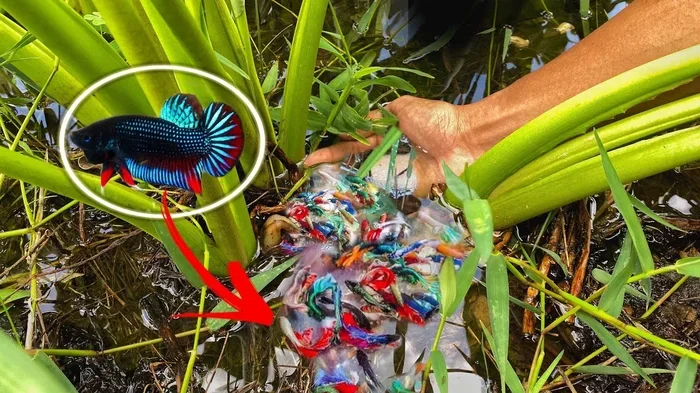
To truly understand how long do betta fish live in the wild, you need to know where they live. Wild bettas are native to Southeast Asia. Thailand, Vietnam, Malaysia, and Indonesia host the largest populations. These regions provide the warm, tropical climates bettas need to survive.
Bettas prefer slow-moving or completely still water. You will find them in rice paddies, shallow ponds, marshes, and even drainage ditches. One of their most remarkable features is the labyrinth organ. This specialized structure lets bettas breathe air directly from the surface, which gives them a survival edge in low-oxygen water.
Where Do Betta Fish Live in the Wild?
Wild bettas choose habitats that offer warmth, shelter, and food. Water temperatures between 75°F and 86°F are ideal. Slightly acidic, clean water with abundant vegetation creates the perfect environment. Plants, roots, and fallen leaves provide hiding spots for both hunting and avoiding predators.
Here are some common wild betta habitats and why they matter:
- Rice paddies: Flooded agricultural fields offer plenty of insect prey and dense cover. Bettas thrive in these warm, shallow waters.
- Shallow streams: Slow-moving streams with gentle currents provide ideal breeding grounds and steady food supplies.
- Ponds and marshes: Still water with rich vegetation supports large betta populations throughout the year.
- Flooded forests: Seasonal flooding creates dynamic ecosystems teeming with food and hiding places.
How Does the Wild Environment Affect Betta Fish Lifespan?
The wild is a challenging place for any living creature, and betta fish are no exception. Every environmental factor, from water temperature to food supply, directly impacts how long a betta survives. Unlike tank bettas that enjoy stable conditions, wild bettas must adapt constantly.
Water Quality and Temperature in the Wild
Clean water is fundamental to betta health. In the wild, water quality changes with weather patterns and human activity. Heavy rainfall can lower water temperature and alter pH levels. Dry periods concentrate pollutants as water levels drop. These fluctuations create chronic stress that weakens bettas over time.
Here is how wild conditions compare to tank conditions:
Wild bettas face unpredictable weather, seasonal droughts, and potential pollution from nearby farms or developments. During extreme heat, water can become too warm and oxygen levels plummet. During heavy rains, temperature swings shock the fish. Food sources may disappear entirely during dry spells. All of these stressors shorten the wild betta fish lifespan.
Tank bettas benefit from filtered, heated, and chemically balanced water. Owners test water parameters weekly and correct any issues immediately. This controlled environment removes most of the stressors that wild bettas deal with daily. That is why well-cared-for bettas in captivity consistently live longer.
Food Availability and Diet
What do betta fish eat in the wild? They are active predators that hunt insects, mosquito larvae, small crustaceans, and aquatic worms. A consistent food supply keeps wild bettas strong and healthy. But nature does not guarantee steady meals.
During the rainy season, food is often plentiful. Insects fall into the water, and larvae flourish in warm, still pools. But when the dry season arrives, water sources shrink. Concentrated fish populations compete for limited food. Starvation becomes a real threat, and weakened bettas become easy prey for predators.
In captivity, the picture looks very different. Owners provide daily feedings of high-quality pellets, freeze-dried bloodworms, frozen brine shrimp, and occasional live food. This consistent, balanced diet supports a longer and healthier life for pet bettas.
Threats Facing Wild Betta Fish
Wild bettas face a combination of natural and human-caused threats. Each one plays a role in reducing their populations and shortening their lifespan. Understanding these dangers is the first step toward meaningful conservation.
Habitat Loss
This is the single biggest threat to wild betta fish. Wetlands, rice paddies, and shallow ponds across Southeast Asia are being drained, filled, or converted for agriculture and urban development. When natural habitats disappear, bettas lose their homes, food sources, and breeding grounds all at once.
Pollution
Farms and factories release chemicals into waterways that bettas call home. Pesticides, fertilizers, and industrial waste contaminate the water. Even low levels of pollution damage betta gills, skin, and internal organs. Over time, prolonged exposure to pollutants significantly reduces survival rates.
Climate Change
Shifting weather patterns create new challenges for wild bettas. Rising temperatures can make water too warm for comfort. Irregular rainfall leads to more severe droughts and floods. These extreme events destroy habitats faster than bettas can adapt, putting additional pressure on already vulnerable populations.
Overfishing and the Pet Trade
While most bettas sold in pet stores are now captive-bred, wild-caught bettas still enter the market in some regions. Removing bettas from their natural habitat reduces local breeding populations. Wild-caught fish can also carry diseases and parasites that spread to captive populations when they are sold.
How to Help Wild Betta Fish Populations Thrive
The good news is that anyone can contribute to wild betta conservation. You do not need to live in Southeast Asia or work in marine biology. Small, everyday actions add up and create real impact.
Support Wetland Conservation
Many environmental organizations focus on protecting wetlands and natural waterways in tropical regions. Donating to these groups or volunteering your time helps preserve the habitats where wild bettas live. You can also advocate for stronger environmental protections in your local community.
Always Choose Captive-Bred Bettas
When purchasing a betta fish, make sure it comes from a reputable breeder. Captive-bred bettas are healthier, more colorful, and do not threaten wild populations. Choosing captive-bred fish reduces demand for wild-caught specimens and supports responsible aquaculture practices.
Reduce Your Environmental Impact
Simple lifestyle changes help protect waterways that bettas and countless other species depend on. Use fewer chemical pesticides in your garden. Dispose of household chemicals properly. Support clean water initiatives. Every positive choice contributes to healthier ecosystems worldwide.
Educate Others and Spread Awareness
Knowledge is power. Share what you learn about wild betta fish and their challenges with friends, family, and fellow fish enthusiasts. The more people understand about how long do betta fish live in the wild and why it matters, the more likely they are to take action. Awareness drives conservation.
How Long Do Betta Fish Live in a Tank vs. the Wild?
Comparing the lifespan of bettas in captivity versus the wild highlights just how much environment matters. Tank bettas benefit from consistent care, stable conditions, and protection from predators. Wild bettas must navigate a world full of uncertainty every single day.
Here is a quick comparison table showing the key differences:
Factor | Wild Betta | Tank Betta
Average lifespan | 2 to 5 years | 3 to 7 years
Water control | None, fully exposed | Complete owner control
Food supply | Unpredictable, seasonal | Consistent daily feedings
Predators | Many natural threats | None in a home tank
Disease risk | High without treatment | Low with proper care
The difference is clear. Tank bettas enjoy safer water, regular meals, and freedom from predation. However, this does not mean wild bettas are hopeless. With active conservation efforts, wild populations can stabilize and even recover over time.
Expert Insights on Wild Betta Lifespan
Scientists who study betta fish in their natural habitats emphasize that conservation is critical. Tropical fish ecologists point to wetland destruction as the primary driver of declining wild betta numbers. Without targeted protection efforts, these colorful fish could face serious population declines in the coming decades.
Experts also stress the importance of responsible fish keeping. Providing proper tank conditions for your pet betta and choosing captive-bred fish over wild-caught ones directly supports conservation goals. Every betta owner has the power to make a positive difference. Your choices at the pet store and in your own home matter more than you might think.
Quick Tips for Betta Owners
- Keep water warm: Maintain temperatures between 78°F and 80°F for optimal betta health and activity.
- Clean the tank regularly: Weekly water changes mimic the clean conditions bettas need to thrive.
- Offer a varied diet: Mix pellets with freeze-dried and frozen foods to provide complete nutrition.
- Add live or silk plants: Plants reduce stress and give your betta places to explore and rest.
- Avoid overcrowding: A 5-gallon tank minimum gives your betta enough room to swim comfortably.
Common Mistakes That Shorten Betta Lifespan
Even dedicated betta owners sometimes make mistakes that impact their fish health. Avoiding these common errors can help your betta live a longer, happier life.
- Using small bowls: Bettas need space. A minimum 5-gallon tank with proper filtration is essential for long-term health.
- Keeping water too cold: Cold temperatures stress bettas and invite disease. Always use a heater to maintain tropical warmth.
- Overfeeding: Excess food decomposes in the tank and poisons the water. Feed small amounts once or twice daily.
- Skipping water changes: Dirty water is the number one killer of captive bettas. Weekly maintenance prevents toxic buildup.
- Housing bettas together: Male bettas are highly territorial. Keeping them together leads to aggressive fights and serious injuries.
Conclusion: How Long Do Betta Fish Live in the Wild?
So how long do betta fish live in the wild? The typical lifespan ranges from 2 to 5 years, shaped by water quality, food availability, predators, and habitat conditions. Wild bettas face challenges every day that captive bettas are protected from, and this difference shows clearly in their survival rates.
Understanding the wild betta fish lifespan gives us a deeper appreciation for these resilient fish. It also highlights an important responsibility. By choosing captive-bred bettas, supporting habitat conservation, and keeping our own pet bettas properly, we contribute to the long-term survival of the species.
Every betta owner and fish enthusiast can play a part. Share your knowledge, make informed choices, and enjoy the incredible beauty of betta fish for many years to come. Together, we can help ensure that wild bettas continue to thrive in their natural homes for generations into the future.
Frequently Asked Questions
How long do betta fish live in the wild on average?
Wild betta fish typically live between 2 and 5 years. Their exact lifespan depends on water quality, food availability, predator pressure, and overall habitat health in their natural Southeast Asian environment.
Do betta fish live longer in the wild or in captivity?
Bettas almost always live longer in captivity. With heated, filtered water and regular feeding, pet bettas commonly reach 5 to 7 years of age, while wild bettas average only 2 to 5 years due to environmental hardships.
What is the biggest threat to wild betta fish survival?
Habitat loss is the primary threat. Wetlands, rice paddies, and shallow ponds are being drained for farming and development. Pollution and climate change add further pressure to already shrinking wild populations.
Can wild betta fish survive in cold water temperatures?
No. Wild bettas require warm tropical water between 75°F and 86°F. Cold water lowers their body temperature, weakens their immune system, and can ultimately prove fatal if exposure is prolonged.
How can ordinary people help wild betta fish populations?
You can help by purchasing only captive-bred bettas, supporting wetland and waterway conservation organizations, reducing pollution in your community, and spreading awareness about the challenges wild bettas face in their natural habitats.
What do betta fish eat in the wild?
Wild bettas are carnivorous hunters. They feed on insects, mosquito larvae, small crustaceans, aquatic worms, and other tiny prey they can catch in their shallow, slow-moving natural water habitats.