How Do I Know If My Betta Fish Is Depressed

Figuring out how do i know if my betta fish is depressed is easier than you think. Betta fish show clear behavioral signs like loss of appetite, lethargy, hiding, and color fading when they are unhappy. This guide covers every warning sign, the root causes, and practical steps you can take to restore your betta fish’s happiness and health.
Your betta fish is more emotional than most people realize. These vibrant little creatures have personalities, moods, and yes, they can get depressed. If you have noticed your betta fish acting differently lately, you are probably wondering what is going on. This article will walk you through every sign, cause, and solution so you can help your finned friend feel like themselves again.
Understanding how do i know if my betta fish is depressed starts with paying close attention to daily behavior. Bettas communicate through their actions, and small changes can tell you a lot. Whether it is a loss of interest in food or staying hidden behind decorations, these signs should never be ignored. Let us dive into the details and help you become the best betta fish parent you can be.
Key Takeaways
- Appetite changes and refusal to eat are among the first and most obvious signs of a depressed betta fish.
- Lethargy and reduced activity, such as staying at the bottom of the tank, signal emotional distress.
- Color fading and fin clamping are physical indicators that your betta fish is not feeling well mentally or physically.
- Boredom, small tanks, and lack of enrichment are the top causes of betta fish depression.
- Improving tank conditions, adding plants, and providing a balanced diet can dramatically improve your betta’s mood.
- Persistent symptoms may require veterinary attention to rule out illness or serious health issues.
- Comparing happiness vs. depression signs helps you act quickly before problems worsen.
📑 Table of Contents
Understanding Betta Fish Depression
Depression in betta fish is a real thing. Just like humans, these fish can experience emotional lows triggered by their environment, routine, or social situation. A depressed betta fish is not just being lazy or moody. There is usually an underlying cause that needs your attention.
Many fish owners do not realize that bettas are intelligent creatures. They explore their surroundings, recognize their owners, and respond to stimuli. When their basic needs are not met, they begin to shut down emotionally. Recognizing this early can make a huge difference in your fish’s quality of life.
What Does a Happy Betta Fish Look Like?
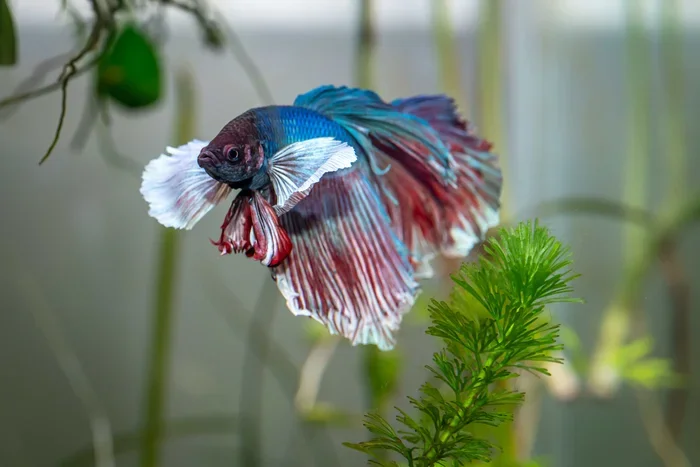
Before we talk about depression, let us talk about what happiness looks like. A happy betta fish will swim actively around the tank. They will flare their fins occasionally and show bright, vivid colors. A healthy appetite is another strong indicator. If your betta fish is eating well and exploring the tank, that is a great sign.
To learn more about the positive side, check out how to know if your betta fish is happy. Understanding both sides of the emotional spectrum helps you spot problems faster.
How Is Depression Different from Illness?
This is an important question many fish owners ask. Depression and illness often share similar symptoms. A sick betta fish might also stop eating, become lethargic, or hide in corners. However, illness usually comes with physical signs like white spots, torn fins, or bloating. Depression, on the other hand, tends to show up as behavioral changes without obvious physical damage.
If you are unsure whether your fish is sick or just sad, it helps to read about how do you know if your betta fish is sick. This can help you rule out medical causes before focusing on emotional ones.
Common Signs Your Betta Fish Is Depressed
Spotting depression early gives you the best chance to turn things around. Here are the most common signs to watch for:
Loss of Appetite or Refusing to Eat
This is often the first thing owners notice. A betta fish that suddenly ignores food or eats very little is telling you something is wrong. While occasional fasting is normal, a consistent lack of interest in food is a red flag. If your betta won’t eat for more than two days, you should take action.
To get guidance on feeding issues, visit what to do if my betta fish won’t eat. This resource offers practical feeding tips that can reignite your fish’s appetite.
Lethargy and Staying at the Bottom of the Tank
A healthy betta fish loves to explore. They swim to the surface for air, glide around plants, and interact with their environment. A depressed betta fish, however, will often stay still at the bottom of the tank. They may barely move for hours. This kind of extreme lethargy is a clear warning sign.
Hiding and Avoiding Interaction
Bettas are curious by nature. They like to investigate new things in their tank. If your fish suddenly starts hiding behind decorations or in corners all the time, something is off. They may also stop reacting when you approach the tank or tap on the glass.
Color Fading and Dull Appearance
One of the most visually obvious signs is when a betta fish starts losing its vibrant colors. A depressed betta may look pale or washed out. Their once-bright blues, reds, and greens can fade significantly. While color changes can also signal illness, emotional stress is a common culprit.
Fin Clamping and Slow Fin Movement
Fin clamping means your betta holds its fins close to its body instead of spreading them out. This is a sign of discomfort and stress. You may also notice slow, sluggish fin movements compared to their usual graceful swimming style.
What Causes Depression in Betta Fish?
Knowing the signs is only half the battle. Understanding the root causes helps you fix the problem at its source. Here are the most common reasons betta fish become depressed:
Too Small of a Tank
This is the number one cause of betta depression. Many people keep bettas in tiny bowls or tanks under five gallons. Bettas need space to swim and explore. A cramped environment leads to boredom, stress, and eventually depression. A tank of at least five gallons is recommended, but bigger is always better.
Lack of Enrichment and Stimulation
Just like any pet, bettas need mental stimulation. A bare tank with nothing to do gets boring fast. Without plants, caves, or places to explore, your betta fish has nothing to do all day. This kind of emptiness leads directly to depressive behavior.
Loneliness and Lack of Social Interaction
Bettas are solitary fish by nature, but they still benefit from observing their surroundings. Some owners wonder if bettas get lonely. While they do not need tank mates, they do need environmental enrichment. Watching the world outside the tank and interacting with their owner provides mental stimulation.
Many people ask, do betta fish know their owner? The answer is yes. Bettas can recognize their owners and respond to their presence. Lack of interaction can contribute to feelings of isolation and depression.
Poor Water Quality
Dirty water causes stress, and stressed fish get depressed. High levels of ammonia, nitrites, or nitrates in the tank can make your betta feel unwell. Regular water changes and proper filtration are essential for maintaining a healthy environment.
Sudden Changes in Routine or Environment
Bettas thrive on consistency. Moving their tank to a new location, changing the lighting schedule, or adding new tank mates can all cause stress. These disruptions shake up their sense of security and can trigger depressive symptoms.
Incorrect Water Temperature
Bettas are tropical fish and need warm water between 76 and 82 degrees Fahrenheit. Water that is too cold or too hot causes physical stress that quickly turns into emotional distress. A reliable aquarium heater is a must-have for any betta tank.
How to Help a Depressed Betta Fish
The good news is that betta fish depression is often reversible. With a few thoughtful changes, you can bring your fish back to a happy, active state. Here is exactly what you can do:
Step 1: Improve the Tank Environment
Start by upgrading the tank size if needed. Add live or silk plants, caves, and decorations that your betta can explore. These create a stimulating environment that keeps their mind active. Make sure the water is clean and the temperature is stable.
Step 2: Enrich Their Daily Routine
Variety is key to preventing boredom. Try feeding different types of food like bloodworms, brine shrimp, or pellets. You can also introduce new objects to the tank occasionally. Floating logs and mirror sessions (short ones) can provide mental stimulation.
Step 3: Spend Time with Your Betta
Bettas respond to their owners. Sit by the tank and talk to your fish gently. Move your finger slowly along the outside of the glass. Many bettas will follow your finger or flare at you. This interaction builds trust and fights feelings of isolation.
Step 4: Check for Underlying Health Issues
If behavioral changes persist despite environmental improvements, it might be time to consult a vet. Some health conditions mimic depression symptoms. A professional can rule out illness and give you a clear path forward.
Step 5: Be Patient and Consistent
Recovery does not happen overnight. Give your betta time to adjust to new changes. Keep a consistent feeding and cleaning schedule. Over time, you should see gradual improvements in energy, color, and appetite.
For general care guidance that supports mental health, check out how do I take care of a betta fish. This comprehensive resource covers all aspects of betta wellness.
Preventing Depression in Your Betta Fish
Prevention is always better than cure. Here are simple habits that keep your betta fish mentally healthy and thriving:
- Keep the tank at least five gallons with a proper filter and heater.
- Add live plants and decorations that create a natural, stimulating habitat.
- Maintain a consistent feeding schedule with high-quality food.
- Perform regular water changes to keep ammonia and nitrate levels low.
- Interact with your betta daily by talking or gently tapping the glass.
- Avoid sudden changes in lighting, temperature, or tank layout.
- Monitor your betta’s behavior weekly so you catch warning signs early.
Following these steps creates an environment where your betta fish feels safe, stimulated, and content. A happy betta is an active, colorful, and engaged betta.
When to See a Vet for Your Betta Fish
Sometimes home remedies are not enough. If your betta fish shows no improvement after making environmental changes, it is time to seek professional help. Persistent loss of appetite, visible physical damage, or rapid color loss all warrant a vet visit.
A qualified aquatic veterinarian can run tests on your water and examine your fish for underlying conditions. Many health problems look like depression in their early stages. Getting a proper diagnosis ensures your betta gets the right treatment.
Remember, catching problems early always leads to better outcomes. Do not wait until your fish is in serious distress. Regular observation and prompt action are the best tools you have as a betta fish owner.
Conclusion
Learning how do i know if my betta fish is depressed empowers you to be a better owner. By watching for appetite changes, lethargy, hiding, and color fading, you can catch depression early. Understanding the causes, from small tanks to boredom, helps you make meaningful improvements. With the right tank setup, enrichment, and daily interaction, your betta fish can live a vibrant and emotionally healthy life. Start making these changes today and watch your betta thrive.
Frequently Asked Questions
How do I know if my betta fish is depressed or just sick?
Look for behavioral signs like hiding, lethargy, and loss of appetite without physical symptoms such as white spots or bloating. If you are unsure, check resources on how do you know if your betta fish is sick to rule out illness first.
Can a betta fish die from depression?
While depression alone is not usually fatal, prolonged stress and neglect can weaken the immune system and lead to serious health problems. A depressed betta fish that stops eating for days is at real risk, so early intervention is critical.
How long does it take for a betta fish to recover from depression?
Recovery time varies depending on the severity and cause. Many bettas show improvement within one to two weeks of environmental changes. Consistent care and patience are essential for a full recovery.
Do betta fish get depressed from being alone?
Bettas are solitary fish, so they do not need companions. However, they still need mental stimulation from their environment. A boring, empty tank can cause loneliness-like symptoms even in a fish that prefers to live alone.
What tank size is best for preventing betta fish depression?
A minimum of five gallons is recommended, but larger tanks provide more swimming space and enrichment opportunities. A bigger tank with plants and decorations keeps your betta mentally stimulated and emotionally healthy.
Can changing my betta fish’s diet help with depression?
Yes, offering variety in food can stimulate your betta’s appetite and interest in their surroundings. High-quality pellets, frozen bloodworms, and brine shrimp provide both nutrition and mental engagement that fights depressive behavior.