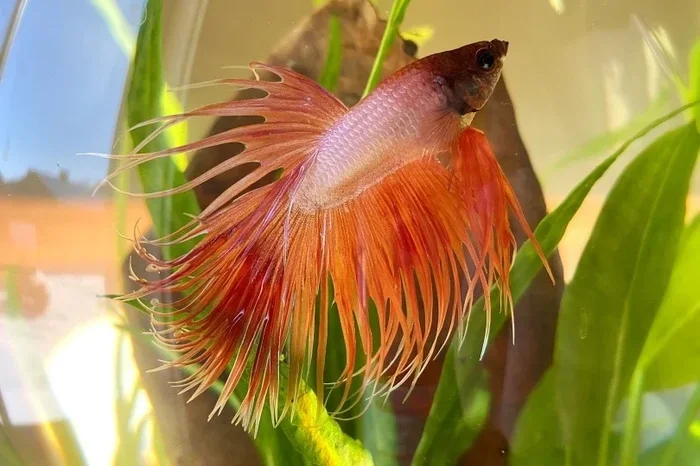
How Do Betta Fish Tails Shrink

Betta fish tails can shrink due to several reasons, including fin rot, tail biting, poor water quality, and stress. Understanding the root cause is the first step toward helping your betta recover. This guide covers the most common reasons betta fish tails shrink, how to treat the issue, and simple prevention tips you can start today.
Betta fish are known for their flowing, colorful fins. When those fins start to look smaller or ragged, it can worry any fish owner. The good news is that betta fish tails shrink for reasons that are often fixable. Whether it is a mild case of fin damage or a more serious health issue, you have the power to help your fish recover.
This article breaks down exactly why betta fish tails shrink, what to look for, and how to treat the problem. We will also cover simple steps to prevent it from happening again. By the end, you will feel confident in keeping your betta’s fins healthy and vibrant.
Key Takeaways
- Fin rot is the #1 cause: Bacterial or fungal infections can eat away at your betta’s tail, making it appear smaller.
- Tail biting is a behavioral issue: Stress and boredom can cause bettas to chew on their own tails, leading to shrinkage.
- Water quality matters: Dirty or unstable water conditions weaken your betta’s immune system and damage fins.
- Regrowth is possible: With proper care and treatment, betta fish tails can grow back over time.
- Prevention is easier than treatment: Regular water changes, a clean tank, and a stress-free environment keep fins healthy.
- Early detection saves tails: The sooner you spot signs of tail shrinking, the better the chances of full recovery.
📑 Table of Contents
- Why Do Betta Fish Tails Shrink?
- How to Tell if Your Betta’s Tail Is Shrinking
- How to Treat Shrinking Betta Tails
- Can Betta Fish Tails Grow Back?
- Prevention Tips to Keep Betta Tails Healthy
- When to See a Vet or Fish Expert
- Common Mistakes That Cause Tail Shrinkage
- Quick Tips for Faster Tail Regrowth
- Final Thoughts
Why Do Betta Fish Tails Shrink?
There is no single answer to this question. Several factors can cause a betta’s tail to appear smaller over time. Some are minor and easy to fix. Others need a bit more attention. Let us look at the most common reasons.
Fin Rot: The Most Common Culprit
Fin rot is a bacterial or fungal infection that eats away at the fins and tail. It is one of the top reasons betta fish tails shrink. The infection starts at the edges of the tail and works its way inward. If left untreated, it can spread to the body and become life-threatening.
You will notice the tail edges turning white, brown, or black. The fins may look ragged, melted, or thin. In severe cases, the tail will visibly shorten. Fin rot thrives in dirty water, so poor tank maintenance is almost always a contributing factor.
Tail Biting Behavior
Yes, bettas sometimes bite their own tails. This behavior is called tail biting or fin nipping. It happens when a betta feels stressed, bored, or uncomfortable. Over time, the constant chewing causes the tail to shrink and look uneven.
Tail biting is different from fin rot. The edges of the tail will look torn or bitten off rather than melted. You may even catch your betta nibbling on its own tail. This is a clear sign that something in the environment needs to change.
Poor Water Quality
Betta fish are sensitive to water conditions. When the water is dirty or the parameters are off, the fish becomes stressed. A weakened immune system makes it easier for infections to take hold. Over time, this can lead to tail shrinkage.
Ammonia and nitrite spikes are especially dangerous. Even small amounts of these chemicals can damage delicate fins. Regular water changes and proper filtration go a long way in keeping tails healthy.
Stress and Environmental Factors
Stress plays a huge role in a betta’s overall health. A cramped tank, aggressive tankmates, loud noises, or sudden changes in lighting can all stress your fish out. A stressed betta is more likely to develop tail issues.
Cold water temperatures also weaken the immune system. Bettas need warm water between 78 and 80 degrees Fahrenheit to thrive. Anything below that can slow down healing and make fins more prone to damage.
How to Tell if Your Betta’s Tail Is Shrinking
Spotting the early signs of tail shrinkage can make a big difference. The faster you catch the problem, the easier it is to treat. Here are the key signs to watch for.
- Shorter tail: The tail looks visibly shorter than it did before.
- Ragged edges: The edges of the tail look torn, jagged, or uneven.
- Color changes: White, brown, or black patches appear along the tail edges.
- Thinning fins: The tail tissue looks thinner or more translucent.
- Clamped fins: The fish keeps its tail folded close to its body.
- Redness or inflammation: The base of the tail looks red or swollen.
If you notice any of these signs, check your water parameters right away. Test the ammonia, nitrite, nitrate, and pH levels. Dirty water is the most common trigger for tail problems in bettas.
How to Treat Shrinking Betta Tails
The treatment depends on the cause. Let us walk through the most effective methods for each scenario.
Treating Fin Rot
For mild fin rot, a water change and improved tank maintenance often do the trick. Clean the substrate, remove any uneaten food, and check your filter. In most cases, the tail will start to heal within a week or two.
For moderate fin rot, you may need to treat the water with a bacterial medication. Melafix and Pimafix are popular choices among betta keepers. Add the medication to the tank as directed on the label. Do a 25 percent water change every other day during treatment.
Severe fin rot requires a different approach. You may need to move your betta to a quarantine tank and use stronger medication. In extreme cases, a salt bath can help draw out the infection. Learn how to do a salt bath for your betta to support the healing process.
Addressing Tail Biting
If your betta is biting its own tail, the goal is to reduce stress and provide enrichment. Start by making the tank more interesting. Add live plants, caves, or gentle decorations for your betta to explore.
Some owners use mirror training as a short-term enrichment tool. Place a small mirror near the tank for a few minutes a day. This gives your betta mental stimulation without causing long-term stress. Just do not leave the mirror in the tank permanently.
Also, make sure the tank is big enough. A 5-gallon tank is the minimum for a single betta. Anything smaller will make your fish feel trapped and more likely to develop behavioral issues. Here is a guide on how big betta fish tanks need to be to keep your fish happy and healthy.
Improving Water Quality
Clean water is the foundation of fin health. Follow these steps to keep your tank in top shape.
- Test the water at least once a week using a liquid test kit.
- Perform a 25 to 30 percent water change every week.
- Use a water conditioner to remove chlorine and chloramine.
- Vacuum the gravel during each water change.
- Do not overfeed your betta. Excess food decays and pollutes the water.
- Keep the filter running but avoid strong currents that can damage delicate fins.
Stable water parameters are just as important as clean water. The ideal temperature for a betta tank is 78 to 80 degrees Fahrenheit. The pH should stay between 6.5 and 7.5. Ammonia and nitrite levels should always read zero.
Can Betta Fish Tails Grow Back?
The short answer is yes. Betta fish have the ability to regenerate their fins and tails. Once the underlying cause is treated, new fin tissue will slowly grow back. The process can take several weeks to a few months, depending on the severity of the damage.
During the regrowth phase, keep the water as clean as possible. A healthy environment speeds up healing. You may also notice the new fin growth looks slightly different in color or texture at first. This is normal. Over time, the new tail will blend in with the rest of the fins.
It is important to note that severe tail damage may not fully regrow. If the tail tissue has been completely lost, the fin may not return to its original length. This is why early treatment is so important. The sooner you address the problem, the better the chances of a full recovery.
Prevention Tips to Keep Betta Tails Healthy
Preventing tail shrinkage is much easier than treating it. A few simple habits can keep your betta’s fins looking beautiful for years. Here is what you should do.
- Keep the tank clean: Regular water changes prevent the buildup of harmful chemicals.
- Feed a balanced diet: High-quality pellets and occasional treats like bloodworms support overall health.
- Avoid overcrowding: Keep your betta alone or with peaceful, non-nippy tankmates.
- Provide enrichment: Plants, caves, and gentle exploration opportunities reduce boredom and stress.
- Monitor water temperature: Use a reliable heater to maintain a stable warm temperature.
- Quarantine new fish: If you add any new fish to the tank, isolate them first to prevent disease spread.
- Handle with care: Avoid netting your betta roughly or making sudden movements near the tank.
These habits take just a few minutes each day but pay off big time. A healthy betta with full, flowing fins is a joy to watch. Prevention is the best medicine for keeping tails at their full length.
When to See a Vet or Fish Expert
Most cases of tail shrinkage can be handled at home. But sometimes, the problem goes beyond what simple treatments can fix. If your betta’s tail is not improving after two weeks of treatment, it is time to seek expert advice.
Watch for other warning signs too. Loss of appetite, lethargy, bloating, or a loss of color are all red flags. These symptoms may point to a deeper health issue that needs professional attention. Here is how to cure a sick betta fish if your fish is showing signs of illness.
A fish veterinarian or experienced aquarium shop expert can help identify the exact cause of the tail damage. They may recommend prescription medications or advanced treatments that go beyond over-the-counter options. Do not wait too long. Early intervention gives your betta the best chance of a full recovery.
Common Mistakes That Cause Tail Shrinkage
Many betta owners unknowingly make mistakes that lead to tail problems. Here are the most common ones to avoid.
- Skipping water changes: Even if the water looks clean, harmful chemicals build up over time.
- Overfeeding: Uneaten food rots in the tank and spikes ammonia levels quickly.
- Using the wrong tank size: Bowls and tiny tanks create stress and poor water quality.
- Ignoring temperature fluctuations: Sudden drops in temperature weaken the immune system.
- Using harsh decorations: Sharp plastic plants can tear fins and create open wounds for bacteria.
- Adding tankmates too soon: Aggressive fish can nip at betta fins and cause physical damage.
Avoiding these mistakes puts you well ahead of most betta owners. Simple, consistent care is the foundation of healthy fins and a happy fish.
Quick Tips for Faster Tail Regrowth
Want to speed up the healing process? Try these tips.
- Keep the water temperature steady at 80 degrees Fahrenheit. Warm water boosts the immune system.
- Add Indian almond leaves to the tank. They release natural compounds that support healing.
- Reduce light exposure slightly. Dimmer lighting can help a stressed fish relax.
- Feed high-quality food with added vitamins to support tissue repair.
- Keep the tank in a quiet area of your home. Low stress equals faster healing.
These small adjustments can make a noticeable difference in how quickly your betta’s tail grows back. Consistency is key, so make these tips part of your regular routine.
Final Thoughts
Betta fish tails shrink for a variety of reasons, but the good news is that most causes are treatable. Whether it is fin rot, tail biting, or poor water quality, you now have the knowledge to take action. The key is catching the problem early and responding quickly with the right treatment.
Keep your betta’s environment clean, warm, and stress-free. Provide a healthy diet and plenty of enrichment. With these habits in place, your betta’s fins will stay full and beautiful. Remember, a healthy betta is a happy betta, and a happy betta means a proud owner. Start implementing these tips today and watch your fish thrive.
Frequently Asked Questions
Why is my betta fish’s tail getting shorter?
The most common reasons are fin rot, tail biting, or poor water quality. Check the tail edges for signs of infection like white or brown edges. Also look for torn or bitten areas that suggest your fish is chewing on its own tail. Fixing the water quality and treating the underlying cause usually stops the shrinkage.
Can betta fish tails grow back after shrinking?
Yes, betta fish can regrow their tails once the cause of the shrinkage is treated. The regrowth process takes several weeks to a few months. Keeping the water clean and warm helps speed up the healing. Severe damage may not fully regrow, which is why early treatment matters.
How do I know if my betta has fin rot?
Fin rot causes the tail edges to turn white, brown, or black. The fins may look ragged, melted, or thinner than usual. In serious cases, the tail visibly shortens. You may also notice redness or inflammation at the base of the tail. Testing your water parameters can confirm if poor water quality is contributing to the problem.
Is tail biting common in betta fish?
Yes, tail biting is fairly common in bettas. It usually happens when the fish is stressed, bored, or kept in an enclosure that is too small. Providing enrichment like plants and caves can reduce the behavior. A tank that is at least 5 gallons helps keep your betta mentally stimulated and less likely to chew its tail.
What water changes help with betta tail shrinkage?
Perform a 25 to 30 percent water change every week. Use a water conditioner to remove chlorine and chloramine. Test the water regularly to make sure ammonia and nitrite levels stay at zero. Consistent water maintenance is one of the best ways to prevent and treat tail problems in bettas.
How can I prevent my betta’s tail from shrinking?
Keep the tank clean with regular water changes, maintain a stable warm temperature, and avoid overcrowding the tank. Feed a balanced diet and provide enrichment to reduce stress. Use smooth decorations instead of sharp plastic plants. These simple steps go a long way in keeping your betta’s fins healthy and full.