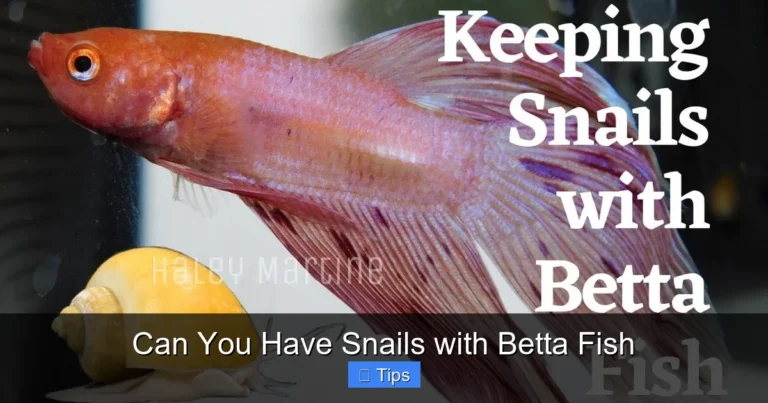
Can You Save a Dying Betta Fish Quick guide to revive

Yes, you can save a dying betta fish if you act fast and know the right steps. This guide covers emergency care, common causes of decline, and proven revive techniques to give your betta the best chance of survival.
Watching your betta fish struggle is one of the most stressful things a fish keeper can experience. You notice the colors fading, the fins clamping, and the swimming getting weird. Suddenly, the question hits you: can you save a dying betta fish? The good news is that in many cases, yes, you absolutely can. But you need to act fast and know exactly what to do.
This guide gives you everything you need. We will walk through the signs your betta is in trouble, the most common causes, and the exact steps to revive a sick betta. Whether you are a new owner or a seasoned hobbyist, this article will help you give your fish the best fighting chance.
Key Takeaways
- Act quickly: The faster you respond to a sick betta, the better the chances of recovery.
- Check water first: Poor water quality is the #1 killer of betta fish and often the root cause of illness.
- Quarantine sick fish: Isolate your sick betta to prevent spreading disease to other tank mates.
- Avoid common mistakes: Overfeeding, wrong medications, and sudden water changes can make things worse.
- Prevention is key: Regular tank maintenance and proper care reduce the risk of your betta getting sick.
- Know when to act: Recognizing early warning signs gives you the best shot at a full recovery.
📑 Table of Contents
What Causes a Betta Fish to Die
Before you can save a dying betta fish, you need to understand what went wrong. Most betta deaths are not sudden. They are the result of ongoing problems that slowly wear your fish down. Knowing the causes helps you target the right fix.
Poor Water Conditions
This is the biggest killer of betta fish. Ammonia, nitrite, and nitrate buildup in the tank creates a toxic environment. Even small spikes can stress your betta and weaken its immune system. Using tap water without treating it is one of the most common mistakes that leads to water quality problems.
Betta fish are tropical. They need warm water between 76°F and 82°F. Cold water slows their metabolism and makes them vulnerable to disease. A heater is not optional for bettas. It is essential.
Overfeeding
It is easy to overlove your betta by feeding too much. But excess food rots in the tank and poisons the water. A bloated betta fish often signals overfeeding. Feed small amounts once or twice a day, and remove any uneaten food after a few minutes.
Disease and Infection
Bettas are prone to several common diseases. Each one has different causes and requires specific treatments. Here is a quick breakdown:
- Fin rot: Frayed or discolored fins caused by bacteria. Often linked to poor water.
- Ich (white spot disease): Tiny white spots on the body and fins. Caused by a parasite.
- Swim bladder disorder: Difficulty controlling buoyancy. Often caused by overfeeding.
- Fungal infection: Cotton-like growths on the skin or mouth.
- Dropsy: Swollen body with scales sticking out. A serious and often fatal condition.
Stress and Environmental Factors
Bettas are sensitive creatures. Sudden changes in their environment can trigger stress that weakens their health. Common stressors include:
- Aggressive tank mates
- Sudden temperature changes
- Strong water flow from filters
- Lack of hiding spots
- Bright lights or loud noises nearby
How to Save a Dying Betta Fish
If you are wondering whether can you save a dying betta fish, the answer is often yes. But time matters. Here is a step-by-step plan to follow the moment you notice something wrong.
Step 1: Observe and Identify the Problem
Start by watching your betta closely. Look for these warning signs:
- Clamped fins pressed against the body
- Loss of color or fading scales
- Lethargy or hiding more than usual
- Rapid or labored breathing
- Floating at the top or sinking to the bottom
- White spots, redness, or open wounds
- Loss of appetite
Take note of everything you see. The more details you gather, the easier it is to pinpoint the cause. If you want a deeper dive into recognizing these signs, check out our guide on saving a betta fish from dying.
Step 2: Test the Water Immediately
Water quality is almost always the culprit. Use a liquid test kit (not strips) to check for ammonia, nitrite, nitrate, and pH. Here is what safe levels look like:
| Parameter | Safe Level | Danger Level |
|---|---|---|
| Ammonia | 0 ppm | Above 0.25 ppm |
| Nitrite | 0 ppm | Above 0.25 ppm |
| Nitrate | Below 20 ppm | Above 40 ppm |
| pH | 6.5 to 7.5 | Outside this range |
If ammonia or nitrite is above zero, do a partial water change right away. Replace 25 to 50 percent of the tank water with dechlorinated water at the same temperature.
Step 3: Quarantine the Sick Fish
If you have other fish, move the sick betta to a separate quarantine tank. This prevents disease from spreading. A simple 5-gallon bucket or spare tank works fine. Use water from the main tank to keep the betta comfortable during the transfer.
Step 4: Treat the Illness
Treatment depends on the diagnosis. Here are the most common approaches:
- Bacterial infections: Use antibiotics like kanamycin or tetracycline.
- Ich: Raise the temperature slowly to 82°F and use an ich medication.
- Fungal infections: Apply antifungal treatment like methylene blue.
- Swim bladder: Stop feeding for 24 to 48 hours and offer a peeled pea.
- Parasites: Use a broad-spectrum antiparasitic medication.
Always follow dosage instructions carefully. More medication is not better. In fact, using the wrong substances can kill your fish faster than the disease itself.
Step 5: Support Recovery
After treatment, focus on creating ideal conditions. Keep the water clean and warm. Feed high-quality food in small amounts. Reduce light levels to lower stress. Give your betta time and peace to heal.
Emergency First Aid for Your Sick Betta
Sometimes you need to act before you fully understand the problem. Emergency first aid can stabilize your betta and buy you time. Here is what to do in a crisis.
The Salt Bath Method
Aquarium salt is a time-tested remedy for bettas. It helps with osmotic balance and can kill some parasites. Here is how to do it safely:
- Fill a separate container with tank water.
- Add 1 tablespoon of aquarium salt per 5 gallons of water.
- Stir until the salt dissolves completely.
- Place your betta in the salt bath for 15 to 30 minutes.
- Return the fish to the tank gently.
Do not use table salt. It contains iodine that is harmful to fish. Only use pure aquarium salt.
Temperature Adjustment
If your betta is suffering from a fungal or parasitic infection, slowly raising the temperature can help. Increase it by 1 to 2 degrees per hour until you reach 82°F. Do not change the temperature suddenly. It will shock the fish.
Quick Tips for Emergency Care
- Always turn off the filter during medication to protect beneficial bacteria.
- Use a air stone to increase oxygen if the water is warm.
- Keep the tank dark to reduce stress during recovery.
- Never clean the tank during treatment. You will remove the medication.
Common Mistakes That Make Things Worse
Even with good intentions, many well-meaning owners make errors that harm their betta. Avoiding these common mistakes is just as important as knowing the right treatment.
Doing Too Many Water Changes at Once
A large water change can stress an already sick betta. Stick to 25 to 50 percent changes every day or two. Gradual is always better.
Using the Wrong Medication
Not every medicine works for every illness. Using the wrong treatment wastes time and can harm your fish. Identify the problem first, then treat accordingly. If you are unsure, learn about betta revival techniques that are safe and effective.
Adding Unnecessary Decorations
A sick betta needs a simple, clean environment. Remove sharp decorations and avoid adding new items during treatment. A bare-bottom quarantine tank is often the best setup for recovery.
Ignoring the Root Cause
Treating symptoms without fixing the underlying problem is a recipe for failure. If your betta got sick from poor water, fixing the water is the real treatment. Medication alone will not solve a toxic environment.
Expert Insight
Experienced betta breeders often say that 90 percent of betta illnesses come down to water quality. Dr. Linda Brown, a well-known aquatic veterinarian, puts it simply: “If you get the water right, most problems never happen.” This is the single most important takeaway for any betta owner.
How to Prevent Your Betta from Dying
Prevention is always better than cure. A healthy betta can live 3 to 5 years with proper care. Here is how to keep your fish thriving and avoid ever having to ask, can you save a dying betta fish.
Maintain a Consistent Tank Routine
- Test water parameters weekly.
- Do partial water changes every 1 to 2 weeks.
- Clean the gravel with a siphon during water changes.
- Keep the temperature stable with a reliable heater.
- Use a gentle filter with low flow.
Feed a Balanced Diet
High-quality pellets should be the staple food. Supplement with frozen or live foods like bloodworms and brine shrimp a few times a week. Variety keeps your betta healthy and boosts color. But do not overdo it. A couple of bloodworms a day is plenty.
Choose Tank Mates Wisely
Bettas can be territorial. Avoid keeping them with aggressive or brightly colored fish. If you want companions, consider peaceful species like ghost shrimp or snails. Always research before adding anything to your tank.
Monitor Your Fish Daily
Spend a minute or two each day watching your betta. Look for changes in behavior, appetite, or appearance. Early detection of problems makes all the difference. A fish that is caught early is a fish that can be saved.
Key Takeaways
- Act quickly: The faster you respond to a sick betta, the better the chances of recovery.
- Check water first: Poor water quality is the number one killer of betta fish and often the root cause of illness.
- Quarantine sick fish: Isolate your sick betta to prevent spreading disease to other tank mates.
- Avoid common mistakes: Overfeeding, wrong medications, and sudden water changes can make things worse.
- Prevention is key: Regular tank maintenance and proper care reduce the risk of your betta getting sick.
- Know when to act: Recognizing early warning signs gives you the best shot at a full recovery.
- Stay calm and patient: Recovery takes time. Do not rush the process or switch treatments too quickly.
Conclusion
So, can you save a dying betta fish? Absolutely. The key is knowledge, speed, and patience. Most bettas that appear on death’s door can be brought back when their owner takes the right actions quickly.
Start by identifying the problem. Test the water. Treat the illness. And then give your fish the quiet, clean, warm environment it needs to heal. Avoid the temptation to over-treat or make sudden changes. Sometimes the best medicine is stability and time.
Remember that prevention always wins. A well-maintained tank, proper feeding, and daily observation will keep your betta healthy for years. But if disaster does strike, you now have the tools to fight for your fish. You have the knowledge to be the hero your betta needs. Do not wait until it is too late. Start today, and give your betta the life it deserves.
Frequently Asked Questions
How long does it take for a betta fish to recover from illness?
Recovery time depends on the illness. Minor infections may clear up in 3 to 7 days with proper treatment. More serious conditions like dropsy can take weeks, and some cases may not be reversible. Early treatment always leads to faster recovery.
Can a betta fish recover on its own without treatment?
In rare cases, a mild issue like temporary stress might resolve by itself if water conditions are good. However, most illnesses will worsen without treatment. It is always better to act sooner rather than later when dealing with a sick betta.
Is it safe to use aquarium salt for all betta illnesses?
Aquarium salt is safe for most bettas and helps with many common issues. However, it should not be used for prolonged periods or in tanks with live plants. Always research before adding salt, and never use table salt as a substitute.
What are the signs that a betta fish is dying?
Common signs include clamped fins, loss of color, extreme lethargy, not eating, rapid breathing, floating or sinking uncontrollably, and visible spots or growths. If you notice multiple symptoms, treat it as an emergency and check your water immediately.
Should I change all the water if my betta is sick?
No. A full water change can stress an already weak betta and remove beneficial bacteria. Instead, do partial changes of 25 to 50 percent every day or two until conditions improve. Gradual changes are much safer for a sick fish.
Can I use medication meant for other fish species on my betta?
Some medications are safe across species, but others can harm bettas specifically. Always check whether the medication is safe for bettas before use. When in doubt, use products specifically formulated for betta fish to avoid unintended harm.