How Can a Betta Fish Have Babies
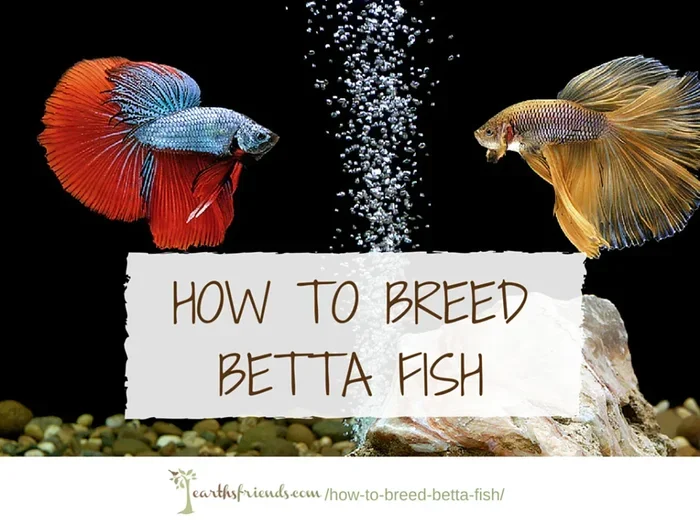
So, how can a betta fish have babies? It all starts with a healthy male and female pair, a proper tank setup, and the right conditions. Betta fish reproduce by the male building a bubble nest, the female laying eggs, and the male fertilizing and guarding them. Understanding each stage of betta fish breeding helps you raise healthy betta fry successfully.
Have you ever wondered how can a betta fish have babies? It is a fascinating process that surprises many fish keepers. Betta fish breeding involves a unique courtship dance, bubble nest building, and careful egg guarding. Whether you are a beginner or a seasoned aquarist, understanding this process helps you support healthy reproduction.
The journey from egg to free-swimming fry is delicate. Every stage needs the right conditions, proper nutrition, and a watchful eye. In this guide, we break down the entire betta fish reproduction process step by step. You will learn what happens before spawning, during mating, and after the eggs hatch.
We also cover common mistakes that cause breeding failures. And we share practical tips to give your betta fry the best chance of survival. By the end, you will feel confident about setting up a successful breeding tank.
Key Takeaways
- Betta fish need both a male and female to reproduce naturally through spawning.
- The male betta builds a bubble nest to house the fertilized eggs during the breeding process.
- Proper tank conditions like warm water and low current are essential for successful betta fish reproduction.
- Caring for betta fry requires separate tanks, tiny food, and close attention to water quality.
- Common breeding mistakes include overcrowding, stress, and ignoring water temperature needs.
- Knowing the signs of a pregnant betta fish helps you prepare for the spawning process.
- Patience and observation are key to raising healthy betta babies from egg to free-swimming fry.
📑 Table of Contents
Understanding Betta Fish Reproduction
Betta fish reproduction is a natural process that happens when conditions are right. Unlike mammals, bettas do not give live birth. Instead, they lay eggs that the male fertilizes and guards. Knowing how this works helps you create the best environment for breeding.
The Role of Male and Female Betta Fish
Both male and female bettas play important roles in breeding. The male builds the bubble nest and guards the eggs. The female produces the eggs and releases them during spawning. Without either fish, the process cannot happen naturally.
If you are planning to breed bettas, you need both a healthy male and a healthy female. You can learn more about keeping males and females together in our guide on Can You Have A Male And Female Betta Fish.
- Male Betta: Builds the bubble nest and fertilizes the eggs.
- Female Betta: Releases eggs during spawning.
- Both: Need to be healthy, mature, and well-fed before breeding.
It is important to note that betta fish cannot reproduce alone. A male cannot fertilize eggs without a female, and a female cannot produce viable eggs without a male to trigger the process. This is different from some other fish species that can self-fertilize.
Signs Your Betta Fish Is Ready to Breed
Before spawning happens, both fish show clear signs of readiness. The male starts building a bubble nest at the surface of the water. This nest looks like a cluster of tiny bubbles stuck together.
The female develops a visible egg spot near her ventral area. Her belly may also appear slightly rounder than usual. These are strong indicators that your fish are ready for betta fish breeding.
Make sure both fish are at least 4 to 6 months old. Younger fish may not be mature enough to reproduce successfully. Also, keep them in separate tanks until you are ready to introduce them for spawning.
How Betta Fish Mate and Spawn
The mating process in bettas is one of the most interesting behaviors in the fish world. It involves a courtship ritual, egg release, and fertilization. Understanding each step helps you support the process and avoid stress.
The Courtship Dance
When the male and female are introduced, the male begins flaring his fins and displaying vibrant colors. This is his way of attracting the female. The female responds by darkening in color and developing vertical stripes on her body.
The pair will circle each other and engage in a gentle wrestling-like behavior. This is normal and part of the bonding process. The male wraps his body around the female to stimulate egg release.
During this time, keep the tank lights dim and the environment calm. Stress can cause the female to release eggs too early or not at all. A peaceful setup leads to better results in betta fish breeding.
Egg Laying and Fertilization
Once the female is ready, she releases eggs while the male wraps around her. The male immediately fertilizes the eggs as they are released. This process may repeat several times over a few hours.
The fertilized eggs are tiny and translucent. They float to the surface where the male collects them and places them in the bubble nest. A single spawning session can produce anywhere from 30 to 100 eggs or more.
If you want to know how many babies you can expect, check out our article on how many babies do betta fish have for detailed numbers and what affects litter size.
The Bubble Nest: A Natural Nursery
The bubble nest is the centerpiece of successful betta fish reproduction. The male blows tiny bubbles from his mouth and sticks them together at the water surface. This nest holds the fertilized eggs safe and moist.
Bubble nests can vary in size and shape. Some are small and compact, while others spread across the surface. The male constantly tends to the nest, repairing any broken bubbles and collecting any fallen eggs.
A healthy bubble nest is a great sign that breeding went well. If the nest falls apart or the male ignores it, check your water conditions. Poor water quality can disrupt nest building and egg survival.
Caring for Betta Fry After Hatching
Once the eggs hatch, you enter the most critical phase of betta fish breeding. The male continues to guard the fry and collect any that fall from the nest. He will not eat during this time, so do not be alarmed if he stops feeding.
When and How Eggs Hatch
Betta fish eggs typically hatch within 24 to 48 hours. The fry stay attached to the bubble nest during this time. They absorb their yolk sac for nutrition during the first few days of life.
After the yolk sac is fully absorbed, the fry become free-swimming. This usually happens around day 3 or 4. At this point, the male should be removed from the tank. He may start eating the fry once they are free-swimming.
Feeding Your Betta Fry
Newly hatched fry need extremely small food. Infusoria or liquid fry food works well for the first week. As they grow, you can introduce baby brine shrimp and micro worms.
Feed the fry several small meals each day. Overfeeding can dirty the water quickly and harm the young fish. Remove any uneaten food after a few minutes to maintain clean water.
Here are some quick tips for feeding betta fry:
- Start with infusoria or commercial liquid fry food.
- Gradually introduce baby brine shrimp after the first week.
- Feed small amounts 3 to 4 times a day.
- Remove uneaten food to keep water quality high.
Setting Up a Fry Tank
A separate fry tank is essential for raising healthy betta babies. Use a small tank of 5 to 10 gallons with a sponge filter. Keep the water temperature between 78 and 80 degrees Fahrenheit.
Add a few floating plants or a spawning mop to give the fry hiding spots. The water should be clean and free of strong currents. A gentle filter or no filter at all works best for tiny fry.
Maintaining stable water conditions is the most important factor in fry survival. Test the water daily and perform small water changes of 10 to 20 percent every other day.
Common Mistakes in Betta Fish Breeding
Breeding bettas can be rewarding, but mistakes happen. Many beginner breeders lose eggs or fry due to simple oversights. Learning from these errors helps you succeed the first time around.
Skipping the Conditioning Phase
One of the biggest mistakes is not conditioning the breeding pair. Both the male and female need high-quality food for 1 to 2 weeks before breeding. This prepares their bodies for egg production and spawning.
Feed them live or frozen foods like bloodworms and brine shrimp. Good nutrition leads to healthier eggs and stronger fry. Skipping this step often results in low hatch rates or weak offspring.
Wrong Tank Conditions
Breeding requires specific water parameters. The temperature should be around 80 to 82 degrees Fahrenheit. The pH should be between 6.5 and 7.0. Water hardness should be soft to moderate.
Strong water currents can destroy the bubble nest and stress the fish. Use a gentle sponge filter or no filter at all during breeding. Also, keep the tank dimly lit to mimic their natural habitat.
Not Separating the Female After Spawning
After the female releases her eggs, she must be removed immediately. The male may become aggressive toward the female and could injure her. The male focuses all his energy on guarding the nest and eggs.
Leaving the female in the tank can also lead to her eating the eggs. This is a natural behavior when she feels stressed or threatened. Always have a separate recovery tank ready before you start breeding.
If you are new to fish keeping and want to understand more about betta behavior, read our article on Can Betta Fish Have Babies for a broader overview.
Expert Insights on Betta Fish Breeding Success
Experienced breeders agree that patience is the most important factor. Not every breeding attempt will be successful, and that is perfectly normal. Even seasoned aquarists lose spawns from time to time.
Key factors for breeding success include:
- Healthy, mature fish between 4 and 12 months old.
- Perfect water conditions with stable temperature and pH.
- A well-built bubble nest before introducing the pair.
- Quiet surroundings with minimal disturbances.
- Proper nutrition before, during, and after breeding.
Expert breeders also recommend keeping a log of each breeding attempt. Note the water parameters, the number of eggs, hatch rates, and fry survival. This data helps you improve your setup over time and troubleshoot problems.
Remember that female betta fish need special care during the breeding process. They produce eggs on a regular cycle, but frequent spawning can drain their health. Always give females time to recover between breeding sessions.
For more information on female betta fish and their reproductive health, visit our guide on Can Female Betta Fish Have Babies.
Conclusion
So, how can a betta fish have babies? Through a carefully orchestrated process involving courtship, bubble nest building, egg laying, fertilization, and fry care. Each stage requires the right conditions, proper nutrition, and attentive monitoring.
Breeding bettas is not difficult, but it does require preparation and patience. Start with healthy fish, set up the right tank environment, and be ready to separate the parents when needed. Your efforts will pay off with healthy, active fry that grow into beautiful adult bettas.
Whether you are breeding for fun or as a hobby, the experience is incredibly rewarding. Watch the bubble nest form, the eggs develop, and the tiny fry start swimming. It is one of the most fascinating aspects of fish keeping.
Now that you understand the full process, you are ready to start your own betta fish breeding journey. Take your time, learn from each spawn, and enjoy the process.
Frequently Asked Questions
Can a betta fish have babies without a male?
No, a female betta fish cannot produce viable babies without a male. The male is needed to fertilize the eggs and build the bubble nest that protects them. Without a male, the female may release eggs, but they will not be fertilized and will not hatch.
How long does the betta fish breeding process take?
The entire process from courtship to free-swimming fry takes about 2 to 4 weeks. The courtship and spawning happen within a few hours. The eggs hatch in 24 to 48 hours, and the fry become free-swimming around day 3 or 4. Raising the fry to a manageable size takes several more weeks.
How many babies do betta fish have in one spawn?
A single spawn can produce anywhere from 30 to 100 or more eggs. Not all eggs will hatch, and not all fry will survive to adulthood. The number of surviving fry depends on water conditions, nutrition, and the experience of the breeder. For detailed numbers, check out our article on how many babies do betta fish have.
Do male betta fish eat their own babies?
Male bettas do not eat their eggs, but they may eat free-swimming fry. This is why it is important to remove the male once the fry become free-swimming. The male guards the nest diligently but may view tiny fry as food once they move independently.
What should I feed betta fry?
Start with infusoria or liquid fry food for the first week. After that, introduce baby brine shrimp and micro worms. Feed small amounts 3 to 4 times a day. As the fry grow, you can gradually switch to crushed flakes and larger live foods.
Can I breed betta fish in a community tank?
No, breeding bettas in a community tank is not recommended. The male needs a quiet, controlled environment to build a bubble nest and guard the eggs. Other fish may eat the eggs or harass the breeding pair. Always use a separate breeding tank for the best results.