How Big of a Tank Does 1 Betta Fish Need
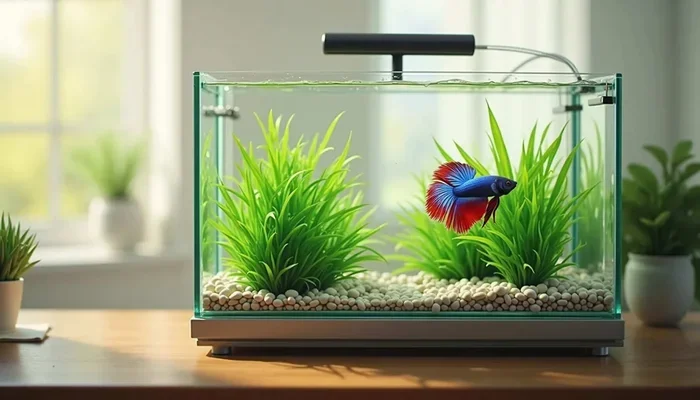
How big of a tank does 1 betta fish need? The answer is bigger than most people think. A single betta fish needs at least a 5-gallon tank to thrive, though larger is always better. Many beginners make the mistake of keeping their betta in a tiny bowl, which leads to health problems and a shortened lifespan. This guide covers the exact tank size, setup steps, and key tips to give your betta the best life possible.
This is a comprehensive guide about how big of a tank does 1 betta fish need.
Key Takeaways
- Minimum 5 gallons: A single betta fish needs at least a 5-gallon tank to stay healthy and active.
- Larger tanks are better: A 10-gallon tank gives your betta more swimming space and stable water conditions.
- Small bowls are harmful: Keeping a betta in a bowl under 1 gallon can cause stress, illness, and early death.
- Tank setup matters: Heater, filter, and proper decorations are essential for a betta’s well-being.
- Water quality is critical: Regular water changes and monitoring keep your betta tank safe and clean.
- Avoid common mistakes: Overcrowding, wrong tank shape, and skipping the cycle process harm your fish.
[FEATURED_IMAGE_PLACEHOLDER]
Finding the right home for your betta fish is one of the most important decisions you will make as a fish owner. Many people walk into a pet store and grab the smallest bowl they can find. They think a betta fish will be happy in a tiny space. The truth is very different. How big of a tank does 1 betta fish need? The answer might surprise you.
A betta fish is not a simple pet. It is a living creature with specific needs. Bettas come from warm, slow-moving waters in Southeast Asia. They need room to swim, explore, and feel safe. A proper tank does more than just hold water. It creates a healthy environment where your betta can truly thrive. In this article, we will walk through everything you need to know about choosing the right tank size, setting it up correctly, and avoiding the mistakes that hurt betta fish.
Whether you are a complete beginner or a hobbyist looking to improve your setup, this guide has you covered. We will break down the numbers, explain why tank size matters so much, and give you practical advice you can use right away. Let us dive in.
How Big of a Tank Does 1 Betta Fish Need
The short answer is at least 5 gallons. But the full answer is a bit more nuanced. The right tank size depends on several factors, including your betta’s age, activity level, and the environment you want to create.
Most pet stores sell betta fish in tiny cups or small containers. This is not a sign that bettas are happy in small spaces. It is simply a way for stores to display many fish in a limited area. A betta in a cup is like a person living in a closet. It works temporarily, but it is not a good long-term solution.
A 5-gallon tank is the absolute minimum for a single betta fish. This size gives your fish enough room to swim freely, explore different areas, and establish its own territory. It also allows you to install a heater and a gentle filter, which are both essential for betta health.
If you have the space, a 10-gallon tank is even better. A larger tank provides more stable water parameters. This means the temperature and chemical levels stay more consistent, which reduces stress on your fish. More space also means you can add plants, caves, and other decorations to make your betta feel at home.
Here is a quick look at tank size recommendations based on your situation:
- 1 gallon or less: Not recommended. Too small for long-term health.
- 3 gallons: Acceptable only in emergencies. Not ideal for permanent housing.
- 5 gallons: The minimum recommended size for a single betta fish.
- 10 gallons: The ideal size for a healthy, happy betta.
- 20 gallons or more: Great if you plan to add tank mates or create a planted setup.
When you ask yourself how big of a tank does 1 betta fish need, always lean toward the larger option. More space means a healthier, happier fish. You will also find it easier to maintain good water quality in a bigger tank because changes in parameters happen more slowly.
Why Tank Size Matters for Betta Fish
Tank size is not just about giving your fish room to swim. It directly affects water quality, temperature stability, and your betta’s overall well-being. A small tank has very little water volume, which means toxins like ammonia and nitrite can build up quickly. In a 5-gallon tank or larger, these harmful substances dilute more effectively, giving you more time to catch problems before they become dangerous.
Temperature stability is another big reason tank size matters. Bettas need warm water between 76 and 82 degrees Fahrenheit. A small tank heats up and cools down very fast, which can shock your fish. A larger tank holds heat more steadily, making it easier to maintain a consistent temperature with a heater.
Your betta also needs mental stimulation. In a tiny bowl, there is nothing to explore. A larger tank gives you room to add live plants, hiding spots, and open swimming areas. This creates a more natural and enriching environment. A stimulated betta fish is a happier and more active fish.
Many people also wonder about how much space does a betta fish really need. The answer is more than you might expect. Bettas are active swimmers. They like to move around, investigate their surroundings, and claim a territory. Giving them enough space to do this naturally is one of the best things you can do for their health.
What Happens If the Tank Is Too Small
Keeping a betta fish in a tank that is too small leads to a long list of problems. These issues can develop slowly, which is why many new fish owners do not realize the harm until it is too late.
One of the biggest dangers is ammonia poisoning. Fish waste and uneaten food break down into ammonia, which is toxic to fish. In a small tank, ammonia levels spike rapidly. A 5-gallon tank or larger gives the beneficial bacteria in your filter more room to work and keeps ammonia levels safer.
Stress is another serious concern. A betta in a cramped space feels trapped and vulnerable. Stressed fish are more likely to get sick, lose their vibrant colors, and stop eating. Common stress-related illnesses include fin rot, ich, and fungal infections.
Here are the most common problems caused by a tank that is too small:
- Rapid toxin buildup: Ammonia and nitrite levels spike quickly in small volumes of water.
- Temperature swings: Small tanks heat up and cool down too fast for your betta’s comfort.
- Lack of exercise: A betta with nowhere to swim becomes lethargic and overweight.
- Boredom and stress: A bare, tiny tank offers no mental stimulation.
- Shortened lifespan: Bettas in proper tanks can live 3 to 5 years. Those in bowls often die within months.
If you currently keep your betta in a small bowl or container, the best thing you can do is upgrade to a proper tank as soon as possible. Your fish will thank you with better health, brighter colors, and more energy.
How to Set Up the Perfect Tank for Your Betta
Now that you know the right tank size, let us talk about how to set it up properly. A good setup goes far beyond just filling a tank with water. Every detail matters when it comes to creating a safe and comfortable home for your betta.
Choosing the Right Tank
When selecting a tank, look for one that is at least 5 gallons. Rectangular tanks are the best choice because they offer more surface area at the top of the water. This surface area allows more oxygen to dissolve into the water, which your betta needs to breathe. Avoid tall, narrow tanks because they limit swimming space and reduce the surface area.
If you are new to fish keeping, consider setting up a fish tank for betta fish using a simple and proven method. Start with a 5 or 10-gallon rectangular tank, a gentle filter, a adjustable heater, and a thermometer. These four items form the foundation of a healthy betta habitat.
Adding the Right Equipment
Every betta tank needs a few key pieces of equipment. A heater keeps the water in the ideal temperature range of 76 to 82 degrees Fahrenheit. Bettas are tropical fish and cannot survive in cold water. A gentle filter keeps the water clean without creating too much flow. Bettas prefer slow-moving water because their long fins make it hard to swim against strong currents.
A thermometer is essential for monitoring the temperature. Place it near the heater but in a spot where you can easily read it. You should also consider adding a lid or hood. Bettas are known to jump, and a lid prevents your fish from leaping out of the tank.
Decorations and Plants
Decorations serve two purposes in a betta tank. They make the tank look beautiful, and they give your betta places to hide and explore. Live plants are the best option because they help maintain water quality and provide natural hiding spots. Silk plants are a good alternative if you are not ready for live plants. Avoid sharp plastic decorations that can tear your betta’s delicate fins.
Add a few caves, driftwood pieces, or coconut shells to create hiding spots. Your betta will appreciate having a private place to rest and feel safe. Just make sure there is still plenty of open swimming space left in the tank.
Cycling Your Tank
Before you add your betta to a new tank, you need to cycle it first. Cycling means building up beneficial bacteria that break down harmful toxins. This process takes about 2 to 4 weeks. You can speed it up using a bottled bacteria starter or by adding a small source of ammonia.
Do not skip this step. Adding your betta to an uncycled tank is one of the fastest ways to cause health problems. Test the water regularly during the cycling process. Once ammonia and nitrite levels read zero and nitrates are below 20 ppm, your tank is ready for your betta.
Common Mistakes to Avoid When Choosing a Betta Tank
Even with the best intentions, many betta owners make mistakes when setting up their fish tank. Knowing what to avoid can save you a lot of trouble and keep your betta healthy.
One of the biggest mistakes is choosing a tank that is too small. Some people think a 1-gallon bowl is enough because bettas are small fish. But bettas need more space than most people realize. Another common mistake is using a filter with too strong of a flow. Bettas struggle to swim against powerful currents, which causes stress and exhaustion.
Here are the most common mistakes to watch out for:
- Skipping the tank cycle: Never add your betta to a new tank without cycling it first.
- Using the wrong tank shape: Tall, narrow tanks limit swimming space and reduce oxygen exchange.
- Overcrowding: A single betta needs its own space. Do not add too many fish to one tank.
- Ignoring water changes: Even with a filter, you need to change 25 to 50 percent of the water weekly.
- Placing the tank in a bad spot: Keep your tank away from direct sunlight, drafts, and heat sources.
- Using cold water: Room temperature water is almost always too cold for a betta. Always use a heater.
By avoiding these common pitfalls, you set yourself up for success. A well-planned tank means a healthier betta and less work for you in the long run.
Final Thoughts on How Big of a Tank Does 1 Betta Fish Need
Giving your betta fish the right tank size is one of the most impactful things you can do for its health and happiness. A 5-gallon tank is the minimum, but a 10-gallon tank is the ideal choice for most single betta setups. The extra space gives your fish room to swim, helps maintain stable water conditions, and makes your tank easier to care for.
Remember that tank size is just one piece of the puzzle. Proper heating, gentle filtration, live plants, and regular water changes all work together to create the best possible home for your betta. Take the time to set up your tank correctly, and you will be rewarded with a vibrant, active fish that brings joy to your home for years to come.
If you are ready to start building the perfect home for your betta, focus on the tank size first. Get the foundation right, and everything else will fall into place. Your betta deserves a home that lets it live its best life, and now you have the knowledge to make that happen.
Frequently Asked Questions
Can a betta fish live in a 1-gallon tank?
A betta can survive in a 1-gallon tank, but it is not a good long-term home. A tank that small makes it very hard to maintain stable water quality and temperature. Your betta will be much healthier and happier in a 5-gallon tank or larger.
Is a 3-gallon tank big enough for one betta fish?
A 3-gallon tank is better than a bowl, but it is still too small for ideal living conditions. A 5-gallon tank is the recommended minimum. If you can only spare a 3-gallon tank, it can work temporarily, but plan to upgrade as soon as possible.
Do betta fish need a heater in their tank?
Yes, betta fish need a heater. They are tropical fish that require water temperatures between 76 and 82 degrees Fahrenheit. Without a heater, the water temperature can drop too low, which causes stress, illness, and a weakened immune system.
Can I keep my betta fish in a bowl without a filter?
You can keep a betta in a bowl without a filter, but it requires very frequent water changes to keep the water clean. A filter makes tank maintenance much easier and helps keep water quality stable. A 5-gallon tank with a gentle filter is the best setup for a betta.
How often should I clean a betta fish tank?
You should perform a 25 to 50 percent water change every week. You should also vacuum the gravel to remove waste and debris. A full tank cleaning is only needed every few weeks, depending on your tank size and filtration setup.
Can a tank be too big for a betta fish?
A tank that is too big is rarely a problem for bettas. In fact, larger tanks are easier to maintain because water parameters stay more stable. The only concern with a very large tank is making sure your betta can find the food you drop and that the filter current is not too strong.