User Safety safe
If you can you put betta fish and goldfish together? The short answer is usually no—their needs clash, and mixing them often leads to stress, disease, or death. This guide explores why they rarely thrive together and offers safer alternatives for a happy aquarium.
Opening Summary
If you can you put betta fish and goldfish together, the answer is rarely a good idea. Most hobbyists ask this because they love both species and want a dramatic display. In reality, bettas and goldfish have opposite temperature, oxygen, and behavior requirements. This article will show you exactly why mixing them is risky, what problems you may face, and what safer options exist for a thriving aquarium.
Introduction
Creating a beautiful home aquarium is exciting, but it also comes with responsibility. You want colorful fish that thrive, not stressed or sick pets. When you can you put betta fish and goldfish together, you must consider water chemistry, tank size, temperament, and long‑term health. This guide walks you through the science, common mistakes, and expert tips so you can make an informed decision. Whether you’re a beginner or a seasoned aquarist, you’ll learn how to keep both species healthy—or decide they belong in separate tanks.
H2: Can You Put Betta Fish and Goldfish Together? Understanding Their Nature
Betta Behavior Overview
Betta fish (Siamese fighting fish) are territorial and solitary by nature. They prefer warm water around 78‑82°F (26‑28°C) and low‑current environments. In the wild, they patrol a small area, flaring fins to show dominance. Their bright colors and long fins make them attractive, but they also make them prone to stress when sharing space with faster, more active fish.
Goldfish Behavior Overview
Goldfish thrive in cooler water, typically 65‑72°F (18‑22°C). They are social and active swimmers that constantly forage and explore. Goldfish grow larger—often 6‑12 inches—and need plenty of swimming room. Their body shape and feeding habits differ dramatically from bettas, making cohabitation challenging.
Natural Instincts and Territoriality
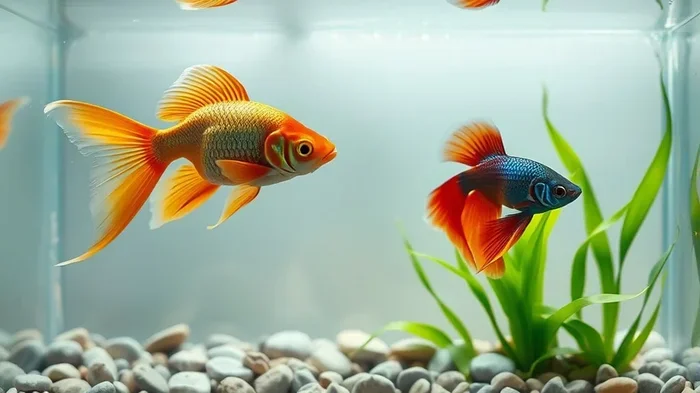
Because bettas are territorial, they may view a goldfish as an intruder. Goldfish, on the other hand, may nip at a betta’s fins out of curiosity or competition. The mismatch in activity levels can cause chronic stress for both species. Stress weakens the immune system, opening the door to diseases like ich or fin rot.
H2: Water Parameters and Environmental Needs
Temperature Requirements
Betta fish need warm, stable temperatures (78‑82°F). Goldfish prefer cooler conditions. If you try to balance both, you’ll have to maintain a compromise temperature that satisfies neither fully. This compromise can lead to lethargy, poor coloration, and increased susceptibility to illness.
pH Levels and Hardness
Bettas thrive in slightly acidic to neutral water (pH 6.5‑7.5). Goldfish tolerate a broader range but prefer neutral to slightly alkaline (pH 7.0‑8.0). Trying to keep both at the same pH can cause one species to experience constant adaptation stress.
Filtration and Oxygenation
Goldfish produce a lot of waste and need strong filtration and high oxygen levels. Bettas prefer gentle water flow. A robust filter may create currents that stress bettas, while weak filtration can poison goldfish. Finding a middle ground often means sacrificing ideal conditions for one or both fish.
H2: Tank Size and Space Considerations
Minimum Tank Dimensions
A betta can survive in a 5‑gallon tank, but a goldfish needs at least 20‑30 gallons, depending on the variety. Even a small goldfish will outgrow a betta’s territory quickly. Sharing a tank forces the betta into a cramped, over‑crowded environment.
Space for Swimming and Hiding
Goldfish need open swimming zones, while bettas appreciate plants, caves, and surface cover. In a shared tank, there is rarely enough space for both needs. The betta may be forced into the open, increasing predation risk, while the goldfish may lack hiding spots, causing anxiety.
H2: Compatibility Risks and Common Problems
Aggression and Stress
When you can you put betta fish and goldfish together, aggression is a top concern. The betta may become constantly on guard, flaring at the goldfish’s movements. This chronic stress can lead to suppressed immunity, faded colors, and fin deterioration.
Disease Transmission
Different species carry different parasites and bacteria. Goldfish can harbor Ichthyophthirius (ich) and other pathogens that bettas are less resistant to. In a mixed tank, a disease outbreak in one fish can quickly spread to the other, especially if their immune systems are already compromised by stress.
Competition for Food
Goldfish are bottom‑to‑mid‑water feeders that are quick to claim food. Betta fish are slower swimmers and may miss out on pellets or flakes. Over time, bettas can become under‑fed, leading to malnutrition and weakened health.
H2: Quick Tips for Mixed Species Tanks
Monitor Water Daily
Use a reliable test kit to track temperature, pH, ammonia, nitrite, and nitrate levels. Consistent monitoring helps catch problems early.
Provide Separate Feeding Areas
Use feeding rings or spot‑feed at different times. This ensures each fish gets enough nutrition without competition.
Observe Behavior Closely
If you notice fin nipping, excessive hiding, or loss of color, consider separating the fish immediately.
H2: Common Mistakes to Avoid
Assuming Size Means Compatibility
Just because a goldfish starts small doesn’t mean it will stay small. Planning for future growth is essential.
Ignoring Temperature Fluctuations
A heater alone may not be enough for goldfish, while a thermostat for goldfish may overheat betta water. Dual heating systems are complex and often impractical.
Overcrowding the Tank
Adding too many decorations to please one species can restrict swimming space for the other. Balance is key.
H2: Expert Insights on Cohabitation
Gradual Introduction Methods
If you still want to try a mixed tank, many experts recommend a slow acclimation process. However, most professionals advise against it because the fundamental needs are too different.
Health Monitoring
Regular water changes (20‑30% weekly) and consistent temperature checks are non‑negotiable. Any sign of illness should prompt immediate isolation of the affected fish.
Special Feeding Strategies
Use sinking pellets for goldfish and floating pellets for bettas. Some aquarists also offer live foods like brine shrimp, which both species can enjoy, but always quarantine live foods first.
H2: When It’s Safer to Keep Them Separate
Alternative Community Options for Bettas
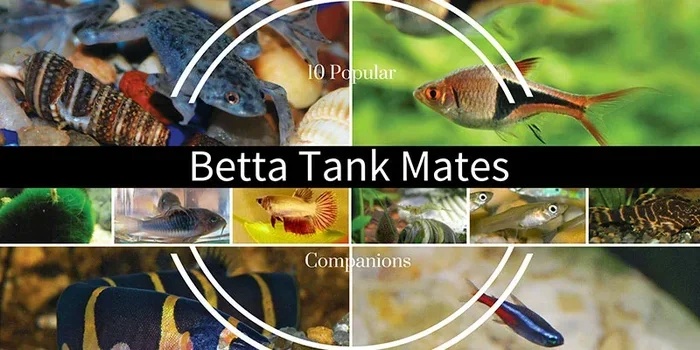
Betta fish can thrive with peaceful, cool‑water companions like neon tetras, harlequin rasboras, or certain snail species. These fish share similar temperature ranges and are less likely to trigger a betta’s defensive behavior.
Goldfish-Only Tank Benefits
Goldfish appreciate other goldfish or calm species like white cloud mountain minnows. A tank with compatible mates reduces stress and encourages natural schooling behavior.
H2: Comparison Table: Betta vs. Goldfish Needs
| Parameter | Betta Fish | Goldfish |
|---|---|---|
| Temperature | 78‑82°F (26‑28°C) | 65‑72°F (18‑22°C) |
| pH | 6.5‑7.5 | 7.0‑8.0 |
| Tank Size | 5+ gallons (minimum) | 20‑30+ gallons |
| Filtration | Gentle flow | Strong, high‑oxygen |
| Social Style | Solitary, territorial | Social, schooling |
| Typical Lifespan | 2‑5 years | 10‑20 years |
Conclusion
If you can you put betta fish and goldfish together, the short answer remains no for most hobbyists. Their temperature, pH, space, and behavior needs are fundamentally at odds. While a few extraordinary setups might temporarily house both species, the risk of stress, disease, and premature death is high. Instead, focus on creating an environment where each fish thrives—whether that means a warm, carefully decorated betta tank or a spacious, well‑filtered goldfish pond. By respecting the natural requirements of each species, you’ll enjoy a healthier aquarium and more peaceful fishkeeping experience.
Final Takeaway
Always prioritize the well‑being of your pets over aesthetic preferences. When in doubt, choose separate tanks or compatible tank mates. Your future self (and your fish) will thank you.
—
Key Takeaways
- Different Water Needs: Bettas prefer warm, low‑flow water; goldfish need cool, well‑oxygenated tanks.
- Size Matters: A betta’s small territory can’t accommodate a goldfish’s growth and swimming space.
- Behavior Conflicts: Aggressive bettas may bully or be stressed by active goldfish.
- Disease Risk: Different immune systems make cross‑contamination more likely.
- Feeding Challenges: Slower goldfish can outcompete bettas for food, leaving the latter hungry.
- Better Alternatives: Choose compatible tank mates or separate tanks for each species.
Frequently Asked Questions
Can betta fish and goldfish live together in the same tank?
No. Their temperature, pH, and space requirements are too different. Mixing them often leads to stress, disease, and early death for one or both species.
What are the main reasons they don’t mix well?
Bettas need warm, low‑flow water and are territorial, while goldfish need cooler, well‑oxygenated water and are active swimmers. These opposite needs cause constant stress and health problems.
Is it possible to create a tank that satisfies both species?
In theory, you could try a compromise temperature and filtration, but it usually means sacrificing ideal conditions for both fish. Most experts advise against it.
What tank size is recommended for a betta alone?
A minimum of 5 gallons is ideal, with gentle filtration and warm water. Adding plants and hiding spots helps reduce stress.
What tank size is recommended for a goldfish alone?
At least 20‑30 gallons for most varieties, with strong filtration, cooler temperatures, and plenty of swimming space.
Are there any fish that can safely share a betta’s tank?
Peaceful, cool‑water species like neon tetras, harlequin rasboras, or certain snails can coexist with bettas if temperature and water parameters are stable.