What Can Be in a Tank with a Betta Fish for Safe Care
Choosing what can be in a tank with a betta fish matters because the wrong companion can stress or hurt your betta. A calm, clean tank with the right size, filter, and gentle tank mates gives your betta the best chance to thrive. This guide walks you through safe fish, snails, shrimp, plants, water choices, and simple care tips. You will learn how to build a peaceful tank that keeps your betta active, healthy, and relaxed.
Key Takeaways
- Pick peaceful tank mates: Small, calm fish and gentle invertebrates work best with bettas.
- Start with enough space: A larger tank reduces stress and makes it easier to add companions.
- Use a gentle filter: Bettas prefer calm water, so a low-flow filter keeps the tank clean without pushing them around.
- Watch water quality closely: Regular water changes and safe water sources protect your betta from illness.
- Introduce new friends slowly: Adding tank mates gradually helps your betta adjust without fear.
- Avoid aggressive or fin-nipping species: Some fish will stress your betta or damage their fins.
- Test before you commit: Observe behavior closely during the first few weeks to catch problems early.
📑 Table of Contents
- What Can Be in a Tank with a Betta Fish for Safe Care
- Best Tank Mates for a Betta Fish
- Tank Size and Setup Matter
- Safe Water Choices for a Betta Tank
- Fish and Creatures to Avoid
- How to Introduce New Tank Mates
- Common Mistakes and Quick Care Tips
- Final Thoughts on What Can Be in a Tank with a Betta Fish
What Can Be in a Tank with a Betta Fish for Safe Care
Keeping a betta fish can be a joy, but many people wonder what can be in a tank with a betta fish without causing stress or trouble. Bettas are beautiful, but they also have strong personalities. Some bettas are calm and curious. Others are bold and territorial. That means the answer depends on your betta, your tank setup, and the kind of companions you choose.
The good news is that a betta can live with other creatures when the setup is right. You just need to match temperaments, give enough space, and keep the water clean. This guide breaks down safe options, tank size tips, water choices, and simple mistakes to avoid. You will also find practical steps that make it easier to build a peaceful community tank.
Best Tank Mates for a Betta Fish
When people ask what can be in a tank with a betta fish, the first thing to consider is temperament. Bettas usually do best with quiet, non-aggressive companions. Fast, flashy, or nippy fish can trigger chasing and stress. The safest tank mates are calm, small, and unlikely to compete for the same space.
Good options often include small schooling fish that stay in the upper or middle levels of the tank. These fish can help your betta feel less isolated without crowding the bottom area. You can also consider peaceful bottom dwellers that keep to themselves. The key is to avoid fish that look similar to bettas or that have long, flowing fins, since those traits can invite aggression.
Small Peaceful Fish
Small fish with simple shapes and calm behavior are often the safest choice. Look for fish that do not chase, nip, or show off aggressively. A small school of gentle fish can make the tank feel more active while still leaving your betta room to rest.
Bottom Dwellers
Some bottom-dwelling fish can work well if they are peaceful and stay out of the betta’s way. They usually spend their time scavenging or hiding, which means they rarely bother a betta. Still, you should watch for any signs of harassment, especially in smaller tanks.
Invertebrates and Cleanup Crew Options
Many betta owners also ask can you put a tank cleaning fish in with betta companions, or whether snails and shrimp are safe. Snails are often a good fit because they move slowly and do not threaten a betta. Shrimp can also work in some tanks, but bettas may view them as food. If you want shrimp, choose a tank with plenty of hiding spots and add them carefully.
If you want to explore more options, it helps to read about can snails go in a tank with betta fish and other gentle companions. The right choice depends on your betta’s personality as much as the species itself.
Tank Size and Setup Matter
A common mistake is trying to add too many companions in a small tank. When people wonder what can be in a tank with a betta fish, tank size is often the hidden factor. A cramped tank increases stress, spreads waste faster, and leaves little room for hiding places. That can make even peaceful tank mates feel threatening.
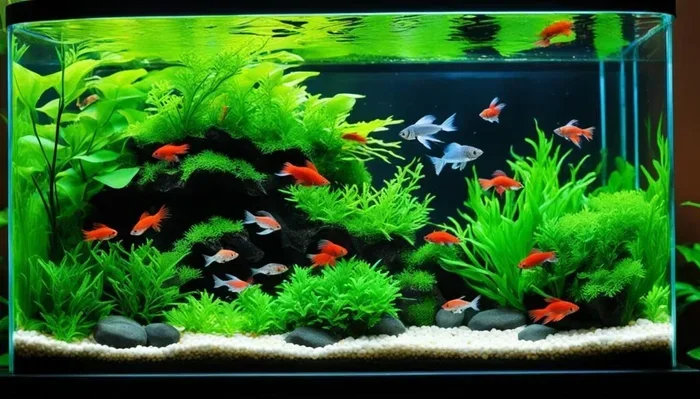
A larger tank gives your betta more territory and makes the water easier to manage. It also lets you create zones, like open swimming areas, planted sections, and quiet corners. Those zones help tank mates avoid conflict and give your betta a place to retreat.
Why Space Affects Behavior
Bettas often claim part of the tank as their own. If the tank is too small, every visitor may seem like an intruder. Extra space lowers tension and helps each creature establish its own routine. It also gives you more flexibility when choosing companions.
Filtration and Water Flow
A good filter keeps the tank healthier, but strong flow can bother a betta. Bettas are not built for rushing water. They prefer calm conditions. If you are wondering can you use a filter in a betta fish tank, the answer is usually yes, as long as the current is gentle. You can reduce flow by adjusting the output or using a spray bar.
If you want more detail on filtration, you may find it useful to review can you use a filter in a betta fish tank for setup ideas that keep water clean without stressing your fish.
Plants, Decor, and Hiding Places
Live plants and smooth decorations help create a calmer tank. They break up sightlines, which can reduce chasing. They also give smaller tank mates places to hide. Just make sure decorations have no sharp edges that could tear fins.
Safe Water Choices for a Betta Tank
Water quality plays a huge role in whether a betta can live peacefully with other creatures. Poor water can weaken your betta’s health and make it more irritable. That is why many owners also ask what can be in a tank with a betta fish when they are really asking about the whole environment, not just the tank mates.
The safest water is clean, dechlorinated, and stable. Tap water can work if it is treated properly. Some people prefer bottled or purified water, but that is not always necessary. What matters most is removing harmful chlorine and chloramine, then matching the temperature and parameters your betta needs.
Tap Water and Treatment
Tap water is often the easiest option, but it should not go straight into the tank untreated. A proper water conditioner can neutralize chlorine and make the water safer. If you want to know can you use tap water in a betta fish tank, the answer is usually yes when you treat it correctly.
If you are curious about other water sources, you can also read can you put sink water in a betta fish tank to understand how different water sources compare.
Bottled, Distilled, and Purified Water
Some owners consider bottled or distilled water because it seems pure. That can be helpful in certain situations, but it is not always the best default choice. Distilled water may lack beneficial minerals, and bottled water can vary in composition. If you are deciding between options, it helps to compare them carefully.
For example, you might look at can you put bottled water in a betta fish tank and can you put distilled water in a betta fish tank to see which approach fits your setup.
Temperature and Stability
Bettas prefer warm, stable water. Sudden swings can stress them and make them more likely to act aggressively. Keep the temperature steady, and avoid placing the tank in drafty spots or direct sunlight. Stability matters just as much as the water source itself.
Fish and Creatures to Avoid
Not every companion is safe, even if it looks harmless in a store tank. Some fish are too active, too bold, or too likely to nip fins. Others grow too large or create too much competition for food and space. If you are asking what can be in a tank with a betta fish, it is just as important to know what should stay out.
Aggressive fish are an obvious problem, but so are species that chase or flare easily. Fish with bright colors and flowing fins can sometimes trigger a betta’s territorial instincts. Very small shrimp may also disappear quickly if your betta sees them as snacks. Even some peaceful species can cause trouble if the tank is too small or the decoration layout offers no escape routes.
Goldfish and Similar Species
Goldfish are often suggested by beginners, but they are usually not a good match. They have different temperature needs and produce a lot of waste. They can also grow large and crowd a tank quickly. If you want to understand why this pairing is risky, it helps to read can betta fish be in a tank with goldfish before making a decision.
Fin-Nippers and Fast Chase-Prone Fish
Fish that nip fins can cause serious stress and injury. Even if they are not aggressive in the traditional sense, constant nibbling can wear down a betta’s fins and make it hide more often. Fast, boisterous tank mates can also keep your betta from resting.
Overcrowding Risks
Sometimes the problem is not the species but the number of animals in the tank. Too many fish can lead to poor water quality, more competition, and more conflict. If you are considering more than one companion, make sure the tank is large enough and the filtration can handle the extra load.
How to Introduce New Tank Mates
Adding new companions is not something you should rush. A careful introduction gives your betta time to adjust and gives you a chance to spot problems early. If you are wondering what can be in a tank with a betta fish, the introduction process is a big part of the answer.
Start by making sure the tank is ready. The water should be cycled, stable, and free of harmful spikes. Then add the new tank mates slowly, preferably one at a time or in small groups. Watch your betta’s reaction closely during the first few days. Some curiosity is normal. Constant flaring, chasing, or hiding is not.
Quarantine New Arrivals
Before adding anything to the main tank, it is smart to keep new fish or invertebrates separate for a short time. This helps reduce the risk of bringing in disease or parasites. It also gives you time to observe their behavior in a calmer setting.
Watch Body Language
Bettas communicate a lot through posture. Flaring gills, broadside displays, and repeated chasing can mean stress or territorial behavior. On the other hand, calm swimming, relaxed fins, and occasional curiosity are better signs. If aggression continues, you may need to separate the animals or rethink the pairing.
Give Them Time to Adjust
New tank mates can change the balance of the tank. Your betta may need a few days to settle into the new routine. Try not to make too many changes at once. Keep feeding, lighting, and maintenance consistent while everyone adjusts.
Common Mistakes and Quick Care Tips
Even with the best intentions, it is easy to make a few mistakes when building a community tank. The good news is that most of them are simple to avoid once you know what to watch for. Here are some common problems and practical tips to keep your betta healthy.
Mistake: Starting With a Tank That Is Too Small
A tiny tank may look cute, but it can make life harder for a betta and any tank mates. Waste builds up faster, space disappears quickly, and stress rises. A larger tank usually gives you more control and a calmer environment.
Mistake: Ignoring Water Maintenance
A beautiful tank still needs regular care. Uneaten food, waste, and decaying plant matter can lower water quality. Regular water changes, careful feeding, and consistent testing help prevent problems before they start.
Mistake: Choosing Tank Mates Based on Looks Alone
Colorful fish can be tempting, but appearance is not the best guide. Behavior matters more. A quiet, plain fish may be a much better match than a flashy one that chases or bickers.
Mistake: Adding Too Many Friends at Once
A sudden crowd can overwhelm a betta. It can also throw off the tank’s balance. Add companions gradually so you can observe how the tank responds.
Quick Care Tips
- Keep the water warm, clean, and stable.
- Use gentle filtration and avoid strong currents.
- Provide plants and decorations for hiding spots.
- Feed appropriate amounts and remove leftovers.
- Watch behavior daily, especially after adding new animals.
- Separate animals if aggression becomes constant.
If you want a broader view of community setups, you can also check can betta fish be kept in a community tank for more context on how bettas fit into shared environments.
Final Thoughts on What Can Be in a Tank with a Betta Fish
So, what can be in a tank with a betta fish? The safest answer is simple: calm, compatible companions in a clean, spacious tank with stable water and gentle filtration. Bettas can share their home with the right fish, snails, or shrimp, but only when the setup supports their needs. Personality matters, space matters, and water quality matters just as much as species choice.
If you take your time, observe carefully, and avoid common mistakes, you can build a tank that feels peaceful and lively at the same time. Your betta does not need a crowded tank or a risky companion. It needs a safe environment where it can swim, rest, and behave naturally. With the right planning, your tank can be a healthy home for your betta and the friends you choose to add.
Frequently Asked Questions
What can be in a tank with a betta fish safely?
Safe options usually include small, peaceful fish, certain snails, and some shrimp when the tank has enough space and hiding places. The best choice depends on your betta’s temperament and the tank setup. Always observe behavior after adding new companions.
Can betta fish live with other fish in the same tank?
Yes, bettas can live with other fish if the tank is large enough and the companions are calm and non-aggressive. Fast or fin-nipping fish should be avoided. It is best to introduce new fish slowly and watch for signs of stress.
What size tank is best for a betta with tank mates?
A larger tank is usually better because it gives the betta more space and helps keep water quality stable. Small tanks can become stressful when more than one creature is added. More space also makes it easier to create hiding spots and reduce conflict.
Can snails or shrimp live with a betta fish?
Snails are often a good choice because they are slow and usually peaceful. Shrimp can work in some tanks, but bettas may see them as food. Adding plants and decorations for hiding places improves the chances of success.
What water should I use in a betta tank with other fish?
Clean, treated water that is safe for fish is the best choice. Tap water can work well when it is properly conditioned. The most important thing is to remove harmful chemicals and keep the temperature and water parameters stable.
How do I know if my betta is stressed by tank mates?
Signs of stress can include constant hiding, faded color, clamped fins, loss of appetite, or repeated chasing and flaring. If these signs continue, the tank mates may not be a good match. Separating the animals and reviewing the setup can help.