How Often Should You Change Your Betta Fish Water for Health
Proper water maintenance is the single most important part of caring for your pet. You need to know how often should you change your betta fish water to prevent disease and stress. This guide covers the ideal schedule, water types, and safety tips. Read on to keep your fish thriving in a clean environment.
Key Takeaways
- Weekly Changes: Small water changes of 20-30% every week are ideal for most tanks.
- Tank Size Matters: Smaller bowls need more frequent changes than larger filtered tanks.
- Water Safety: Always treat tap water with a conditioner to remove harmful chlorine.
- Watch for Signs: Cloudy water or algae growth means you need to clean sooner.
- Avoid Shock: Match the new water temperature to the tank water before adding it.
- Consistency is Key: Regular maintenance prevents toxic ammonia buildup effectively.
- Test Regularly: Use water test kits to monitor ammonia and nitrate levels.
📑 Table of Contents
Understanding Betta Fish Water Needs
Betta fish are beautiful pets. They need clean water to survive. Many owners ask how often should you change your betta fish water. The answer depends on your specific setup. A clean tank means a happy fish. Dirty water causes stress and sickness. You want your betta to live a long life.
Water quality affects everything. It impacts their color and energy. Poor water leads to fin rot. It can also cause fatal diseases. You must understand the basics. This knowledge helps you make good choices. Let us dive into the details.
The Nitrogen Cycle Basics
Fish waste creates ammonia. Ammonia is very toxic. Beneficial bacteria break it down. They turn ammonia into nitrites. Then they turn nitrites into nitrates. Nitrates are less harmful. But they still build up over time. Water changes remove these nitrates. This keeps the cycle balanced.
New tanks need special care. The bacteria colony is small. You might need more frequent changes. Established tanks are more stable. You can follow a standard schedule. Testing your water helps you know. You can buy simple test kits. They show you the exact levels.
How Often Should You Change Your Betta Fish Water
This is the big question. The general rule is weekly. You should change about twenty-five percent of the water. This removes waste without shocking the fish. Sudden changes stress bettas. They prefer stable environments. Consistency matters more than perfection.
Some situations need more attention. If you have a small bowl, change water twice a week. Small volumes get dirty fast. Filters help keep water clean. They reduce the workload for you. But filters do not remove everything. You still need to do partial changes.
Factors That Influence Frequency
Several things change the schedule. Tank size is the biggest factor. Larger tanks hold water better. They dilute waste more effectively. Feeding habits also matter. Overfeeding creates more waste. Uneaten food rots in the tank. This spikes ammonia levels quickly.
The number of fish matters too. A single betta is easier to manage. Adding tank mates increases waste. Plants can help absorb nitrates. But they are not a cure-all. You still need to change the water. Live plants are a great addition. They improve overall water quality.
Signs You Need to Change Water Sooner
Watch your tank closely. Clear water is a good sign. Cloudy water means trouble. Algae growth is another warning. If the water smells bad, act fast. Your fish behavior tells a story. Lethargy or hiding indicates stress. Gasping at the surface is serious.
Test strips give you data. High nitrate levels mean it is time. Anything over twenty0 ppm is too high. Ammonia should always be zero. Nitrites should also be zero. If you see these spikes, clean immediately. Do not wait for the weekly schedule.
Preparing New Water Safely
You cannot just add tap water. Tap water contains chlorine. Chlorine kills fish and bacteria. You must treat the water first. Use a good water conditioner. This neutralizes harmful chemicals. It makes the water safe instantly.
Temperature is also critical. Cold water shocks the fish. Hot water burns them. Match the new water to the tank. Use a thermometer for accuracy. Betta fish like warm water. Keep it between seventy-eight and eighty degrees. Consistency prevents thermal shock.
Choosing the Right Water Type
Tap water is usually fine. You just need to condition it. Some people prefer bottled water. But not all bottled water is safe. Distilled water lacks minerals. Your fish need some minerals. Spring water can work well. It often has a good pH balance.
You might wonder about other sources. Can you use well water for a betta fish? Well water varies by location. It might have high minerals. You should test it first. Can you use Brita water for betta fish? Filtered water is often safer. It removes some contaminants. But check the mineral content.
There are many options to consider. Can you use reverse osmosis water for betta fish? RO water is very pure. It lacks essential minerals. You must remineralize it. This adds extra steps to your routine. Can you use spring or distilled water for betta fish? Distilled is too pure. Spring is usually a better choice. Always test pH levels.
The Water Change Process Step-by-Step
Preparation makes the job easy. Gather your supplies first. You need a bucket and siphon. Get your water conditioner too. Have a thermometer ready. Wash your hands before starting. Avoid using soap on equipment. Soap residues harm fish.
Start by turning off equipment. Heaters and filters need protection. Unplug them safely. This prevents damage during the change. It also saves energy. Now you are ready to begin.
Removing the Old Water
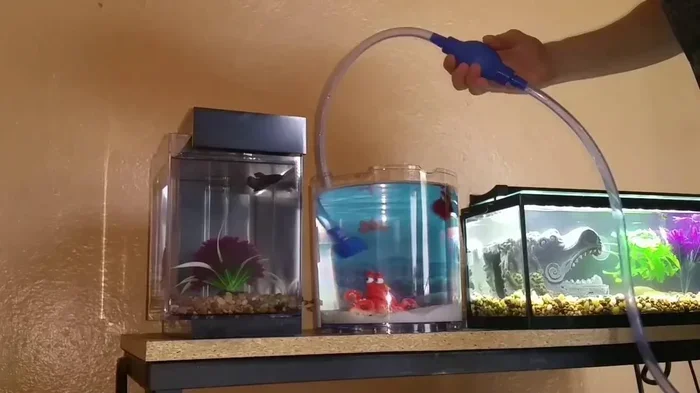
Use a gravel vacuum. This cleans the substrate. Waste hides in the gravel. Siphon out the old water. Remove about twenty-five percent. Do not remove all the water. This disrupts the beneficial bacteria. Keep some of the old water.
Clean the decorations gently. Algae might grow on them. Use a soft brush or sponge. Do not use chemicals. Rinse everything in the old tank water. This preserves the good bacteria. Put the decorations back carefully.
Adding the New Water
Pour the new water slowly. Do not splash directly on the fish. This causes stress. Aim for the glass or a plate. Let the water settle. Turn your equipment back on. Check the temperature again. Ensure the filter is running.
Observe your fish for a moment. They should swim normally. If they look stressed, give them time. Dim the lights for an hour. This helps them relax. You have completed the change successfully.
Common Mistakes to Avoid
Many owners make errors. These mistakes can hurt your pet. Avoid changing all the water at once. This resets the nitrogen cycle. It shocks the fish severely. Partial changes are always safer. Stick to the twenty-five percent rule.
Another mistake is ignoring temperature. Cold water lowers their immune system. They become prone to illness. Always match the temperatures. Use a reliable heater. Check it regularly. Equipment can fail without warning.
Overcleaning the Tank
Cleanliness is good. But too much cleaning is bad. You need beneficial bacteria. They live on surfaces. Scrubbing everything kills them. This leads to ammonia spikes. Clean only what is necessary. Focus on waste removal.
Do not replace filter media too often. Rinse it in old tank water. This keeps the bacteria alive. Replace it only when damaged. Media lasts a long time. Save your money and your fish.
Using Unsafe Water Sources
Some water sources are risky. Can you put betta fish in cold water? No, they need warmth. Cold water slows their metabolism. It makes them sick. Can you put betta fish in drinking water? Drinking water often has chlorine. You must treat it first.
Can you put betta fish in regular water? Regular tap water needs conditioning. Can you put betta fish in bottled water? Some bottled water works. Others lack minerals. Check the label. Can you put betta fish in airated water? Aeration is good. But ensure the water is treated.
Be careful with well water. Can you put a betta fish in well water? Test it for contaminants. Heavy metals are dangerous. Can you put a betta fish in spring water? Spring water is usually safe. It mimics natural conditions. Just check the pH.
Maintaining Long-Term Water Quality
Routine is your best friend. Set a day for water changes. Mark it on your calendar. Consistency builds a stable environment. Your fish will thrive. You will see brighter colors. They will be more active too.
Invest in good test kits. Liquid tests are more accurate. Strips are convenient but less precise. Test weekly if possible. This tells you when to clean. You might not need to change every week. Let the data guide you.
Feeding and Waste Management
Feed your fish properly. Overfeeding creates excess waste. Give them small amounts. They should eat it in minutes. Remove uneaten food quickly. Rotting food pollutes the water. This reduces the need for changes.
Healthy fish produce less waste. A good diet matters. Use high-quality pellets. Occasionally give them treats. Frozen bloodworms are a great option. Variety keeps them interested. It also boosts their health.
Expert Insights on Water Changes
Experts agree on partial changes. Full changes are rarely needed. Unless there is a disease outbreak. Even then, be careful. Medications might require more changes. Follow the vet instructions.
Plants help maintain quality. Live plants absorb nitrates. They act as natural filters. Java fern is easy to grow. Anubias is another good choice. They need low light. This suits betta tanks well.
Conclusion
Knowing how often should you change your betta fish water is vital. It ensures a healthy life for your pet. Weekly changes of twenty-five percent work well. Adjust based on your tank size. Always treat new water with conditioner. Match the temperature to avoid shock.
Watch for signs of poor quality. Cloudy water or algae means action. Test your water regularly. Avoid common mistakes like overcleaning. Your betta will thank you. A clean tank is a happy home. Start your routine today.
Frequently Asked Questions
How much water should I change each time?
You should change about twenty-five percent of the water. This removes waste without shocking your fish. Smaller bowls may need larger changes.
Can I use tap water for my betta fish?
Yes, but you must treat it first. Tap water contains chlorine that harms fish. Use a water conditioner to make it safe.
What happens if I don’t change the water?
Toxins like ammonia will build up. This causes stress and disease. Your fish may become lethargic or die.
Do I need to remove my fish during water changes?
No, you can leave them in the tank. Removing them causes unnecessary stress. Just be gentle when siphoning water.
How do I know if the water is safe?
Use a water test kit to check levels. Ammonia and nitrites should be zero. Nitrates should be below twenty0 ppm.
Can I change all the water at once?
No, this resets the nitrogen cycle. It shocks the fish and kills beneficial bacteria. Stick to partial water changes.