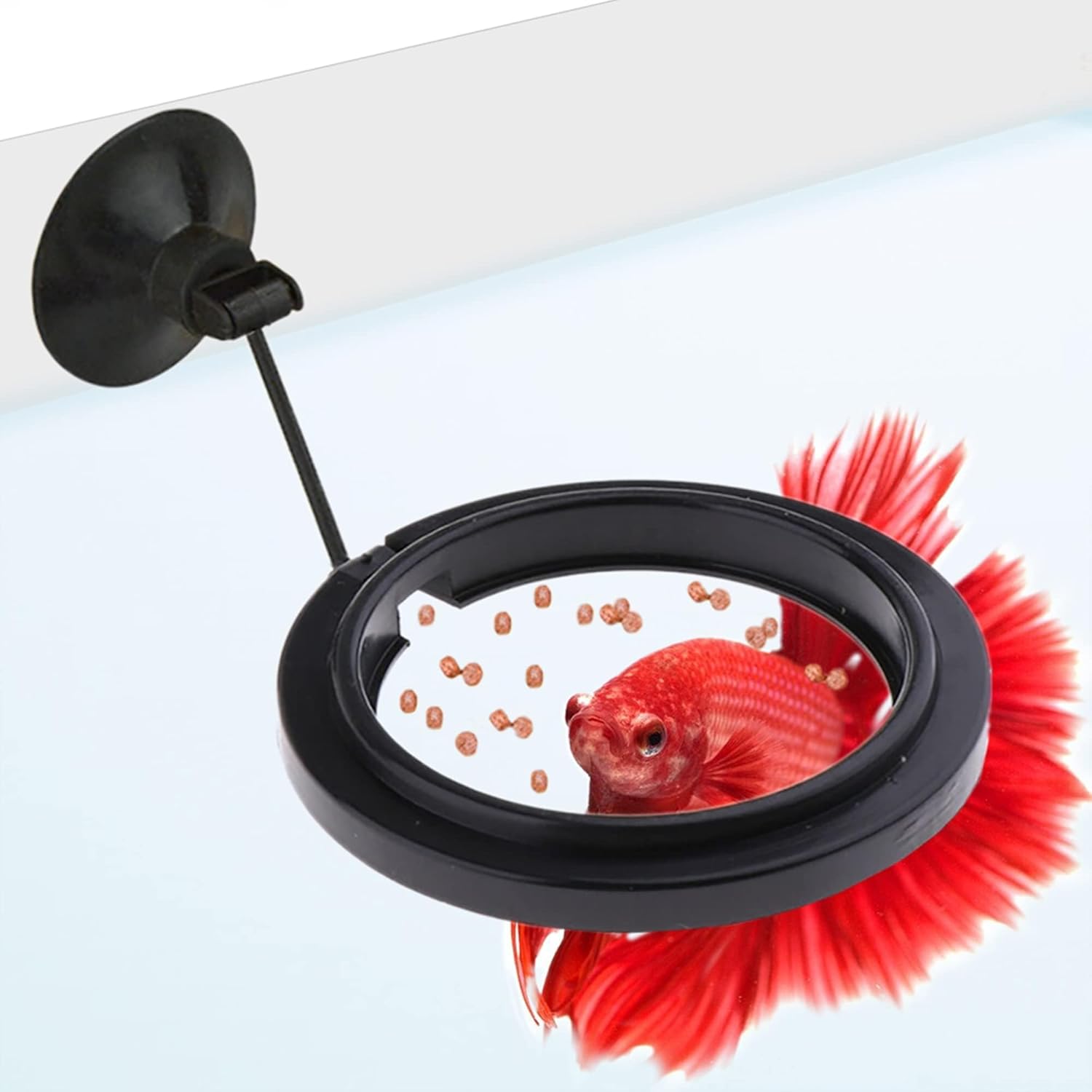
how often do you feed a betta fish flakes for best health

Feeding your betta fish the right way keeps them healthy and active. Most owners wonder how often do you feed a betta fish flakes without causing harm. The simple answer is twice a day with small portions. This guide covers everything you need to know about flake feeding schedules.
Key Takeaways
- Feeding Frequency: Feed your betta fish flakes twice daily for optimal health and energy.
- Portion Control: Only give them what they can eat in two minutes to prevent overfeeding.
- Fasting Days: Skip feeding one day a week to help their digestion rest.
- Water Quality: Remove uneaten flakes quickly to keep the tank clean and safe.
- Dietary Variety: Mix flakes with other foods like pellets or frozen treats for balanced nutrition.
- Observation: Watch your fish closely to adjust feeding based on their appetite and behavior.
- Age Matters: Baby bettas need more frequent meals than adult fish.
📑 Table of Contents
Understanding How Often Do You Feed A Betta Fish Flakes
Betta fish are beautiful pets. They bring color and life to any room. But caring for them takes knowledge. One big question new owners ask is about food. Specifically, how often do you feed a betta fish flakes matters a lot. Getting this right helps your fish live longer. It also keeps their colors bright.
Flakes are a common choice for many aquarists. They are easy to find. They are also affordable. But flakes are not the only food option. You need to know the right schedule. Feeding too much causes health problems. Feeding too little makes your fish weak. Balance is the key to success.
This article breaks down everything you need to know. We will look at daily schedules. We will talk about portion sizes. We will also cover what happens if you make mistakes. By the end, you will feel confident. You will know exactly how to care for your pet.
The Ideal Daily Feeding Schedule
Consistency helps your fish feel safe. Fish thrive on routine. You should try to feed them at the same time each day. This helps their bodies adjust. It also helps you remember the task. How often do you feed a betta fish flakes depends on their age and size.
Adult Betta Fish Routine
Adult bettas need less food than babies. Their metabolism slows down as they grow. A good rule is to feed them twice a day. Morning and evening works best. Give them only a few flakes each time. They should finish the food in two minutes. If food sinks to the bottom, you gave too much.
Overfeeding is a common mistake. It leads to bloating and dirty water. Dirty water causes stress. Stress makes fish sick. So, stick to small amounts. Your fish will stay healthy and active.
Baby Betta Fish Needs
Young bettas grow fast. They need more energy. You might need to feed them three times a day. Small portions are still important. Their stomachs are very tiny. Think of the size of their eye. That is roughly how much they should eat per meal.
As they get bigger, you can reduce the meals. Watch their growth closely. Adjust the schedule as needed. This ensures they develop strong bodies.
Portion Sizes and Flake Quantity
Knowing the schedule is only half the battle. You also need to know how much to give. Flakes come in different sizes. Some are large and some are small. You might need to break them apart. How often do you feed a betta fish flakes also depends on the flake size.
Visual Cues for Portions
Use your eyes to judge the amount. A good estimate is two to three flakes per meal. This might seem very small. But bettas have tiny stomachs. Their stomach is about the size of their eye. Do not ignore this rule.
If you have a community tank, adjust accordingly. More fish mean more food. But do not overcrowd the tank. Overcrowding causes stress and poor water quality. Keep the environment calm for everyone.
Signs of Overfeeding
Watch your fish after meals. If they look bloated, you gave too much. Bloating looks like a swollen belly. It can be dangerous. It causes swim bladder issues. This makes it hard for them to swim.
Uneaten food is another sign. If flakes sit on the gravel, remove them. Use a net or a siphon. Leftover food rots quickly. Rotting food produces ammonia. Ammonia harms your fish. Clean water is vital for survival.
Why Fasting Days Are Important
Rest is good for all living things. Your betta fish needs a break too. Giving them a fasting day helps their digestion. It clears out their system. This prevents constipation and bloating. How often do you feed a betta fish flakes includes knowing when to stop.
Choosing a Fasting Day
Pick one day a week to skip meals. Sunday is a popular choice. It is easy to remember. On this day, do not put any food in the tank. Your fish will be fine. They can go several days without food in the wild.
Fasting also helps water quality. No food means no waste. This keeps the tank cleaner for longer. It reduces the work you need to do. Your filter will not get clogged as fast. This saves you time and effort.
What If Your Fish Looks Hungry?
Fish often look hungry even when they are full. They do not know when to stop. It is your job to say no. Do not give in to their begging. Sticking to the schedule protects their health. Trust the process.
If you worry, watch their behavior. Active fish are usually healthy. Lethargic fish might need a vet. But usually, skipping a meal is safe. It is actually very beneficial for them.
Mixing Flakes with Other Foods
Variety is good for nutrition. Flakes are great, but they should not be the only thing. Different foods offer different nutrients. This keeps your fish strong. It also keeps them interested in eating. How often do you feed a betta fish flakes can change with variety.
Adding Pellets to the Diet
Pellets are another popular option. They sink slower than some flakes. They are also dense in nutrients. You can alternate between flakes and pellets. This prevents boredom. It also ensures a balanced diet.
Some owners prefer pellets for convenience. They create less mess. But flakes are easier for small fish. You can mix both in the same meal. Just watch the total amount. Do not exceed the recommended portion size.
Treats and Supplements
Treats add fun to feeding time. Frozen bloodworms are a great choice. Brine shrimp is another good option. These are high in protein. Give them only once or twice a week. Too much protein can cause issues.
Vegetables are rarely needed. Bettas are carnivores. They eat meat in the wild. But some owners try peas for digestion. This is usually for constipation. Stick to meat-based treats mostly. Your fish will love the change.
Common Mistakes to Avoid
Even experienced owners make errors. Knowing these pitfalls helps you avoid them. Your fish depend on you for care. Mistakes can lead to sickness or death. Let us look at the big ones. How often do you feed a betta fish flakes is often misunderstood.
Feeding Too Frequently
Some people feed their fish constantly. They think the fish are always hungry. This is not true. Constant feeding causes obesity. It also pollutes the water fast. Stick to the twice-a-day rule. Your fish will be healthier.
If you travel, do not worry. Fish can survive a few days without food. You can use an automatic feeder. Or ask a friend to help. Just ensure they do not overfeed while you are away. Clear instructions are key.
Ignoring Water Conditions
Food affects water quality. Uneaten flakes decay quickly. This raises ammonia levels. High ammonia burns fish gills. It also stresses their immune system. Always remove leftovers after feeding.
Regular water changes are also needed. Change about twenty-five percent weekly. This keeps the environment safe. Clean water supports good health. It works with your feeding schedule. Both are important for care.
Using the Wrong Food Type
Not all flakes are the same. Some are for tropical fish generally. Others are made for bettas. Betta-specific flakes have more protein. They match their natural diet better. Generic flakes might lack nutrients.
Check the label before buying. Look for high protein content. Avoid fillers like wheat or corn. These offer little value. Your fish need quality fuel. It shows in their color and energy.
Expert Insights on Betta Care
Experts agree on consistency. They say routine builds trust. Fish learn when to expect food. This reduces stress during feeding times. How often do you feed a betta fish flakes is a question experts answer clearly.
Observation Is Key
Watch your fish every day. Look for changes in behavior. Active fish are happy fish. Hiding fish might be sick. Changes in appetite signal problems. If they stop eating, check the water.
Also watch their fins. Fins should look full and bright. Clamped fins show stress. Stress comes from many sources. Food is one of them. Proper feeding reduces stress significantly.
Long-Term Health Benefits
Good feeding habits extend life. Bettas can live up to five years. Some even live longer with care. Proper nutrition supports their immune system. It helps them fight off disease.
Healthy fish are more colorful. Their fins grow longer. They swim with more energy. All this comes from good care. You play a big role in their life. Make it a good one.
Quick Tips for Success
Here are some fast tips to remember. Keep them handy for daily care. They simplify the process for you.
- Stick to a Schedule: Feed at the same times daily.
- Watch the Belly: Stop if the fish looks bloated.
- Clean Up: Remove uneaten flakes immediately.
- Vary the Diet: Mix flakes with pellets or treats.
- Fast Weekly: Skip one day of feeding per week.
- Check Water: Test ammonia levels regularly.
- Observe Behavior: Note any changes in activity.
Conclusion
Caring for a betta fish is rewarding. It brings joy to your home. But it requires attention to detail. How often do you feed a betta fish flakes is a critical part of that care. Stick to twice a day for adults. Give small portions they can finish quickly.
Remember to include fasting days. This helps their digestion rest. Mix up their diet for better health. Watch for signs of overfeeding or sickness. Clean water is just as important as food. With these tips, your betta will thrive.
You now have the knowledge to succeed. Your fish will thank you with vibrant colors. They will swim happily in their tank. Enjoy your time with your beautiful pet. Proper care makes all the difference.