What Fishes Can Live With Bettas Best Tank Mates

Finding the right tank mates for your betta fish can be tricky, but knowing what fishes can live with bettas makes it much easier. Not all fish are safe companions, so you need to pick peaceful species that won’t nip fins or compete for food. This guide covers the best options, what to avoid, and how to set up a happy community tank.
Keeping a betta fish is a joy. They are colorful, full of personality, and easy to care for once you know the basics. But many owners wonder what fishes can live with bettas without causing stress or fights. The truth is, bettas can live with other fish, but you must choose carefully. Some fish will get along fine, while others will turn your tank into a battle zone.
Bettas are known for their bold attitude. Males, in particular, can be territorial. They may chase, nip, or flare at fish that swim too close or look too similar. That does not mean you cannot have a community tank. It just means you need to pick the right companions. In this guide, we will walk through the best tank mates, what to avoid, and how to set up a peaceful home for your betta and its friends.
Key Takeaways
- Choose peaceful fish: Avoid aggressive or fin-nipping species that stress your betta.
- Match water needs: Pick tank mates that thrive in the same warm, slightly acidic water.
- Watch tank size: A larger tank gives everyone enough space to swim and hide.
- Skip similar looks: Fish with long fins or bright colors may trigger aggression.
- Add hiding spots: Plants and decorations help reduce stress and territorial behavior.
- Introduce slowly: Add new fish gradually and monitor behavior closely.
- Feed separately: Make sure your betta gets enough food without competition.
📑 Table of Contents
Understanding Betta Behavior Before Adding Tank Mates
Before you pick any fish, you need to understand your betta. Bettas are not like goldfish or tetras that school and ignore each other. They have strong personalities. Some bettas are calm and ignore other fish. Others will chase anything that moves. Knowing your betta’s personality helps you make a smart choice.
Why Bettas Can Be Territorial
Male bettas are famous for their aggression. In the wild, they defend small territories around plants or rocks. In a tank, they may see other fish as rivals, especially if those fish have bright colors or long fins. This is why what fishes can live with bettas depends heavily on the individual fish’s temperament. Even peaceful species can trigger a flare if they swim into the betta’s favorite spot.
Female Bettas Are Often Calmer
Female bettas tend to be less aggressive than males. They can sometimes live in groups called sororities, but this requires a large tank and careful monitoring. Female bettas may still chase or bully each other, so you need to watch them closely. If you are wondering can girl bettas live with other fish, the answer is often yes, but it depends on the tank setup and the other species you choose.
Reading Your Betta’s Body Language
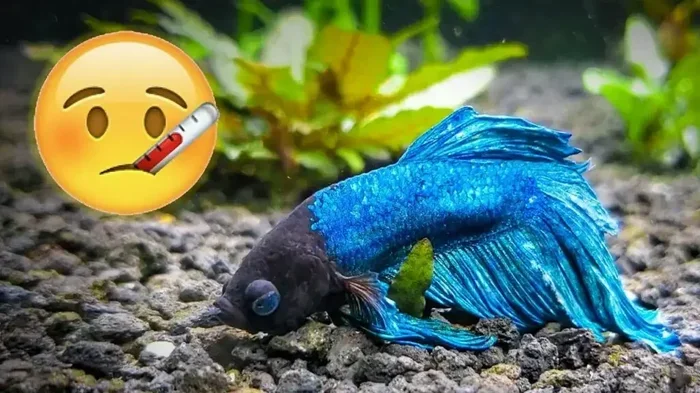
Watch for signs of stress or aggression. Flaring gills, chasing, hiding, and loss of color are all warning signs. If your betta spends most of its time hiding or looks stressed, it may not be happy with its tank mates. On the other hand, a relaxed betta will swim freely, explore, and even ignore other fish. Learning to read these signals helps you decide what fishes can live with bettas in your specific tank.
Best Tank Mates for Bettas
Now let’s look at fish that usually get along well with bettas. These species are peaceful, small, and stay out of the betta’s way. They also share similar water needs, which makes tank management easier. If you are searching for what fishes can live with bettas, these are the top choices to consider.
Bottom Dwellers That Work Well
Bottom-dwelling fish are great choices because they stay near the substrate and rarely compete with bettas for space. Corydoras catfish are a popular option. They are peaceful, social, and spend their time scavenging the bottom. Many owners ask can cory fish live with bettas, and the answer is usually yes. Panda corydoras are even smaller and gentler, making them a safe pick for smaller tanks.
Snails are another excellent bottom-dwelling option. Mystery snails are calm, easy to care for, and help clean up leftover food. They do not bother bettas and often ignore each other completely. If you want a low-maintenance tank mate, snails are a smart choice.
Small, Peaceful Schooling Fish
Some small schooling fish can live with bettas if the tank is large enough. Neon tetras, ember tetras, and harlequin rasboras are often recommended. These fish are fast, peaceful, and stay in groups, which reduces the chance of one fish getting singled out. However, you should avoid fin-nippers like tiger barbs, as they may attack your betta’s beautiful fins.
If you are curious about can other small fish live with bettas, the key is to choose species that are not flashy and do not swim directly into the betta’s face. Small, quick fish that stay in the middle or upper levels can work well, as long as the tank is spacious and has plenty of hiding spots.
Invertebrates and Other Quiet Companions
Shrimp and snails can be great additions, but you need to be careful. Some bettas will eat small shrimp, especially if they are hungry or curious. If you want to try shrimp, make sure the tank has lots of plants and hiding places. Many people ask can shrimp live with male betta fish, and the answer is that it depends on the betta’s personality. Some bettas ignore shrimp completely, while others treat them like snacks.
Snails are generally safer. They move slowly, do not compete for food, and help keep the tank clean. If you want a peaceful community, snails and certain small bottom dwellers are often the safest bet.
Fish to Avoid with Bettas
Just as important as choosing the right fish is knowing which ones to skip. Some fish are simply not compatible with bettas. They may be too aggressive, too flashy, or too large. If you want to keep your betta happy and healthy, avoid these common mistakes.
Aggressive or Fin-Nipping Species
Fish that nip fins are a major risk. Tiger barbs, serpae tetras, and some dwarf cichlids can bite and stress your betta. This can lead to injury, infection, or constant hiding. Even if the fish seem fine at first, stress can build up over time. When asking what fishes can live with bettas, always rule out known fin-nippers first.
Fish With Long Fins or Bright Colors
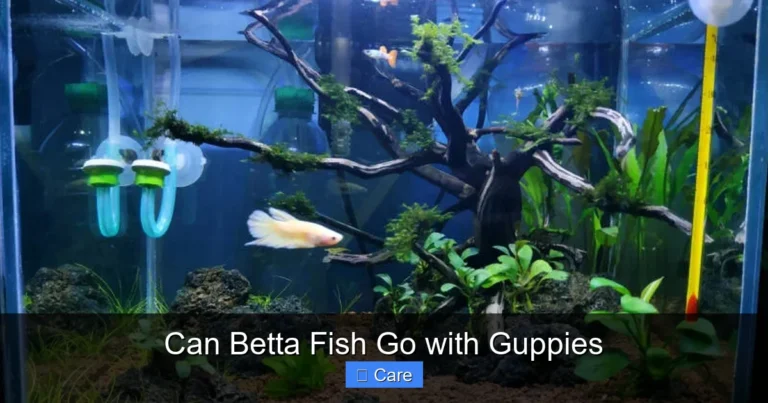
Bettas may see fish with long, flowing fins as rivals. Guppies, mollies, and some fancy goldfish can trigger aggression because they look similar to other bettas. Bright colors and flashy tails can also draw attention. If you want a peaceful tank, choose fish with simple shapes and calm behavior.
Large or Boisterous Fish
Big fish can intimidate bettas and take over the tank. Oscars, large cichlids, and active swimmers like rainbowfish may stress a betta or outcompete it for food. You might wonder can oscars live with betta fish, but the size and aggression difference makes this a poor choice. A betta needs a calm environment, not a tank full of large, dominant fish.
How to Introduce New Fish to a Betta Tank
Adding new fish is a process, not a one-time event. A smooth introduction reduces stress and gives your betta time to adjust. Follow these steps to improve your chances of success.
Prepare the Tank First
Make sure the tank is fully cycled and has stable water parameters before adding any new fish. A planted tank with hiding spots gives fish places to retreat. If the tank is bare, aggression and stress are more likely. A well-decorated tank is one of the best tools for answering what fishes can live with bettas in a practical way.
Add Fish Slowly
Do not add multiple fish at once. Start with one or two peaceful tank mates and watch how your betta reacts. If the betta flares or chases, give it time to settle down. Sometimes the aggression fades after a few days. If it does not, you may need to remove the new fish and try a different species.
Watch Feeding and Behavior
Feeding time can reveal a lot. Make sure all fish get enough food and that the betta is not bullying others away from the surface. If one fish is always hiding or losing color, it may be stressed. Regular observation helps you catch problems early and decide whether your tank mates are truly compatible.
Setting Up a Community Tank for Bettas
A successful community tank is all about balance. You need the right size, the right layout, and the right fish. Here are the key factors to consider when planning your setup.
Tank Size Matters
A larger tank gives every fish more space and reduces territorial behavior. A 10-gallon tank is the minimum for a betta with tank mates, but bigger is always better. More space means less chasing and more hiding spots. If you are serious about what fishes can live with bettas, start with a tank that gives everyone room to establish their own areas.
Plants, Decor, and Hiding Spots
Live plants, rocks, and driftwood create natural barriers and hiding places. These features break up lines of sight, which can reduce aggression. A betta that feels secure is less likely to chase or flare. Plants also improve water quality and give shy fish a safe place to rest.
Water Conditions and Compatibility
Bettas prefer warm water, usually around 78 to 80 degrees Fahrenheit, with a slightly acidic to neutral pH. Choose tank mates that thrive in similar conditions. Tropical fish that need the same temperature and pH range are the easiest to keep together. If you are asking can bettas live with tropical fish, the answer is often yes, as long as the species are peaceful and the tank is properly maintained.
Monitoring and Maintaining Harmony
Even after you add tank mates, the job is not done. You need to keep watching the tank and make adjustments if needed. Harmony takes effort, but it is worth it when you see a calm, active community.
Signs Your Tank Is Working
A healthy community tank has fish that swim freely, eat well, and show good color. Your betta should not be constantly hiding or chasing. Other fish should also appear relaxed and active. If everyone seems comfortable, you have likely chosen well. This is the goal when figuring out what fishes can live with bettas.
When to Step In
If you see persistent chasing, injured fins, or fish hiding all day, take action. You may need to remove a problematic tank mate or add more hiding spots. Sometimes a simple change, like rearranging the tank or adding plants, can reduce tension. Do not ignore signs of stress, because they can lead to illness or worse.
Quick Tips for Long-Term Success
- Keep the tank clean and maintain stable water parameters.
- Feed a varied diet so all fish get proper nutrition.
- Watch your betta’s personality before adding new fish.
- Start with peaceful bottom dwellers or snails for the safest results.
- Be ready to remove a tank mate if aggression does not stop.
Choosing what fishes can live with bettas is about patience, observation, and smart planning. A betta can live happily with the right companions, but it needs a tank that matches its needs. Peaceful bottom dwellers, small schooling fish, and quiet invertebrates are often the best choices. Avoid aggressive species, flashy fish, and overcrowded tanks. With the right setup and careful monitoring, you can create a beautiful community tank that keeps your betta healthy and stress-free.
Frequently Asked Questions
Can betta fish live with other fish in the same tank?
Yes, betta fish can live with other fish, but you must choose peaceful tank mates that do not nip fins or compete for space. The success of your community tank depends on the betta’s personality and the tank setup.
What fishes can live with bettas safely?
Peaceful bottom dwellers like corydoras, small schooling fish like ember tetras, and quiet invertebrates like snails are usually safe choices. Always avoid aggressive or fin-nipping species that can stress your betta.
Can male bettas live with any other fish?
Male bettas can live with other fish, but they are more territorial than females. You should pick calm, non-flashy tank mates and provide plenty of hiding spots to reduce aggression.
Can cory fish live with bettas without problems?
Corydoras catfish are generally peaceful and stay near the bottom, so they often get along well with bettas. They work best in a tank with stable water and enough space for both species.
What fish should I avoid putting with a betta?
Avoid fin-nippers like tiger barbs, aggressive cichlids, and fish with long fins or bright colors that may trigger territorial behavior. Large or boisterous fish can also stress a betta.
How do I know if my betta is stressed by tank mates?
Signs of stress include constant hiding, loss of color, torn fins, and frequent chasing or flaring. If you notice these behaviors, you may need to remove the tank mate or improve the tank layout.