
What Is Better Fish Oil Or Krill Oil For Your Health
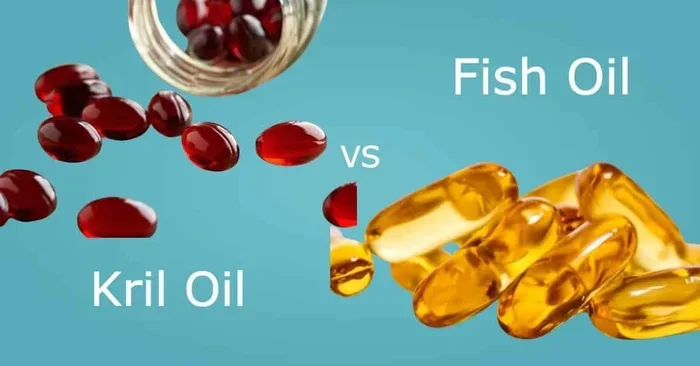
Choosing between fish oil and krill oil can feel confusing. Both supplements offer omega-3 fatty acids that support heart and brain health. However, they differ in absorption rates, antioxidant content, and price. This guide breaks down the science so you can pick the best option for your needs.
Many people want to improve their health with supplements. You might have heard about the benefits of omega-3s. These healthy fats are crucial for your body. But you may wonder what is better fish oil or krill oil for your specific goals. Both options are popular in the wellness community. They promise to support your heart, brain, and joints. Yet, they are not exactly the same. Understanding the differences helps you make a smart choice.
Fish oil comes from fatty fish like salmon or mackerel. Krill oil comes from tiny shrimp-like creatures in the ocean. Both contain essential fatty acids. Your body cannot make these on its own. You need to get them from food or supplements. This article dives deep into the comparison. We will look at benefits, costs, and safety. By the end, you will know which one fits your lifestyle.
Key Takeaways
- Omega-3 Power: Both oils provide essential EPA and DHA for heart and brain health.
- Absorption Matters: Krill oil may absorb better due to its phospholipid structure.
- Antioxidant Boost: Krill oil contains astaxanthin, which fights oxidative stress.
- Cost Comparison: Fish oil is generally more affordable than krill oil.
- Sustainability: Look for certified sustainable sources for either supplement.
- Side Effects: Both can cause digestive issues, but krill oil is often gentler.
- Consult Your Doctor: Always talk to a healthcare provider before starting new supplements.
📑 Table of Contents
Understanding Omega-3 Fatty Acids
Before comparing the oils, you need to know what you are buying. The main reason people take these supplements is for omega-3s. These are polyunsaturated fats. They play a vital role in cell function. There are three main types of omega-3s. ALA comes from plants. EPA and DHA come from marine sources. Fish oil and krill oil both provide EPA and DHA.
These fatty acids reduce inflammation in the body. Chronic inflammation can lead to many diseases. Heart disease is a major concern for many adults. Omega-3s help lower triglycerides. They also support healthy blood pressure. Your brain needs DHA for proper development. This is true for infants and aging adults. Cognitive decline is a fear for many seniors. Getting enough omega-3s may help protect brain function.
You can get these fats from eating fish. The American Heart Association recommends eating fish twice a week. But many people do not eat enough seafood. Supplements fill this gap. They offer a convenient way to boost intake. However, not all supplements are created equal. The form of the omega-3 matters for absorption. This is where the debate begins.
EPA and DHA Explained
EPA stands for eicosapentaenoic acid. It is known for reducing inflammation. It supports heart health significantly. DHA stands for docosahexaenoic acid. It is critical for brain structure. It also supports eye health. Both are found in marine oils. The ratio of EPA to DHA varies between products. Some people need more EPA for inflammation. Others need more DHA for brain support.
When you look at labels, check the amounts. Some bottles list total oil weight. This can be misleading. You want to know the actual EPA and DHA content. A high-quality supplement lists these numbers clearly. This applies to both fish and krill oil. Knowing what is better fish oil or krill oil depends on these numbers too. Higher concentrations mean you take fewer pills.
Fish Oil: The Traditional Choice
Fish oil is the most common omega-3 supplement. It has been studied for decades. Scientists know a lot about its effects. Most fish oil comes from cold-water fish. Anchovies, sardines, and mackerel are common sources. These fish are lower on the food chain. This means they have fewer toxins like mercury.
The oil is extracted and processed into capsules. Most fish oil is in triglyceride form. This is the natural form found in fish. Some supplements use ethyl ester form. This is processed to concentrate the EPA and DHA. Concentrated versions allow for higher doses. However, some studies suggest triglyceride forms absorb better. You should check the form on the label.
Fish oil is generally affordable. You can find it in most grocery stores. It is widely available online too. This makes it accessible for many budgets. Large bottles offer good value. Many people choose fish oil for this reason. It is a proven option for general health. If you want basic omega-3 support, this works well.
Potential Drawbacks of Fish Oil
There are some downsides to consider. Oxidation is a big concern. Fish oil can go rancid easily. Rancid oil causes inflammation instead of reducing it. You should store bottles in a cool place. Some people keep them in the fridge. Taste is another issue. Some users experience fishy burps. This can be unpleasant after meals.
Sustainability is also a topic of discussion. Overfishing is a problem in some areas. Look for certified sustainable brands. Third-party testing ensures purity. Heavy metals can be present in low-quality oil. Reputable brands test for contaminants. This ensures safety for long-term use. Always read reviews and check certifications.
Krill Oil: The Rising Star
Krill oil is a newer option in the market. It comes from Antarctic krill. These are tiny crustaceans. They are a food source for whales and penguins. Krill oil contains omega-3s like fish oil. But the structure is different. The fatty acids are bound to phospholipids. This is a key difference in the debate of what is better fish oil or krill oil.
Phospholipids are water-soluble. This may help your body absorb them easier. Cell membranes are made of phospholipids. This structure might integrate better into your cells. Some research suggests krill oil raises omega-3 levels faster. However, the total amount of EPA and DHA is often lower. You might need more capsules to match fish oil doses.
Krill oil also contains astaxanthin. This is a powerful antioxidant. It gives the oil a reddish color. Astaxanthin protects the oil from oxidizing. This means krill oil stays fresh longer. It also provides extra health benefits. Antioxidants fight free radicals in the body. This supports skin health and immunity.
Cost and Availability
Krill oil is usually more expensive. Harvesting krill is more complex than fishing. The supply chain is smaller. This drives up the price per capsule. You might pay double compared to fish oil. Availability is also more limited. You may not find it in every local store. Online retailers usually stock it reliably.
Despite the cost, many users prefer it. They report fewer digestive issues. The smaller capsule size is also a plus. Some people find it easier to swallow. If budget is not your main concern, it is worth trying. The antioxidant boost is unique to krill oil. This adds value beyond just omega-3s.
Absorption and Bioavailability
Bioavailability refers to how well your body uses a nutrient. This is a critical factor in supplement choice. If you do not absorb it, you waste your money. Studies compare how fish oil and krill oil perform. Some show krill oil has higher bioavailability. The phospholipid bond helps transport fats into cells.
Other studies show similar results between the two. The difference might not be huge for everyone. Individual metabolism plays a role. Your diet also affects absorption. Taking supplements with a meal helps. Fat-soluble vitamins need dietary fat to absorb. Both oils work best when taken with food.
If you have trouble absorbing fats, krill oil might help. People with certain digestive issues may benefit. However, for most healthy people, fish oil works fine. The total dose matters most. If krill oil has less EPA per pill, you need more pills. This can offset the absorption advantage. Calculate the cost per gram of EPA and DHA.
The Phospholipid Advantage
Phospholipids are essential for cell membranes. They help maintain cell structure. They also support communication between cells. Some experts believe this form is superior. It mimics the natural structure of human cells. This theory supports the idea that krill oil is better absorbed. More research is ongoing in this area.
For general health, the difference may be small. For specific therapeutic needs, it might matter. High-dose therapy often uses fish oil. This is because you can get more EPA easily. Krill oil is great for maintenance doses. It offers a gentle way to boost levels. Think about your personal health goals.
Health Benefits Comparison
Both oils support similar health outcomes. Heart health is the top benefit. They lower triglycerides and improve cholesterol profiles. They also reduce blood clotting risks. Brain health is another major area. Omega-3s support memory and mood. Depression rates are lower in populations that eat fish.
Joint health improves with reduced inflammation. People with arthritis often take omega-3s. They report less stiffness and pain. Eye health also benefits from DHA. Dry eye syndrome may improve with supplementation. Skin health gets a boost from hydration and elasticity. Astaxanthin in krill oil adds extra skin protection.
Here is a quick comparison of their strengths:
- Fish Oil: Higher concentration of EPA and DHA per capsule.
- Krill Oil: Better antioxidant protection with astaxanthin.
- Fish Oil: More research backing long-term safety.
- Krill Oil: Potentially better absorption for some people.
- Fish Oil: More budget-friendly option.
- Krill Oil: Often causes fewer fishy aftertastes.
Specific Conditions
For high triglycerides, doctors often prescribe high-dose fish oil. The concentration is key here. Krill oil doses are usually too low for prescription levels. For general wellness, krill oil is sufficient. It provides a steady stream of nutrients. Athletes might prefer krill oil for recovery. The antioxidant properties help with muscle stress.
Women going through menopause may benefit too. Hormonal changes cause inflammation. Omega-3s help manage these symptoms. Mood swings can be stabilized with adequate DHA. Sleep quality might also improve. Some users report better rest with consistent use. This links to overall hormonal balance.
Cost and Sustainability Factors
Price is a practical concern for most buyers. Fish oil is widely produced. Economies of scale keep prices low. You can buy a month’s supply for a few dollars. Krill oil requires specialized harvesting. This increases the cost significantly. You need to decide if the extra cost is worth it.
Sustainability is equally important. The ocean ecosystem is fragile. Overharvesting harms marine life. Krill is a keystone species. Many animals depend on it for food. Responsible harvesting is crucial. Look for certifications like MSC. This ensures the source is managed well. Fish oil from small fish is often more sustainable.
Some brands use sustainable practices for both. They invest in ocean health. Reading labels helps you make ethical choices. Supporting good companies encourages better practices. Your purchase power influences the market. Choose brands that align with your values.
Environmental Impact
Antarctic krill populations are monitored closely. Regulations limit how much can be caught. This protects the food web. Fish stocks also need management. Some fish species are overfished. Choosing the right species matters. Sardines and anchovies reproduce quickly. This makes them a sustainable choice for oil.
Pollution is another factor. Ocean plastics and chemicals affect marine life. Supplements should be purified to remove toxins. Molecular distillation is a common cleaning process. This removes heavy metals and PCBs. Both oils should undergo this testing. Safety is more important than the source type.
Side Effects and Safety
Most people tolerate these oils well. Mild side effects can occur. Digestive upset is the most common complaint. Nausea or loose stools may happen. Taking them with food reduces this risk. Splitting the dose throughout the day also helps.
Fishy aftertaste is specific to fish oil. Enteric coatings can prevent this. These coatings dissolve in the intestine. Krill oil rarely causes this issue. The astaxanthin helps stabilize the oil. Allergic reactions are possible for some. People with shellfish allergies should be careful with krill oil. Fish oil may also trigger allergies in sensitive individuals.
Blood thinning is a serious consideration. Omega-3s reduce clotting ability. If you take blood thinners, talk to your doctor. Surgery patients should stop supplements beforehand. This prevents excessive bleeding during procedures. Always disclose supplements to your healthcare provider. Safety comes first with any health regimen.
Who Should Avoid These Oils?
Pregnant women should consult their doctors. Omega-3s are good for fetal development. But dosage needs professional guidance. People with fish allergies must avoid fish oil. Krill is a crustacean, so shellfish allergies apply there. Those with hormone-sensitive conditions should check interactions. Some studies suggest mild hormonal effects.
Children can take omega-3s for development. But dosage must be age-appropriate. Liquid forms are often better for kids. Capsules can be a choking hazard. Always follow pediatrician advice. Starting with a low dose is wise. Monitor for any adverse reactions closely.
How to Choose the Right Supplement
Choosing the right one depends on your goals. If you want high potency, fish oil wins. It offers more EPA and DHA per dollar. If you want antioxidants and easier digestion, try krill oil. Consider your budget and tolerance. Both are good sources of omega-3s.
Look for third-party testing seals. This guarantees purity and potency. Check the expiration date. Freshness ensures effectiveness. Store the bottles properly. Keep them away from heat and light. Consistency is key for results. Take them daily for the best benefits.
You might also consider your diet. If you eat fatty fish often, you may need less. Supplements fill the gaps in your diet. They are not a replacement for healthy eating. Whole foods provide other nutrients too. Use supplements to support a balanced lifestyle.
Conclusion
Deciding what is better fish oil or krill oil comes down to your needs. Fish oil offers high potency at a lower cost. It has decades of research backing its benefits. Krill oil provides better absorption and antioxidants. It is often gentler on the stomach. Both support heart, brain, and joint health effectively.
Your choice should match your budget and health goals. If you need high doses for triglycerides, fish oil is standard. If you want daily wellness support, krill oil is excellent. Quality matters more than the type. Choose reputable brands that test for purity. Consistency is the secret to seeing results.
Start with a lower dose to test tolerance. Monitor how you feel over time. Discuss with your doctor if you have health conditions. Omega-3s are powerful tools for health. Using them wisely helps you live better. Make an informed choice today for a healthier tomorrow.
Frequently Asked Questions
Can I take fish oil and krill oil together?
Yes, you can take them together safely. Many people combine them to get higher omega-3 levels. Just monitor the total EPA and DHA intake. Taking too much might thin your blood excessively.
Which oil is better for inflammation?
Both oils help reduce inflammation effectively. Krill oil may work faster due to better absorption. However, fish oil provides higher doses of EPA. High EPA doses are often preferred for chronic inflammation.
Do these oils interact with medications?
Omega-3s can interact with blood thinners like warfarin. They may increase bleeding risk. Always tell your doctor about your supplements. They can adjust your medication if needed.
How long does it take to see results?
It usually takes a few weeks to notice changes. Blood levels improve within weeks. Joint pain or mood benefits may take longer. Consistency is key for long-term health improvements.
Is krill oil safe for shellfish allergies?
Krill is a crustacean, so it may trigger allergies. People with shellfish allergies should avoid krill oil. Fish oil is generally safer for them. Consult an allergist before trying new supplements.
What is the best time to take these oils?
Take them with a meal containing fat. This improves absorption and reduces stomach upset. Morning or evening works fine as long as you are consistent. Some prefer splitting the dose twice a day.