How to Tell How Old a Betta Fish Is With Easy Tips
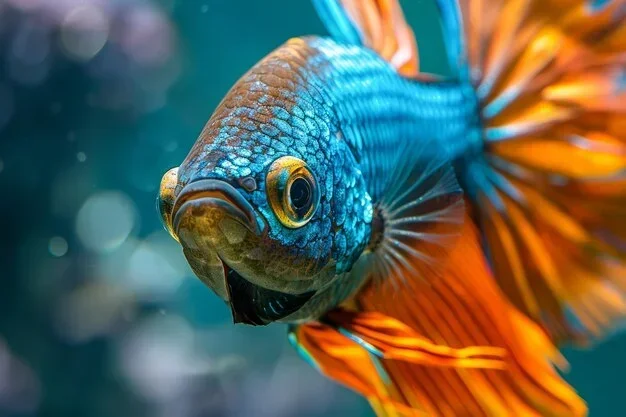
Knowing how to tell how old a betta fish is helps you provide better care. You can look at fin development, body color, and activity levels. These signs give strong clues about their life stage. This guide makes aging your fish simple and stress-free.
This is a comprehensive guide about how to tell how old a betta fish is.
Key Takeaways
- Fin Size Matters: Large, flowing fins often indicate an adult betta, while small fins suggest youth.
- Color Intensity: Vibrant colors usually mean a younger fish, while fading may signal age.
- Activity Levels: Older fish tend to swim less and rest more frequently.
- Size Estimates: Body length grows quickly in the first year, then slows down.
- Buying Records: Always ask the store for the birth date or approximate age.
- Care Adjustments: Understanding age helps you tailor food and tank conditions.
- No Exact Science: You cannot know the exact age without a birth record.
[FEATURED_IMAGE_PLACEHOLDER]
Understanding Betta Fish Lifespan Basics
Keeping a betta fish is a wonderful hobby. These colorful pets bring life to any room. But many owners ask one common question. They want to know how to tell how old a betta fish is. It is not always easy to find the answer. Unlike dogs or cats, fish do not have birth certificates. You often buy them from a store without knowing their history.
Bettas usually live between two and four years. Some can live longer with perfect care. Their life moves fast compared to humans. A fish that is one year old is like a young adult. A fish that is three years old is considered senior. Knowing their stage helps you care for them better. You might change their food or tank setup based on age.
Many factors affect how long they live. Water quality plays a huge role. Diet is also very important. Stress can shorten their life too. If you know their age, you can spot health issues sooner. Young fish grow fast. Older fish slow down. This guide will help you read the signs. You will learn what to look for in your tank.
Physical Signs of Aging in Bettas
Your fish tells a story through its body. You can look at specific parts to guess their age. This is the best way to learn how to tell how old a betta fish is without special tools. You just need a close look. A good light helps you see details clearly.
Fin Development and Length
Fins are a major clue for age. Baby bettas have very short fins. They look more like wild fish. As they grow, fins get longer. Adult males have long, flowing fins. These fins can drag on the substrate. If your fish has huge fins, it is likely mature. This usually means it is at least one year old.
However, fin damage can confuse things. Tears or rot make fins look shorter. You must check for healing tissue. Healthy regrowth looks clear and smooth. Damaged fins might look frayed. Fin size is a strong indicator but not perfect. Some breeds have shorter fins naturally. Plakats have shorter fins than Halfmoons. Know your breed to understand what is normal.
Color Vibrancy and Changes
Color changes as fish mature. Young bettas often have dull colors. Their true colors pop out as they age. A vibrant blue or red shows good health. It often means the fish is in its prime. This prime period is usually between six months and two years.
Older fish might lose some shine. Their colors can fade or look washed out. This is a natural part of aging. Stress can also cause color loss. If your fish turns pale, check your water. Color intensity is a good health marker. A bright fish is usually a happy fish. A dull fish might need help.
Body Shape and Size
Body size grows quickly at first. In the first year, they reach full length. After that, they do not grow much more. An adult betta is usually two to three inches long. If your fish is small, it might be young. If it is large, it is likely mature.
Body shape changes too. Older fish might look a bit rounder. Sometimes they lose muscle mass. A skinny older fish might need more food. A bloated fish might have health issues. Body shape gives hints about life stage. Compare your fish to pictures online. This helps you gauge size accurately.
Behavioral Clues to Estimate Age
Watching your fish swim tells you a lot. Behavior changes as they get older. Young fish are very active. They explore every corner of the tank. Older fish prefer to rest more. They still swim but with less energy.
You can learn how to tell how old a betta fish is by watching daily habits. Note when they eat and sleep. Note how they react to you. These patterns reveal their maturity level.
Swimming Patterns and Energy
Young bettas zip around quickly. They chase food eagerly. They flare at reflections often. This high energy shows youth. As they age, swimming slows down. They might hover near the top or bottom. They take more breaks between swims.
This slowing is normal for seniors. It is like humans getting older. They have less stamina. But sudden lethargy is bad. If a young fish sleeps all day, something is wrong. Check your water temperature first. Cold water makes fish sluggish. Warm water keeps them active.
Interaction and Response to Stimuli
Bettas are smart fish. They recognize their owners. Young fish are curious. They come to the glass when you approach. Older fish might be less interested. They might hide more often. Hiding can mean stress or age.
Some older fish become grumpy. They might flare more at tank mates. Others become very calm. Watch how they react to movement. A responsive fish is usually healthy. A fish that ignores you might be tired. Behavioral clues help you understand their mood. This helps you adjust your care routine.
Tank Conditions and Age Indicators
The environment affects how a fish ages. A good tank keeps them young longer. A bad tank makes them age faster. You can look at the tank setup to guess history. If the tank is bare, the fish might be stressed. Stress ages fish quickly.
Proper care slows down aging. This is key when wondering how to tell how old a betta fish is. A well-kept fish looks younger than its years. A neglected fish looks older than it is. You control this with your care habits.
Water Quality and Maintenance
Clean water is vital for longevity. Dirty water causes disease. Disease shortens life span. Regular water changes keep toxins low. Ammonia and nitrites are dangerous. They hurt fish gills and skin. A fish in clean water looks vibrant.
If you see algae everywhere, the tank might be old. But the fish age is separate. You can have an old tank with a young fish. Always test your water parameters. Good water quality keeps your betta healthy. It helps them reach their maximum age potential.
Diet and Nutrition Over Time
Food impacts growth and aging. Young fish need protein for growth. Adult fish need balanced diets. Older fish might need easier-to-digest food. Feeding the wrong food causes issues. Bloating is common in older fish.
Live food is great for enrichment. Pellets are good for daily meals. Do not overfeed your fish. Excess food fouls the water. This harms the fish. A good diet keeps colors bright. It keeps fins healthy too. Nutrition is a key part of aging well.
Common Misconceptions About Betta Age
Many myths exist about fish aging. Some people think size equals age. This is not always true. Genetics play a big role. Some fish stay small forever. Some grow very large. Do not rely on size alone.
Another myth is about bowls. Some think bowls are fine for bettas. This is false. Bowls are too small. They get cold and dirty fast. This stresses the fish. Stress makes them age faster. You need a filtered tank for best health. Tank size matters for longevity.
People also think bettas live only one year. This is sadly common. It happens due to poor care. With good care, they live much longer. Do not accept short lives as normal. You can help your fish live longer. Avoid these myths to care better.
Expert Tips for Estimating Age
Here are some pro tips for you. These help you guess age more accurately. Combine multiple signs for the best guess. Look at fins, color, and behavior together. One sign might be misleading.
Keep a journal for your fish. Write down when you bought them. Note any changes in appearance. This helps track aging over time. You will see patterns emerge. This is the most reliable method. You create your own history log.
- Ask the Seller: Always ask for the approximate age at purchase.
- Check Breed Traits: Know if your betta is a slow-growing breed.
- Monitor Health: Sick fish look older than they are.
- Use Good Light: Shine a light to see fin details clearly.
- Compare Photos: Look at online galleries of different ages.
These steps improve your accuracy. You will feel more confident in your care. Your fish will benefit from your attention. Expert tips make ownership easier. You become a better guardian for them.
When to Worry About Aging Signs
Sometimes signs point to illness, not age. You must know the difference. Faded color can be age or disease. Lethargy can be age or cold water. Watch for other symptoms. Look for spots or tears.
If fins are rotting, that is disease. Age does not cause rot. If breathing is hard, that is urgent. Gasping at the surface is bad. This means low oxygen or gill damage. Act fast if you see these signs. Health issues mimic aging sometimes.
Consult a vet if unsure. Fish vets are rare but helpful. You can also ask online communities. Many hobbyists love helping others. Share photos of your fish. They might spot issues you missed. Early treatment saves lives. Do not wait too long to act.
Conclusion
Figuring out how to tell how old a betta fish is takes observation. There is no perfect test you can run. You must use clues from their body and behavior. Fins, color, and energy levels tell a story. Tank conditions also play a big part in how they age.
Remember that every fish is unique. Some live longer than others. Your care makes the biggest difference. Provide clean water and good food. Give them space to swim. Love your fish for whatever age they are. Whether young or old, they deserve kindness. Use these tips to enjoy your pet longer.
Frequently Asked Questions
Can you tell exactly how old a betta fish is?
No, you cannot know the exact age without a birth record. You can only estimate based on physical signs like fin size and color. Buying records from the store help the most.
Do betta fish fins get smaller when they get old?
Fins usually stay large unless damaged. Older fish might have worn fins from activity. Disease can also make fins look smaller or frayed over time.
How long do betta fish live on average?
Bettas typically live between two to four years. Some reach five years with excellent care. Poor water quality often shortens this lifespan significantly.
Does color fading mean my betta is old?
Color fading can mean age, but it also signals stress. Poor water or illness causes colors to dull. Check your tank conditions if colors fade quickly.
Can a betta fish live in a bowl?
Bettas should not live in small bowls. They need filtered tanks with heaters. Small bowls get dirty and cold, which ages the fish faster.
How do I know if my betta is a senior?
Senior bettas swim less and rest more often. They may have faded colors and slower reactions. They still eat but might need softer food options.