How Often Do Betta Fish Need To Be Fed For Healthy Growth
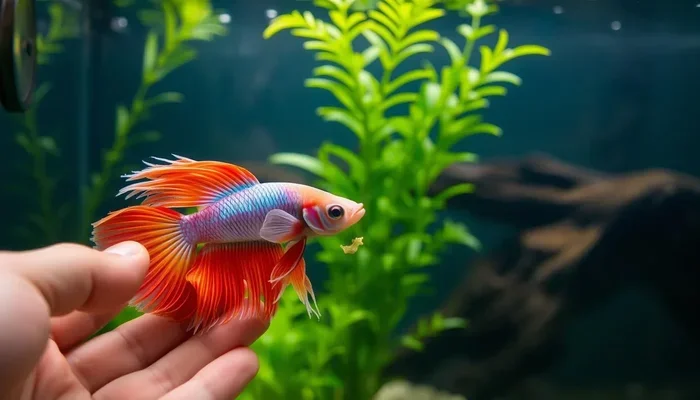
Feeding your betta fish the right amount at the right time is essential for their health. How often do betta fish need to be fed depends on their age, size, and activity level. Most adult bettas thrive with two small meals per day, while fry need more frequent feeding. Overfeeding can cause serious health issues, so portion control matters. This guide will help you build a safe and effective betta fish feeding schedule.
Key Takeaways
- Ideal Frequency: Adult bettas do best with two small feedings daily, while babies need 3-4 meals.
- Portion Control: Offer only what they can eat in 2-3 minutes to prevent waste and health problems.
- Fasting Benefits: A one-day fast each week helps digestion and reduces bloating risks.
- Food Variety: Rotate pellets, frozen, and live foods for balanced nutrition and vibrant colors.
- Watch Behavior: Adjust feeding based on appetite, activity, and water conditions.
- Avoid Overfeeding: Excess food fouls water and causes obesity, swim bladder issues, and lethargy.
- Consistency Matters: A steady routine supports healthy growth and reduces stress.
📑 Table of Contents
- How Often Do Betta Fish Need To Be Fed For Healthy Growth
- The Ideal Betta Fish Feeding Schedule
- How Much To Feed Your Betta Fish
- Best Foods For Betta Fish Growth
- Feeding Frequency By Age And Size
- Signs Your Betta Is Overfed Or Underfed
- How To Build A Healthy Feeding Routine
- Fasting, Water Quality, And Betta Health
- Special Feeding Situations And Tips
- Final Thoughts On Feeding Your Betta
How Often Do Betta Fish Need To Be Fed For Healthy Growth
Betta fish are beautiful, lively pets that bring color and personality to any room. But keeping them healthy starts with one simple habit: feeding them correctly. Many new owners ask how often do betta fish need to be fed because the answer is not always obvious. Too little food leads to weakness. Too much food causes waste and illness. The good news is that a simple routine works very well.
In this guide, you will learn the best feeding schedule for bettas of all ages. You will also discover portion sizes, food types, and signs that your fish is eating well. We will keep things clear and practical so you can care for your betta with confidence. Let us dive in.
The Ideal Betta Fish Feeding Schedule
Most adult bettas do best with two small meals per day. This routine matches their natural eating habits and keeps their energy steady. You can feed once in the morning and once in the evening. Keep the meals small and consistent. A betta stomach is roughly the size of its eye, so tiny portions work best.
Young bettas, also called fry, need more frequent meals. Their bodies grow fast, so they benefit from three to four small feedings daily. As they mature, you can slowly reduce the number of meals. This gradual change helps their digestion adjust without stress.
Some owners prefer a single daily feeding. That can work if the portion is right and the fish stays active. Still, two meals usually support better energy and digestion. If your schedule is busy, you can use an automatic feeder, but watch for clogs and portion accuracy.
Quick Tips For Daily Feeding
- Feed at the same times each day to build a routine.
- Offer only what your betta can finish in 2 to 3 minutes.
- Remove uneaten food after a few minutes to keep water clean.
- Watch for slow eating or spitting food out, which may signal a problem.
How Much To Feed Your Betta Fish
Portion size matters just as much as frequency. A common rule is to offer two to three pellets per meal for an adult betta. If you use frozen or live food, a small pinch is enough. The goal is to satisfy your fish without leaving leftovers.
It helps to think in terms of your betta stomach size. Since the stomach is small, large meals can cause bloating and sluggishness. If you notice your fish looking round or swimming oddly, reduce the portion. You can always offer a little more later if needed, but you cannot take food out of the tank once it is there.
Different foods have different densities. Pellets expand in water, so a soaked pellet may look bigger than it seems dry. Frozen foods also vary in size. Start small, observe your fish, and adjust over a few days. This simple approach prevents waste and keeps your betta comfortable.
Common Mistakes With Portion Sizes
- Feeding too many pellets at once because the fish looks hungry.
- Ignoring that pellets swell in water and become larger.
- Leaving leftovers in the tank, which fouls the water.
- Changing food types without adjusting the portion size.
Best Foods For Betta Fish Growth
Bettas are carnivorous by nature, so they thrive on protein-rich foods. High-quality betta pellets make a solid base for daily feeding. Look for formulas with real fish or shrimp as the first ingredients. Avoid fillers like corn or wheat when possible, since they offer less nutrition.
You can also add frozen or live foods for variety. Brine shrimp, bloodworms, and daphnia are popular choices. These foods mimic what bettas eat in the wild and can improve color and energy. Live food should come from safe sources to avoid introducing pests or disease.
Some owners wonder about mixing foods. A varied diet often works well because it provides different nutrients. You might use pellets on most days and offer frozen treats once or twice a week. If you keep other fish, you may also ask can betta flakes be fed to other fish when planning community tank meals. Variety is good, but balance matters more than abundance.
Expert Insights On Food Choices
- Choose pellets made for bettas, not generic tropical flakes.
- Rotate proteins to support growth and bright colors.
- Soak dry food briefly if your betta seems to struggle with hard pieces.
- Store frozen foods properly and thaw only what you will use.
Feeding Frequency By Age And Size
Age changes everything when it comes to feeding. Baby bettas need frequent meals to support rapid growth. As they grow, their meals can become a bit larger and less frequent. Adult bettas need steady, moderate feeding to stay healthy without gaining excess weight.
Here is a simple comparison to guide you:
| Life Stage | Meals Per Day | Portion Guidance |
|---|---|---|
| Fry (babies) | 3-4 small meals | Tiny portions, frequent feeding |
| Juvenile | 2-3 meals | Small to medium portions |
| Adult | 2 meals | 2-3 pellets or a small pinch |
| Senior or less active | 1-2 meals | Slightly smaller portions |
If you care for young fish, you may also want to read about do baby betta fish need special food to choose the right nutrition. Babies often need finer foods that are easy to swallow. As they grow, you can transition to standard pellets and frozen treats.
Signs Your Betta Is Overfed Or Underfed
Your betta will show clear signs when feeding is off balance. Overfeeding often leads to a swollen belly, lazy swimming, and leftover food in the tank. You may also see cloudy water or more waste than usual. These signs mean it is time to cut back.
Underfeeding looks different. A hungry betta may become thin, less colorful, or less active. It might also beg at the surface more often. If your fish loses weight or seems weak, increase portions slowly and check that the food is nutritious.
Behavior changes can also point to stress or water issues. Sometimes a betta stops eating because the water is too cold or too warm. If you are unsure about temperature needs, check do betta fish bowls need a heater for guidance. Stable water helps healthy eating.
Common Mistakes With Feeding Signs
- Assuming a begging fish is always hungry.
- Ignoring a swollen belly until swimming problems appear.
- Changing food too often without watching reactions.
- Missing water quality issues that affect appetite.
How To Build A Healthy Feeding Routine
A good routine is simple, steady, and flexible. Start by choosing two times each day for feeding. Morning and evening work well for many owners. Keep portions small and remove extras after a few minutes. Over time, you will learn what your betta needs.
You can also add a weekly fast day. Skipping one meal each week gives your betta time to digest and helps prevent bloating. Many experienced keepers find this helpful, especially for fish that seem slow or round. If your betta is very young or underweight, skip the fast day and feed normally instead.
Consistency supports better health. Fish feel safer when they know when food arrives. A routine also makes it easier for you to notice changes. If your betta suddenly refuses food, you will spot the problem faster. That matters because appetite shifts can signal stress, illness, or water issues.
Quick Tips For A Strong Routine
- Pick fixed feeding times and stick to them.
- Use a small dish or target spot to reduce scattered food.
- Track portions for the first week to learn the right amount.
- Adjust slowly if your betta gains or loses weight.
Fasting, Water Quality, And Betta Health
Feeding affects water quality as much as it affects your fish. Uneaten food breaks down and adds waste to the tank. That can raise ammonia and make the water unsafe. This is why small portions and quick cleanup matter so much. A clean tank supports a healthy appetite.
Water changes also play a role in overall health. If you are unsure how often to refresh the tank, see do betta fish have to have water changes for practical advice. Clean water helps bettas digest food better and stay active. It also reduces stress, which can improve eating habits.
Temperature matters too. Bettas are tropical fish, so cold water can slow digestion and reduce appetite. If your tank runs cool, your fish may eat less and become sluggish. A stable, warm environment keeps metabolism steady and supports normal feeding.
Expert Insights On Water And Feeding
- Remove leftover food within a few minutes.
- Test water regularly if you notice appetite changes.
- Keep temperature stable to support digestion.
- Clean the substrate gently during maintenance to remove hidden bits.
Special Feeding Situations And Tips
Some bettas need extra attention. A recovering fish may need softer foods or smaller meals. A breeding pair may have different needs before and after spawning. If you ever wonder do betta fish lay eggs or have live birth, the answer is that they lay eggs, and that process can change feeding behavior for both parents.
After spawning, parents may be tired or stressed. Some keepers separate the adults from the eggs to reduce risk. If you are curious about do betta fish kill their babies, it is true that adults can sometimes harm eggs or fry, which is why many breeders use separate tanks. Fry then need tiny, frequent meals to survive and grow.
Community tanks also create feeding challenges. Bettas may compete for food or ignore it if other fish are aggressive. In mixed tanks, you may need to feed in different spots or use sinking pellets for slower fish. If you keep other species, you might also explore can betta food be fed to other fish when planning shared meals.
Quick Tips For Special Situations
- Offer softer or smaller foods to weak or recovering bettas.
- Separate fry from adults when needed for safety.
- Feed in quiet spots if your betta gets stressed.
- Watch for competition and adjust feeding methods.
Final Thoughts On Feeding Your Betta
So, how often do betta fish need to be fed? For most adults, the best answer is two small meals each day. Babies need more frequent feeding, and older or less active fish may need a little less. The key is to match portions to your fish size, age, and behavior. Small meals, clean water, and a steady routine create the best foundation for healthy growth.
Pay attention to your betta every day. Look for bright color, steady swimming, and a healthy shape. Adjust food amounts when needed, and do not panic if your fish skips a meal now and then. With a thoughtful schedule and the right foods, your betta can stay active, colorful, and strong for a long time.
Frequently Asked Questions
How often should I feed my adult betta fish?
Most adult bettas do best with two small meals each day. Keep portions tiny and remove leftovers quickly. This routine supports steady energy and healthy digestion.
Can I feed my betta fish once a day?
Yes, some bettas can manage with one daily meal if the portion is right. Still, two smaller meals usually work better for digestion and energy. Watch your fish and adjust if it looks hungry or sluggish.
What happens if I overfeed my betta?
Overfeeding can cause a swollen belly, sluggish swimming, and dirty water. Leftover food breaks down and raises waste in the tank. Reduce portions and remove uneaten food to prevent problems.
How many pellets should I give my betta?
A good starting point is two to three pellets per meal for an adult betta. The exact amount depends on pellet size and your fish body shape. Offer a little less at first, then adjust based on appetite.
Do baby betta fish need to eat more often?
Yes, fry need more frequent meals because they grow quickly. They usually do best with three to four small feedings daily. As they mature, you can slowly reduce the number of meals.
Should I fast my betta fish sometimes?
A weekly fast day can help digestion and lower bloating risk for many adult bettas. It is not ideal for very young or underweight fish. Use fasting as a gentle reset, not a regular restriction.