Do Betta Fish Eat Other Betta Fish Risks and Facts
Do betta fish eat other betta fish? While they rarely consume each other whole, male bettas are highly territorial and will fight aggressively, often causing severe injury or death. Understanding their natural instincts helps you create a peaceful tank environment. This guide covers real risks, safe housing tips, and proven ways to reduce conflict.
If you have ever watched a betta flare his gills and spread his fins, you know these fish carry a strong personality. Many new owners ask the same question: do betta fish eat other betta fish? The short answer is that they usually do not swallow each other like prey, but they can seriously hurt or even kill one another during fights. Their aggression comes from territory, not hunger.
Bettas live naturally in shallow rice paddies and slow-moving streams across Southeast Asia. In those spaces, males claim small areas and defend them from rivals. This instinct follows them into home aquariums. When you understand why they act this way, you can make smarter choices about tank setup, tank mates, and daily care. Let us walk through the real risks and the facts that matter most.
Key Takeaways
- Bettas do not typically eat each other: They fight to defend territory, not to hunt for food, but severe attacks can still be fatal.
- Male bettas are highly aggressive: Placing two males together almost always triggers violent confrontations.
- Females can live in groups: Carefully planned sororities work, but they require large tanks and constant monitoring.
- Tank size and layout matter: Plenty of hiding spots and visual barriers significantly reduce stress and fighting.
- Proper introductions prevent harm: Using a divider or quarantine tank helps fish adjust before sharing space.
- Watch for warning signs: Flaring, chasing, and torn fins signal trouble that needs immediate action.
- Separate when needed: Having a backup tank ready protects your fish if aggression escalates beyond control.
📑 Table of Contents
- Understanding Betta Aggression and Territory
- Do Betta Fish Eat Other Betta Fish in the Same Tank?
- Can Male and Female Bettas Live Together Safely?
- Do Bettas Eat Other Betta Fish Fry or Babies?
- Do Female Bettas Eat Other Female Bettas?
- How to Reduce Betta Fighting and Keep Fish Safe
- Expert Insights on Betta Behavior and Tank Safety
- Conclusion
Understanding Betta Aggression and Territory
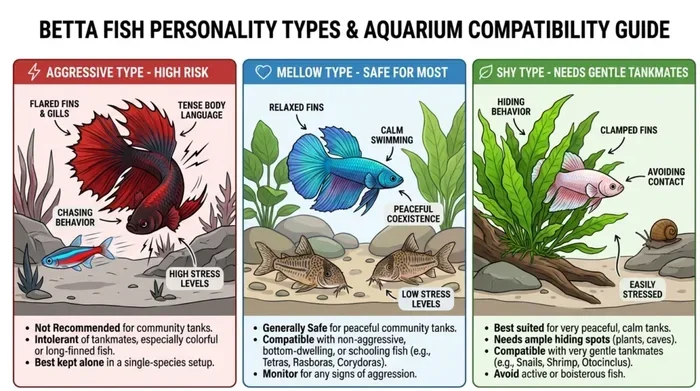
Bettas are famous for their bold colors and dramatic displays, but that beauty hides a strong survival instinct. Male bettas guard their space fiercely. They see another male as a rival, not as a meal. When they spot a competitor, they flare, chase, and sometimes bite. This behavior is normal, but it can turn dangerous in a small or crowded tank.
Several factors shape how aggressive a betta becomes:
- Tank size: Cramped spaces leave no room to escape, so conflicts escalate faster.
- Visual triggers: Clear glass and bright lighting make rivals feel close, even when they are not.
- Personality differences: Some bettas are calm, while others are highly reactive.
- Environmental stress: Poor water quality, low oxygen, or loud noise can make fish more defensive.
If you want to reduce tension, think like a betta. Give each fish a clear zone, break up lines of sight, and keep the environment stable. A calm tank lowers the chance of violent encounters.
Why Do Bettas Fight Instead of Eat?
Fish generally eat for energy and growth. Bettas attack for dominance and space. In the wild, a male that loses his territory may lose access to mates and shelter. That pressure drives fierce defense. In a home aquarium, the same drive appears when two males share one open area. They focus on pushing the other away rather than consuming him.
Still, injuries can become deadly. A badly torn fin can lead to infection. Constant chasing raises stress hormones and weakens the immune system. So while the answer to do betta fish eat other betta fish is usually no, the outcome of a fight can still be fatal if you ignore the warning signs.
Male Versus Female Behavior
Male bettas show the strongest aggression toward other males. Females can be territorial too, but they often tolerate each other better when conditions are right. This difference matters when you plan a community tank. A male and a female may coexist briefly for breeding, but keeping them together long term requires careful monitoring.
If you are considering a group of females, remember that harmony is never guaranteed. Even female groups can develop bullying. Start with a larger tank, add several females at once, and provide multiple hiding places. Watch closely during the first few weeks and be ready to separate any fish that gets targeted.
Do Betta Fish Eat Other Betta Fish in the Same Tank?
This question comes up often because people see a missing fish or notice wounds and assume one betta ate the other. In reality, bettas are not cannibalistic hunters. They do not stalk and swallow their own kind as a regular feeding habit. What they do is attack, nip, and chase. Those actions can cause severe damage, but they differ from true predation.
Sometimes a very weak or dying fish may be nibbled at the end, especially if it falls near the bottom and cannot swim away. That situation is rare and usually happens only when a fish is already failing. It is not the same as one healthy betta hunting another. If you want to understand how bettas interact with different tank mates, you can read more about whether bettas eat smaller fish and how size affects their choices.
Signs of Aggression Versus Normal Behavior
Not every chase means trouble. Bettas sometimes investigate new movements or test boundaries. You need to tell the difference between brief posturing and real conflict. Here are common signs to watch:
- Flaring: Gills puff out and fins spread wide. Short flares are normal, but constant flaring signals high stress.
- Nipping: Quick bites at fins or body areas show deliberate aggression.
- Hiding: A fish that stays hidden all day may be bullied or scared.
- Clamped fins: Fins held close to the body often mean discomfort or illness.
- Loss of color: Fading hues can indicate chronic stress.
If you see repeated nipping, injuries, or one fish guarding the entire tank, step in quickly. Move the aggressor or the victim into a separate space. Early action prevents small problems from becoming serious harm.
When Fighting Becomes Dangerous
Fights become dangerous when they last too long or happen too often. A single brief skirmish may leave minor marks, but ongoing attacks wear fish down. Open wounds invite bacteria and fungus. Stress reduces appetite and slows healing. In worst cases, a fish may die from blood loss, infection, or shock.
You can lower these risks by setting up the tank with care. Use plants, caves, and driftwood to create separate zones. Keep the water clean and stable. Feed a balanced diet so every fish stays strong. Healthy, well-fed bettas handle stress better than weak or hungry ones.
Can Male and Female Bettas Live Together Safely?
Many beginners hope to pair a male and female betta for a peaceful community. The truth is more nuanced. A male and female can share a tank for short periods, especially during breeding, but long-term cohabitation is risky without the right conditions. The male may chase the female, and the female may stress out if she cannot escape.
Breeding setups work differently from permanent homes. In a breeding tank, the pair interacts under close supervision, and the female is removed after spawning. That temporary arrangement is not the same as a forever community. If you are curious about how bettas behave around their own young, you may also want to explore whether bettas eat their own babies and how to protect fry after spawning.
Best Practices for Short-Term Pairings
If you plan a brief introduction or a breeding attempt, follow a careful process:
- Condition both fish first: Offer rich foods and keep water parameters stable.
- Use a divider: Let them see each other for a few days before direct contact.
- Watch the male closely: He should show interest, not relentless chasing.
- Remove the female after spawning: Give her a safe place to recover.
- Separate if injuries appear: Do not wait for wounds to worsen.
These steps reduce panic and give both fish a better chance to stay healthy. Patience matters more than speed.
When to Keep Them Separate
Separate housing is the safest choice for most home aquariums. A single male can thrive alone with good enrichment and regular care. If you want a female companion, think about a dedicated sorority setup instead of a male-female pair. That path still needs planning, but it avoids the constant tension that often develops between opposite sexes in small spaces.
Do Bettas Eat Other Betta Fish Fry or Babies?
New betta owners often worry about what happens after spawning. The answer is straightforward: adult bettas may eat eggs or fry if they find them. This behavior is common in many fish species and is not unique to bettas. It happens because the tiny babies look like food and move in ways that trigger feeding responses.
If you want to raise fry, you need a separate rearing tank and careful feeding. Many breeders remove the parents after the eggs hatch. Others use dense plants or breeding boxes to give the young some cover. Either way, the goal is to keep the babies away from adult mouths. For a deeper look at this topic, see do bettas eat their babies and learn how to manage early care safely.
How to Protect Young Bettas
Raising fry successfully takes patience, but a few simple habits make a big difference:
- Move eggs or fry to a separate tank: This is the most reliable protection.
- Feed tiny foods: Use infusoria, baby brine shrimp, or specialized fry food.
- Keep water gentle: Avoid strong filtration that can sweep away small fish.
- Maintain clean water: Small tanks foul quickly, so perform careful water changes.
- Watch growth rates: Separate faster-growing fry if bullying starts later.
With the right setup, you can raise a healthy batch without losing many to accidental predation.
Do Female Bettas Eat Other Female Bettas?
Female bettas can live together, but they do not usually eat each other. What they do is establish a social hierarchy. Some females become bullies, while others get pushed to the edges of the tank. In a poorly planned group, the stress can become severe, and injuries may appear from chasing and fin nipping.
A successful sorority depends on space, numbers, and structure. A larger tank gives each fish room to retreat. Adding several females at the same time helps spread attention and reduces targeting. Visual barriers and multiple hiding spots also help lower tension. If you want to understand how bettas interact with their own kind in general, check whether bettas get along with each other for broader guidance.
Building a Peaceful Sorority Tank
If you decide to keep a group of females, use this simple framework:
- Start with a spacious tank: More water means more stable conditions and more room to spread out.
- Add multiple females at once: This prevents one fish from claiming the whole tank first.
- Use plants and decorations: Break lines of sight and create separate territories.
- Monitor daily: Look for hiding, clamped fins, torn tissue, or constant chasing.
- Be ready to remove a bully: Some fish simply do not fit in a group setting.
A sorority can work beautifully, but it is not a set-and-forget arrangement. Attention and quick decisions keep the group stable.
How to Reduce Betta Fighting and Keep Fish Safe
Whether you keep one betta or a carefully chosen group, your daily habits shape the mood of the tank. Good setup choices prevent many problems before they start. The goal is simple: reduce triggers, increase comfort, and respond fast when behavior changes.
Tank Setup That Lowers Aggression
A thoughtful layout does more than look nice. It gives fish control over their environment, which lowers fear and defensiveness. Try these ideas:
- Use tall plants: Live or silk plants create natural barriers without sharp edges.
- Add caves and tunnels: These give shy fish a place to rest.
- Place decorations strategically: Divide the tank into zones rather than leaving one open arena.
- Avoid mirror-like reflections: Constant reflections can keep a betta in a permanent state of alarm.
- Keep lighting moderate: Bright, harsh light can increase stress for some fish.
A well-structured tank helps every fish feel more secure. That security reduces the urge to fight.
Feeding, Enrichment, and Routine Care
Hunger and boredom can make aggression worse. A betta with a steady feeding schedule and interesting surroundings is usually calmer. Offer a varied diet that includes quality pellets, frozen foods, and occasional treats. Rotate feeding spots so one fish does not always dominate the front of the tank.
Enrichment also matters. Gentle water flow, clean surfaces, and a regular day-night cycle help fish settle into a rhythm. When you keep routines consistent, your betta spends less energy on stress and more on normal activity. If you are curious about diet choices, you can also read whether bettas eat tropical fish food to choose safe options for your setup.
Quick Tips for Safer Multi-Betta Housing
- Never rush introductions: Give fish time to adjust before full contact.
- Keep a backup tank ready: A spare container or small aquarium can save a life.
- Watch the smallest or weakest fish: They often suffer first in conflicts.
- Test water regularly: Clean, stable water supports stronger immune systems.
- Separate at the first sign of injury: Waiting too long makes healing harder.
Common Mistakes to Avoid
- Putting two males in one small tank: This almost always leads to trouble.
- Ignoring subtle stress signs: Color loss and hiding matter just as much as chasing.
- Overcrowding the tank: Too many fish create competition and chaos.
- Using sharp decorations: Rough edges can tear fins and worsen injuries.
- Assuming peace means no problems: Some fish look calm while still being bullied.
Expert Insights on Betta Behavior and Tank Safety
Experienced keepers usually agree on one point: bettas are not random aggressors. They react to what they see, where they can hide, and how much space they have. That means you can influence their behavior with smart design and careful observation. A betta that feels secure is less likely to chase every movement.
Another key insight is that personality varies a lot. Two bettas from the same batch can behave very differently. One may ignore neighbors, while another flares at shadows. Because of that, general rules help, but daily observation matters more. Adjust your setup based on what your fish actually do, not just what a guide says they might do.
If you want to compare feeding and behavior patterns across different food types, you may find it useful to review whether bettas eat regular fish food and how diet can affect energy and mood. Good nutrition supports stronger fins, better color, and a calmer temperament.
Key Takeaways for Long-Term Success
- Know your fish: Watch temperament before making big changes.
- Design for escape: Every fish should have a place to retreat.
- Separate early: Fast action prevents serious injury.
- Keep water stable: Clean water reduces stress across the tank.
- Stay flexible: Be ready to rearrange the tank or move fish if needed.
When you treat betta aggression as a manageable behavior instead of a mystery, you make better decisions. That approach keeps fish safer and makes your aquarium more enjoyable to watch.
Conclusion
So, do betta fish eat other betta fish? Usually not in the way many people fear. They are not hunting each other for food, but they can attack, injure, and sometimes kill through repeated aggression. Male bettas are the most territorial, females can form workable groups with planning, and fry need protection from adults. The best defense is a spacious, well-decorated tank, careful introductions, and quick separation when trouble starts.
If you respect their instincts and give them room to live comfortably, bettas can thrive without constant conflict. Watch their behavior closely, keep their water clean, and make changes before small problems grow. With the right care, you can enjoy their vivid colors and lively personalities while keeping everyone safe.
Frequently Asked Questions
Do betta fish eat each other?
Bettas do not usually eat each other as prey, but they can attack and injure one another during fights. Severe wounds and stress can still lead to death, so it is important to separate aggressive fish quickly.
Can two male bettas live in the same tank?
Two male bettas should not share one tank unless they are separated by a solid divider. Males are highly territorial, and direct contact usually leads to chasing, fin damage, and constant stress.
Do female bettas fight each other?
Female bettas can fight, especially when the tank is too small or the group is unbalanced. A well-planned sorority with plenty of hiding spots and several females can work, but monitoring is still essential.
Will a betta eat baby betta fish?
Adult bettas may eat eggs or fry if they find them, since the tiny young can look like food. To raise babies successfully, keep them in a separate tank and feed them appropriately sized foods.
What are the signs that bettas are fighting?
Common signs include flaring, repeated chasing, nipping, torn fins, hiding, and loss of color. If one fish seems unable to rest or eat, the situation likely needs immediate intervention.
How can I stop bettas from fighting?
You can reduce fighting by adding visual barriers, increasing tank space, and removing triggers like clear lines of sight. If aggression continues, separate the fish and keep them in different tanks.