Can a Female Betta Live With Other Fish Safely
Can a female betta live with other fish safely? Yes, many hobbyists succeed when they choose calm tank mates, provide enough space, and watch behavior closely. A well-planned community tank reduces stress and helps your betta thrive alongside peaceful species. This guide explains what works, what to avoid, and how to set up a balanced aquarium.
Many people ask can a female betta live with other fish before setting up their first community tank. The short answer is yes, but success depends on smart choices. A female betta is often calmer than a male, yet she still has a strong personality. She may chase, flare, or claim certain areas of the tank. That behavior is normal, but it can become a problem if the tank is too small or the tank mates are unsuitable.
A good community setup starts with planning. You want fish that share similar water needs and stay peaceful. You also want enough space for everyone to feel secure. When you match the right species with a well-prepared tank, your betta can live happily alongside other fish. This article walks you through the best options, the biggest mistakes to avoid, and the simple steps that make community keeping much easier.
Key Takeaways
- Compatible tank mates matter: Choose peaceful, non-fin-nipping species that occupy different water levels.
- Tank size is critical: A larger aquarium gives everyone room to swim and hide, lowering aggression.
- Watch the hierarchy: Female bettas can still be territorial, especially in small or crowded tanks.
- Provide hiding spots: Plants, rocks, and driftwood create safe zones and reduce conflict.
- Introduce slowly: Add tank mates gradually and monitor for signs of stress or bullying.
- Avoid aggressive species: Skip fin nippers, large predators, and overly active fish that may overwhelm a betta.
- Test water regularly: Stable water quality supports healthier interactions and less stress for all fish.
📑 Table of Contents
- Can a Female Betta Live With Other Fish in a Community Tank
- Best Tank Mates for a Female Betta
- Tank Size and Setup for Peaceful Coexistence
- Behavior to Watch When You Ask Can a Female Betta Live With Other Fish
- How to Introduce New Fish Safely
- Common Mistakes When Keeping a Female Betta With Other Fish
- Expert Tips for a Successful Community Tank
- Conclusion
Can a Female Betta Live With Other Fish in a Community Tank
The question can a female betta live with other fish comes up often because bettas have a reputation for being solitary. In reality, many bettas do well in community tanks when conditions are right. A female betta may be less aggressive than a male, but she is still a betta. She can be bold, curious, and sometimes territorial. That means you should not assume she will automatically accept every tank mate.
A community tank works best when the fish have similar temperaments and water requirements. Peaceful species that stay calm and avoid flashing bright colors or long fins usually work better. You also want to avoid overcrowding. Too many fish in a small space creates competition, stress, and conflict. If you give each fish enough room and provide hiding places, the whole tank is more likely to stay peaceful.
What Makes a Good Community Setup
A good community tank is balanced. That means the fish are compatible in size, behavior, and water preferences. It also means the environment supports natural behavior. A well-planted tank with open swimming areas and sheltered corners gives fish options. Some fish like to stay near the bottom, while others prefer the middle or top. When different species use different parts of the tank, they often get along better.
Another important part of a good setup is observation. Even peaceful fish can have bad days. A betta may become more assertive during feeding or when she is guarding a favorite resting spot. That is why it helps to watch how fish interact after adding new tank mates. If you notice constant chasing, hiding, or loss of appetite, you may need to adjust the tank or move a fish to a separate setup.
When a Community Tank May Not Work
Sometimes the answer to can a female betta live with other fish is no, at least not in that particular tank. A small aquarium, poor water quality, or aggressive tank mates can make community life stressful. A betta that feels threatened may spend all her time hiding. She may also stop eating or develop dull coloration. Those are signs that the setup needs change.
Some fish are simply poor matches. Fast, boisterous species can overwhelm a betta. Fish that nip fins or compete aggressively for food can cause ongoing stress. Even if the fish are technically peaceful, a mismatch in size or activity level can still create problems. If your tank is too small, no amount of careful selection will fully solve the issue. Space matters a lot.
Best Tank Mates for a Female Betta
If you are wondering can a female betta live with other fish and want a safe answer, start with species that are known to be calm and compatible. The best tank mates are usually small, peaceful, and unlikely to bother a betta. They should also thrive in similar water conditions. A betta does best when her neighbors are not constantly challenging her.
Good options often include small schooling fish that stay in the middle or upper levels of the tank. These fish tend to keep to themselves and can help a betta feel less isolated. Bottom-dwelling species can also work well, as long as they are gentle and not overly competitive. The key is to choose fish that do not resemble a threat or a rival.
Peaceful Small Fish That Often Work Well
Small, calm fish are often the safest choice. Look for species that swim smoothly and do not chase others around the tank. Fish that form loose groups can also be helpful because they spread attention and reduce the chance that one fish becomes a target. When choosing schooling fish, add them in proper numbers so they feel secure and behave naturally.
Some hobbyists also like to keep shy or quiet species with a female betta. These fish may stay hidden at first, but they often settle in once the tank is stable. A betta may ignore them completely, which is exactly what you want. The more predictable the tank mates, the easier it is to maintain a calm environment.
Bottom Dwellers and Other Compatible Species
Bottom-dwelling fish can be excellent neighbors if they are peaceful and not too bold. They usually stay near the substrate, which reduces direct competition with a betta that prefers the upper or middle areas. Gentle scavengers can also help keep the tank tidy, though they should not be chosen just for that reason. Compatibility always comes first.
Snails and shrimp are other common additions, and many people ask about them when they wonder can a female betta live with other fish. Some bettas ignore invertebrates, while others may view them as food. If you want to keep shrimp, provide plenty of cover and accept that some may not survive. Snails are often a safer choice, especially in a well-decorated tank.
Tank Size and Setup for Peaceful Coexistence
Tank size plays a huge role in whether can a female betta live with other fish becomes a success story. A larger tank gives fish more room to establish their own spaces. It also helps water stay stable, which supports healthier fish and calmer behavior. When a tank is too small, even peaceful species can become irritable and competitive.
A spacious tank should also be arranged thoughtfully. Open areas allow fish to swim freely, while plants and decorations provide shelter. A betta often appreciates a place to rest near the surface, and other fish may prefer cover near the bottom or along the sides. A varied layout helps reduce direct confrontations because fish can avoid each other when needed.
Why Space and Hiding Places Matter
Space is not just about swimming room. It is also about reducing tension. In a cramped tank, fish encounter each other constantly. That can lead to repeated chasing and stress. In a larger tank, fish can keep a comfortable distance. Hiding places matter for the same reason. When fish can retreat, they feel more secure and are less likely to react aggressively.
Plants are especially useful. Live plants can soften the look of the tank and create natural boundaries. They also give smaller fish a place to dart into if a betta gets too curious. Rocks, wood, and other decorations can serve a similar purpose. The goal is not to hide every fish from view, but to create a tank with clear options and safe routes.
Water Conditions That Support Calm Behavior
Clean, stable water supports better behavior. Fish that live in poor conditions often become more stressed and less tolerant of tank mates. Regular water changes, proper filtration, and careful feeding all help maintain a healthy environment. When water quality is good, fish are more likely to act naturally and less likely to lash out.
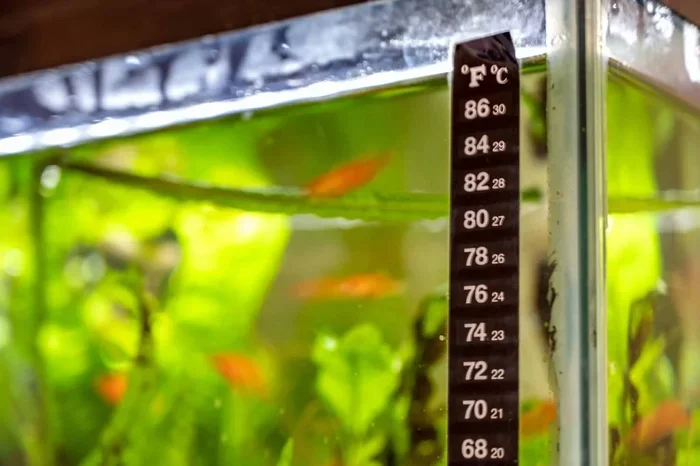
Temperature and water parameters should match the needs of all species in the tank. If one fish needs warmer water and another prefers cooler conditions, the setup will not work well long term. Compatibility is not only about personality. It is also about creating a shared environment where everyone can stay healthy and comfortable.
Behavior to Watch When You Ask Can a Female Betta Live With Other Fish
Even with good planning, you should pay close attention to behavior. A common mistake is assuming that one peaceful introduction means the tank will always stay peaceful. Fish relationships can change over time. A betta may be calm at first and then become more protective of a certain area. New fish may also behave differently once they settle in.
Watch for signs of stress. These can include hiding all day, fading color, clamped fins, or refusing food. On the other hand, constant chasing, nipping, or blocking access to food can signal trouble. If you see these problems, do not ignore them. Small issues can grow quickly in a community tank.
Signs Your Betta Is Stressed or Aggressive
A stressed betta may spend more time than usual in one corner or behind decorations. She may also flare more often or act jumpy when other fish approach. Some bettas become quieter when they feel unsafe. Others become more assertive. Either way, a change in behavior is worth noticing.
Aggression does not always look dramatic. Sometimes it shows up as repeated patrols of the same area. A betta may not chase hard, but she may keep reminding other fish to stay away. That can still be stressful for tank mates. If the behavior continues for days, you may need to rethink the combination of fish or improve the tank layout.
Signs Your Tank Mates Are Struggling
Tank mates can have a hard time even if the betta is not openly attacking them. If smaller fish stay hidden all the time, they may not be getting enough food or feel safe enough to act naturally. If fish from the middle or bottom of the tank keep getting pushed around, the balance may be off. A healthy community should allow each fish to eat, rest, and move around with reasonable freedom.
Feeding time is a good moment to observe. If one fish dominates every bite, others may not get enough nutrition. If a betta guards the surface too aggressively, slower fish may struggle to feed. You can reduce these problems by spreading food across different areas of the tank and making sure all fish have access.
How to Introduce New Fish Safely
If you are still asking can a female betta live with other fish and want to avoid problems, the introduction process matters a lot. Adding fish carefully gives everyone time to adjust. It also helps you spot issues early. A rushed introduction can lead to unnecessary conflict, especially if the tank is already established.
Start by preparing the tank before adding new fish. Make sure the water is stable and the environment has enough cover. If possible, add the new fish in small groups rather than all at once. This keeps the tank from becoming too crowded too quickly. It also gives the betta time to get used to the new presence without feeling overwhelmed.
Slow Introduction and Acclimation Tips
Acclimate new fish slowly. Match the temperature and water conditions as closely as possible before moving them into the tank. Give them time to settle without sudden changes. Once they are in the tank, watch how the betta reacts. Some curiosity is normal. Constant hostility is not.
It can help to rearrange a few decorations before adding new fish. A fresh layout can break up old territories and reduce the chance that the betta sees the whole tank as her personal space. This does not solve every problem, but it can make introductions smoother. After the new fish are added, keep an eye on feeding and movement for the first few days.
Monitoring the First Few Weeks
The first few weeks are the most important. During this time, pay attention to how fish share the tank. Are they using different areas? Is the betta relaxing after the first day or two? Are the new fish eating normally? These are all good signs. If tension stays high, you may need to separate a fish or try a different combination.
Keep notes if you can. A simple observation log helps you remember what changed and when. If a problem appears, you will have a clearer idea of what triggered it. This makes it easier to adjust the tank wisely instead of guessing.
Common Mistakes When Keeping a Female Betta With Other Fish
One of the biggest mistakes is choosing tank mates based only on appearance. A fish may look beautiful, but that does not mean it is a good match. Temperament matters more than color or shape. Another mistake is using a tank that is too small. Even peaceful fish need room to live comfortably. When space is limited, behavior often gets worse.
Overcrowding is another common issue. People sometimes add too many fish because they want a busy tank. A crowded tank is not necessarily a healthy one. It can create stress, poor water quality, and more aggression. It is better to keep fewer fish and give them a well-planned environment than to pack the tank full.
Overcrowding and Poor Tank Choices
Overcrowding makes everything harder. Waste builds up faster, water quality drops, and fish have less room to avoid each other. That combination can turn a calm betta into a tense one. It can also make shy tank mates feel trapped. A simpler, more spacious setup usually works better than a packed one.
Poor decoration choices can also cause problems. A bare tank offers no shelter, while an overcrowded arrangement can create too many blind spots and territorial corners. Aim for a balanced layout. Give fish places to rest and places to move through, but do not make the tank feel cramped or confusing.
Ignoring Feeding and Water Quality
Feeding problems can quietly damage a community tank. If food is only offered in one spot, dominant fish may take most of it. Weaker fish may not get enough. Spreading food around and offering appropriate portions helps every fish eat comfortably. It also reduces competition during meals.
Water quality should never be overlooked. Even compatible fish can struggle if the tank is dirty or the filter is not working well. Regular maintenance keeps the environment steady. That stability matters because fish are more likely to get along when they are healthy and not dealing with constant stress.
Expert Tips for a Successful Community Tank
A successful community tank is usually built on patience and observation. Start with a solid plan, choose calm tank mates, and give the betta enough space. Then watch how the fish behave before making more changes. Small adjustments often make a big difference. Moving a plant, adding cover, or changing feeding spots can improve the whole setup.
It also helps to keep expectations realistic. Not every betta will thrive with every tank mate. Some females are naturally more assertive than others. Some fish are bolder or more nervous. The goal is not to force every species to live together. The goal is to create a tank where the fish can coexist peacefully and show natural behavior.
Quick Tips for Long-Term Success
- Choose tank mates with similar water needs and calm behavior.
- Give the betta vertical space near the surface and shelter below.
- Add tank mates gradually instead of all at once.
- Feed in multiple spots to reduce competition.
- Keep the tank clean and the water parameters stable.
- Watch for stress signs and act early if problems appear.
- Be ready to separate fish if the tank remains tense.
When to Separate or Rehome a Tank Mate
Sometimes the best choice is to separate fish. If one fish is constantly harassed, not eating, or showing clear signs of stress, the setup may not be right. A separate tank or rehoming option can protect the fish that is struggling. It is better to make a change than to leave a fish in a harmful situation.
Separation is not failure. It is responsible care. A betta may do better alone or with a different set of tank mates. Another fish may be happier in a tank that suits its needs better. The right outcome is a healthy, calm environment, even if that means changing your original plan.
Conclusion
So, can a female betta live with other fish? Yes, many can, as long as you choose compatible tank mates and build a thoughtful environment. A female betta may be calmer than a male, but she still needs space, shelter, and respectful neighbors. When you match peaceful species with a well-maintained tank, community life can be both beautiful and practical.
The best results come from careful planning and steady observation. Start with a tank that gives every fish room to feel secure. Pick calm companions that share similar water needs. Introduce new fish slowly, watch their behavior, and make adjustments when needed. With the right approach, your female betta can enjoy a lively community tank without constant stress or conflict.
Frequently Asked Questions
Can a female betta live with other fish without fighting?
Yes, a female betta can live peacefully with other fish if you choose calm tank mates and give them enough space. She may still show some territorial behavior, so monitoring is important.
What fish should I avoid with a female betta?
Avoid fin nippers, highly aggressive fish, and species that are much faster or larger than your betta. Fish that compete aggressively for food or space can cause ongoing stress.
How big should the tank be for a female betta and tank mates?
A larger tank is always better because it reduces crowding and gives fish room to avoid each other. More space also helps water stay stable, which supports calmer behavior.
Can I keep shrimp or snails with a female betta?
Sometimes yes, but it depends on the individual betta. Snails are often safer, while shrimp may be at risk if the betta views them as food. Plenty of hiding places improves the chances.
How do I know if my female betta is stressed by tank mates?
Signs include constant hiding, fading color, clamped fins, poor appetite, or repeated flaring and chasing. If these signs continue, the tank setup may need changes.
Should I add tank mates all at once or one at a time?
It is usually better to add tank mates gradually so the betta can adjust and you can watch for problems. Slow introductions make it easier to spot compatibility issues early.