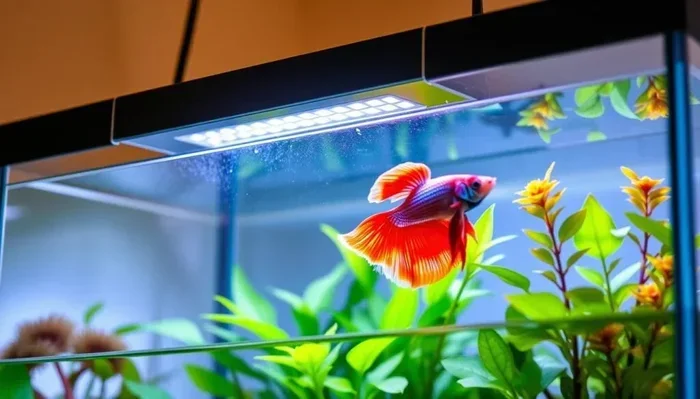
Do Betta Fish Need a Heater in Australia for Healthy Living
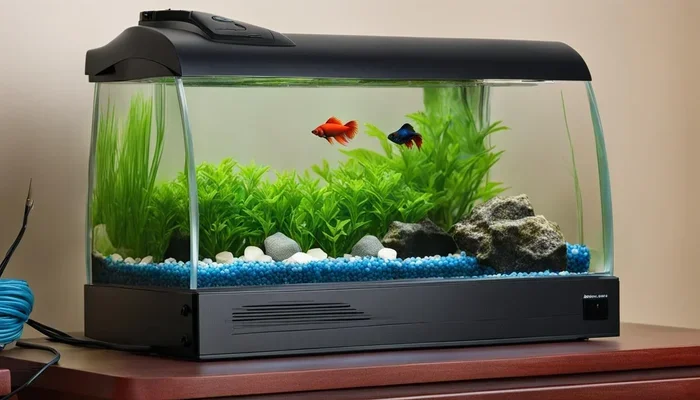
Do betta fish need a heater in Australia? Yes, they do. These tropical fish thrive in warm, stable water. Australian homes often get cool at night, so a heater keeps your betta safe. Without warmth, your fish can get sick, slow down, or stop eating. A small heater makes a big difference for long, happy life.
Key Takeaways
- Warm water is essential: Bettas are tropical fish that need steady temperatures between 24°C and 27°C.
- Australian climates vary: Indoor rooms can drop at night, especially in winter, so a heater helps maintain stability.
- Watch for stress signs: Lethargy, fading color, and loss of appetite often mean the water is too cold.
- Choose the right wattage: Small tanks need low-watt heaters, while larger tanks need more power to heat evenly.
- Use a thermometer: A simple stick-on or digital thermometer helps you track temperature changes accurately.
- Maintain, don’t guess: Regular water checks and gentle adjustments keep your betta healthy without sudden swings.
- Add warmth, not chaos: A reliable heater with a thermostat prevents cold shocks and supports natural behavior.
📑 Table of Contents
- Do Betta Fish Need a Heater in Australia for Healthy Living
- Why Warm Water Matters for Bettas
- Do Betta Fish Need a Heater in Australia Year-Round
- Choosing the Right Heater for Your Tank
- Setting Up and Monitoring Temperature
- Signs Your Betta Is Too Cold
- Common Mistakes and Quick Tips
- Expert Insights for Stable Warmth
- Conclusion
Do Betta Fish Need a Heater in Australia for Healthy Living
If you just brought home a beautiful betta, you might wonder about the best way to care for it. Many new owners ask the same question: do betta fish need a heater in Australia for healthy living? The short answer is yes. Bettas come from warm, tropical waters. They do best when the water stays warm and steady. Australia has a wide range of climates, and indoor rooms can cool down at night or during winter. Even a slight drop can stress a betta. A good heater helps keep the water in the right range, so your fish stays active, colorful, and healthy.
This guide will walk you through why warmth matters, how to pick the right heater, and what signs show your fish is too cold. You will also learn simple setup tips, common mistakes to avoid, and easy ways to keep your tank stable. By the end, you will feel confident about creating a comfortable home for your betta.
Why Warm Water Matters for Bettas
Bettas are tropical fish. In the wild, they live in warm ponds, slow streams, and rice fields where the temperature stays fairly constant. That warmth supports their metabolism, digestion, and immune system. When the water gets too cool, their body slows down. They move less, eat less, and become more vulnerable to illness.
A stable temperature also helps your betta show natural behavior. You will see more exploring, more flaring, and more interaction at the glass. Warm water keeps their fins healthy and their colors bright. It also supports beneficial bacteria that keep the tank clean. In short, warmth is not a luxury. It is a basic need for a thriving betta.
Ideal Temperature Range
Most bettas do best between 24°C and 27°C. This range supports normal activity without overheating the fish. You do not need to aim for the very top of the range unless your fish seems to prefer it. Consistency matters more than a perfect number. Sudden changes are stressful, so avoid big swings day to day.
How Cold Affects Behavior
When water drops below the ideal range, bettas often become sluggish. They may rest on the bottom more often or hide among plants and rocks. Their appetite can fade, and their colors may look dull. These are clear signs that the tank is too cold. If you notice these changes, check your temperature right away and adjust gently.
Do Betta Fish Need a Heater in Australia Year-Round
Australia’s climate varies from tropical north to cooler south. Indoor rooms can feel comfortable for people but still run too cool for a tropical fish. Air conditioning, open windows, and nighttime drops can lower tank temperature without you noticing. That is why many owners ask, do betta fish need a heater in Australia even when the weather feels warm.
The answer depends on your home. If your room stays steady in the ideal range day and night, you may not need a heater all the time. But most homes have some variation. A heater gives you control. It keeps the water stable when the room cools, and it helps during winter months. Stability is the real goal, not just a warm number on a thermometer.
Seasonal Changes to Watch
During winter, indoor temperatures can fall enough to stress a betta. Even in warmer states, nights can get chilly. In southern areas, the drop can be more noticeable. Summer can also bring swings if you use air conditioning or place the tank near a drafty window. A heater with a thermostat helps smooth out these changes.
Room Temperature vs Tank Temperature
The room can feel warm while the water stays cooler. Glass tanks lose heat faster than air holds it. Small bowls and nano tanks cool down quickly, especially at night. That is why measuring water temperature matters more than guessing by feel. A simple thermometer gives you the real picture.
Choosing the Right Heater for Your Tank
Picking the right heater makes care easier. You want something safe, reliable, and sized for your tank. A heater that is too weak will run all the time and still struggle. A heater that is too strong can raise the temperature too fast. Match the heater to your tank size and setup.
Wattage Guidelines
As a general guide, small tanks need less power, and larger tanks need more. Here is a simple comparison to help you choose.
| Tank Size | Suggested Heater Wattage | Notes |
|---|---|---|
| 10 to 15 litres | 25 to 50 watts | Good for small betta tanks and desktop setups |
| 20 to 30 litres | 50 to 75 watts | Common range for standard betta tanks |
| 40 to 60 litres | 75 to 100 watts | Better for larger tanks or community setups |
These numbers are starting points. If your room runs cold, you may need a slightly stronger heater. If your room stays warm, a smaller heater may be enough. Always check the product details and choose one with a thermostat for steady control.
Submersible vs Hang-On Options
Submersible heaters sit fully in the water. They are easy to hide behind plants or decor. Hang-on heaters clip to the rim and expose part of the heater outside the water. Both can work well for bettas. Submersible models are often easier to adjust and position. Hang-on models can be simple to install in smaller tanks. Choose the style that fits your tank shape and your comfort level.
Thermostat and Safety Features
A built-in thermostat helps the heater turn on and off as needed. This keeps the temperature steady and reduces the risk of overheating. Look for clear temperature controls and a reliable design. Safety matters too. Choose a heater with a sturdy build and a guard that helps protect your fish from direct contact. Always unplug the heater before doing water changes or maintenance.
Setting Up and Monitoring Temperature
Once you have a heater, the next step is setup and monitoring. Proper placement and regular checks make a big difference. You do not need fancy gear to get started. A good heater, a thermometer, and a little routine will keep things on track.
Placement Tips
Place the heater where water can flow around it. This helps heat spread evenly through the tank. Many people hide it behind plants or decor, which also keeps it out of direct view. Avoid placing it too close to the filter outflow if that creates strong, uneven currents. For bettas, gentle flow is best. They prefer calm water with some movement, not a strong blast.
Using a Thermometer
A thermometer tells you the true water temperature. Stick-on strip thermometers are easy to read and affordable. Digital thermometers can be more precise. Place the thermometer on the opposite side of the tank from the heater for a balanced reading. Check it at different times of day, especially in the morning and at night. This helps you spot changes before they become problems.
Adjusting Slowly
If the temperature is off, change it slowly. Raise or lower the setting in small steps and wait several hours before checking again. Sudden changes stress fish. Patience keeps your betta calm and safe. If you need to warm the tank quickly during an emergency, do it carefully and monitor closely. Steady progress is better than a fast spike.
Signs Your Betta Is Too Cold
Bettas usually show clear signs when they are uncomfortable. Learning these signs helps you act early. Cold stress can build up over time, so it is smart to watch for small changes.
Behavior Changes
A cold betta often becomes less active. It may hover in one spot, rest on the substrate, or hide more than usual. You might notice less interest in food or slower reaction at the surface. These changes can happen gradually, so compare your fish’s behavior over several days.
Physical Signs
Fins may look clamped or folded instead of flowing naturally. Colors can fade or look less vibrant. In some cases, a betta may develop a dull appearance overall. These signs do not always mean cold alone, but temperature is one of the first things to check. If the water is too cool, warming it gently often helps the fish perk up.
Appetite and Digestion
Bettas in cooler water often eat less. Their digestion slows down, which can lead to uneaten food and poorer water quality. If your fish skips meals or spits food repeatedly, check the temperature first. Once the water warms back up, appetite usually improves.
Common Mistakes and Quick Tips
Even experienced owners can make simple mistakes with heaters. Avoiding these pitfalls keeps your betta safer and your tank easier to manage.
Common Mistakes
- Setting and forgetting: Never assume the heater is perfect forever. Check temperature regularly.
- Using the wrong size: A heater that is too weak or too strong can cause stability problems.
- Ignoring room conditions: Drafts, air conditioning, and nighttime cooling all affect tank temperature.
- Skipping the thermometer: Guessing the temperature leads to missed issues.
- Moving the heater carelessly: Always unplug it before maintenance to stay safe.
Quick Tips
- Place the tank wisely: Keep it away from cold drafts, direct blasts of air conditioning, and sunny windows that cause swings.
- Check morning and night: Temperature can shift while you sleep, so monitor both times.
- Use a timer for lights: A consistent light cycle supports a stable routine and healthier behavior.
- Keep water changes gentle: Match new water to tank temperature before adding it.
- Observe daily: A few minutes of watching your betta can reveal stress early.
Expert Insights for Stable Warmth
Experienced keepers focus on stability more than perfection. A steady range in the low to mid 20s works well for most bettas. The best setup is one you can maintain easily. That means a heater you trust, a thermometer you check, and a tank location that avoids big temperature swings.
It also helps to think about the whole environment. Plants, gentle filtration, and regular maintenance all support a healthy tank. If you ever wonder whether your betta is comfortable, look at the whole picture: temperature, behavior, appetite, and water quality. When these line up, your fish is more likely to thrive.
If you are new to betta care, start simple. Choose a heater with a thermostat, add a thermometer, and learn your tank’s patterns. Once you know how your room affects the water, you can make small adjustments with confidence. That approach makes care easier and keeps your betta more comfortable.
Conclusion
So, do betta fish need a heater in Australia for healthy living? In most homes, yes. Warm, stable water supports your betta’s health, behavior, and comfort. Even if your room feels warm, the water can still cool down at night or during winter. A reliable heater with a thermostat gives you control and peace of mind. Pair it with a thermometer, watch for signs of cold stress, and make changes slowly. With these simple steps, you can create a safe, cozy home where your betta can flourish.
Frequently Asked Questions
Do betta fish need a heater in Australia if my room feels warm?
Yes, they often still need one. Room air can feel warm while the water cools down, especially at night or near windows. A heater keeps the water stable for your betta.
What temperature is best for a betta fish in Australia?
Most bettas do well between 24°C and 27°C. Consistency matters more than hitting an exact number. Avoid big temperature swings from day to day.
Can a betta fish live without a heater in a warm Australian climate?
Sometimes, if the water stays steady in the ideal range day and night. But even in warm areas, nighttime drops and air conditioning can cool the tank. A heater is the safer choice for stability.
How many watts should a betta tank heater be?
It depends on your tank size. Small tanks usually need 25 to 50 watts, while medium tanks often need 50 to 75 watts. Choose a heater with a thermostat and match it to your setup.
How do I know if my betta is too cold?
Look for sluggish movement, hiding, clamped fins, faded color, and less interest in food. These can be signs of cold stress. Check the water temperature and warm it gently if needed.
Should I turn the heater off at night?
No, you should not turn it off if your tank needs warmth. The goal is steady temperature around the clock. A thermostat-controlled heater is designed to cycle on and off safely.