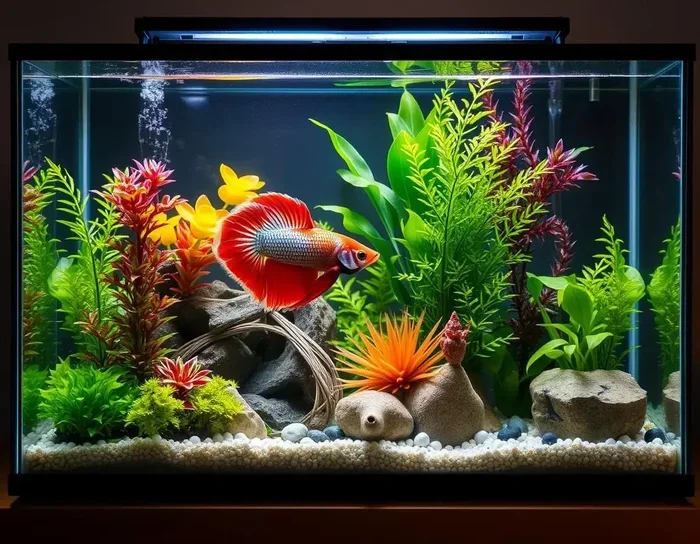
Do Betta Fish Like Crowded Tanks Facts Every Owner Must Know
Do betta fish like crowded tanks? The short answer is no. These stunning pets need open space to swim, breathe, and stay healthy. A cramped aquarium causes stress, poor water quality, and shorter lifespans. This guide explains exactly why tank size matters, what signs show your fish feels trapped, and how to build a safe home they will love.
Key Takeaways
- Bettas hate cramped spaces: Small bowls or overstocked tanks cause chronic stress and weak immunity.
- Minimum tank size matters: Start with at least five gallons for a single betta to thrive.
- Overcrowding ruins water quality: Too many fish spike ammonia and nitrate levels quickly.
- Watch for stress signs: Clamped fins, hiding, and faded color mean the space feels too tight.
- Give them room to explore: Open swimming areas and gentle decor reduce anxiety.
- Choose calm tank mates carefully: Peaceful, small fish work better than aggressive or fast species.
- Test water often: Regular checks keep a busy tank safe and your betta comfortable.
📑 Table of Contents
- Do Betta Fish Like Crowded Tanks?
- Why Tank Size Matters for Bettas
- Signs Your Betta Feels Cramped
- The Truth About Overcrowding and Water Quality
- Best Tank Setup for a Happy Betta
- Safe Tank Mates and Stocking Rules
- Common Mistakes When Stocking a Betta Tank
- Expert Tips for a Calm, Healthy Aquarium
- Final Thoughts on Tank Space and Betta Comfort
Do Betta Fish Like Crowded Tanks?
Many new fish keepers wonder, do betta fish like crowded tanks? The honest answer is no. These beautiful creatures prefer calm, open water with plenty of room to move. A packed aquarium creates stress that shows up in their behavior and health. When a tank feels cramped, water quality drops fast. Waste builds up, oxygen levels fall, and your fish has nowhere to escape. That is why choosing the right size and stocking carefully matters so much.
You might see tiny bowls sold in stores and think they look cute. They are not ideal for long-term care. A small container makes it hard to maintain stable temperature and clean water. It also limits natural swimming patterns. Bettas come from shallow rice paddies and slow streams in Southeast Asia. Those waters are wide and gently moving, not tight and crowded. Giving them space matches their natural instincts and supports a longer, happier life.
Why Tank Size Matters for Bettas
Tank size shapes everything in your aquarium. The water volume holds temperature better. It also dilutes waste so toxins do not spike overnight. A larger tank gives your betta space to patrol, rest, and explore. When you ask do betta fish like crowded tanks, you are really asking about their comfort and survival. More space means less competition and lower stress.
Small tanks heat up and cool down quickly. That swing stresses fish and weakens their immune system. A five-gallon tank is the widely accepted minimum for one betta. It offers enough water to stay stable and enough floor space for gentle swimming. Larger tanks, like ten or twenty gallons, make care even easier. They forgive small mistakes and give you room to add plants and safe decor.
The Minimum Tank Size Rule
Start with at least five gallons for a single betta. This size supports a simple filter and a gentle heater. It also gives you room to create a natural layout with plants and hiding spots. Smaller containers may look simple, but they demand constant water changes and careful feeding. A slightly larger tank reduces daily work and keeps your fish safer.
How Water Volume Affects Health
More water means more stable conditions. Ammonia and nitrite stay lower between cleanings. Temperature stays steadier. Your betta spends less energy coping with changes and more energy acting naturally. Stable water also helps fins grow fully and colors stay bright. If you ever notice your fish fading or hiding more, check the tank size and stocking level first.
Signs Your Betta Feels Cramped
You can often spot discomfort before serious health issues appear. Watch your fish closely each day. Look for changes in movement, color, and posture. These clues tell you if the space feels too tight or if the tank is overstocked. When people ask do betta fish like crowded tanks, the behavior often gives the clearest answer.
Common signs include:
- Constant pacing along the glass
- Hiding behind decor all day
- Clamped fins that stay close to the body
- Faded or dull color
- Quick breathing at the surface
- Less interest in food
These behaviors do not always mean the tank is too small. They can also signal poor water or illness. Still, they are strong hints to review your setup. A calm betta explores, flares occasionally, and rests without looking tense.
Behavior Changes to Watch
A comfortable betta shows curiosity. It swims slowly across open areas and investigates new plants or toys. If your fish stays in one corner or darts away from gentle movement, something feels wrong. Stress can build quietly, so check water parameters and reduce crowding if needed. Early changes prevent bigger problems later.
Physical Symptoms of Stress
Long-term crowding can lead to torn fins, spots, or sluggish growth. Stress lowers immunity, so minor issues become serious faster. Keep an eye on the body shape and fin edges. Clean water, proper temperature, and enough room help the body recover. If symptoms continue, test the water and consider a bigger home.
The Truth About Overcrowding and Water Quality
Crowded tanks push water quality to the limit. Fish produce waste, and beneficial bacteria need time and surface area to break it down. Too many fish or too little water causes ammonia to rise. That toxin burns gills and harms the nervous system. Even if the water looks clear, harmful compounds can still be present.
Good filtration helps, but it cannot fix an overloaded tank. You still need regular testing and partial water changes. A simple routine keeps the environment safe. Test ammonia, nitrite, and nitrate weekly. Change ten to twenty percent of the water when numbers climb. This habit matters a lot when you wonder do betta fish like crowded tanks and want a healthy setup.
Ammonia and Nitrate Buildup
Ammonia comes from fish waste and leftover food. In a tight tank, it rises quickly. Nitrite follows as bacteria process ammonia. Both are dangerous at low levels. Nitrate is less toxic but still harmful in high amounts. Plants can help absorb some nitrate, but they do not replace water changes. Keep the load light and the water clean.
Why Filtration Alone Is Not Enough
Filters move water and host helpful bacteria. They do not remove all waste by themselves. A strong filter in a tiny, crowded tank still struggles. The real fix is balance: enough water, moderate feeding, and sensible stocking. Think of filtration as support, not a cure for overcrowding.
Best Tank Setup for a Happy Betta
A great setup feels open, calm, and easy to maintain. Use a tank that matches your space and your schedule. Add gentle filtration and a reliable heater. Include live or soft artificial plants, smooth rocks, and a quiet substrate. Leave open swimming areas so your betta can move without bumping into sharp objects.
Many keepers ask do betta fish like crowded tanks because they want to add more fish or decor. More decor is fine when it leaves swimming room. More fish requires careful choices. Start with one betta and a simple layout. Once the tank runs smoothly for a few weeks, you can think about safe companions.
Ideal Tank Size and Shape
A five-gallon tank is a strong starting point. A ten-gallon tank gives even more stability and room. Rectangular tanks usually offer better swimming space than tall, narrow ones. Bettas spend time near the surface, so a tank with a good surface area helps them breathe and explore comfortably.
Plants, Decor, and Open Swimming Space
Use plants to create gentle borders and hiding places. Java fern, anubias, and floating plants work well. Avoid sharp plastic decor that can tear fins. Keep one side of the tank fairly open so your fish can glide through clear water. A balanced layout feels natural and reduces stress.
Safe Tank Mates and Stocking Rules
If you want company in the aquarium, choose calm and small species. Bettas can live with peaceful fish that do not chase or nip fins. Small tetras, rasboras, and certain bottom dwellers can work in larger tanks. Always research each species before adding it. When you think about do betta fish like crowded tanks, remember that the betta’s temperament matters as much as the water volume.
Stocking rules help prevent trouble. A common guideline is the one-inch-per-gallon rule, but that is only a rough starting point. Body shape, waste production, and activity level matter too. It is safer to understock than to crowd. Watch how your betta reacts to new neighbors. If it chases constantly or hides all day, the mix may not work.
Good Companions for Bettas
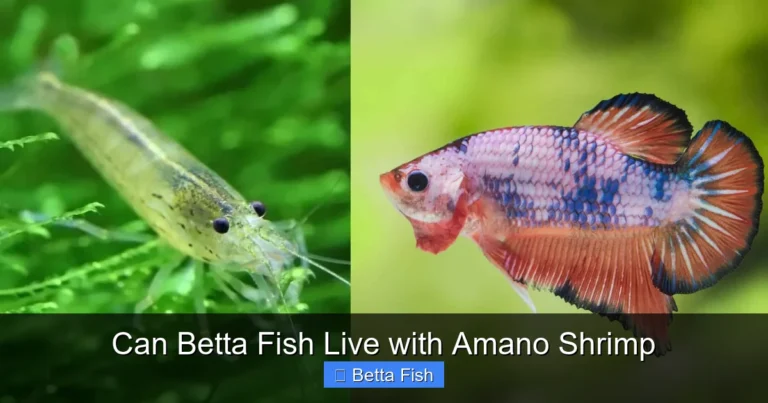
Peaceful schooling fish can distract a betta and use different parts of the tank. Small tetras and rasboras often do well in bigger setups. Snails and shrimp can help clean up leftover food, though some shrimp may be eaten. Add new fish slowly and watch the tank for a few days before adding another.
When to Keep a Betta Alone
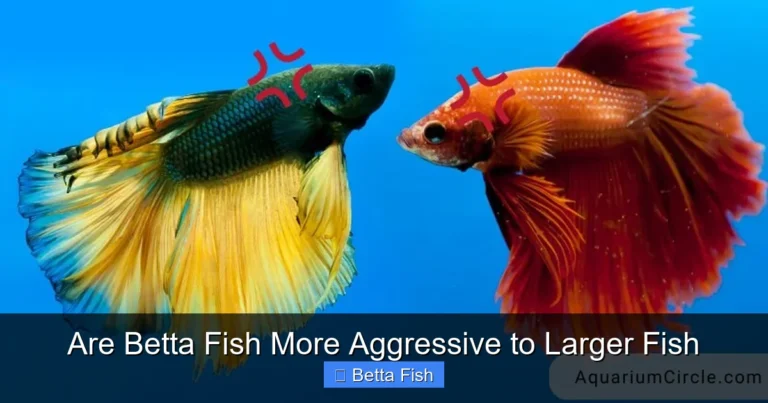
Some bettas prefer a quiet solo home. Males can be territorial, and some females do best alone too. A single-betta tank is simple, calm, and easy to manage. If your fish shows strong aggression or stress around others, a solo setup is the kindest choice. A spacious solo tank still gives plenty of room to thrive.
Common Mistakes When Stocking a Betta Tank
New keepers often make the same errors. They buy a tiny bowl because it looks easy. They add too many fish too quickly. They skip water testing and rely on clear water alone. These habits create stress and shorten the life of the fish. Avoiding them is simple once you know what to watch for.
Another mistake is ignoring the betta’s personality. Some fish are bold and curious. Others are shy and easily bothered. A crowded tank amplifies those traits in a bad way. A calmer layout lets each fish show its true nature. That is why the question do betta fish like crowded tanks has such an important answer.
Overfeeding in Small Spaces
Extra food turns into extra waste. In a tight tank, that waste spikes toxins faster. Feed small portions your fish can finish in a few minutes. Remove uneaten bits after feeding. This simple habit keeps water cleaner and reduces crowding stress.
Skipping Water Tests
Clear water can still hold harmful compounds. Test kits reveal what your eyes cannot see. Check ammonia, nitrite, nitrate, and pH on a regular schedule. Early detection lets you fix problems before your fish feels the impact. Testing is one of the best tools for a safe tank.
Adding Too Many Fish Too Fast
A new tank needs time to mature. Beneficial bacteria grow slowly. Adding many fish at once overwhelms the system. Introduce companions gradually and wait between additions. Give the tank time to adjust. Patience protects your betta and keeps the water steady.
Expert Tips for a Calm, Healthy Aquarium
Small changes make a big difference. Keep the tank in a quiet spot away from loud noise and direct sun. Use a gentle filter flow so the betta does not fight strong currents. Maintain a steady temperature around 78 to 80 degrees Fahrenheit. Clean the glass, prune plants, and vacuum the substrate lightly during water changes.
Observe your fish daily. Notice how it swims, eats, and rests. If you see stress signs, act early. Reduce feeding, check the water, and review the tank layout. A thoughtful routine keeps the aquarium stable. That stability answers the real concern behind do betta fish like crowded tanks: your fish wants a safe, open, and clean home.
Routine Care That Reduces Stress
Set a simple schedule. Test water once a week. Change a portion of water regularly. Clean the filter media in old tank water, not tap water, so helpful bacteria survive. Keep lighting consistent with a day-night cycle. These habits create a peaceful environment your betta can rely on.
When to Upgrade the Tank
If your betta seems cramped or the water swings too much, consider a larger tank. More space improves stability and gives you options for plants and gentle mates. Upgrading does not have to be dramatic. Even moving from a small setup to a five-gallon or ten-gallon tank can change your fish’s life for the better.
Final Thoughts on Tank Space and Betta Comfort
Bettas do best when they have room to swim, clean water to breathe, and a calm place to rest. A crowded tank works against all of those needs. It raises stress, weakens health, and makes care harder. A well-sized tank with gentle stocking keeps your fish active and bright. When you plan your aquarium, think about comfort first and add only what the space can support.
If you are still asking do betta fish like crowded tanks, let behavior be your guide. A relaxed betta explores, eats well, and rests without tension. Give it enough water, keep the load light, and maintain a steady routine. Your fish will reward you with better color, stronger fins, and a longer life.
Frequently Asked Questions
Do betta fish like crowded tanks with other fish?
Most bettas feel stressed in crowded tanks, especially with aggressive or fast fish. They usually do best alone or with one or two calm tank mates in a larger aquarium. Watch their behavior closely before adding more fish.
What is the minimum tank size for a betta?
A five-gallon tank is a good minimum for one betta. It offers better water stability and enough room to swim. Larger tanks make care easier and reduce stress even more.
Can a betta live in a small bowl?
A betta can survive in a bowl for a short time, but it is not ideal for long-term health. Small bowls heat and cool quickly and hold poor water quality. A filtered tank with more water is a much safer choice.
How do I know if my tank is too crowded?
Look for constant hiding, clamped fins, faded color, and rapid breathing. These can signal stress from limited space or poor water. Test the water and reduce stocking if the signs continue.
What fish can live with a betta without crowding the tank?
Peaceful, small fish like some tetras or rasboras can work in a larger tank with enough swimming room. Snails and certain shrimp may also fit, though some shrimp can be eaten. Always add companions slowly and monitor the betta’s reaction.
Does a bigger tank really make a difference for bettas?
Yes, a bigger tank holds temperature and water quality more steadily. It also gives your betta more space to move and explore. That extra room lowers stress and supports better overall health.