Can I Put a Betta Fish with Mollies

Can you put a betta fish with mollies? It’s possible, but it comes with real risks. Bettas are territorial and may see mollies as threats, especially if they have similar colors or flowing fins. Success depends on tank size, individual fish temperament, and careful monitoring. This guide covers everything you need to know before combining these two popular freshwater fish.
Key Takeaways
- Bettas and mollies can coexist, but it’s not guaranteed. Success depends heavily on the individual temperament of your betta and the setup of your tank.
- Tank size matters enormously. A minimum of 20 gallons is recommended to give both species enough space and reduce territorial aggression.
- Water parameter differences are a concern. Bettas prefer soft, slightly acidic water while mollies thrive in harder, slightly alkaline water, making compromise essential.
- Male bettas are riskier tank mates than females. Male bettas tend to be more aggressive and territorial than their female counterparts.
- Always have a backup plan. Be ready to separate the fish immediately if aggression or stress becomes apparent.
- Proper tank setup with hiding spots is critical. Plants, caves, and decorations help mollies escape if your betta becomes aggressive.
- Monitor behavior closely for the first few weeks. Early signs of stress or aggression should not be ignored.
📑 Table of Contents
- Can I Put a Betta Fish with Mollies? The Complete Guide
- Understanding Betta Fish Temperament
- Understanding Molly Fish Behavior
- Water Parameters: The Hidden Challenge
- Tank Setup Requirements for Bettas and Mollies
- How to Introduce Bettas and Mollies Safely
- Feeding Bettas and Mollies Together
- Alternative Tank Mollies for Your Betta
- Common Mistakes to Avoid
- Final Verdict: Should You Put a Betta Fish with Mollies?
Can I Put a Betta Fish with Mollies? The Complete Guide
If you’ve ever stared at your betta fish tank and thought about adding some colorful mollies to the mix, you’re not alone. This is one of the most common questions in the freshwater aquarium hobby. The short answer is yes, you can put a betta fish with mollies — but the longer answer is far more complicated. Whether it actually works depends on a handful of critical factors that we’re going to break down for you right now.
Bettas and mollies are both incredibly popular freshwater fish. Bettas are known for their stunning colors and dramatic fins. Mollies are peaceful, active, and come in a wide variety of colors and patterns. On paper, they seem like they’d make great tank mates. In reality, combining these two species requires careful planning, the right environment, and a willingness to separate them if things go wrong. Let’s dive deep into everything you need to know about keeping bettas and mollies together.
Understanding Betta Fish Temperament
Why Bettas Have a Reputation for Aggression
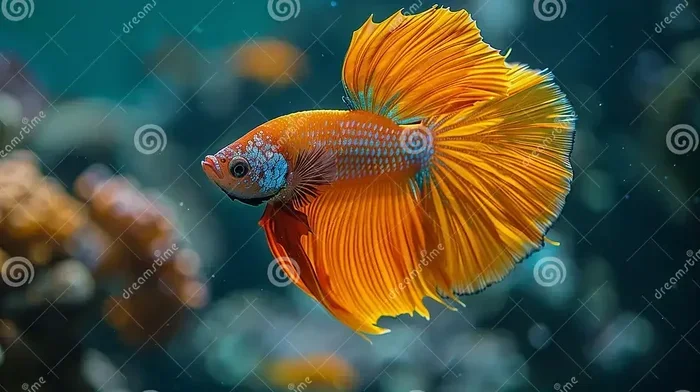
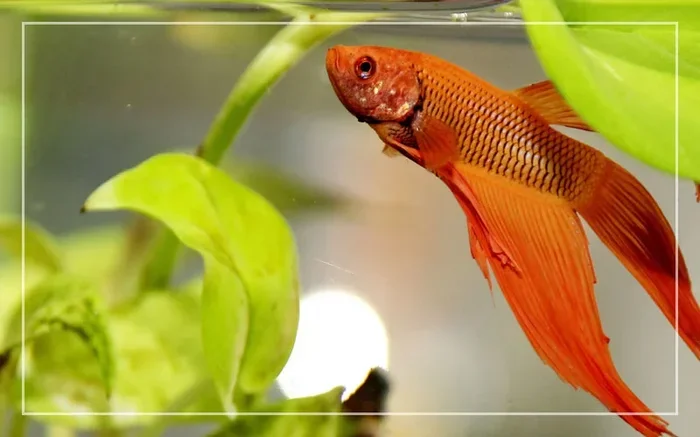
Betta fish, also known as Siamese fighting fish, earned their name for a reason. Male bettas are naturally territorial and aggressive, especially toward fish that look similar to them. In the wild, bettas defend small territories in shallow rice paddies and slow-moving streams. That instinct doesn’t disappear just because they’re living in a glass tank in your living room.
Male bettas are the most aggressive. They flare their gills, spread their fins, and attack anything they perceive as a rival. Female bettas are generally less aggressive, though they can still be feisty. The key thing to understand is that every betta has a unique personality. Some are surprisingly chill, while others will attack anything that moves. You won’t know which type you have until you introduce tank mates.
What Triggers Betta Aggression?
Several things can set a betta off. Bright colors on other fish are a major trigger. Flowing fins that resemble another betta are another. Mollies, especially certain varieties like balloon mollies or lyretail mollies, can sometimes trigger a betta’s aggression because of their size, color, or fin shape. Orange, red, and black mollies are particularly risky because these colors can make a betta feel threatened.
Territorial behavior also increases in smaller tanks. A betta in a 5-gallon tank is far more likely to attack a molly than a betta in a 30-gallon tank. Space is one of the most important factors when considering whether to put a betta fish with mollies.
Understanding Molly Fish Behavior
The Peaceful Nature of Mollies
Mollies are generally considered community fish. They’re active swimmers, peaceful by nature, and get along well with a wide variety of tank mates. They’re livebearers, meaning they give birth to live young rather than laying eggs, and they’re relatively hardy fish that adapt well to different water conditions.
However, mollies are not completely passive. Male mollies can sometimes be mildly aggressive toward each other, especially when competing for females. They’re also fast, active swimmers that may inadvertently stress out a betta by constantly moving around the tank. A betta that prefers calm waters might find a group of energetic mollies annoying or threatening.
Molly Varieties and Their Impact on Compatibility
Not all mollies are created equal when it comes to betta compatibility. Here’s a quick breakdown:
- Sailfin Mollies: These are larger and have dramatic dorsal fins. Their size and finnage can trigger betta aggression. Not the best choice.
- Balloon Mollies: Their rounded bodies and flowing fins can be problematic. They’re also slower swimmers, making them easy targets.
- Common/Short-finned Mollies: These are your best bet. They’re smaller, less flashy, and faster swimmers that can get away from an aggressive betta.
- Black Mollies: Their dark coloration can sometimes trigger bettas, though many keepers report success with this variety.
When choosing mollies to pair with a betta, go for short-finned varieties in neutral colors like silver or dalmatian patterns. Avoid anything too flashy or slow-moving.
Water Parameters: The Hidden Challenge
Bettas vs. Mollies — Different Preferences
One of the biggest overlooked challenges of keeping bettas with mollies is water chemistry. These two species come from different environments and have different ideal water parameters.
Bettas prefer:
- Temperature: 76-82°F (ideal around 78°F)
- pH: 6.5-7.5 (slightly acidic to neutral)
- Water hardness: Soft to moderately hard
Mollies prefer:
- Temperature: 72-82°F (ideal around 78°F)
- pH: 7.5-8.5 (slightly alkaline)
- Water hardness: Moderately hard to hard
Notice the overlap in temperature — that’s the good news. Both species are comfortable around 78°F. But the pH and hardness requirements are quite different. Mollies genuinely need harder, more alkaline water to thrive long-term. Keeping them in soft, acidic water (which bettas prefer) can lead to health issues like shimmies, a condition where mollies rock back and forth due to stress or poor water conditions.
Finding the Middle Ground
If you’re determined to keep bettas and mollies together, you’ll need to find a compromise. Aim for a pH around 7.0-7.5 and moderately hard water. This isn’t perfect for either species, but it’s a workable middle ground. Adding crushed coral to your filter or substrate can help raise the pH and hardness to a level that keeps your mollies healthy without stressing your betta too much.
Regular water testing is absolutely essential. Invest in a good liquid test kit and check your parameters weekly. Stable water conditions are more important than “perfect” conditions. Both species can adapt to less-than-ideal parameters as long as those parameters remain consistent.
Tank Setup Requirements for Bettas and Mollies
How Big Does the Tank Need to Be?
This is where many beginners make a critical mistake. A small tank is the number one reason betta-molly combinations fail. You need a minimum of 20 gallons to give both species enough room. Bigger is always better — a 29-gallon or 40-gallon breeder tank would be even more ideal.
Here’s why size matters so much:
- Territory: A larger tank allows your betta to establish a territory without feeling the need to defend the entire aquarium.
- Escape routes: Mollies need space to swim away if the betta gets aggressive. In a small tank, there’s nowhere to hide.
- Water quality: More water volume means more stable parameters, which reduces stress for both species.
- Swimming room: Mollies are active swimmers that need horizontal space to move around.
If you’re working with a smaller tank, it’s best to keep your betta alone or choose different tank mates entirely. Check out our guide on which fish can live with a betta for safer alternatives.
Essential Tank Decorations and Hiding Spots
A well-decorated tank is non-negotiable when keeping bettas with mollies. You need to create an environment where mollies can escape and hide if your betta becomes aggressive. Here’s what to include:
- Live plants: Java fern, anubias, hornwort, and amazon sword are all excellent choices. Plants break up sight lines and provide natural hiding spots.
- Caves and decorations: Ceramic caves, driftwood, and rock formations give mollies places to retreat.
- Floating plants: Bettas love floating plants like frogbit or water sprite. They provide cover near the surface where bettas tend to hang out.
- Background plants: Tall plants along the back of the tank create a visual barrier that reduces stress.
The goal is to create a tank where the betta can’t see the mollies at all times. When fish can’t constantly see each other, aggression decreases dramatically. A heavily planted tank is your best friend in this situation.
How to Introduce Bettas and Mollies Safely
The Step-by-Step Introduction Process
Don’t just toss a molly into your betta’s tank and hope for the best. A proper introduction process significantly increases your chances of success. Here’s the recommended approach:
Step 1: Rearrange the tank. Before adding mollies, move around all your decorations and plants. This disrupts your betta’s established territory and makes the tank feel “new” to everyone.
Step 2: Add the mollies first. Introduce the mollies to the tank before the betta, or at the same time as a rearranged tank. This prevents the betta from viewing the mollies as “intruders” in its territory.
Step 3: Use a temporary divider. If possible, use a tank divider for the first 24-48 hours. This lets the fish see and smell each other without physical contact.
Step 4: Remove the divider and observe. Watch the tank closely for at least an hour after removing the divider. Look for signs of aggression like flaring, chasing, or nipping.
Step 5: Monitor daily for two weeks. The first two weeks are critical. Check on the fish multiple times a day and watch for signs of stress or injury.
Signs That the Combination Is Working
Here’s what a successful betta-molly tank looks like:
- The betta ignores the mollies or shows only mild curiosity
- Mollies swim freely without hiding constantly
- No torn fins, missing scales, or visible injuries
- Both species eat normally during feeding time
- The betta flares occasionally but doesn’t chase or attack
Signs That You Need to Separate Them
Don’t wait too long if things go wrong. Separate the fish immediately if you notice:
- Persistent chasing: The betta relentlessly pursues the mollies around the tank
- Fin nipping: Torn or ragged fins on either species
- Hiding mollies: Mollies that stay hidden and refuse to come out to eat
- Stress stripes: Horizontal stripes on mollies indicate severe stress
- Refusal to eat: Either species stops eating due to stress
- Physical injury: Any visible wounds, missing scales, or bleeding
Always have a backup tank or divider ready before you attempt this combination. Hope is not a strategy when it comes to fish compatibility.
Feeding Bettas and Mollies Together
Dietary Differences to Consider
Bettas and mollies have different dietary needs, which can actually work in your favor. Bettas are primarily carnivores that need high-protein foods like bloodworms, brine shrimp, and quality betta pellets. Mollies are omnivores that enjoy a mix of plant matter and protein, including algae wafers, blanched vegetables, and flake food.
The challenge is making sure each fish gets the right food without overfeeding. Here are some tips:
- Feed at opposite ends of the tank. Drop betta pellets on one side and molly food on the other.
- Use a feeding ring. This keeps floating food in one area and makes it easier to control portions.
- Feed the betta first. Distract your betta with its favorite food, then feed the mollies while the betta is occupied.
- Remove uneaten food. Leftover food degrades water quality quickly, which stresses both species.
Alternative Tank Mollies for Your Betta
Safer Options If You’re Unsure
If after reading all of this you’re feeling uncertain about mollies, that’s completely valid. There are plenty of other fish that make excellent betta tank mates with less risk. Some popular options include:
- Ember tetras: Small, peaceful, and fast enough to avoid an aggressive betta
- Corydoras catfish: Bottom dwellers that stay out of the betta’s territory
- Harlequin rasboras: Peaceful mid-water swimmers that generally ignore bettas
- Kuhli loaches: Nocturnal bottom dwellers that are excellent at staying hidden
- Neon tetras: Classic community fish, though some bettas may chase them
For a comprehensive list of compatible species, check out our detailed guide on what fish you can put with a betta. It covers over 20 species with compatibility ratings and care tips.
Common Mistakes to Avoid
What Goes Wrong Most Often
Even experienced fish keepers sometimes make mistakes when combining bettas and mollies. Here are the most common pitfalls:
- Using a tank that’s too small. A 10-gallon tank is not enough. Period. Go with at least 20 gallons.
- Adding only one molly. Mollies are social fish that do better in groups. Keep at least 3-4 mollies to spread out any aggression and keep them comfortable.
- Choosing the wrong molly variety. Sailfin and balloon mollies are more likely to trigger betta aggression. Stick with common or short-finned varieties.
- Skipping the introduction process. Always introduce fish gradually and monitor closely.
- Ignoring water parameters. Don’t assume both species will adapt to any water condition. Test regularly and adjust as needed.
- Not having a backup plan. Always be ready to separate the fish if things go south.
Final Verdict: Should You Put a Betta Fish with Mollies?
So, can you put a betta fish with mollies? Yes, but with caveats. It’s not the easiest combination, and it’s not right for every aquarium setup. If you have a large, well-planted tank, a betta with a calm temperament, and you’re willing to monitor the situation closely, it can work beautifully.
However, if you’re a beginner, working with a small tank, or have a particularly aggressive betta, it’s better to choose safer tank mates. There’s no shame in keeping your betta in a species-only setup — many betta keepers find that their fish are happiest and healthiest when they don’t have to share their space.
The most important thing is to prioritize the well-being of your fish over aesthetics. A beautiful community tank means nothing if your fish are stressed, injured, or dying. Take your time, do your research, and always be prepared to make changes if the situation isn’t working.
If you’re still exploring your options, our article on whether bettas can live with guppies is another great resource for understanding betta compatibility with livebearers.
Frequently Asked Questions
Can a male betta live with mollies?
A male betta can live with mollies, but it’s riskier than pairing a female betta with mollies. Male bettas are more territorial and aggressive. Success depends on the individual betta’s personality, tank size, and proper setup with plenty of hiding spots. Always monitor closely and be ready to separate them.
What size tank do I need for bettas and mollies?
You need a minimum of 20 gallons to keep bettas and mollies together safely. Larger tanks of 29 gallons or more are even better. The extra space reduces territorial aggression and gives mollies room to swim away if the betta becomes hostile.
Do mollies and bettas eat the same food?
Not exactly. Bettas are carnivores that need high-protein foods like bloodworms and betta pellets. Mollies are omnivores that enjoy both plant matter and protein. You’ll need to feed them different foods at opposite ends of the tank to ensure each species gets proper nutrition.
What are the signs my betta is attacking my mollies?
Watch for persistent chasing, torn or nipped fins, mollies hiding constantly, stress stripes on mollies, refusal to eat, or visible injuries like missing scales. If you see any of these signs, separate the fish immediately to prevent serious harm.
Can female bettas live with mollies more easily than males?
Yes, female bettas are generally less aggressive than males and are more likely to coexist peacefully with mollies. However, female bettas can still be territorial, so the same precautions apply — a large tank, plenty of plants, and close monitoring are still essential.
What water temperature is best for bettas and mollies together?
A temperature of 78°F is the ideal compromise for both species. Bettas prefer 76-82°F and mollies prefer 72-82°F, so 78°F keeps both comfortable. Use a reliable aquarium heater and thermometer to maintain a stable temperature.