Can I Put 2 Betta Fish in a 5-gallon Aquarium
Putting two betta fish in a 5-gallon aquarium is strongly discouraged, especially for males, due to their highly aggressive and territorial nature. While female bettas may occasionally coexist in larger, carefully managed setups, a 5-gallon tank is too small to provide the necessary space and hiding spots to prevent stress and injury. For the health and safety of your fish, it’s best to keep only one betta per 5-gallon tank.
Key Takeaways
- Male bettas are extremely aggressive: Two male bettas should never be housed together, regardless of tank size, as they will fight to the death.
- Female bettas can be territorial: While sometimes kept in groups called sororities, they require a much larger tank (20+ gallons) and careful monitoring.
- A 5-gallon tank is too small: It lacks the space and visual barriers needed to reduce aggression and establish separate territories.
- Stress is a major concern: Overcrowding leads to chronic stress, weakening the immune system and causing disease.
- One betta per 5 gallons is the rule: This is the recommended minimum for a single, healthy betta fish.
- Consider tankmates carefully: If you want a community, research peaceful, non-aggressive species that won’t nip fins.
- Proper tank setup is crucial: Even for a single betta, a 5-gallon tank needs a filter, heater, and plenty of plants.
📑 Table of Contents
- Can I Put 2 Betta Fish in a 5-Gallon Aquarium? The Definitive Guide
- Understanding Betta Fish Aggression: Why They Fight
- The 5-Gallon Tank: Why It’s Too Small for Two
- The Dangers of Housing Two Bettas Together
- What About a Male and Female Betta?
- Better Alternatives for Your 5-Gallon Tank
- Setting Up Your 5-Gallon Betta Tank for Success
- Conclusion: One Betta is Best for a 5-Gallon Tank
Can I Put 2 Betta Fish in a 5-Gallon Aquarium? The Definitive Guide
So, you’ve got a beautiful 5-gallon aquarium and you’re thinking about adding a second betta fish. It’s a common question, and the answer isn’t as simple as a yes or no. The short answer is: it’s a really bad idea, especially if you’re talking about two male betta fish. But let’s dive deeper into why, and explore the rare exceptions and much better alternatives for your aquatic friends.
Betta fish, also known as Siamese fighting fish, are famous for their stunning colors and flowing fins. They’re also infamous for their aggressive behavior, particularly males. This aggression is hardwired into their DNA, a result of centuries of selective breeding for fighting. Putting two bettas in a small space like a 5-gallon tank is a recipe for disaster, leading to stress, injury, and even death. This guide will explain the science behind betta aggression, the specific risks of a 5-gallon setup, and how to create a thriving environment for your betta, whether you have one or are considering a community tank.
Understanding Betta Fish Aggression: Why They Fight
To understand why two bettas in a 5-gallon tank is a problem, you first need to understand their natural behavior. In the wild, bettas live in shallow, slow-moving waters like rice paddies and marshes. Males are fiercely territorial, defending their space from other males to protect their bubble nests and potential mates. This instinct doesn’t disappear in a home aquarium.
The Territorial Nature of Male Bettas
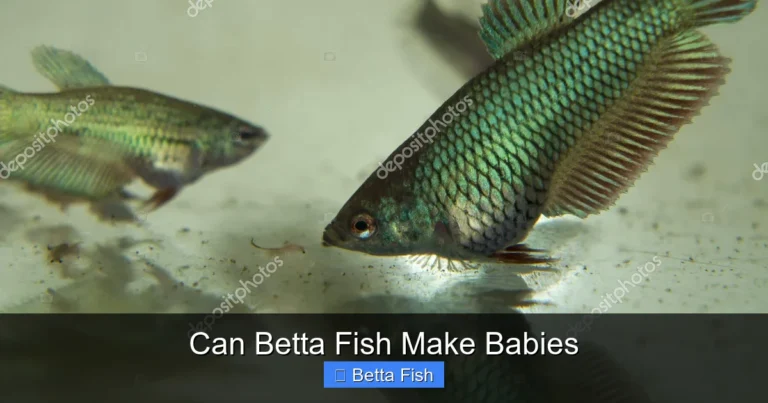
Male bettas are solitary creatures. They see other males as direct threats. When two males are placed in the same tank, they will flare their gills, spread their fins, and attack each other. These fights aren’t just displays of dominance; they are brutal and can result in torn fins, scale damage, and fatal injuries. A 5-gallon tank offers zero chance for a losing betta to escape or establish a safe territory. It’s a fight with no way out.
Female Bettas: A Different Story?
Female bettas are generally less aggressive than males, but they are not peaceful by nature. They can be territorial and establish a pecking order. While it’s possible to keep a group of females together in a setup called a “sorority,” this requires a much larger tank (at least 20 gallons), heavy planting, and constant monitoring. A 5-gallon tank is far too small for a sorority. The lack of space will lead to relentless bullying, stress, and injury among the females. For a detailed look at keeping multiple bettas, check out our guide on can you have 2 betta fish in a tank.
The 5-Gallon Tank: Why It’s Too Small for Two
Even if you were considering two female bettas, a 5-gallon aquarium presents several significant challenges. The size of the tank is a critical factor in the health and well-being of any fish, and for bettas, it’s even more important due to their specific needs.
Lack of Swimming Space
Bettas are active fish that need room to explore and swim. A 5-gallon tank provides barely enough space for a single betta to live comfortably. Adding a second fish cuts the available swimming area in half, leading to cramped conditions. This lack of space increases stress levels, which is a primary cause of disease in aquarium fish. A stressed betta is a sick betta.
Inability to Establish Territories
In a larger tank, fish can create their own territories, using plants, rocks, and decorations as boundaries. In a 5-gallon tank, there simply isn’t enough room for two bettas to claim their own space. They will be in constant contact, leading to continuous aggression and stress. The visual barriers that help reduce aggression in larger tanks are ineffective in such a small volume of water.
Water Quality Issues
More fish means more waste. In a small 5-gallon tank, the bioload from two bettas will quickly lead to a buildup of ammonia and nitrites, which are toxic to fish. While a filter helps, it’s much harder to maintain stable, pristine water conditions in a small tank with a high bioload. Frequent water changes become a necessity, which can further stress the fish. For tips on maintaining a healthy tank, see our article on how to clean a 5-gallon betta fish tank.
The Dangers of Housing Two Bettas Together
The consequences of putting two bettas in a 5-gallon tank are severe and often fatal. It’s not a matter of if something will go wrong, but when. Understanding these dangers is crucial for any responsible fish keeper.
Physical Injury and Death
The most immediate danger is physical harm. Bettas have sharp teeth and are capable of inflicting serious damage on each other. Fights can result in torn fins, lost scales, and eye injuries. In a small tank, a submissive fish has nowhere to hide and will be relentlessly attacked. This often leads to the death of one or both fish. It’s a cruel and unnecessary outcome that can be easily avoided.
Chronic Stress and Disease
Even if outright fighting doesn’t occur, the constant presence of a rival causes chronic stress. Stress suppresses the immune system, making fish highly susceptible to diseases like fin rot, ich, and velvet. A stressed betta will often lose its color, become lethargic, and refuse to eat. Treating these diseases in a small, unstable environment is incredibly difficult and often unsuccessful.
Behavioral Problems
A betta living in a state of constant fear and stress will exhibit abnormal behaviors. It may become overly aggressive towards its own reflection, or it may become reclusive and hide constantly. These behavioral issues are signs of a deeply unhappy fish and indicate that the tank environment is completely unsuitable.
What About a Male and Female Betta?
A common question is whether a male and female betta can live together. The answer is a resounding no, except for very brief, supervised breeding attempts. Outside of breeding, a male will often harass a female relentlessly, causing her immense stress and injury. A 5-gallon tank offers no escape for the female. For more information on this topic, read our article on can u put a male and female betta fish together.
The Breeding Exception
Breeding bettas is a complex and delicate process that requires a separate breeding tank, careful conditioning of both fish, and immediate removal of the female after spawning. It is not a situation where the two fish live together permanently. Attempting to house a male and female together in a 5-gallon tank is a guaranteed way to get the female killed.
Better Alternatives for Your 5-Gallon Tank
So, if you can’t have two bettas, what can you do with your 5-gallon aquarium? The good news is that a 5-gallon tank is a perfect home for a single betta fish, and there are some safe tankmate options if you want a more diverse aquarium.
The Ideal Setup: One Happy Betta
The best use of a 5-gallon tank is to create a luxurious paradise for a single betta. This allows you to focus all your attention on one fish, providing it with the best possible care. A 5-gallon tank is the recommended minimum size for a betta, giving it enough room to swim and explore. You can add live plants like Java fern and Anubias, a gentle filter, and a heater to keep the water at a stable 78-80°F. A single betta in a well-maintained 5-gallon tank will be a vibrant, active, and healthy pet.
Safe Tankmates for a 5-Gallon Betta Tank
If you’re set on having more than one creature in your tank, there are a few safe options. However, you must be cautious, as bettas can be unpredictable. The best tankmates are small, peaceful, and don’t have long, flowing fins that might trigger your betta’s aggression. Some popular choices include:
- Nerite Snails: Excellent algae eaters that are too large for a betta to bother. They are a great addition to any betta tank.
- Amano Shrimp:: These are larger than Cherry Shrimp and are very efficient cleaners. There’s a small chance your betta might hunt them, but they are generally fast enough to avoid trouble.
- Ghost Shrimp: A cheaper alternative to Amano shrimp, they also serve as a clean-up crew. Be aware that some bettas may see them as a snack.
Before adding any tankmate, always research thoroughly and have a backup plan in case your betta doesn’t tolerate them. For a comprehensive list of suitable companions, explore our guide on which fish can I put with a betta.
Setting Up Your 5-Gallon Betta Tank for Success
Whether you have one betta or a betta with tankmates, a proper setup is the key to a healthy aquarium. A well-maintained tank prevents disease and reduces stress, leading to a longer, happier life for your fish.
Essential Equipment
Every betta tank needs a few key pieces of equipment. A gentle filter is crucial for maintaining water quality without creating a strong current that can stress your betta. A heater is also non-negotiable, as bettas are tropical fish and require a stable, warm temperature. A thermometer is essential for monitoring the water temperature. Finally, a good quality LED light will help any live plants grow and showcase your betta’s beautiful colors.
The Importance of Live Plants
Live plants are more than just decoration. They help absorb harmful nitrates from the water, provide hiding spots for your betta, and create a more natural environment. Plants like Java moss, Anubias, and Hornwort are easy to care for and thrive in low-light conditions. They also give your betta places to rest near the surface, which is important for their labyrinth organ.
Water Maintenance Routine
Regular water changes are the most important part of betta fish care. For a 5-gallon tank, a 25-30% water change once a week is recommended. Always use a water conditioner to remove chlorine and chloramines from tap water. Testing your water parameters regularly with a liquid test kit will help you catch any problems before they harm your fish.
Conclusion: One Betta is Best for a 5-Gallon Tank
In conclusion, the answer to “can I put 2 betta fish in a 5-gallon aquarium?” is a clear and emphatic no. The risks of aggression, stress, injury, and death are far too high. A 5-gallon tank is a wonderful size for a single betta fish, allowing you to create a beautiful and healthy environment for it to thrive. If you want a community tank, consider adding a few snails or shrimp, but always prioritize the well-being of your betta. By providing a spacious, well-decorated, and properly maintained home for one betta, you’ll be rewarded with a vibrant and engaging companion for years to come. Remember, responsible fishkeeping is about providing the best possible life for your pets, and for bettas, that means giving them their own space.
Frequently Asked Questions
Can I put 2 female betta fish in a 5-gallon tank?
No, a 5-gallon tank is too small for two female bettas. While females are less aggressive than males, they still need space to establish territories. A sorority requires at least 20 gallons with heavy planting to succeed.
What happens if I put two male bettas in a 5-gallon tank?
They will fight aggressively, often to the death. Male bettas are extremely territorial and cannot coexist in such a small space. There is no way for a losing fish to escape the attacks.
How many betta fish can I keep in a 5-gallon tank?
You should only keep one betta fish in a 5-gallon tank. This is the recommended minimum size for a single betta to ensure it has enough space to swim and thrive without stress.
What can I put in a 5-gallon tank with my betta?
Safe tankmates include nerite snails, Amano shrimp, or ghost shrimp. Avoid other fish, especially those with long fins, as they may trigger your betta’s aggression. Always monitor new additions closely.
Is a 5-gallon tank big enough for one betta fish?
Yes, a 5-gallon tank is the recommended minimum size for a single betta fish. It provides enough space for swimming and allows for stable water parameters with proper filtration and heating.
Can I put a male and female betta together in a 5-gallon tank?
No, you should never house a male and female betta together except for brief, supervised breeding attempts. The male will likely harass and injure the female in such a confined space.