Betta fish do not naturally shed their scales like snakes or lizards. If you notice your betta losing scales, it is almost always a sign of an underlying health problem, injury, or poor water conditions. Understanding the causes and taking swift action can help your betta recover and thrive.
Key Takeaways
- Betta fish do not shed scales naturally: Unlike reptiles, betta fish do not go through a natural shedding process. Scale loss is always a warning sign that something is wrong.
- Common causes include injury, disease, and poor water quality: Physical trauma, fungal or bacterial infections, and ammonia spikes are the most frequent reasons bettas lose scales.
- Scale loss can lead to serious complications: Open wounds from missing scales make your betta vulnerable to secondary infections, which can become life-threatening if untreated.
- Proper tank setup prevents most scale issues: Maintaining clean water, appropriate temperature, and a safe environment with no sharp decorations significantly reduces the risk of scale loss.
- Treatment depends on the underlying cause: Identifying whether the scale loss is due to injury, disease, or water quality issues is essential for choosing the right treatment approach.
- Scales can regrow with proper care: In most cases, betta fish can regrow lost scales if the root cause is addressed and the fish is kept in optimal conditions.
- Prevention is always better than cure: Regular water changes, a balanced diet, and careful tank management are the best ways to keep your betta’s scales healthy and intact.
📑 Table of Contents
Can Betta Fish Shed Their Scales? What Every Owner Needs to Know
If you have ever noticed a scale or two floating in your betta’s tank, or spotted a bare patch on your fish’s body, you probably panicked. I know I did the first time it happened to me. It is one of those moments that sends any fish owner into a spiral of worry. So let’s get right to the point. Can betta fish shed their scales? The short answer is no. Betta fish do not naturally shed their scales the way a snake sheds its skin. If your betta is losing scales, something is going on that needs your attention.
Understanding why scale loss happens, what it means for your fish’s health, and how to fix it is one of the most important things you can learn as a betta owner. In this article, we will cover everything you need to know about betta fish and scale loss. We will talk about the causes, the treatments, and most importantly, how to prevent it from happening in the first place. So grab a cup of coffee and let’s dive in.
Do Betta Fish Naturally Shed Their Scales?
The Biology Behind Betta Fish Scales
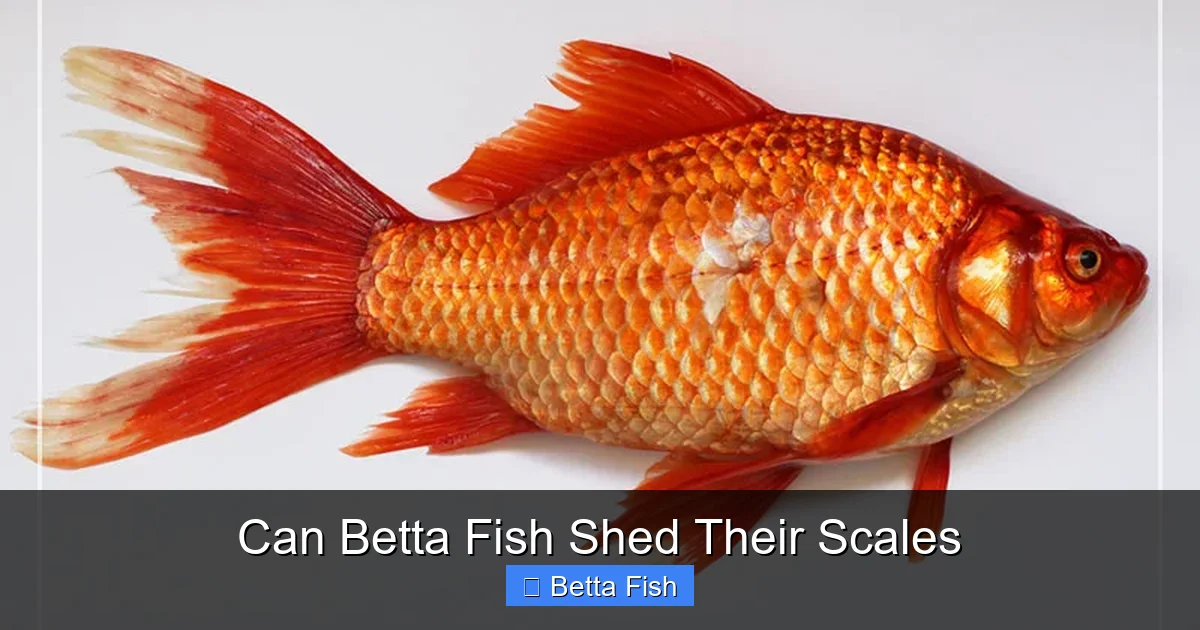
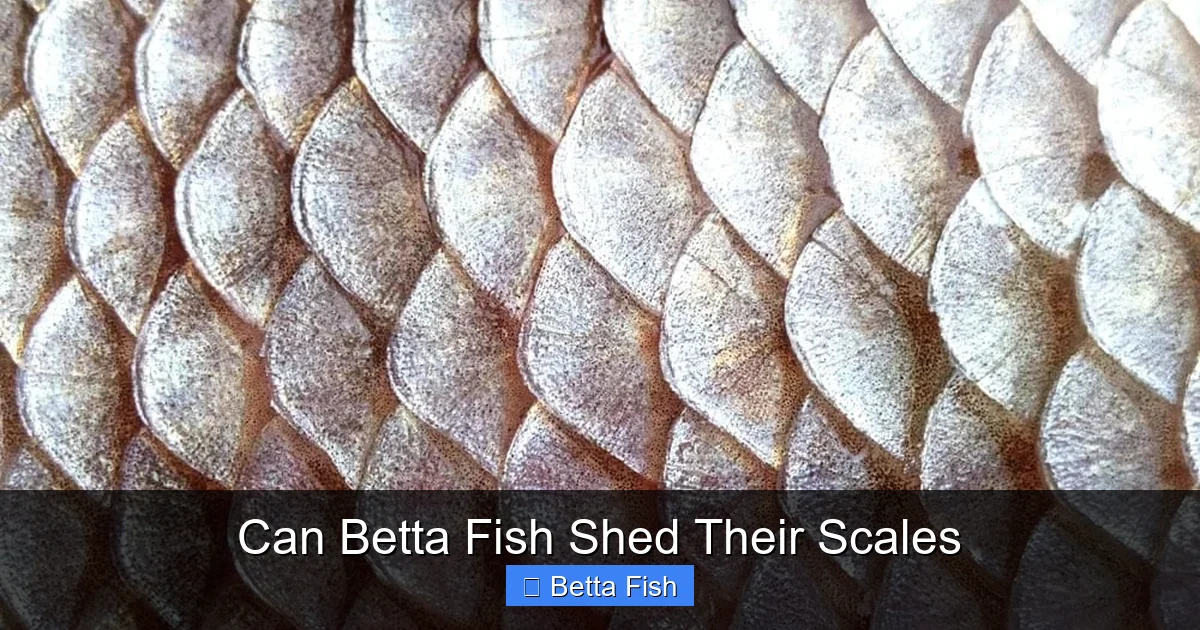
Betta fish are covered in tiny, overlapping scales that serve as a protective layer. These scales are made of a thin layer of bone-like material covered by a mucus coating. That mucus layer is incredibly important. It acts as a barrier against bacteria, parasites, and fungi. Think of it like your fish’s immune system armor. Without it, your betta is exposed to all kinds of nasty infections.
Visual guide about Can Betta Fish Shed Their Scales
Image source: smartaquariumguide.com
Unlike reptiles such as snakes and lizards, fish do not go through a natural shedding cycle. A betta’s scales grow with the fish and stay in place throughout its life. They are not designed to fall off and regenerate on a schedule. So if you see scales missing from your betta, it is a red flag. Something has caused that scale to come off, and you need to figure out what.
What Normal Scale Appearance Looks Like
A healthy betta fish should have smooth, evenly distributed scales across its entire body. The scales should lie flat and overlap neatly, creating that beautiful shimmering effect bettas are known for. Depending on the variety, your betta’s scales might be iridescent, metallic, or solid in color. But regardless of the color or pattern, the scales should be uniform and intact.
If you run your eyes along your betta’s body and notice any gaps, raised scales, or discolored patches, that is not normal. It is worth investigating further. Sometimes what looks like scale loss is actually a different issue, such as a color change or a fungal growth sitting on top of the scales. We will cover how to tell the difference in the sections below.
Common Causes of Scale Loss in Betta Fish
Physical Injury and Trauma
One of the most common reasons betta fish lose scales is physical injury. Bettas are curious and sometimes clumsy swimmers. They can scrape themselves against sharp decorations, rough gravel, or even the edges of tank equipment like heaters and filter intakes. If you have plastic plants in your tank, those can be especially dangerous. Their sharp edges can easily tear a betta’s delicate fins and scales.
Visual guide about Can Betta Fish Shed Their Scales
Image source: petsoid.com
Bettas are also known for being territorial and aggressive. If you keep your betta with other fish, there is a chance of fighting. Even if you only have one betta, it might attack its own reflection in the glass, causing injury over time. Keeping betta fish with guppies or other tank mates requires careful consideration because fin nipping and aggression can lead to scale damage.
Another common cause of injury is improper handling. If you use a net that is too rough or handle your betta during tank cleaning, you can accidentally pull scales off. Always use a soft, fine-mesh net and try to minimize direct handling of your fish.
Poor Water Quality
Water quality is the single biggest factor in your betta’s overall health. When the water parameters are off, your fish becomes stressed and vulnerable. High levels of ammonia, nitrite, or nitrate can burn your betta’s skin and cause scales to loosen and fall off. This is especially common in new tanks that have not been properly cycled or in tanks that are too small and get dirty quickly.
If you are keeping your betta in a small bowl without a filter, you are putting it at serious risk. Keeping a betta fish in a bowl makes it extremely difficult to maintain stable water parameters. The waste builds up fast, ammonia spikes happen frequently, and your betta pays the price. A proper filtered and heated tank of at least 5 gallons is the best way to keep your betta’s scales and overall health in top shape.
Temperature fluctuations can also stress your betta and lead to scale problems. Bettas are tropical fish that need a consistent water temperature between 76 and 82 degrees Fahrenheit. If the temperature drops too low or swings dramatically, your betta’s immune system weakens, making it more susceptible to conditions that cause scale loss.
Bacterial Infections
Bacterial infections are a serious cause of scale loss in betta fish. One of the most dangerous conditions is called columnaris, sometimes referred to as “cotton wool disease” because of the white, fuzzy patches it creates. Columnaris can attack the skin and scales, causing them to erode and fall off. This infection spreads quickly and can be fatal if not treated promptly.
Another bacterial condition to watch for is ulcer disease. This causes open sores on the body that can lead to scale loss around the affected areas. You might notice red, inflamed patches on your betta’s body where scales have come off. These wounds can become infected with secondary bacteria, making the situation even worse.
Septicemia is a systemic bacterial infection that affects the entire body. One of its symptoms is scale loss, often accompanied by red streaks on the body and fins, lethargy, and loss of appetite. This is a medical emergency for your betta and requires immediate treatment with antibiotics.
Fungal Infections
Fungal infections can also cause scale loss, though they are usually secondary to an injury or another illness. Fungus tends to grow on open wounds or damaged tissue. If your betta has lost scales due to an injury, fungus can colonize the exposed area and prevent healing. You will typically see white, cotton-like growths on the affected spot.
Saprolegnia is one of the most common fungal infections in betta fish. It thrives in dirty water and on dead tissue. Keeping your tank clean and maintaining good water quality is the best defense against fungal infections. If you do notice fungal growth on your betta, antifungal treatments are available at most pet stores.
Parasites
External parasites like ich (white spot disease), velvet, and flukes can cause irritation that leads to scale loss. When parasites attach to your betta’s skin, the fish may rub against objects in the tank to relieve the itching. This behavior, called “flashing,” can knock scales off and create open wounds.
Ich is particularly common and easy to identify. You will see tiny white spots scattered across your betta’s body and fins, resembling grains of salt. If left untreated, ich can cause significant damage to the scales and skin. The good news is that ich is treatable with medication and by raising the water temperature slightly.
Dropsy and Pinecone Scales
Dropsy is not a disease itself but a symptom of organ failure, usually kidney failure. One of the hallmark signs of dropsy is when the scales stick out from the body, giving the fish a “pinecone” appearance. While the scales are not technically falling off, they are being pushed outward by fluid buildup inside the body. This is a very serious condition with a low survival rate.
If you notice your betta’s scales standing on end, especially if accompanied by a swollen belly and lethargy, you should act immediately. Isolate the fish in a quarantine tank and begin treatment with Epsom salt baths and antibiotics. Unfortunately, by the time dropsy is visible, the internal damage is often extensive.
How to Treat Scale Loss in Betta Fish
Step One: Identify the Cause
Before you can treat scale loss, you need to figure out what is causing it. Start by testing your water parameters. Check the ammonia, nitrite, nitrate, and pH levels. If any of these are out of the safe range, that is likely your culprit. Next, examine your betta closely. Look for signs of infection such as white patches, red streaks, fuzzy growths, or open sores. Also check your tank for sharp objects or aggressive tank mates that could be causing physical damage.

Visual guide about Can Betta Fish Shed Their Scales
Image source: smartaquariumguide.com
Step Two: Improve Water Conditions
Regardless of the cause, improving water quality should always be your first action. Perform a 25 to 50 percent water change using dechlorinated water that matches the tank temperature. Clean the gravel with a vacuum to remove uneaten food and waste. If your tank is not cycled, start the cycling process immediately. Make sure your filter is running properly and that the heater is maintaining a stable temperature.
For minor scale loss caused by injury, clean water alone is often enough to allow healing. Your betta’s body is remarkably good at recovering when given the right conditions. Just keep the water pristine and give it time.
Step Three: Use Appropriate Medication
If you have identified a bacterial or fungal infection, you will need to treat with medication. For bacterial infections, antibiotics like kanamycin or tetracycline are effective. For fungal infections, antifungal treatments containing methylene blue or malachite green work well. For parasites, use a parasite-specific treatment based on what you are dealing with.
Always follow the dosage instructions on the medication carefully. Overmedicating can stress your betta further, while undermedicating may not kill the infection. Remove activated carbon from your filter during treatment, as it will absorb the medication and render it ineffective.
Step Four: Add Aquarium Salt
Aquarium salt (not table salt) can be a helpful addition when treating scale loss. It helps reduce stress, promotes the production of the protective mucus layer, and can kill some parasites and bacteria. Use one teaspoon per gallon of water in a quarantine tank. Do not use salt in the main tank if you have live plants or salt-sensitive tank mates.
Step Five: Monitor and Be Patient
Recovery from scale loss takes time. It can take weeks or even months for scales to fully regrow. During this period, keep the water clean, feed your betta a nutritious diet, and watch for any signs of worsening condition. If the scale loss is spreading or your betta’s behavior changes dramatically, consult a veterinarian who specializes in fish.
Can Betta Fish Regrow Lost Scales?
The Regeneration Process
Here is some good news. In most cases, yes, betta fish can regrow lost scales. The process is slow, but it does happen. New scales start forming at the edges of the bare patch and gradually grow inward. The new scales might look slightly different in color or texture at first, but they usually blend in over time.
The speed of regrowth depends on several factors. Younger, healthier bettas tend to regrow scales faster than older or weakened fish. Water quality, diet, and overall stress levels also play a role. A betta living in clean, warm water with plenty of high-quality food will recover much faster than one living in poor conditions.
When Scales Do Not Grow Back
In some cases, particularly when the scale loss is caused by severe infection or deep tissue damage, the scales may not regrow perfectly. The affected area might remain slightly discolored or have a different texture. This is mostly a cosmetic issue and does not affect the fish’s quality of life. However, if the underlying cause was dropsy or a severe systemic infection, the prognosis is more guarded.
How to Prevent Scale Loss in Betta Fish
Maintain Excellent Water Quality
This cannot be stressed enough. Clean water is the foundation of a healthy betta. Perform weekly water changes of 25 to 30 percent. Test your water regularly. Keep ammonia and nitrite at zero and nitrate below 20 ppm. Use a good filter and make sure your tank is properly cycled before adding your betta.
Choose Safe Tank Decorations
Avoid sharp plastic decorations and rough gravel. Opt for smooth, natural decorations like driftwood, smooth rocks, and live or silk plants. If you are unsure whether a decoration is safe, run a pair of pantyhose over it. If the pantyhose snag or tear, the decoration is too sharp for your betta.
Feed a Balanced Diet
A strong immune system starts with good nutrition. Feeding your betta a varied diet of high-quality pellets, frozen or live foods like bloodworms and brine shrimp, and the occasional treat will keep it healthy and resilient. Avoid overfeeding, as uneaten food decays and pollutes the water.
Be Careful With Tank Mates
If you choose to keep your betta with other fish, choose peaceful, non-aggressive species that will not nip at your betta’s fins or scales. Avoid fish with long, flowing fins that might trigger your betta’s aggression. Always monitor new additions closely and be ready to separate fish if problems arise.
Reduce Stress
Stress weakens your betta’s immune system and makes it more vulnerable to all kinds of health problems, including scale loss. Provide plenty of hiding spots, maintain a consistent light cycle, and avoid sudden changes in the environment. A calm, stable betta is a healthy betta.
When to See a Vet
Most cases of minor scale loss can be treated at home with improved water quality and basic care. However, there are situations where professional help is needed. If your betta’s condition is getting worse despite treatment, if multiple fish in the tank are affected, or if your betta is showing severe symptoms like refusal to eat, extreme lethargy, or difficulty swimming, it is time to consult a fish veterinarian.
Not all vets treat fish, so you may need to search for an exotic animal veterinarian in your area. Some vets also offer telemedicine consultations for fish, which can be a convenient option. Do not wait too long to seek help. Early intervention makes a huge difference in outcomes.
Conclusion
So, can betta fish shed their scales? The answer is a clear no. Betta fish do not naturally shed their scales, and any scale loss should be taken seriously. Whether it is caused by injury, poor water quality, infection, or parasites, the key is to identify the problem quickly and take action. With clean water, proper nutrition, a safe environment, and timely treatment when needed, most bettas can recover from scale loss and regrow their beautiful scales over time.
Being a betta owner means being observant and proactive. Pay attention to your fish’s appearance and behavior every day. The sooner you catch a problem, the easier it is to fix. Your betta depends on you for everything, from the quality of its water to the safety of its tank. Give it the best care you can, and you will be rewarded with a vibrant, healthy fish that brightens your day.
Frequently Asked Questions
Is it normal for betta fish to lose scales?
No, it is not normal for betta fish to lose scales. Unlike reptiles, bettas do not shed their scales naturally. If you notice scale loss, it is a sign of injury, disease, or poor water quality that needs to be addressed.
How long does it take for betta fish scales to grow back?
Scale regrowth in betta fish can take several weeks to a few months, depending on the severity of the damage and the overall health of the fish. Keeping the water clean and feeding a nutritious diet will speed up the healing process.
Can poor water quality cause betta fish to lose scales?
Yes, poor water quality is one of the leading causes of scale loss in betta fish. High ammonia, nitrite, or nitrate levels can burn the skin and cause scales to loosen and fall off. Regular water changes and proper filtration are essential for prevention.
What does scale loss look like in betta fish?
Scale loss in betta fish appears as bare patches on the body where the underlying skin is visible. The affected area might look lighter, darker, or slightly inflamed compared to the surrounding scales. In some cases, you might also see loose scales floating in the tank.
Can betta fish die from losing scales?
While scale loss itself is not usually fatal, the underlying cause can be. Open wounds from missing scales make bettas vulnerable to serious bacterial and fungal infections. If left untreated, these infections can become life-threatening.
Should I quarantine my betta if it is losing scales?
Yes, it is a good idea to move your betta to a quarantine tank if it is losing scales, especially if you suspect an infection or parasite. This allows you to treat the fish directly and prevents the spread of disease to other tank mates.

