Can betta fish see themselves inside a fish tank? Yes, betta fish can see their own reflections in the glass walls of their tank. However, they do not recognize themselves the way humans do. Instead, they often perceive their reflection as another betta fish, which can trigger territorial displays, stress, or curiosity depending on the individual fish and tank conditions.
Key Takeaways
- Betta fish can see reflections: The glass walls of a fish tank act like a mirror, and betta fish are capable of seeing their own reflection in the tank.
- They do not recognize themselves: Unlike some mammals, betta fish lack the cognitive ability for self-recognition. They interpret their reflection as another fish.
- Territorial behavior is common: Male betta fish are especially aggressive and may flare their gills and fins at their reflection, treating it as an intruder.
- Prolonged exposure causes stress: Constantly seeing a “rival” in the glass can lead to chronic stress, which weakens the immune system and shortens lifespan.
- Lighting plays a major role: Reflections are more visible under bright lighting and when the room behind the tank is darker than the tank interior.
- You can reduce reflections: Adjusting lighting, adding a background to the tank, or rearranging the environment can minimize mirror effects.
- It differs from mirror testing in mammals: The classic “mirror test” for self-awareness does not apply to fish, so betta fish will never truly recognize themselves.
📑 Table of Contents
- Can Betta Fish See Themselves Inside a Fish Tank?
- How Betta Fish Vision Works
- What Happens When a Betta Fish Sees Its Reflection
- Factors That Affect Reflection Visibility in a Betta Tank
- Can Betta Fish Recognize Themselves?
- How to Reduce Reflections in Your Betta Tank
- When Reflections Are Actually Useful
- Signs Your Betta Is Stressed by Its Reflection
- Conclusion
Can Betta Fish See Themselves Inside a Fish Tank?
If you have ever watched your betta fish press up against the glass, flare its gills, or swim frantically along the side of the tank, you might have wondered: is my betta seeing another fish? The answer is yes, in a way. Can betta fish see themselves inside a fish tank? Absolutely. The glass walls of an aquarium can act like a mirror, especially under the right lighting conditions. Your betta fish can see its own reflection, and it often reacts to that reflection as though it were another betta.
But here is where things get interesting. While your betta can see the reflection, it does not understand that it is looking at itself. Unlike humans, dolphins, or even some primates, betta fish do not possess the cognitive ability for self-awareness. So when your betta flares up at the glass, it genuinely believes it is confronting a rival. This behavior is deeply rooted in their territorial instincts, especially in males. Understanding this phenomenon is important for every betta owner because it directly affects your fish’s stress levels, health, and overall quality of life.
In this article, we will explore everything you need to know about how betta fish perceive reflections, what happens when they see themselves, and what you can do to keep your betta happy and stress-free. Whether you are a new betta owner or a seasoned aquarist, this guide will help you create a better environment for your colorful companion.
How Betta Fish Vision Works
The Anatomy of a Betta Fish’s Eyes
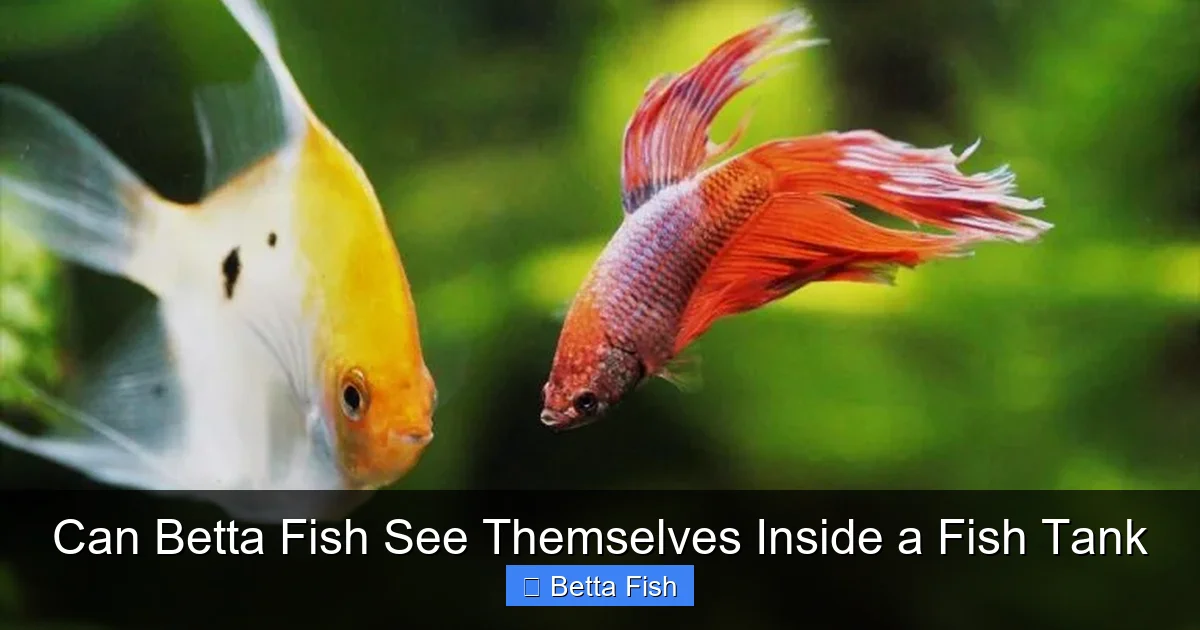
Betta fish have relatively large, prominent eyes positioned on the sides of their heads. This placement gives them a wide field of view, which is essential for spotting predators, prey, and rivals in the wild. Their eyes are adapted to the shallow, murky waters of Southeast Asia, where they originally evolved. In these environments, quick visual detection of movement and color is a matter of survival.
Visual guide about Can Betta Fish See Themselves Inside a Fish Tank
Image source: fishkeepingadvice.com
Betta fish can see a broad spectrum of colors, including ultraviolet light. Their color vision is actually more complex than that of humans in some ways. They use color not just to navigate their environment but also to communicate with other betta fish. The vibrant hues of a male betta’s fins and body are specifically designed to attract mates and intimidate rivals. So when your betta sees a colorful reflection in the glass, it registers that image as a vivid, potentially threatening presence.
How Fish Perceive Reflections
When light hits the glass of a fish tank at certain angles, it bounces back much like a mirror. This is especially true when the inside of the tank is brightly lit and the room outside is relatively dark. Under these conditions, the glass becomes highly reflective, and your betta fish sees a clear image of itself swimming on the other side.
Fish do not process visual information the same way mammals do. Their brains are wired for survival, not abstract thinking. So when a betta sees its reflection, it does not pause and think, “Oh, that is me.” Instead, its brain immediately categorizes the image as another fish. If the betta is male and territorial, the reaction is almost always aggressive. If the betta is female, the response might be curiosity or mild interest, though some females also display territorial behavior.
What Happens When a Betta Fish Sees Its Reflection
Flaring and Territorial Displays
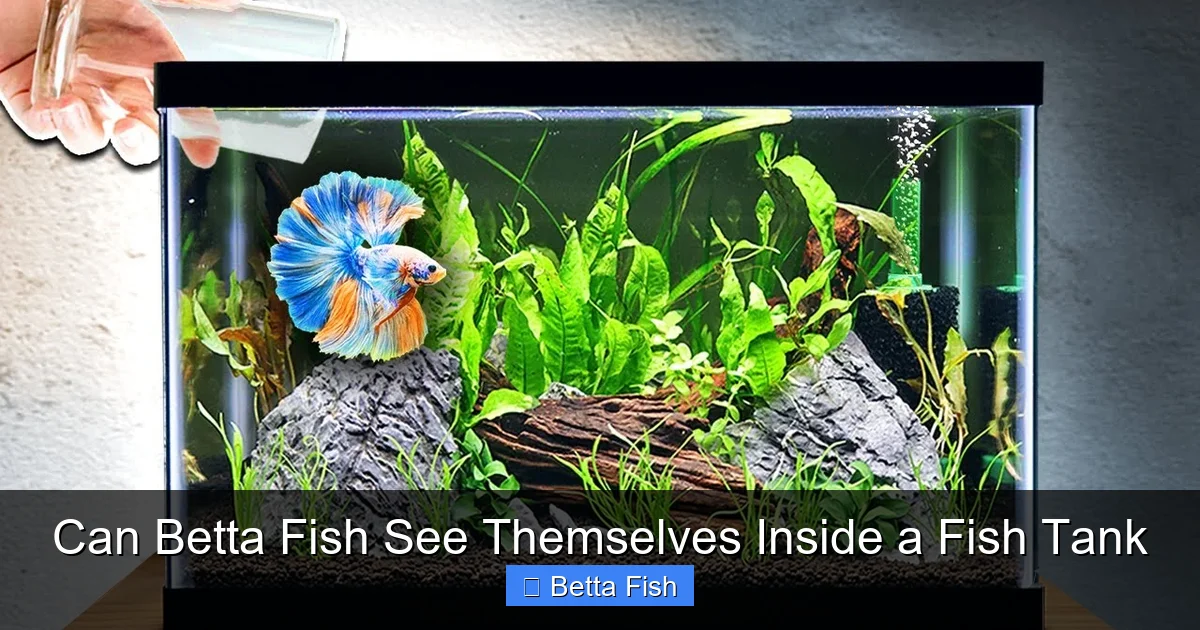
The most common reaction you will notice is flaring. When a male betta sees its reflection, it extends its gill covers, spreads its fins wide, and intensifies its body colors. This is a classic threat display designed to make the fish look larger and more intimidating. In the wild, this behavior helps betta fish defend their territory from intruders. In a tank, however, the “intruder” is always there, and the betta cannot make it go away no matter how aggressively it flares.
Visual guide about Can Betta Fish See Themselves Inside a Fish Tank
Image source: i.ytimg.com
Some betta owners find this behavior entertaining at first. It is impressive to see your betta in full display mode. But if the flaring becomes constant, it is a sign that your fish is under stress. A betta that spends hours each day fighting its own reflection is burning energy it should be using for growth, exploration, and normal activity.
Stress and Health Implications
Chronic stress is one of the biggest threats to a betta fish’s health. When a betta is constantly exposed to its reflection and perceives a persistent threat, its body produces stress hormones like cortisol. Over time, elevated cortisol levels suppress the immune system, making the betta more susceptible to diseases such as fin rot, ich, and velvet. A stressed betta may also lose its appetite, become lethargic, or develop behavioral issues like glass surfing, where it repeatedly swims up and down the side of the tank.
If you notice your betta spending an unusual amount of time at the glass, flaring repeatedly, or showing signs of exhaustion, the reflection could be the culprit. It is worth taking steps to reduce the mirror effect in the tank to give your betta some peace of mind.
Curiosity vs. Aggression
Not all betta fish react aggressively to their reflections. Some bettas, particularly younger ones or those with calmer temperaments, may simply swim near the glass and observe their reflection with curiosity. They might follow the “other fish” as it moves, tilt their heads, or hover nearby without flaring. This behavior is generally harmless and may even provide a form of enrichment, giving the betta something interesting to focus on.
However, even curious bettas can become stressed if the reflection is always present. It is a good idea to monitor your betta’s behavior and look for signs that the reflection is becoming a problem. If your betta starts spending most of its time at the glass rather than exploring the rest of the tank, it may be time to address the issue.
Factors That Affect Reflection Visibility in a Betta Tank
Lighting Conditions
Lighting is the single biggest factor that determines how visible reflections are in a fish tank. When the tank light is on and the room is dark, the glass becomes a near-perfect mirror. This is the same principle that makes windows look like mirrors at night. Conversely, when the room is brightly lit and the tank light is off or dim, reflections become much less visible.
If you want to reduce reflections, try keeping the room lights on during the evening hours when the tank light is running. Alternatively, you can adjust the angle of the tank light so that it does not shine directly onto the glass. Some owners also use floating plants or decorations near the glass to break up the reflective surface and create visual barriers.
Glass Thickness and Tank Material
The type of glass or acrylic your tank is made from also affects reflection visibility. Thicker glass tends to produce slightly less distortion but can still create clear reflections. Acrylic tanks are lighter and more impact-resistant but may scratch more easily, which can increase the appearance of reflections over time. Rimless tanks with minimal framing tend to show reflections more prominently because there is more exposed glass surface.
Plastic betta bowls and small containers can also create reflections, though they are often more distorted due to the curved surfaces. If you are keeping your betta in a small bowl, be aware that reflections may still be present, even if they are less defined. For more information on proper tank setup, check out our guide on how to set up a tank for a betta fish.
Backgrounds and Tank Placement
One of the simplest ways to reduce reflections is to add a background to the outside of the tank. A solid-colored background, a printed aquarium backdrop, or even a piece of paper taped to the back of the tank can dramatically reduce the mirror effect. This works by blocking the light that would otherwise bounce off the glass and back into the tank.
Where you place the tank in your room also matters. A tank placed against a wall with a contrasting color will show fewer reflections than one placed in front of a dark window or mirror. If possible, position the tank so that the primary light source in the room is behind the observer rather than behind the tank.
Can Betta Fish Recognize Themselves?
The Mirror Test and Self-Awareness
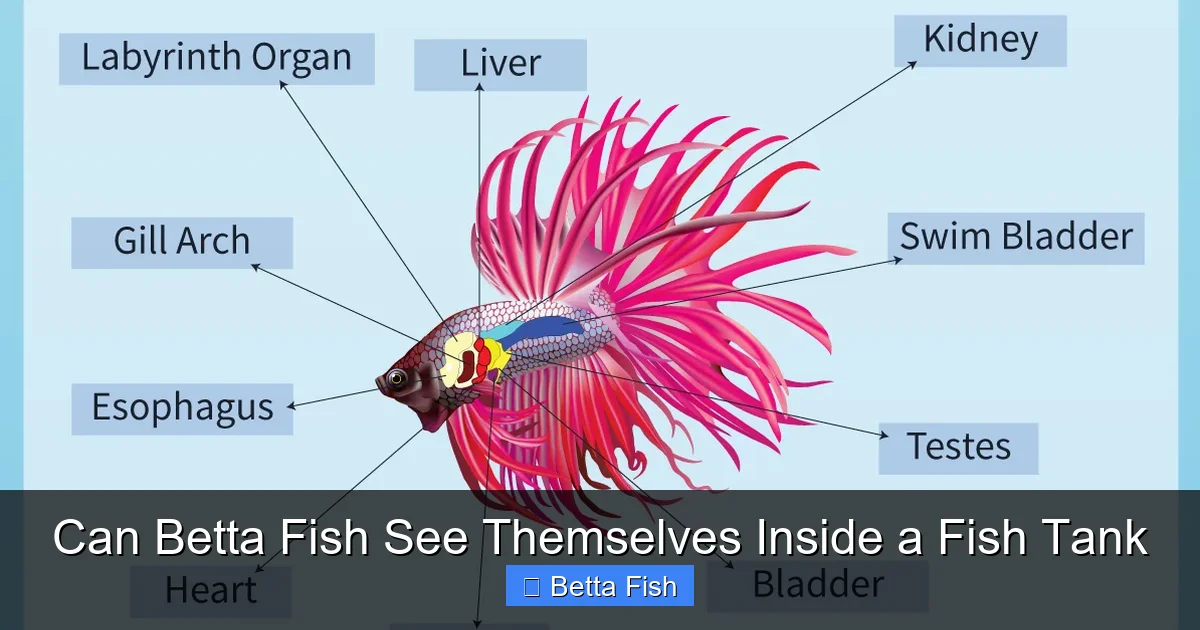
In the animal kingdom, the mirror test is a well-known method used to assess self-awareness. The test involves placing a mark on an animal in a location it can only see in a mirror. If the animal notices the mark and tries to touch or investigate it on its own body, it is considered to have passed the test. Species that have passed include chimpanzees, dolphins, elephants, and magpies.
Visual guide about Can Betta Fish See Themselves Inside a Fish Tank
Image source: modestfish.com
Fish, including betta fish, have not passed the mirror test. This does not mean they are unintelligent. It simply means that self-recognition as defined by this test is not a capability they possess. Betta fish rely heavily on visual cues for social interaction, but their brains are not wired to connect a mirror image with their own identity. So when your betta sees its reflection, it genuinely believes it is looking at another fish.
What This Means for Betta Owners
Understanding that your betta cannot recognize itself is important for managing its environment. You should not assume that your betta “knows” it is looking at itself and is therefore comfortable with the reflection. In reality, the constant presence of a perceived rival can be a source of ongoing stress. This is especially true for male bettas, which are naturally more aggressive and territorial.
If you are considering keeping more than one betta in the same space, it is crucial to understand their territorial nature. Our article on can you have two betta fish in a tank provides detailed guidance on this topic and explains why housing multiple bettas together requires careful planning and a properly sized aquarium.
How to Reduce Reflections in Your Betta Tank
Add a Tank Background
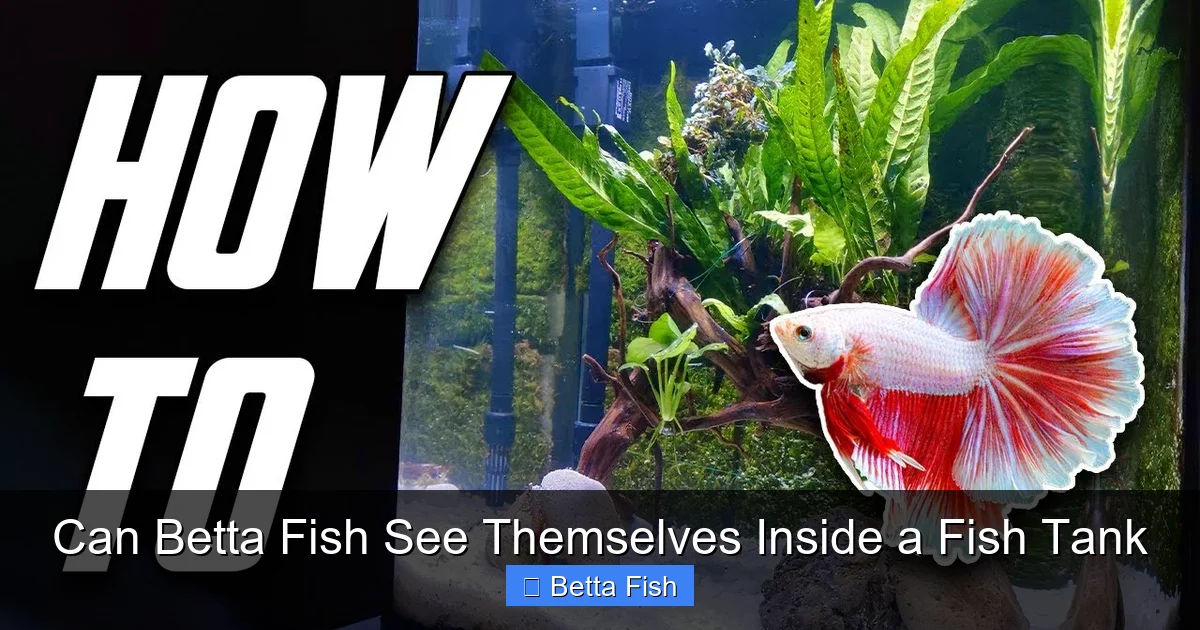
As mentioned earlier, adding a background to the back and sides of your tank is one of the most effective ways to reduce reflections. You can purchase a commercial aquarium background with a natural scene, or you can use a simple solid-colored poster board. The key is to cover as much of the glass surface as possible. Some owners also apply frosted window film to the sides of the tank, which diffuses light and prevents clear reflections from forming.
Visual guide about Can Betta Fish See Themselves Inside a Fish Tank
Image source: i.ytimg.com
Adjust Your Lighting
Experiment with different lighting setups to find one that minimizes reflections. If your tank has an adjustable light, try angling it downward rather than toward the glass. You can also use a timer to ensure that the tank light is on during the day when the room is naturally bright, and off at night when the room is dark. This simple schedule can significantly reduce the amount of time your betta spends staring at its reflection.
Use Plants and Decorations Strategically
Live or silk plants placed near the glass can break up the reflective surface and create visual barriers. Floating plants like water sprite or frogbit are particularly effective because they cover the water surface and reduce the amount of light that hits the glass at reflective angles. Driftwood, rocks, and caves also provide hiding spots where your betta can retreat if it feels threatened by its reflection.
When decorating your tank, it is important to choose items that are safe for betta fish. Sharp decorations can tear their delicate fins, and some materials may leach harmful chemicals into the water. Our guide on what you can put in a betta fish tank offers a comprehensive list of safe and suitable decorations.
Consider Tank Size and Shape
Larger tanks tend to show fewer reflections relative to the swimming space available. A betta in a 10-gallon tank has plenty of room to swim away from the glass, while a betta in a small bowl may have no escape from its reflection at all. If you are currently keeping your betta in a small container, upgrading to a larger tank can solve multiple problems at once, including reflection-related stress.
Rectangular tanks generally show reflections more clearly than round or bow-front tanks because the flat glass surfaces create more defined mirror images. If reflections are a major concern, a tank with slightly curved glass may help diffuse the images. For recommendations on appropriate tank sizes, read our article on what size tank for a betta fish.
When Reflections Are Actually Useful
Encouraging Exercise and Activity
While constant reflection exposure is harmful, brief periods of mirror exposure can actually benefit your betta. Some experienced betta owners use a small mirror placed outside the tank for a few minutes at a time to encourage their betta to flare and exercise. This controlled exposure can help maintain muscle tone, especially in bettas that live in larger tanks with plenty of space but limited stimulation.
Visual guide about Can Betta Fish See Themselves Inside a Fish Tank
Image source: tankarium.com
The key is moderation. A minute or two of mirror time a few times a week is generally considered safe. If your betta flares for longer than that, remove the mirror immediately. Overuse of this technique can lead to the same stress problems as constant glass reflections, so it should be used sparingly and with careful observation.
Breeding and Behavioral Observation
Breeders sometimes use reflections to assess a betta’s readiness for breeding. A male betta that flares vigorously at its reflection is likely healthy and hormonally active, which are good signs for breeding potential. Similarly, observing how a betta reacts to its reflection can give you insight into its overall temperament and health status.
If your betta shows no interest in its reflection at all, it could indicate that the fish is unwell, stressed from other sources, or simply not in a territorial mood. While a lack of reaction is not necessarily a cause for alarm, it is worth monitoring alongside other behavioral indicators like appetite, activity level, and color vibrancy.
Signs Your Betta Is Stressed by Its Reflection
It is important to recognize the signs that your betta is being negatively affected by its reflection. Here are some common indicators to watch for:
- Constant flaring: If your betta flares at the glass for extended periods every day, it is likely stressed by the persistent “rival.”
- Glass surfing: Repeatedly swimming up and down the side of the tank, especially near the glass, is a classic sign of stress and frustration.
- Loss of appetite: A stressed betta may refuse food or eat less than usual.
- Faded colors: Chronic stress can cause a betta’s vibrant colors to become dull or washed out.
- Lethargy: While some bettas become hyperactive around reflections, others may become withdrawn and spend most of their time hiding.
- Fin damage: Aggressive flaring and glass surfing can sometimes lead to torn or damaged fins, especially if the betta bumps into decorations or the glass itself.
If you notice any of these signs, take steps to reduce reflections in the tank and provide your betta with a more peaceful environment. In most cases, the symptoms will improve once the reflection issue is addressed. However, if your betta shows signs of illness like fin rot or ich, you may need to treat the condition separately with appropriate medication and water changes.
Conclusion
So, can betta fish see themselves inside a fish tank? Yes, they absolutely can. The glass walls of an aquarium create mirror-like reflections that betta fish perceive as other fish. While this can be a fascinating behavior to observe, it is important to remember that your betta does not recognize itself in the reflection. Instead, it sees a potential rival or intruder, which can lead to stress, aggression, and health problems if the exposure is constant.
The good news is that there are many simple and effective ways to reduce reflections in your betta tank. Adding a background, adjusting your lighting, using plants and decorations strategically, and choosing the right tank size and placement can all make a big difference. By taking these steps, you can create a calm, comfortable environment where your betta can thrive without the constant stress of fighting an imaginary opponent.
Your betta fish relies on you to provide the best possible care. Understanding how reflections affect your betta is just one piece of the puzzle, but it is an important one. With a little attention to detail and some thoughtful adjustments, you can ensure that your betta lives a happy, healthy, and stress-free life in its tank.
Frequently Asked Questions
Can betta fish see their reflection in a fish tank?
Yes, betta fish can see their reflection in the glass walls of a fish tank, especially when the tank is brightly lit and the surrounding room is dark. They do not recognize themselves, however, and typically interpret the reflection as another fish.
Why does my betta fish flare at the glass?
Your betta flares at the glass because it sees its reflection and perceives it as a rival or intruder. This is a natural territorial response, particularly common in male betta fish, and is triggered by the visual presence of what appears to be another betta.
Is it harmful for betta fish to see their reflection all the time?
Yes, constant exposure to reflections can be harmful. It can cause chronic stress, weaken the immune system, and lead to health issues like fin rot and loss of appetite. It is best to minimize reflections to keep your betta healthy and comfortable.
How do I stop my betta fish from seeing its reflection?
You can reduce reflections by adding a background to the tank, adjusting the lighting so the room is not darker than the tank, placing plants near the glass, and positioning the tank away from dark windows or mirrors. These steps help break up the mirror effect.
Do female betta fish react to reflections the same way as males?
Female betta fish can also react to reflections, but they are generally less aggressive than males. Some females may show curiosity or mild territorial behavior, while others may ignore the reflection entirely. The response varies by individual temperament.
Can I use a mirror to exercise my betta fish?
Yes, you can briefly place a small mirror outside the tank for one to two minutes at a time to encourage flaring and exercise. However, this should be done sparingly and only a few times a week to avoid causing stress or exhaustion in your betta.

