Betta fish have limited ability to see in complete darkness, but they rely on their keen sense of smell and lateral line system to locate food when light is scarce. While they can detect movement and shapes in low-light conditions, feeding them in total darkness is not ideal. Understanding how betta fish navigate and eat in the dark helps you create a healthier, stress-free environment for your aquatic pet.
Key Takeaways
- Betta fish cannot see well in complete darkness. Their eyes are adapted for low-light environments but rely on some ambient light to detect food and movement.
- They use their lateral line system to sense vibrations. This helps them locate food particles and movement in the water when visibility is poor.
- Smell plays a major role in finding food. Betta fish have a strong sense of smell that guides them toward food even when they cannot see it clearly.
- Feeding in total darkness is not recommended. Always provide some light during feeding times so your betta can easily locate and consume its food.
- A consistent light-dark cycle is essential. Betta fish need around 8-12 hours of darkness daily for proper rest, but feeding should occur during lit periods.
- Overfeeding in the dark leads to water quality issues. Uneaten food decomposes quickly, spiking ammonia levels and harming your fish.
- Understanding betta vision helps you be a better owner. Knowing how your betta perceives its environment allows you to design a tank setup that supports its natural behaviors.
📑 Table of Contents
- Can Betta Fish See Their Food in the Dark?
- How Betta Fish Vision Actually Works
- How Betta Fish Find Food Without Light
- Should You Feed Your Betta Fish in the Dark?
- Understanding the Betta Fish Light Cycle
- Tips for Feeding Your Betta Fish Properly
- Common Myths About Betta Fish Vision and Feeding
- Creating the Perfect Tank Environment for Your Betta
- Conclusion
Can Betta Fish See Their Food in the Dark?
If you have ever owned a betta fish, you have probably wondered what happens when the lights go out. Do they just float around blindly? Can they still find their food? These are great questions, and the answers might surprise you. Betta fish are fascinating creatures with unique sensory abilities that go far beyond simple eyesight.
In this article, we will explore everything you need to know about how betta fish see, how they find food in low-light conditions, and what you should do as a responsible owner to make sure your betta stays healthy and well-fed. Whether you are a first-time betta owner or a seasoned aquarist, understanding your fish’s vision and feeding habits is one of the most important things you can learn.
Let’s dive into the world of betta fish vision and discover how these beautiful creatures navigate their environment when the lights go dim.
How Betta Fish Vision Actually Works
The Anatomy of a Betta Fish’s Eye
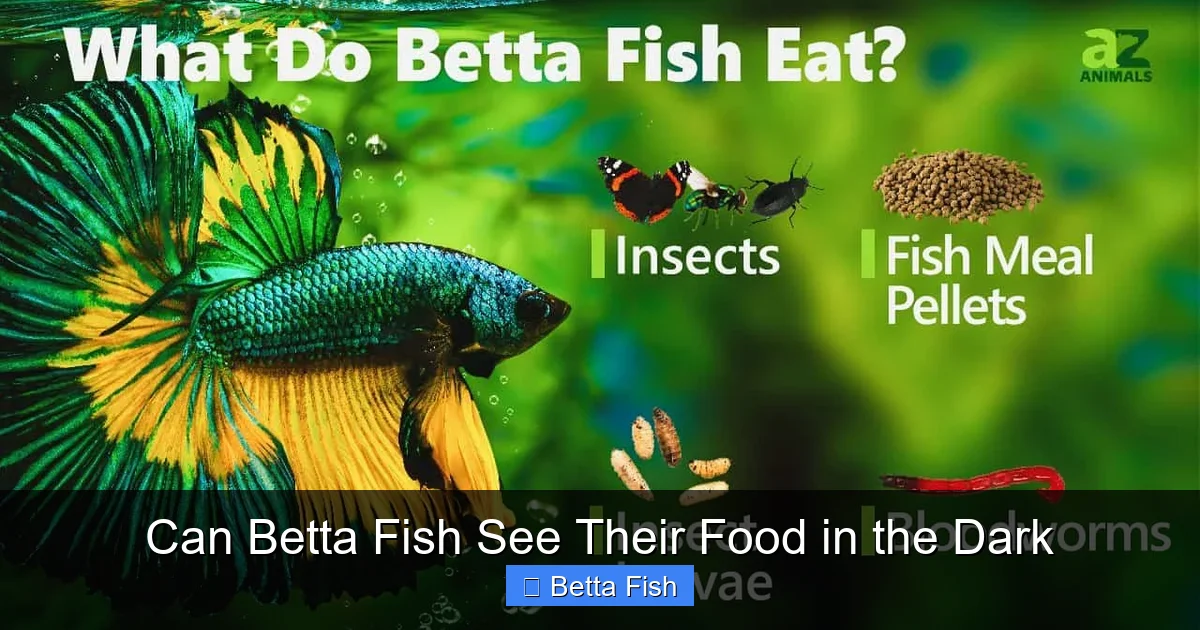
Betta fish have eyes that are positioned on the sides of their heads. This gives them a wide field of view, which is incredibly useful for spotting both predators and prey in the wild. Their eyes are relatively large compared to their body size, and they are designed to detect movement and color quite effectively.
Visual guide about Can Betta Fish See Their Food in the Dark
Image source: a-z-animals.com
However, betta fish eyes are not built for complete darkness. Like most fish, they need at least some ambient light to see properly. Their retinas contain both rod cells and cone cells. Rod cells help them detect light and movement in dim conditions, while cone cells allow them to see colors in brighter environments. This combination means betta fish have decent vision during dawn and dusk, but their sight becomes very limited in total darkness.
Color Vision in Betta Fish
One of the most interesting things about betta fish is their ability to see colors. Research suggests that betta fish can perceive a wide range of colors, possibly even more than humans in some spectrums. This is one reason why betta fish are so visually striking to us, and why they respond so strongly to colorful objects in their environment.
In low-light conditions, color perception diminishes significantly. When the lights go out, your betta’s world becomes much less vibrant. They rely more on detecting shapes, movement, and contrast rather than color. This is important to remember when thinking about how they locate food at night.
How Their Vision Compares to Other Fish
Compared to many other freshwater fish, betta fish have relatively good vision. Their eyes are adapted for the shallow, often murky waters of their natural habitat in Southeast Asia. Rice paddies, slow-moving streams, and shallow ponds are their homes, and these environments often have limited light penetration due to vegetation and sediment.
This means betta fish have evolved to function in conditions where visibility is not always perfect. But there is a big difference between murky water with some light and total darkness. In complete darkness, even the best fish eyes struggle to see anything at all.
How Betta Fish Find Food Without Light
The Lateral Line System
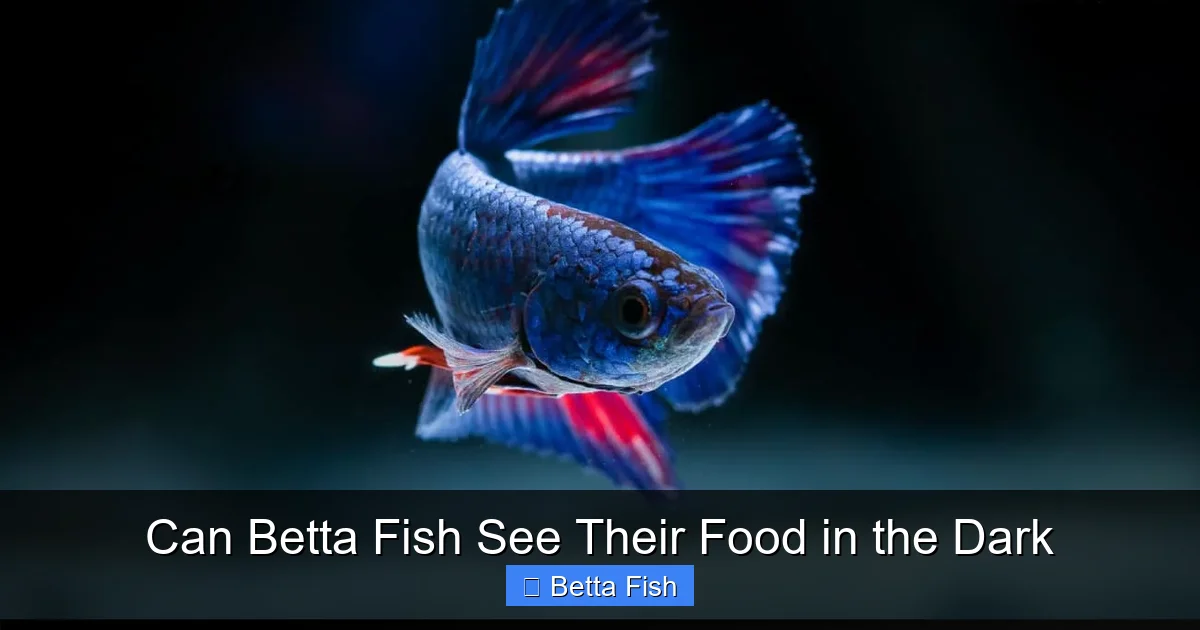
Here is where things get really interesting. Betta fish have a special sensory organ called the lateral line system. This runs along both sides of their body and detects vibrations and pressure changes in the water. Think of it like a built-in radar system.
Visual guide about Can Betta Fish See Their Food in the Dark
Image source: buildyouraquarium.com
When food hits the water surface or sinks through the tank, it creates tiny vibrations. Your betta’s lateral line picks up these vibrations and helps the fish determine where the food is located. This is incredibly useful in low-light conditions or murky water where eyesight alone would not be enough.
The lateral line system is one of the main reasons betta fish can still find food even when they cannot see it clearly. It is a survival mechanism that has been refined over millions of years of evolution.
The Role of Smell
Betta fish also have a strong sense of smell. They can detect chemical signals in the water, which helps them locate food sources. When you drop food into the tank, it releases proteins and other compounds that dissolve into the water. Your betta can sense these compounds and swim toward the source.
This is particularly important during feeding times in dim lighting. Even if your betta cannot visually spot a pellet sinking to the bottom, it can smell it and track it down. However, smell alone is not as precise as vision, which is why feeding in complete darkness can lead to missed meals and wasted food.
Taste and Touch
Betta fish also use taste and touch to explore their environment. They have taste buds not just in their mouths but also on their fins and body. This means they can essentially taste the water around them to find food particles.
Additionally, their barbels (small whisker-like organs near their mouth) help them feel around surfaces for food. While betta fish do not have prominent barbels like catfish, they still use tactile cues to investigate objects and potential food items in their tank.
Should You Feed Your Betta Fish in the Dark?
Why Feeding in the Dark Is Problematic
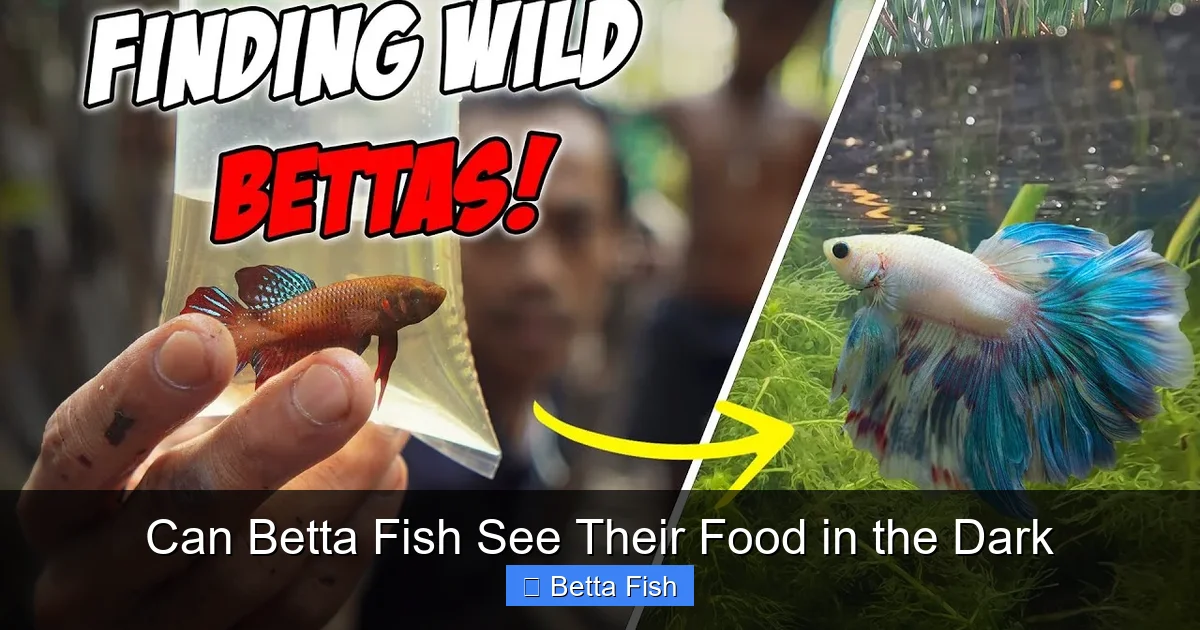
Now that you know how betta fish find food, you might think it is fine to feed them in the dark. After all, they have smell and the lateral line to help them out. But here is the thing: feeding your betta in complete darkness is not a good idea for several reasons.
Visual guide about Can Betta Fish See Their Food in the Dark
Image source: i.ytimg.com
First, your betta is less likely to eat all the food you provide. Missed pellets and flakes sink to the bottom and start decomposing. This decomposition process releases ammonia into the water, which is toxic to your fish. Even small amounts of uneaten food can cause a spike in ammonia levels, leading to stress, illness, or even death.
Second, feeding in the dark makes it impossible for you to monitor how much your betta is actually eating. Overfeeding is one of the most common mistakes betta owners make, and you cannot correct it if you cannot see your fish during mealtime.
The Ideal Feeding Environment
The best practice is to feed your betta fish when the tank lights are on or when there is natural ambient light in the room. This allows your betta to see the food clearly, eat it efficiently, and reduces the chance of leftovers polluting the water.
If you are worried about startling your betta with bright lights, consider using a dimmer light or feeding during the transition period when the room lights are on but the tank light is off. This provides enough illumination for your betta to see its food without creating a harsh environment.
Consistency is also key. Try to feed your betta at the same time each day, during the same lighting conditions. Fish are creatures of habit, and a regular feeding schedule helps reduce stress and keeps your betta healthy.
Understanding the Betta Fish Light Cycle
Why Darkness Matters for Betta Fish
Just like humans, betta fish need a regular cycle of light and darkness to maintain their health. In the wild, betta fish experience natural day-night cycles based on the sun. In your home aquarium, you need to replicate this cycle as closely as possible.
Betta fish typically need about 8 to 12 hours of darkness each day. This period of darkness is when they rest and recover. During this time, their metabolism slows down, and they enter a state similar to sleep. Interrupting this rest period with bright lights or feeding can cause stress and disrupt their natural rhythms.
If you want to learn more about how betta fish perceive their environment in low-light conditions, check out our detailed guide on can betta fish see in the dark.
Setting Up a Proper Light Schedule
The easiest way to maintain a consistent light cycle is to use an aquarium timer. These inexpensive devices automatically turn your tank light on and off at set times, ensuring your betta gets the right amount of light and darkness every day without you having to remember.
A good starting point is 10 to 12 hours of light followed by 12 to 14 hours of darkness. Adjust based on your specific setup and whether you have live plants in the tank. Plants need light for photosynthesis, so a planted tank may require a slightly longer light period.
Avoid placing your betta tank in direct sunlight. While natural light might seem like a good idea, direct sunlight can cause rapid temperature fluctuations and promote excessive algae growth. Both of these can harm your betta and make the tank harder to maintain.
What Happens When the Lights Go Out
When the tank lights go off, your betta fish will gradually settle down and find a resting spot. Many betta fish like to rest near the surface, on plant leaves, or in cozy spots within the tank. This is completely normal behavior.
During this rest period, your betta’s activity level drops significantly. They are not actively searching for food or exploring the tank. This is why feeding them during the dark period is both unnecessary and potentially harmful. Your betta simply is not in feeding mode when the lights are off.
Tips for Feeding Your Betta Fish Properly
Choose the Right Food
Betta fish are carnivores, and their diet should reflect this. High-quality betta pellets should be the staple of their diet. These pellets are specifically formulated to provide the protein and nutrients that betta fish need to thrive.
You can also supplement their diet with frozen or live foods like bloodworms, brine shrimp, and daphnia. These treats provide enrichment and variety, but should not replace a balanced pellet diet. For more information on what betta fish can and cannot eat, you might want to read about whether betta fish can eat goldfish food.
Portion Control Is Critical
One of the biggest mistakes new betta owners make is overfeeding. A betta fish’s stomach is roughly the size of its eye, which means it does not take much food to fill them up. A good rule of thumb is to feed your betta 2 to 3 pellets, twice a day.
If you notice food sinking to the bottom uneaten, you are feeding too much. Reduce the portion size and observe how your betta responds. It is always better to slightly underfeed than to overfeed, as betta fish can go a short time without food but suffer quickly from the effects of poor water quality caused by excess food.
Feed During Lit Hours Only
This cannot be stressed enough. Always feed your betta when there is adequate light in the tank. This ensures your fish can see the food, eat it properly, and you can monitor the entire feeding process.
If you have a busy schedule and cannot always be home during daylight hours, consider using an automatic feeder that dispenses food during the light period. This way, your betta gets fed on time even when you are not around, and the food is dispensed when your fish is most active and able to see it.
Observe Your Betta During Feeding
Feeding time is also a great opportunity to check on your betta’s health. Watch for signs of illness such as lethargy, loss of appetite, clamped fins, or unusual swimming patterns. A healthy betta should be eager to eat and actively swim toward food when it is offered.
If your betta refuses to eat, it could be a sign of stress, illness, or poor water conditions. Test your water parameters immediately and make any necessary adjustments. A betta that consistently refuses food needs attention right away.
Common Myths About Betta Fish Vision and Feeding
Myth: Betta Fish Can See Perfectly in the Dark
This is one of the most common misconceptions about betta fish. While they have some ability to detect movement and vibrations in low-light conditions, they cannot see perfectly in total darkness. Their eyes need at least some light to function properly, and feeding them in complete darkness puts them at a disadvantage.
Myth: It Is Fine to Leave Food in the Tank Overnight
Some owners think it is okay to drop extra food in the tank before bed so their betta can graze overnight. This is a bad idea. Betta fish do not graze like some other fish species. They are ambush predators that eat during active hours. Leaving food in the tank overnight only leads to water quality problems.
Myth: Betta Fish Do Not Need a Light Cycle
Every fish needs a regular light-dark cycle. Without it, betta fish can become stressed, their immune system can weaken, and their natural behaviors can be disrupted. Providing a consistent schedule of light and darkness is one of the simplest and most important things you can do for your betta’s health.
Myth: Betta Fish Can Survive on Plant Matter Alone
Betta fish are insectivores and carnivores. They need protein-rich foods to survive and thrive. While they might occasionally nibble on algae or plant matter, this does not provide the nutrition they need. A proper diet of betta-specific pellets and occasional live or frozen treats is essential.
Creating the Perfect Tank Environment for Your Betta
Lighting Setup
Choosing the right lighting for your betta tank is important. LED aquarium lights are the most popular choice because they are energy-efficient, produce little heat, and come in a variety of brightness levels. Look for a light with adjustable brightness so you can create the ideal environment for your betta.
If you have live plants in your tank, make sure the light you choose supports plant growth. Full-spectrum LED lights are a great option because they provide the wavelengths needed for photosynthesis while also showcasing your betta’s beautiful colors.
Water Quality and Feeding
Good water quality goes hand in hand with proper feeding. Uneaten food is one of the biggest contributors to poor water conditions in betta tanks. By feeding only during lit hours and in appropriate portions, you significantly reduce the risk of ammonia spikes and bacterial growth.
Regular water changes are also essential. A weekly water change of about 25 to 30 percent helps remove accumulated waste and keeps the water fresh. Always use a water conditioner to remove chlorine and chloramines from tap water before adding it to the tank.
Tank Setup and Enrichment
A well-decorated tank not only looks great but also provides your betta with mental stimulation and places to explore. Include live or silk plants, caves, and other decorations that create a natural-feeling environment. Avoid sharp or rough decorations that could tear your betta’s delicate fins.
For ideas on what to include in your betta tank, check out our guide on what betta fish like in their tank. A happy, enriched betta is more likely to eat well and display vibrant colors and natural behaviors.
Conclusion
So, can betta fish see their food in the dark? The answer is mostly no. While betta fish have impressive sensory abilities that help them navigate low-light conditions, they cannot see well in complete darkness. They rely on their lateral line system and sense of smell to find food when visibility is poor, but these senses are not a substitute for actual vision.
As a responsible betta owner, the best thing you can do is feed your fish during lit hours, maintain a consistent light-dark cycle, and provide a balanced diet in appropriate portions. By understanding how your betta sees and interacts with its environment, you can create a tank setup that supports its natural behaviors and keeps it healthy for years to come.
Your betta depends on you for everything, from food to water quality to lighting. Taking the time to learn about their needs is one of the most rewarding parts of being a fish owner. With the right care and attention, your betta fish will thrive and bring you joy every single day.
Frequently Asked Questions
Can betta fish eat in complete darkness?
Betta fish can attempt to eat in complete darkness using their sense of smell and lateral line system, but they are much less efficient at finding food without light. Feeding in the dark often leads to uneaten food, which decomposes and harms water quality. Always feed your betta when the tank or room lights are on.
How do betta fish find food at night?
Betta fish use their lateral line system to detect vibrations in the water and their sense of smell to locate food particles. However, these senses are not as reliable as vision, so betta fish are not actively feeding during their rest period at night. They are designed to eat during daylight hours.
Do betta fish need light to eat?
Yes, betta fish need at least some light to eat effectively. Their eyes are adapted for low-light conditions but not total darkness. Feeding your betta when the tank light is on or when there is ambient room light ensures they can see their food and eat it properly.
What happens if I feed my betta fish in the dark?
If you feed your betta in the dark, much of the food will likely go uneaten and sink to the bottom. This decomposes and releases ammonia, which is toxic to your fish. It also makes it impossible to monitor how much your betta is actually eating, which can lead to overfeeding issues.
How many hours of darkness do betta fish need?
Betta fish need approximately 8 to 12 hours of darkness each day to rest and maintain their natural rhythms. This dark period should be consistent and uninterrupted. Using an aquarium timer is the easiest way to maintain a proper light-dark cycle for your betta.
Can betta fish see color in low light?
Betta fish have good color vision in bright conditions, but their ability to perceive colors diminishes significantly in low light. In dim environments, they rely more on detecting movement, contrast, and shapes rather than color. In complete darkness, they cannot see color at all.

