Can Betta Fish See Blue Light
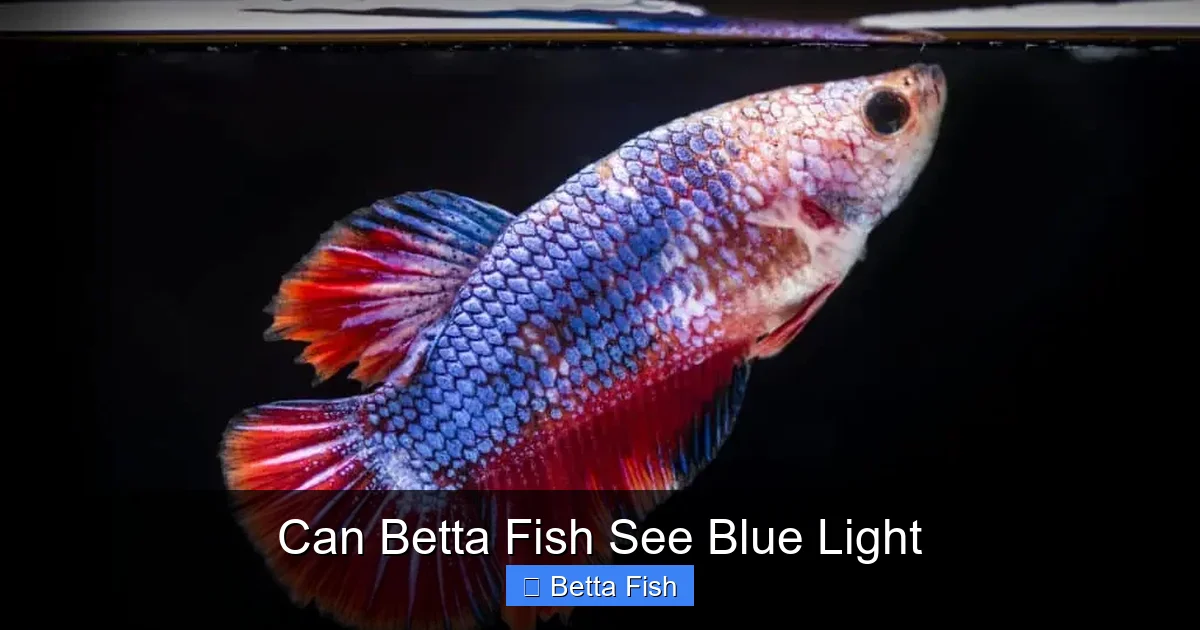
Betta fish can see blue light, and it plays a meaningful role in their daily behavior and well-being. Understanding how betta fish perceive blue light helps owners create a more natural, comfortable tank environment. This article explores the science behind betta vision, the effects of blue light, and practical tips for using it safely.
Key Takeaways
- Betta fish can see blue light: Their eyes are sensitive to blue wavelengths, which penetrate water more effectively than other colors.
- Blue light mimics natural conditions: In the wild, betta fish live in shallow, sunlit waters where blue light is abundant.
- It affects their circadian rhythm: Blue light helps regulate sleep and activity cycles, just like natural daylight.
- Too much blue light can cause stress: Constant exposure without a dark period may lead to anxiety and health issues.
- Use blue light in moderation: Limit blue light to 6–8 hours per day and ensure a proper day-night cycle.
- Avoid using blue light at night: Bettas need darkness to rest; use ambient room light or turn off aquarium lights completely.
- Choose the right intensity: Soft, low-intensity blue light is safer and more natural for betta fish than harsh, bright LEDs.
📑 Table of Contents
- Can Betta Fish See Blue Light? Understanding Their Vision
- How Betta Fish See: A Look at Their Vision
- Why Blue Light Matters for Betta Fish
- Is Blue Light Safe for Betta Fish?
- How to Use Blue Light Safely in Your Betta Tank
- Common Myths About Betta Fish and Blue Light
- Tips for Creating a Natural Light Environment
- Final Thoughts: Respecting Your Betta’s Natural Needs
Can Betta Fish See Blue Light? Understanding Their Vision
If you’ve ever watched your betta fish swim under a soft blue glow, you might wonder: Can they actually see that light? The short answer is yes—betta fish can see blue light, and it affects them more than you might think. Understanding how your betta sees the world helps you create a healthier, more natural home for them.
Betta fish, also known as Siamese fighting fish, are known for their vibrant colors and curious personalities. But behind those flowing fins is a surprisingly complex visual system. Their eyes are adapted to the shallow, sun-drenched waters of Southeast Asia, where blue light penetrates deeper than other colors. This means blue light isn’t just visible to them—it’s a natural part of their environment.
In this article, we’ll explore how betta fish see blue light, what it means for their health, and how you can use lighting wisely in your aquarium. Whether you’re a new betta owner or a seasoned fish keeper, this guide will help you make better choices for your finned friend.
How Betta Fish See: A Look at Their Vision
The Science Behind Betta Eyes
Betta fish have well-developed eyes that are more advanced than many people realize. Like humans, they have retinas with photoreceptor cells—rods for low-light vision and cones for color detection. But bettas have an extra advantage: they can see into the ultraviolet (UV) range, which humans cannot.
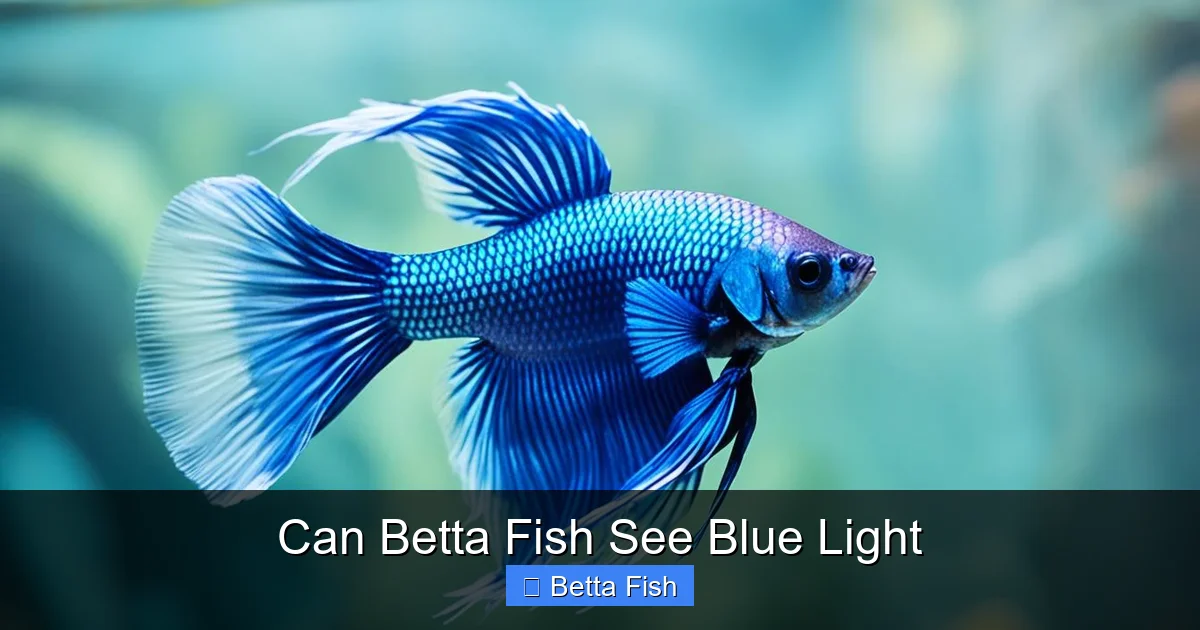
Visual guide about Can Betta Fish See Blue Light
Image source: taildom.com
This expanded color vision helps them in the wild. In shallow rice paddies and slow-moving streams, light filters through water in layers. Red and orange wavelengths fade quickly, while blue and green penetrate deeper. Over time, bettas evolved to be especially sensitive to these shorter wavelengths.
What Colors Can Bettas See?
Research suggests betta fish can see a broad spectrum of colors, including:
- Blue – Highly visible and natural in their habitat
- Green – Common in plant-rich environments
- Red – Less visible underwater but still detectable
- Ultraviolet (UV) – Invisible to humans but part of their visual world
This means when you turn on a blue LED in your tank, your betta doesn’t just notice it—they experience it as a familiar, natural part of their surroundings.
Why Blue Light Matters for Betta Fish
Blue Light in the Wild
In their native habitats—shallow ponds, marshes, and rice fields in Thailand and Cambodia—betta fish are exposed to sunlight that’s rich in blue wavelengths. Water absorbs longer wavelengths (like red and orange) first, leaving blue and green to dominate. So, blue light isn’t artificial to them—it’s what they’ve evolved with.
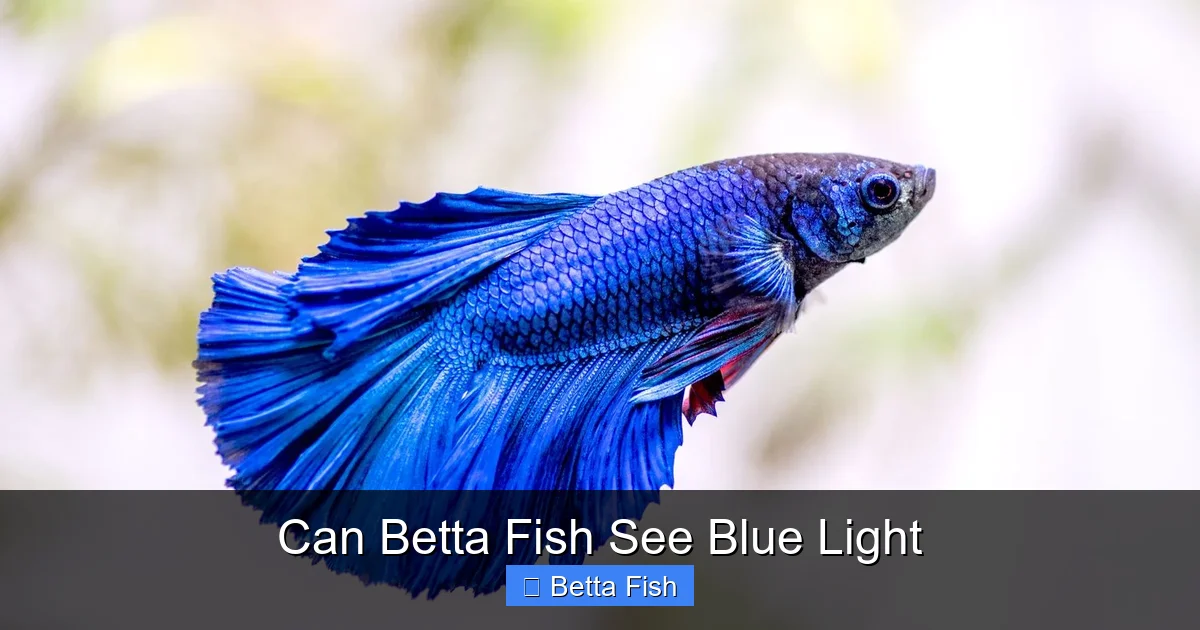
Visual guide about Can Betta Fish See Blue Light
Image source: thesprucepets.com
This natural exposure helps regulate their internal clock. Just like humans, bettas rely on light cues to know when to be active and when to rest. Blue light, in particular, signals “daytime” to their brains.
How Blue Light Affects Behavior
Blue light can influence your betta’s mood and activity levels. In moderate amounts, it can:
- Encourage natural swimming and exploration
- Enhance their coloration (making them appear more vibrant)
- Support feeding routines by mimicking daylight
However, too much blue light—or constant exposure without darkness—can disrupt their natural rhythms. Bettas need a clear day-night cycle to stay healthy. Without it, they may become stressed, lethargic, or even aggressive.
Is Blue Light Safe for Betta Fish?
The Benefits of Blue Light
When used correctly, blue light offers several benefits:
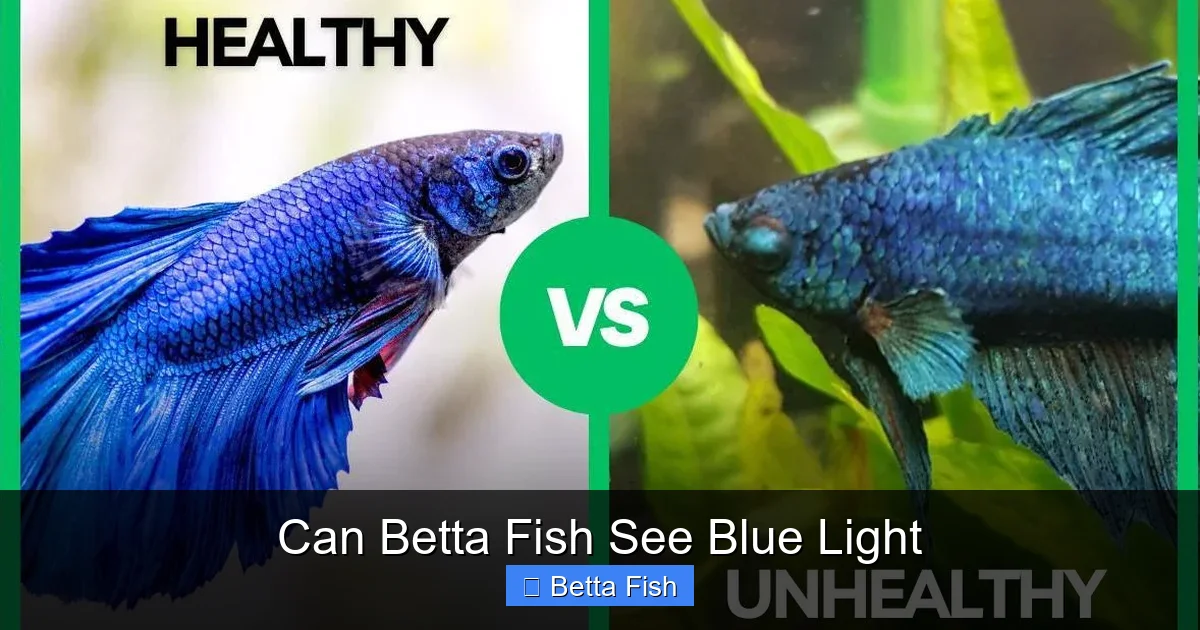
Visual guide about Can Betta Fish See Blue Light
Image source: tropicflow.com
- Mimics natural conditions: It replicates the light spectrum bettas experience in the wild.
- Supports plant growth: If you have live plants, blue light helps with photosynthesis.
- Enhances viewing pleasure: Blue LEDs make your betta’s colors pop, especially at night.
Many aquarium owners use blue “moonlight” LEDs to enjoy their tank after dark. When used sparingly, this can be a safe and beautiful addition.
The Risks of Overuse
But there’s a catch: too much blue light can harm your betta. Constant exposure—even if it’s just blue—can:
- Disrupt sleep patterns
- Cause chronic stress
- Weaken the immune system over time
Bettas need 8–12 hours of darkness each day to rest properly. Think of it like this: even if the light is soft and blue, it’s still “on” to their eyes. Their bodies need that off switch.
How to Use Blue Light Safely in Your Betta Tank
Set a Lighting Schedule
The best way to use blue light is to follow a consistent day-night cycle. Here’s a simple guideline:
- Daytime (8–10 hours): Use full-spectrum white light to simulate daylight.
- Evening (1–2 hours): Switch to soft blue light if you want a nighttime glow.
- Night (8–10 hours): Turn off all lights. Total darkness is best.
You can use a timer to automate this cycle. It takes the guesswork out and keeps your betta’s rhythm stable.
Choose the Right Intensity
Not all blue lights are created equal. Avoid harsh, bright LEDs that flood the tank. Instead, opt for:
- Low-intensity blue LEDs
- “Moonlight” settings on LED fixtures
- Dimmable lights you can adjust
Your betta should still have shaded areas to retreat to. Plants, caves, or decorations help create a balanced environment.
Avoid Blue Light at Night
Even though blue light is calming to humans, it’s not ideal for bettas during their rest period. If you want to view your tank at night, consider:
- Using a very dim red or amber light (less disruptive to fish)
- Keeping the room softly lit instead of the tank
- Turning off the aquarium light completely
Remember, your betta can’t close their eyes. They rely on darkness to truly rest.
Common Myths About Betta Fish and Blue Light
Myth: Bettas Can’t See Blue Light
As we’ve covered, this is false. Bettas are highly sensitive to blue light. Their eyes are built to detect it, and they respond to it behaviorally.
Visual guide about Can Betta Fish See Blue Light
Image source: buildyouraquarium.com
Myth: Blue Light Is Always Calming
While blue light can be soothing in short bursts, constant exposure is stressful. It’s not the color that’s the problem—it’s the lack of a dark period.
Myth: Bettas Don’t Need Darkness
Some people think fish don’t sleep, but they do. Bettas enter a restful state that’s essential for their health. Skipping darkness is like never letting yourself sleep—it catches up with you.
Tips for Creating a Natural Light Environment
Use Full-Spectrum Lighting During the Day
Full-spectrum white light best mimics natural sunlight. It supports your betta’s circadian rhythm and helps any live plants thrive. Avoid colored lights during the day—they can distort colors and confuse your fish.
Add Hiding Spots
Even with perfect lighting, your betta needs places to hide. Floating plants, silk leaves, or small caves give them a sense of security. This is especially important if the light is bright.
Monitor Your Betta’s Behavior
Watch for signs of stress, such as:
- Clamped fins
- Loss of appetite
- Hiding constantly
- Faded color
If you notice these, your lighting might be too intense or on too long.
Final Thoughts: Respecting Your Betta’s Natural Needs
So, can betta fish see blue light? Absolutely. And while it can be a beautiful and useful tool in your aquarium, it’s important to use it wisely. Blue light should enhance your betta’s life—not disrupt it.
By following a natural lighting cycle, choosing soft intensities, and ensuring plenty of darkness, you’ll support your betta’s health and happiness. After all, a well-lit tank isn’t just about looks—it’s about creating a home that feels like home.
If you’re curious about how betta fish see in other conditions, check out our guide on can betta fish see in the dark to learn more about their night vision. And if you’ve ever wondered whether your betta recognizes you, our article on can my betta fish see me has some surprising answers.
Lighting is just one piece of the puzzle. For a complete care overview, explore our resources on diet, tank mates, and habitat setup. Your betta depends on you to get it right—and now, you’ve got the knowledge to do just that.
Frequently Asked Questions
Can betta fish see blue light at night?
Yes, betta fish can see blue light at night, and it can disrupt their sleep. It’s best to turn off all aquarium lights during their rest period to support healthy circadian rhythms.
Is blue light bad for betta fish?
Blue light isn’t inherently bad, but overuse can cause stress and sleep issues. Use it in moderation—no more than 1–2 hours in the evening—and always provide a dark period at night.
Do betta fish need light at all?
Yes, betta fish benefit from a regular light cycle. A consistent day-night rhythm helps regulate their behavior, appetite, and overall health. Aim for 8–10 hours of light and 12–14 hours of darkness daily.
Can I use blue light instead of white light?
No, blue light shouldn’t replace white light during the day. Full-spectrum white light better mimics natural sunlight and supports your betta’s biological needs. Save blue light for short evening viewing.
How do I know if my betta is stressed by light?
Signs of light-related stress include clamped fins, hiding, loss of appetite, and faded color. If you notice these, reduce light intensity or duration and ensure your tank has shaded areas.
Can blue light help my betta’s colors look better?
Yes, blue light can enhance the appearance of your betta’s colors, especially iridescent blues and greens. However, this is just visual—true color health comes from good diet, clean water, and low stress.