Betta fish absolutely need light to maintain their health, color, and daily rhythm. In the wild, they rely on natural sunlight to regulate their internal clocks. In captivity, providing 8-12 hours of consistent light daily helps support their sleep cycle, encourages natural behavior, and promotes plant growth in their tank. Without proper lighting, bettas can become stressed, lethargic, and prone to illness.
Key Takeaways
- Betta fish need 8-12 hours of light daily to maintain a healthy circadian rhythm and vibrant coloration.
- LED aquarium lights are ideal for betta tanks because they produce minimal heat and use little energy.
- Too much light promotes algae growth, which can degrade water quality and stress your fish.
- Natural sunlight is beneficial in moderation but should never directly hit the tank for extended periods.
- A consistent light-dark cycle is essential — bettas need darkness to rest properly and stay healthy.
- Lighting supports live plant growth in the tank, which provides enrichment and improves water quality.
- Signs of poor lighting include faded color, lethargy, and increased susceptibility to disease.
📑 Table of Contents
- Introduction: Shedding Light on Your Betta’s Needs
- Why Betta Fish Need Light: Understanding Their Natural Habitat
- How Much Light Does a Betta Fish Need?
- Choosing the Right Light for Your Betta Tank
- The Benefits of Proper Lighting for Betta Fish
- Signs Your Betta’s Lighting Needs Adjustment
- Practical Tips for Managing Betta Tank Lighting
- Common Myths About Betta Fish and Light
- Conclusion: Light Up Your Betta’s Life
Introduction: Shedding Light on Your Betta’s Needs
If you’ve ever watched your betta fish gliding gracefully through the water, fins flowing like silk, you know how mesmerizing these little creatures can be. Betta fish are one of the most popular freshwater pets in the world, and for good reason. They’re beautiful, relatively low-maintenance, and full of personality. But when it comes to setting up the perfect home for your betta, one question keeps coming up among both new and experienced owners alike: do betta fish need light?
The short answer is yes — betta fish absolutely benefit from having light in their environment. But the full picture is a bit more nuanced than simply slapping a lamp on top of the tank. Understanding how light affects your betta’s behavior, health, and overall well-being is crucial for providing the best possible care. In this comprehensive guide, we’ll explore everything you need to know about betta fish lighting needs, from the science behind their circadian rhythms to practical tips for choosing the right setup.
Whether you’re setting up your first betta tank or looking to optimize an existing one, this article will give you the confidence to make the right lighting decisions for your finned friend. Let’s dive in and illuminate the topic once and for all.
Why Betta Fish Need Light: Understanding Their Natural Habitat
Visual guide about Can Betta Fish Need Light
Image source: qwikbetta.com
The Wild Origins of Betta Fish
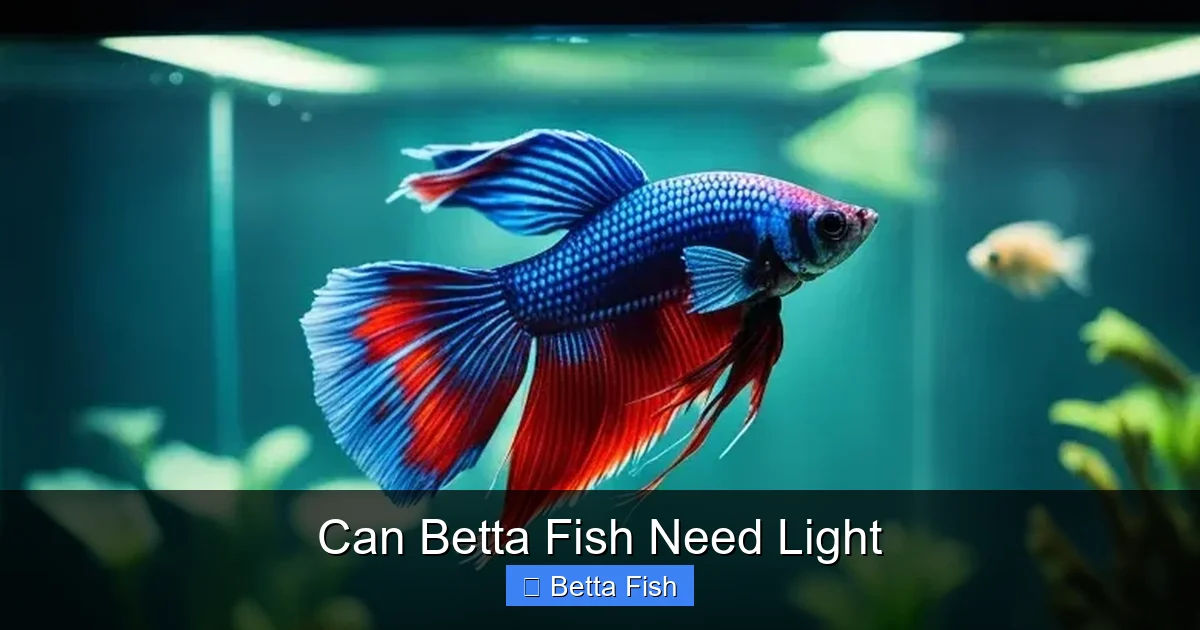
To understand why betta fish need light, it helps to look at where they come from. Betta fish, scientifically known as Betta splendens, are native to the warm, shallow waters of Southeast Asia. You’ll find them in rice paddies, marshes, and slow-moving streams throughout Thailand, Cambodia, Vietnam, and parts of Malaysia. These environments are typically open and receive abundant sunlight throughout the day.
In their natural habitat, bettas experience a regular cycle of daylight and darkness. This cycle is hardwired into their biology. Their bodies have evolved over thousands of years to respond to the rising and setting of the sun. When we bring bettas into our homes, we become responsible for replicating this natural rhythm as closely as possible. Without a proper light-dark cycle, bettas can experience stress, confusion, and a weakened immune system.
The Role of Light in a Betta’s Daily Life
Light plays several critical roles in your betta’s daily life. First and foremost, it helps regulate their circadian rhythm — the internal biological clock that governs sleep-wake cycles, feeding behavior, and hormone production. Just like humans, bettas rely on environmental cues to keep their internal systems running smoothly.
When light enters their eyes, it signals to their brain that it’s daytime. This triggers activity, alertness, and appetite. When darkness falls, their body shifts into rest mode. Without this clear distinction between day and night, bettas can become disoriented and stressed. Chronic stress is one of the leading causes of disease in aquarium fish, so getting the lighting right is truly a matter of life and health.
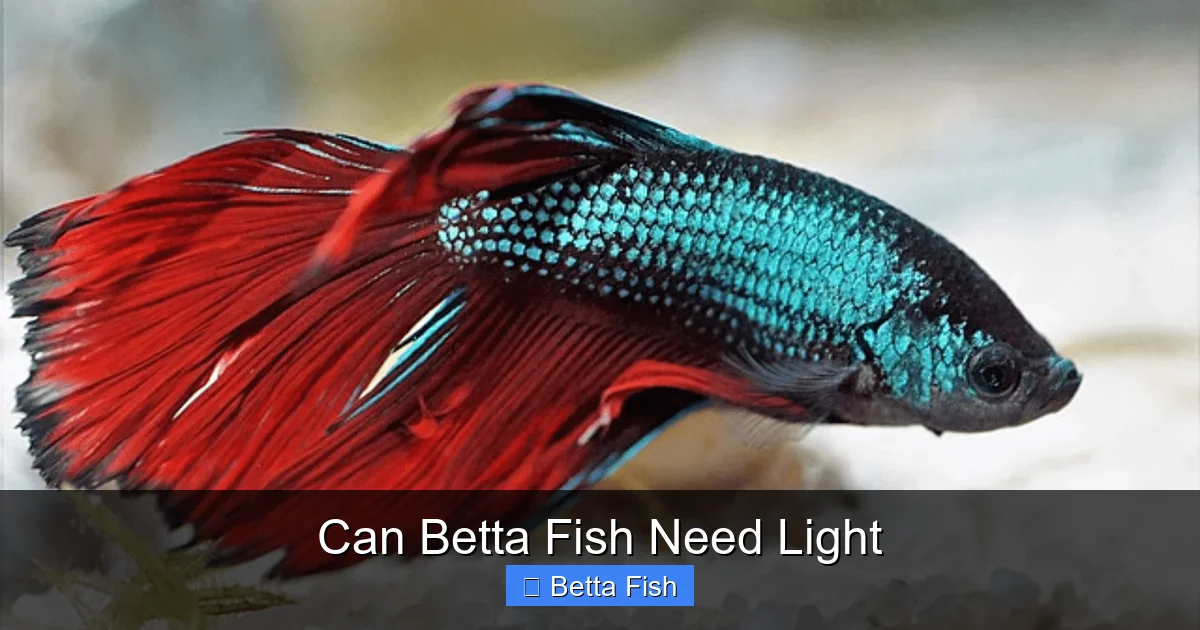
Light also affects your betta’s coloration. Bettas are famous for their stunning, vibrant hues — deep reds, electric blues, royal purples, and everything in between. Adequate lighting helps maintain and even enhance these colors. A betta kept in dim or inconsistent lighting may gradually lose its vibrancy, appearing dull and washed out. If you want your betta to show off its full spectrum of colors, proper lighting is non-negotiable.
How Much Light Does a Betta Fish Need?
Visual guide about Can Betta Fish Need Light
Image source: acaquarium.com
The Ideal Photoperiod for Betta Fish
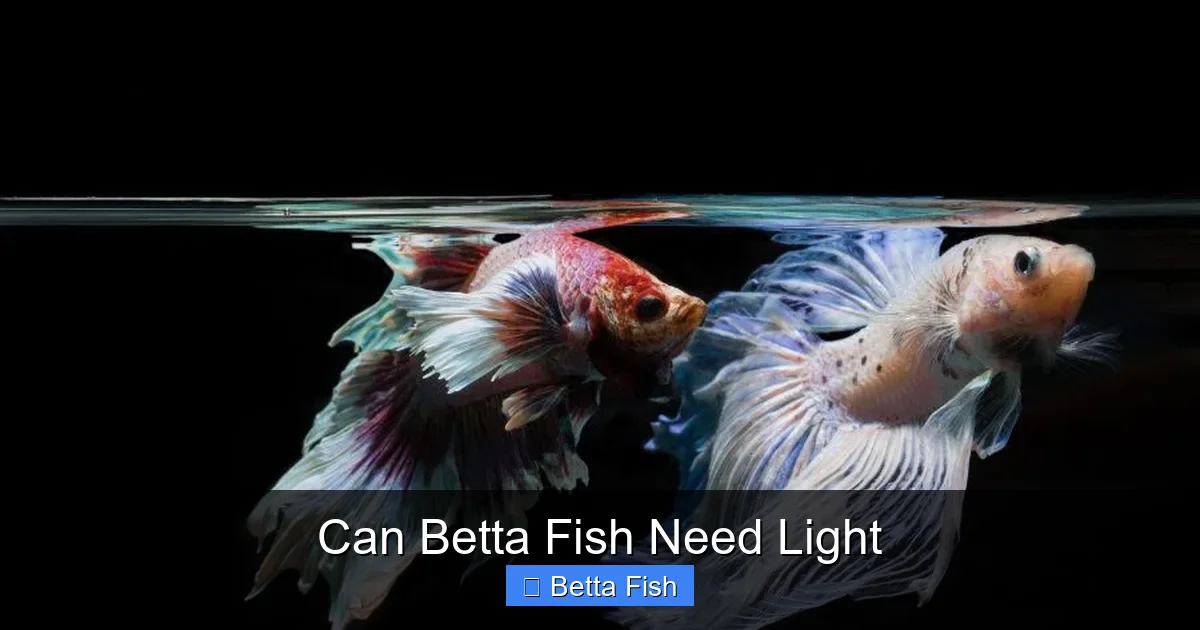
So, how much light is just right? The general recommendation among aquarium experts is to provide your betta with 8 to 12 hours of light per day. This closely mimics the natural daylight hours in their native tropical environment, where they receive roughly 10-12 hours of sunlight year-round.
Consistency is key here. Your betta’s body thrives on routine. If you turn the light on at 8 AM, try to turn it off at 8 PM. This predictable schedule helps your betta establish a stable circadian rhythm, which translates to better health, more natural behavior, and a stronger immune system.
A great way to maintain consistency is by using an automatic timer for your aquarium light. These inexpensive devices plug into your outlet and turn the light on and off at preset times. This is especially helpful if you have a busy schedule or tend to forget. With a timer, your betta gets its regular light cycle even when you’re not home.
What Happens With Too Much Light?
While bettas need light, there is definitely such a thing as too much. If your tank receives more than 12-14 hours of light per day, you’re likely to run into problems. The most common issue is excessive algae growth. Algae thrive on light, and prolonged exposure will turn your tank water green, coat your decorations in slimy green film, and create an unsightly mess.
Beyond aesthetics, too much algae can actually harm your betta. Algae consume oxygen at night, which can lower dissolved oxygen levels in the water. It can also cause pH fluctuations that stress your fish. If you notice your tank getting green and murky despite regular water changes, your lighting schedule may be the culprit.
Direct sunlight is another common source of excess light. Placing a betta tank near a window might seem like a natural solution, but it often leads to temperature spikes and algae blooms. Sunlight is intense and unpredictable, and it can heat the water to dangerous levels within hours, especially in smaller tanks.
What Happens With Too Little Light?
On the flip side, insufficient light can also cause problems. Bettas kept in perpetually dark or very dim environments may become lethargic and depressed. Their colors may fade, their appetite may decrease, and they may spend most of their time hiding at the bottom of the tank.
Without adequate light, your betta’s circadian rhythm becomes disrupted. This can lead to a weakened immune system, making your fish more susceptible to common illnesses like ich, fin rot, and fungal infections. A betta that doesn’t get enough light is a betta that’s more likely to get sick.
Additionally, if you have live plants in your tank — which we highly recommend — they need light to survive. Without sufficient illumination, plants will wilt, decay, and actually make water quality worse instead of better. We’ll talk more about the benefits of live plants in the next section.
Choosing the Right Light for Your Betta Tank
Visual guide about Can Betta Fish Need Light
Image source: petmedaily.com
LED Aquarium Lights: The Best Choice
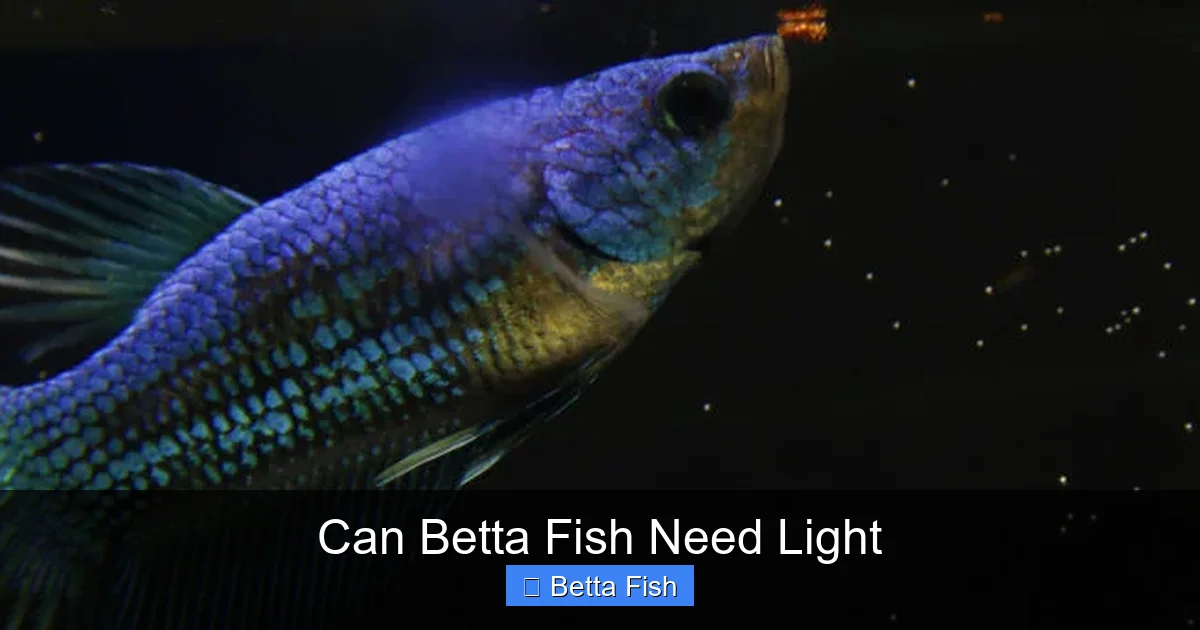
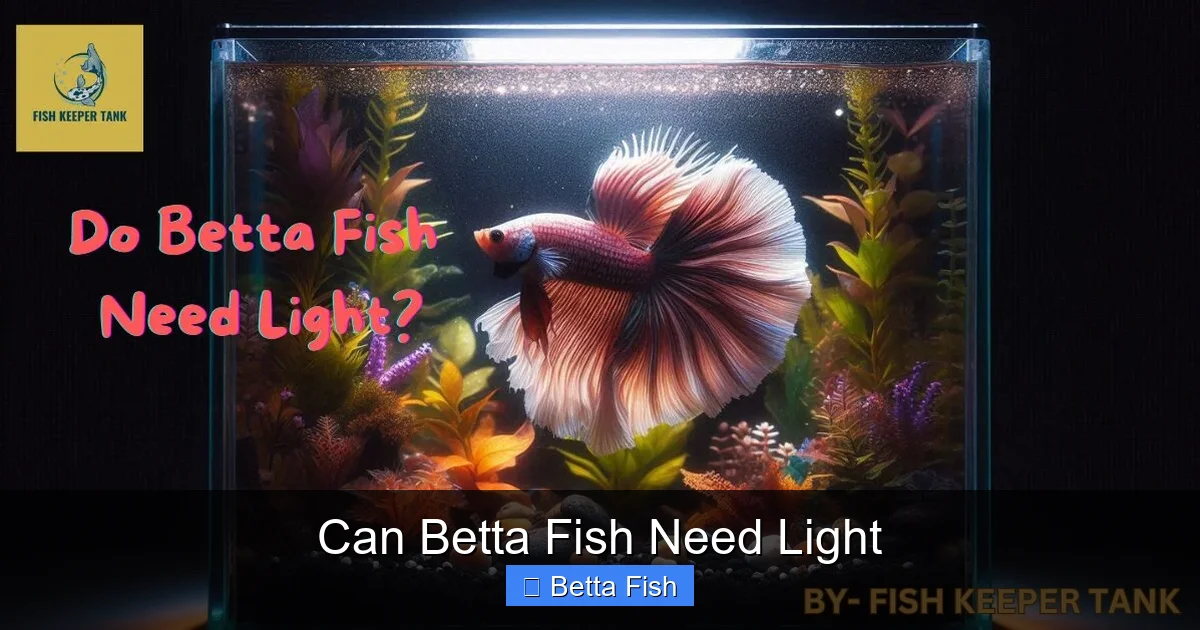
When it comes to selecting a light for your betta tank, LED lights are the clear winner. They’re energy-efficient, long-lasting, and produce very little heat compared to other lighting options. This is important because bettas are sensitive to temperature fluctuations, and a light that generates excessive heat can warm the water beyond the ideal range of 76-82°F.
LED aquarium lights come in a wide variety of styles, from slim clip-on fixtures for small tanks to full-spectrum bars designed for larger setups. For a standard 5-10 gallon betta tank, a simple LED light strip or a clip-on LED fixture will work perfectly. Look for lights with a color temperature of 5000-7000K, which produces a bright, natural-looking white light that closely resembles daylight.
Many LED aquarium lights also come with adjustable brightness settings, which allow you to fine-tune the intensity to your betta’s preference. Some models even offer color-changing modes and sunset/sunrise simulations. While these features aren’t essential, they can add a nice aesthetic touch to your tank.
Fluorescent Lights: A Decent Alternative
Fluorescent lights, particularly compact fluorescent bulbs (CFLs), are another option for betta tanks. They’re affordable and provide decent light output. However, they generate more heat than LEDs and need to be replaced more frequently. If you already have a fluorescent fixture, it will work fine for your betta — just keep an eye on the water temperature and replace the bulbs every 6-12 months to maintain adequate light output.
Lights to Avoid
There are a few types of lighting you should steer clear of for your betta tank. Incandescent bulbs produce far too much heat and are very inefficient. Colored or party lights may look fun, but they don’t provide the full spectrum of light that bettas need for proper biological function. Stick with white, full-spectrum lights for the best results.
It’s also worth noting that bettas don’t need a night light in their tank. Unlike some nocturnal fish that benefit from a dim moonlight setting, bettas need complete darkness to rest. A blue or red night light may seem harmless, but it can still disrupt their sleep cycle. When it’s time for lights out, make it truly dark.
The Benefits of Proper Lighting for Betta Fish
Visual guide about Can Betta Fish Need Light
Image source: koibettafish.com
Enhanced Coloration and Beauty
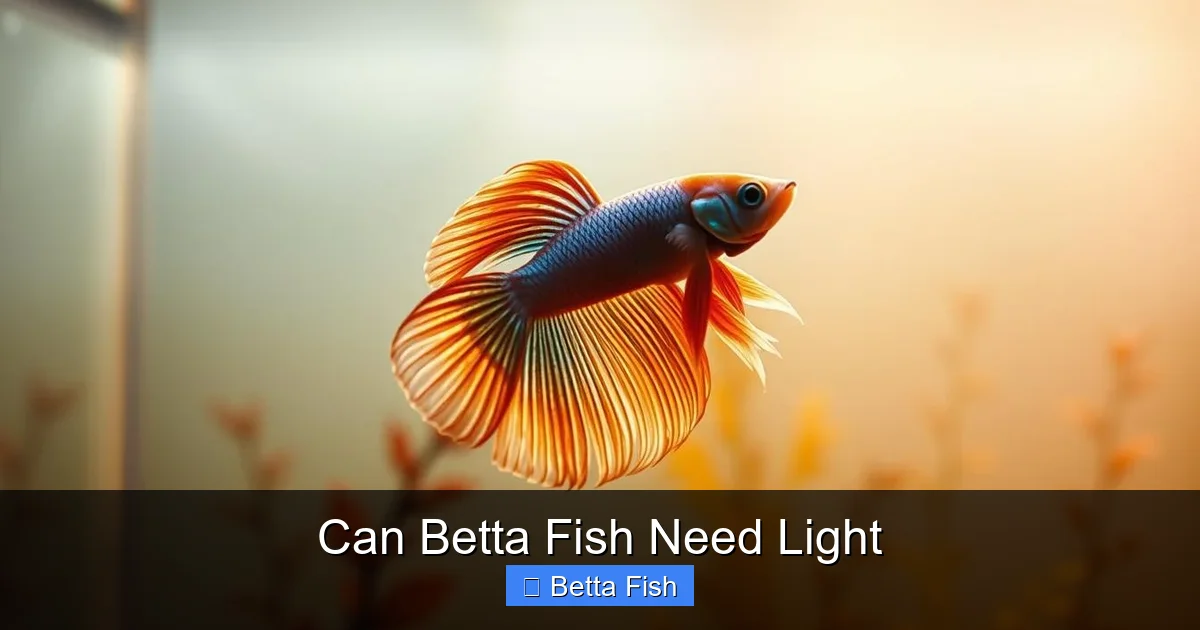
One of the most rewarding benefits of proper lighting is seeing your betta’s colors at their absolute best. Adequate, full-spectrum light helps bring out the depth and richness of your betta’s natural pigmentation. A well-lit betta is a vibrant betta. If you’ve ever noticed your betta looking a bit dull, improving the lighting can often make a noticeable difference within just a few weeks.
Support for Live Aquatic Plants
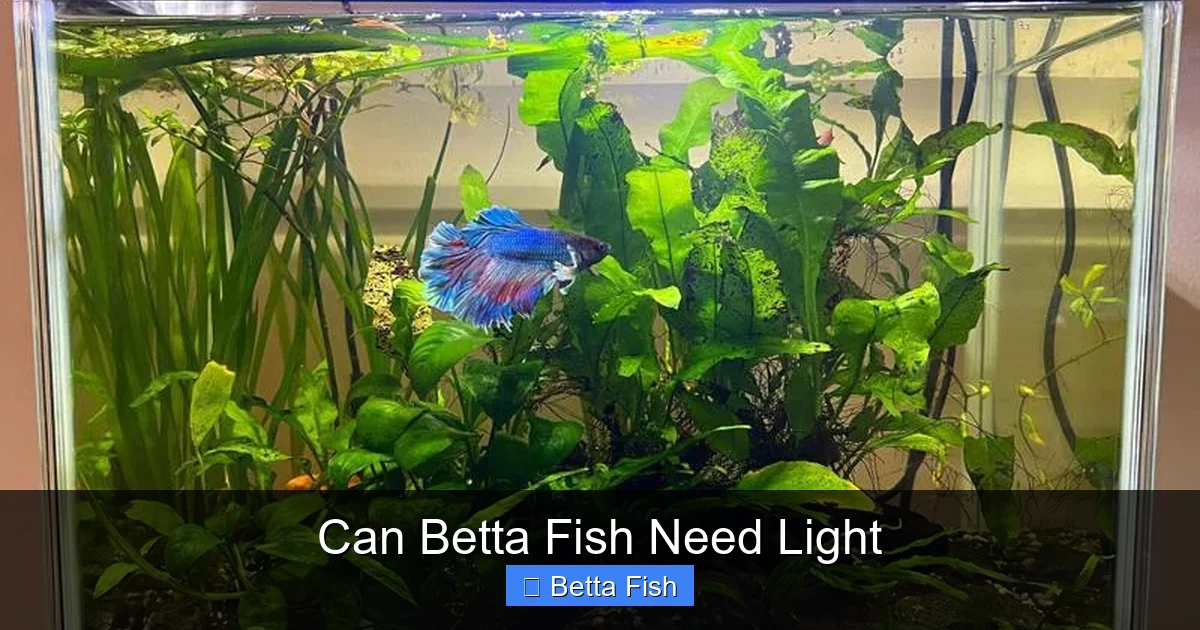
Live plants are a fantastic addition to any betta tank. They provide hiding spots, reduce stress, absorb harmful nitrates, and create a more natural environment. But here’s the thing — live plants need light to photosynthesize and grow. Without adequate lighting, even the hardiest aquarium plants will struggle to survive.
Some of the best low-light plants for betta tanks include Java fern, Anubias, Amazon swords, and Marimo moss balls. These species don’t require intense lighting and will thrive under standard LED aquarium lights. If you’re interested in learning more about tank setup and water requirements, check out our guide on how much water a betta fish needs for additional tips on creating the perfect environment.
Natural Behavior and Activity Levels
When bettas receive the right amount of light on a consistent schedule, they display more natural and active behaviors. You’ll notice them exploring their tank, flaring their fins, building bubble nests, and showing interest in their surroundings. A well-lit environment encourages your betta to be the curious, engaging companion they’re meant to be.
Signs Your Betta’s Lighting Needs Adjustment
Visual guide about Can Betta Fish Need Light
Image source: aniimad.com
Signs of Inadequate Light
How do you know if your betta isn’t getting enough light? Watch for these telltale signs:
- Faded or dull coloration — Your betta’s once-vibrant hues start looking washed out
- Lethargy — Your betta spends most of its time resting at the bottom or hiding
- Loss of appetite — A disrupted circadian rhythm can reduce hunger cues
- Increased illness — Stress from poor lighting weakens the immune system
- Clamped fins — Your betta holds its fins close to its body, a classic sign of stress
If you notice any of these symptoms, evaluate your lighting setup. Consider whether your tank is in a dark corner, whether the light is on for enough hours, or whether the bulb has lost its intensity over time.
Signs of Excessive Light
Too much light produces its own set of warning signs:
- Green, cloudy water — A clear indicator of algae bloom
- Algae covering decorations and glass — Excessive green growth throughout the tank
- Your betta is hiding more than usual — Constant bright light can be overwhelming
- Elevated water temperature — Especially if the light generates significant heat
If you’re dealing with an algae problem, try reducing your light schedule by a couple of hours and see if that helps. You can also introduce algae-eating tank mates like Nerite snails. For more ideas on compatible companions, read our article on whether you can have snails with betta fish.
Practical Tips for Managing Betta Tank Lighting
Visual guide about Can Betta Fish Need Light
Image source: fishkeepertank.com
Use a Timer for Consistency
We can’t stress this enough — an automatic timer is one of the best investments you can make for your betta tank. It eliminates the guesswork and ensures your betta gets the same light schedule every single day. You can find basic mechanical timers for under $10, and digital models with multiple settings are only slightly more expensive.
Set your timer for 10 hours of light as a starting point. For example, the light turns on at 9 AM and off at 7 PM. Observe your betta and your tank over a couple of weeks. If algae starts becoming a problem, reduce the duration by an hour. If your betta seems less active or its colors are fading, try increasing it slightly.
Position Your Tank Wisely
Where you place your betta tank in the room matters more than you might think. Avoid placing the tank directly next to a window where it will receive hours of unfiltered sunlight. This leads to temperature swings and algae problems. Instead, choose a spot that’s well-lit by ambient room light but not in the direct path of the sun’s rays.
If your tank is in a particularly dark room, you’ll definitely need an aquarium light to compensate. If it’s in a room with good natural light during the day, you may be able to use the aquarium light for a shorter duration to supplement what the room already provides.
Maintain Your Lighting Equipment
Over time, aquarium lights lose their intensity. LED bulbs can last for years, but their brightness gradually diminishes. Fluorescent bulbs degrade even faster. Replace your aquarium bulbs every 6-12 months to ensure they’re providing adequate light. Wipe down the light fixture regularly to remove dust and water spots that can block light output.
Also, keep your tank water clean and clear. Cloudy or murky water filters out light, reducing the amount that actually reaches your betta. Regular water changes and proper filtration will help maintain water clarity and maximize the effectiveness of your lighting.
Common Myths About Betta Fish and Light
Visual guide about Can Betta Fish Need Light
Image source: acaquarium.com
Myth: Bettas Don’t Need Any Light
This is perhaps the most common misconception. Some people believe that because bettas are often sold in small, bare cups at pet stores, they don’t have any lighting requirements. Nothing could be further from the truth. Bettas are living creatures with biological needs, and light is one of them. Keeping a betta in perpetual darkness is a recipe for stress, illness, and a shortened lifespan.
Myth: Any Light Will Do
While bettas are hardy fish, not all light sources are appropriate. A desk lamp, for example, may produce too much heat or the wrong spectrum of light. Colored bulbs don’t provide the full spectrum that bettas need. It’s best to invest in a proper aquarium light designed for freshwater tanks. They’re affordable, widely available, and specifically engineered for this purpose.
Myth: Bettas Need Light 24 Hours a Day
This myth is particularly harmful. Just like humans, bettas need periods of darkness to rest and recover. Constant light exposure leads to chronic stress, which suppresses the immune system and can ultimately shorten your betta’s life. Always provide a dark period of 12-14 hours each night.
Conclusion: Light Up Your Betta’s Life

Visual guide about Can Betta Fish Need Light
Image source: aniimad.com
So, can betta fish need light? Absolutely, unequivocally yes. Light is not just a nice-to-have accessory for your betta tank — it’s a fundamental component of their health and happiness. From regulating their sleep-wake cycle to maintaining their breathtaking colors, proper lighting touches every aspect of your betta’s well-being.
The good news is that getting it right doesn’t require expensive equipment or expert knowledge. A simple LED aquarium light, an automatic timer, and a consistent schedule of 8-12 hours per day will set your betta up for a long, healthy, and vibrant life. Pay attention to the signs your betta gives you, adjust as needed, and enjoy the beauty of a happy, well-lit fish.
Your betta depends on you to recreate the natural world it evolved in. By providing the right lighting, you’re not just keeping a pet — you’re creating a thriving miniature ecosystem where your betta can flourish. And trust us, when your betta is glowing with health and showing off those magnificent fins, you’ll know every bit of effort was worth it.
Frequently Asked Questions
What is can betta fish need light?
can betta fish need light is an important topic with many practical applications.

