Can Betta Fish Lose Their Color
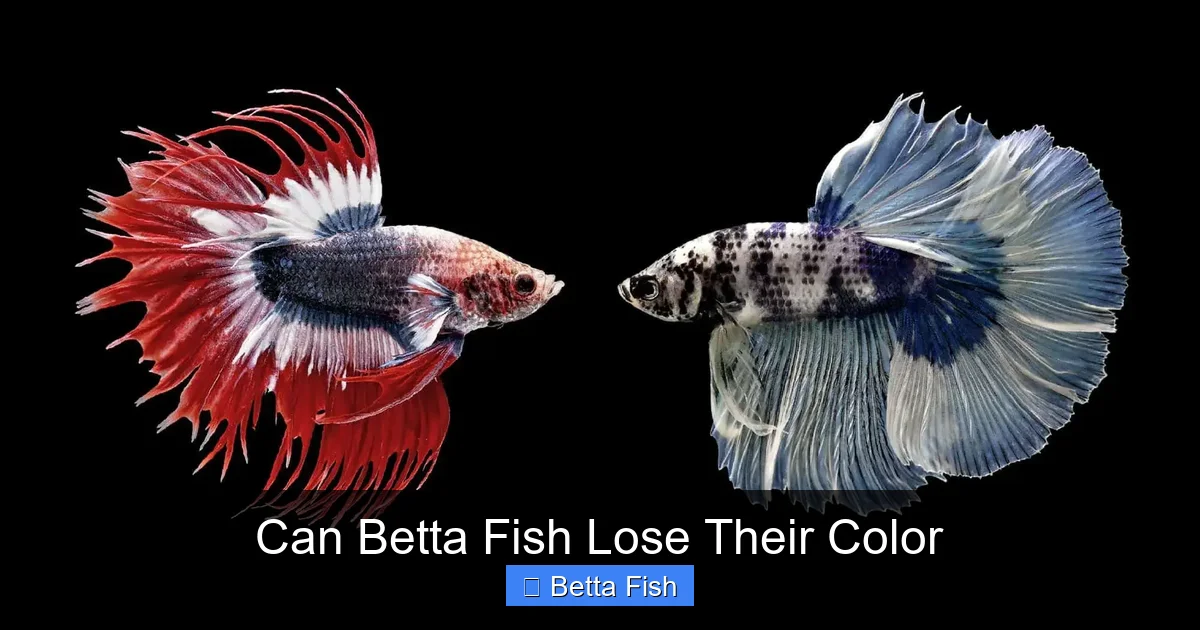
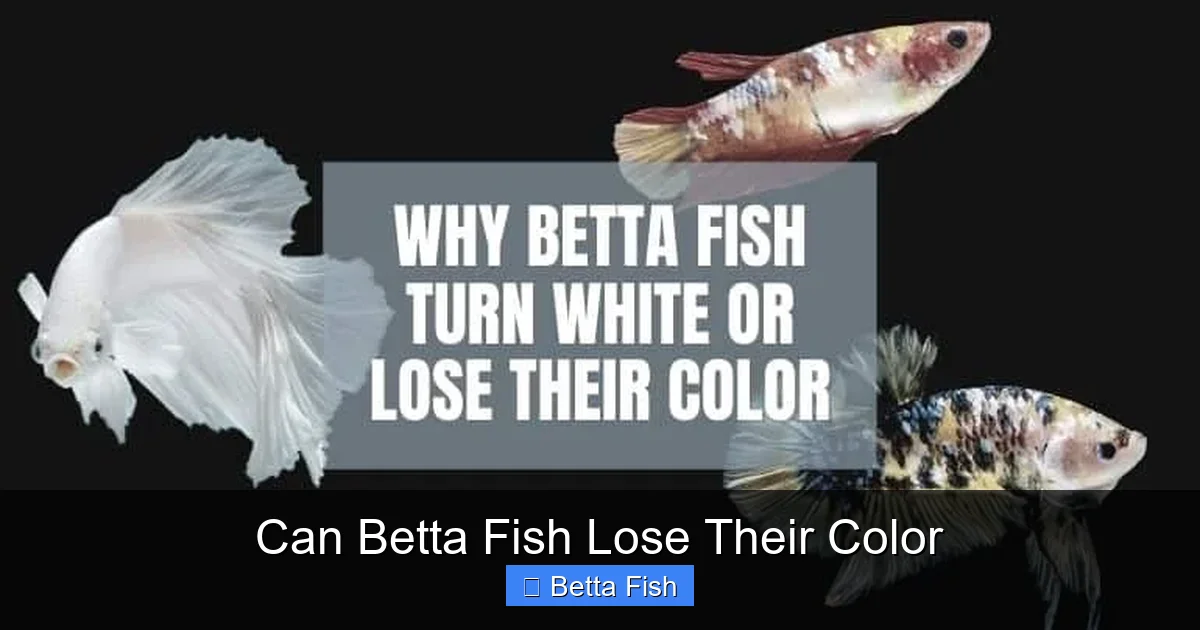
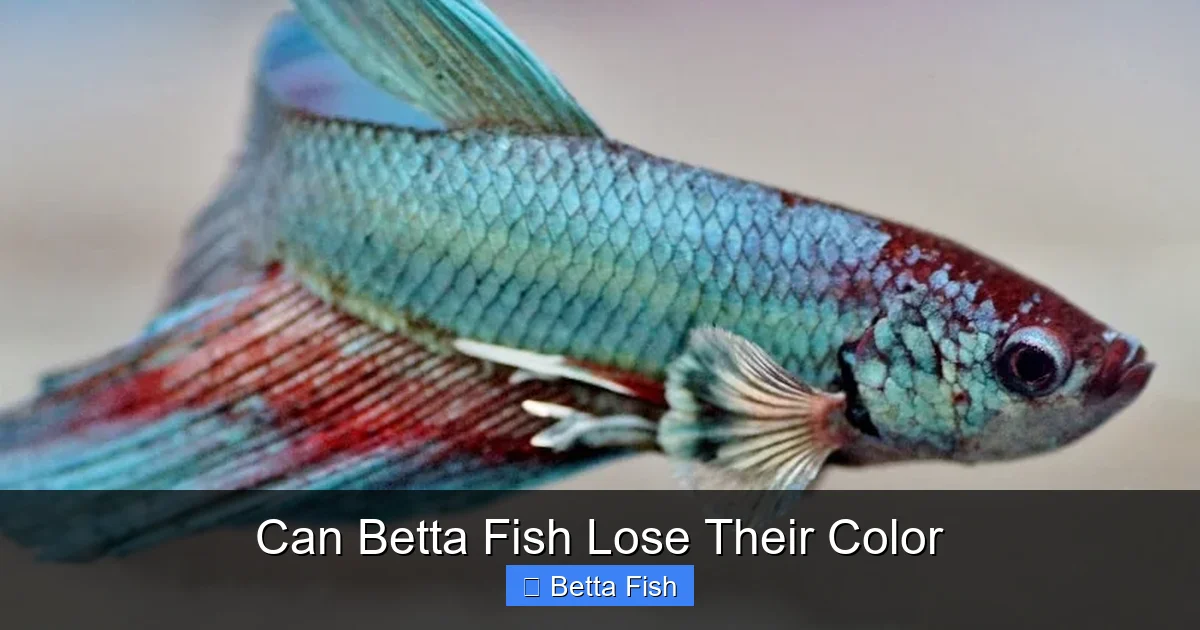
Yes, betta fish can absolutely lose their color, and it’s more common than you might think. Color loss in betta fish can be caused by stress, poor water quality, illness, aging, or even genetics. The good news is that in many cases, the color can return once the underlying issue is addressed. Understanding why your betta is losing its vibrant hues is the first step toward helping your fish thrive again.
Key Takeaways
- Color loss is common: Betta fish can lose their color for many reasons, ranging from stress to serious illness, and it’s not always a cause for panic.
- Stress is the top culprit: Poor water conditions, aggressive tank mates, and sudden environmental changes are the most frequent reasons betta fish lose their color.
- Illness can cause fading: Diseases like ich, fin rot, and velvet can cause noticeable color changes in your betta fish.
- Aging is natural: As betta fish get older, it’s completely normal for their colors to gradually fade over time.
- Genetics play a role: Some betta fish are genetically predisposed to change color throughout their lives, a phenomenon known as marbling.
- Recovery is often possible: When color loss is caused by environmental factors, fixing the issue often leads to your betta regaining its vibrant appearance.
- Prevention matters most: Maintaining clean water, a proper diet, and a stress-free environment is the best way to keep your betta’s colors bright and healthy.
📑 Table of Contents
Can Betta Fish Lose Their Color? Everything You Need to Know
You brought home a stunning betta fish. Its fins flowed like silk, and its colors were absolutely breathtaking. But now, a few weeks or months later, you’re staring at your tank wondering what happened. Your once-vibrant betta looks washed out, pale, or even white in spots. If this sounds familiar, you’re not alone. One of the most common concerns betta fish owners face is color loss, and it can be genuinely alarming when you don’t know what’s causing it.
The short answer to the question “can betta fish lose their color?” is a definitive yes. Betta fish can and do lose their color for a wide variety of reasons. Some of these reasons are completely harmless and reversible, while others may signal a more serious health problem that needs immediate attention. The key is understanding what’s behind the change so you can take the right steps to help your fish.
In this comprehensive guide, we’ll walk you through every possible reason your betta fish might be losing its color, what you can do about it, and how to prevent it from happening in the first place. Whether you’re a first-time betta owner or a seasoned fish keeper, this article will give you the knowledge you need to keep your betta looking its absolute best.
Why Do Betta Fish Lose Their Color?
Before you can fix the problem, you need to understand what’s causing it. Color loss in betta fish isn’t a single issue with a single solution. It’s a symptom that can point to many different underlying causes. Let’s break down the most common reasons your betta fish might be losing its vibrant appearance.
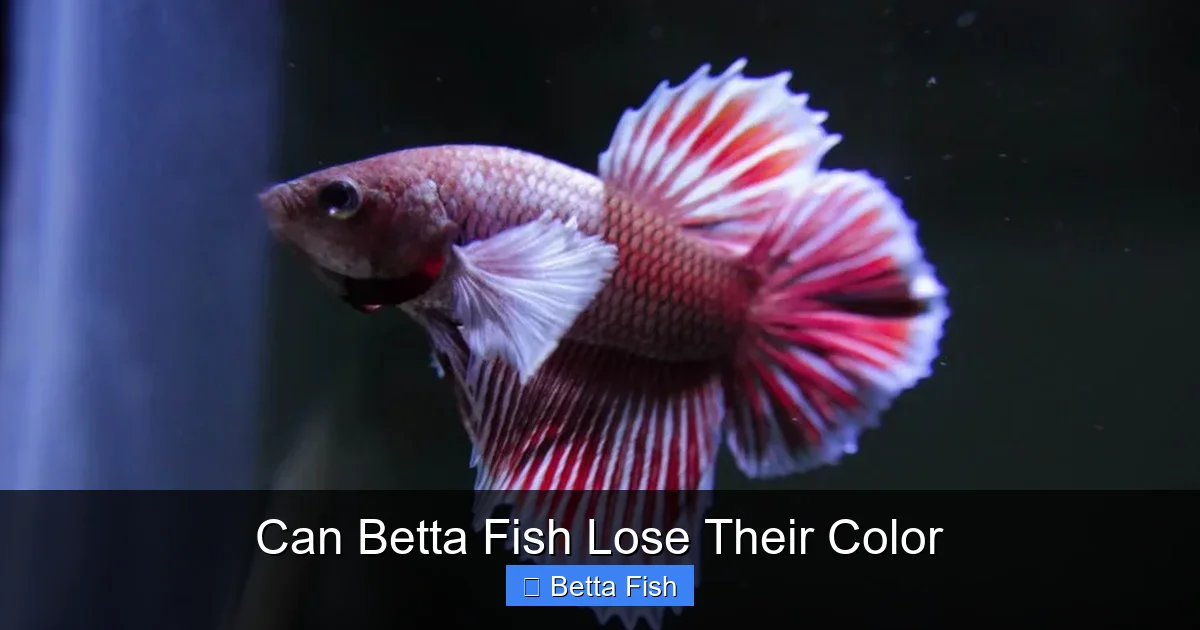
Visual guide about Can Betta Fish Lose Their Color
Image source: bettacarefishguide.com
Stress: The Number One Cause of Color Loss
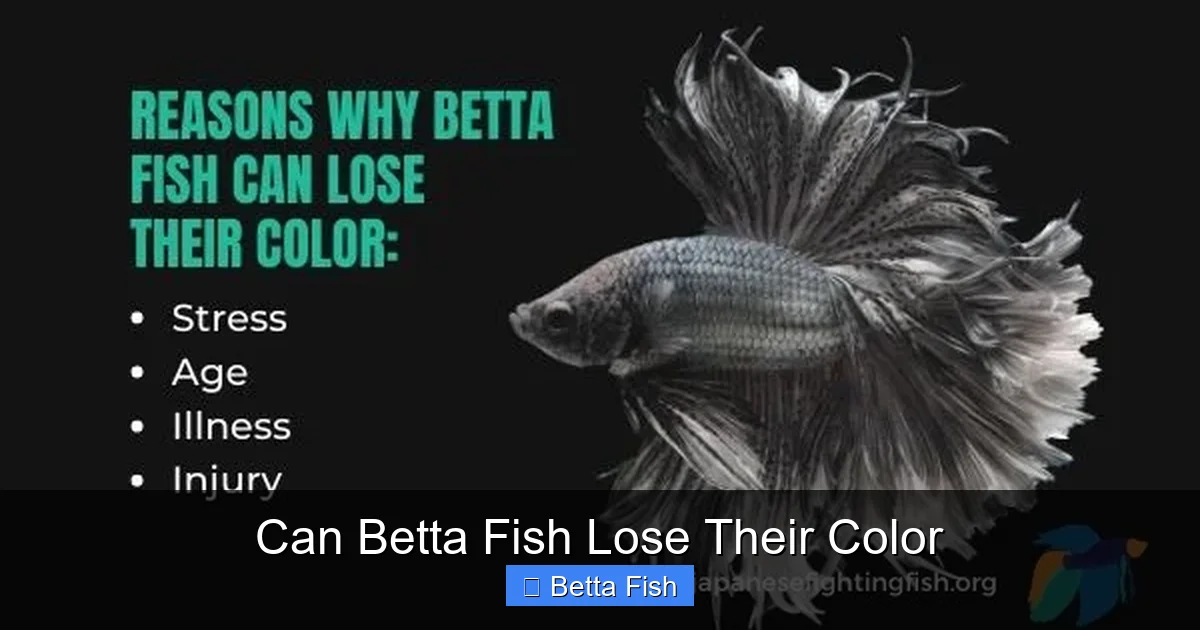
If there’s one thing that betta fish are incredibly sensitive to, it’s stress. And stress is hands down the most common reason betta fish lose their color. When a betta is stressed, its body diverts energy away from maintaining bright pigmentation and toward basic survival functions. The result? A dull, faded, or washed-out appearance.
So what causes stress in betta fish? There are quite a few culprits. Poor water quality is at the top of the list. If the ammonia, nitrite, or nitrate levels in your tank are too high, your betta will feel the effects almost immediately. A tank that’s too small, a lack of hiding spots, and sudden changes in temperature can all send your betta into stress mode. Even something as simple as tapping on the glass or placing the tank in a high-traffic area of your home can cause chronic stress that leads to color loss.
Aggressive tank mates are another major stressor. Betta fish are territorial by nature, and housing them with fish that nip at their fins or compete for space can cause significant stress. If you’re wondering about compatible companions, check out our guide on what other fish can live with betta fish to make sure your betta isn’t being bullied.
Poor Water Conditions
Water quality and color loss go hand in hand. Your betta fish lives, eats, breathes, and eliminates waste in the same water every single day. If that water isn’t properly maintained, it becomes a toxic soup that can wreak havoc on your fish’s health and appearance.
Ammonia burns, high nitrate levels, and incorrect pH can all cause your betta to lose its color. The ideal water parameters for a betta fish include a temperature between 76-82°F, a pH of 6.5-7.5, and zero ammonia and nitrite. Nitrates should be kept below 20 ppm. If you’re not regularly testing your water with a reliable test kit, you could be missing a critical piece of the puzzle.
Performing regular partial water changes, using a good filter, and not overfeeding are the best ways to maintain water quality. A well-maintained tank is the foundation of a healthy, colorful betta fish.
Illness and Disease
When a betta fish loses color, it can sometimes be a sign that something more serious is going on. Several common betta fish diseases are associated with color changes, and catching them early can make all the difference.
Ich (White Spot Disease): This parasitic infection causes small white spots to appear all over your betta’s body and fins. While the spots themselves are white, the surrounding areas may appear pale or faded. Ich is highly treatable when caught early but can be fatal if left untreated.
Velvet: Velvet is another parasitic disease that gives your betta a dusty, goldish, or rusty appearance. It can make your betta look like it’s lost its normal color and replaced it with a dull, metallic sheen. Velvet progresses quickly and requires prompt treatment.
Fin Rot: While fin rot primarily affects the fins, it can also cause discoloration along the edges of the affected areas. If you notice your betta’s fins looking ragged and discolored, fin rot could be the cause. Learn more about this condition in our article on why betta fish lose their fins.
Dropsy: Dropsy causes fluid retention that makes your betta’s scales stick out like a pinecone. This condition often comes with significant color loss and is unfortunately very difficult to treat. If you notice a bloated betta with raised scales and faded color, seek treatment immediately.
Aging and Natural Color Changes
Just like humans get gray hair as they age, betta fish can lose their color as they get older. The average lifespan of a betta fish is about 3-5 years, and as they approach the later stages of life, it’s completely normal for their colors to fade. This is a natural process and nothing to be concerned about.
If your betta is otherwise active, eating well, and behaving normally, age-related color loss is usually nothing to worry about. You can’t stop the aging process, but you can make your senior betta comfortable by maintaining excellent water quality and providing a stress-free environment.
It’s also worth noting that some betta fish go through natural color changes throughout their lives that have nothing to do with age or health. The marbling gene causes some bettas to shift colors unpredictably, sometimes multiple times during their lifetime. This is a genetic trait and is completely harmless.
Genetics and the Marbling Gene
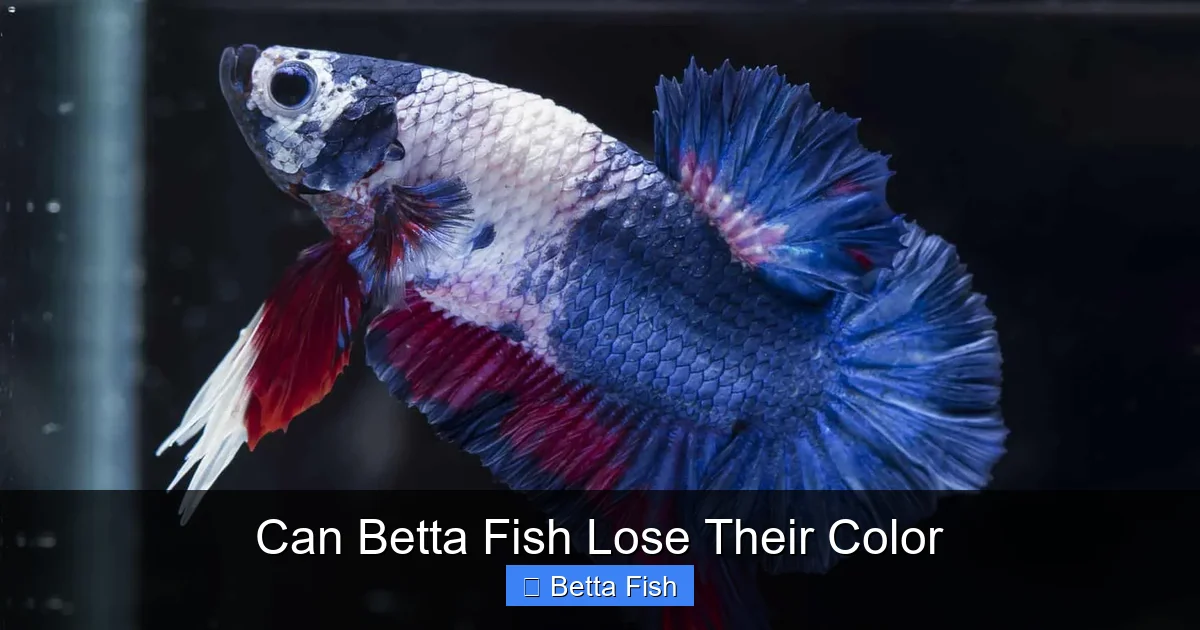
Speaking of genetics, some betta fish are simply born with the ability to change color. The marbling gene is a jumping gene (transposon) that can turn pigment production on and off in different cells. A betta with the marbling gene might be bright blue one month and develop white or red patches the next.
This isn’t color loss in the traditional sense. It’s more of a color transformation. Marbling is completely natural and doesn’t indicate any health problems. In fact, many betta enthusiasts specifically seek out marbling bettas because of their ever-changing, unique appearance.
If your betta is changing colors but seems healthy and happy in every other way, it might just be expressing its marbling gene. There’s nothing you need to do except enjoy the show.
How to Help Your Betta Fish Regain Its Color
Now that you know the common causes of color loss, let’s talk about solutions. In many cases, you can help your betta fish regain its vibrant colors by addressing the root cause of the problem.
Visual guide about Can Betta Fish Lose Their Color
Image source: japanesefightingfish.org
Improve Water Quality Immediately
The first thing you should do when you notice your betta losing color is test your water. Get a reliable liquid test kit (strip tests are often inaccurate) and check your ammonia, nitrite, nitrate, and pH levels. If anything is out of range, take action right away.
Perform a 25-50% water change using dechlorinated water that’s the same temperature as your tank. Clean your filter media in old tank water (never tap water, as it kills beneficial bacteria). Make sure your heater is working properly and keeping the water at a stable 76-82°F.
Going forward, establish a regular maintenance schedule. Weekly water changes of 25-30% are essential for keeping your betta healthy and colorful. A well-cycled tank with stable parameters is the single most important factor in your betta’s overall health and appearance.
Reduce Stress in the Environment
Take a good look at your betta’s living situation. Is the tank at least 5 gallons? Is it in a quiet area of your home? Are there plants and decorations that provide hiding spots? All of these factors play a role in your betta’s stress levels.
If your betta is housed with other fish, observe their interactions carefully. Even fish that are generally considered compatible with bettas can sometimes cause stress. If you notice any aggression or fin nipping, it’s time to separate them. A stressed betta will never show its best colors.
Adding live plants like java fern, anubias, or amazon sword can make a huge difference. Plants provide cover, improve water quality, and make your betta feel more secure. A betta that feels safe is a betta that shows off its best colors.
Feed a High-Quality, Varied Diet
Nutrition plays a bigger role in your betta’s color than most people realize. A betta that’s fed nothing but low-quality flakes will never achieve the same vibrancy as one that receives a balanced, nutrient-rich diet.
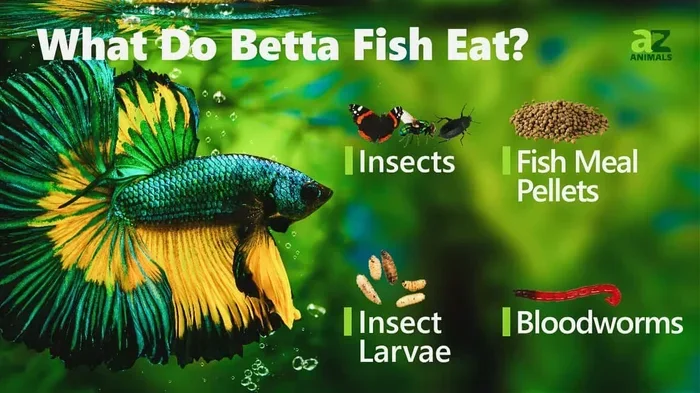
High-quality betta pellets should be the staple of your betta’s diet. Look for pellets that list whole fish or shrimp as the first ingredient. Supplement with frozen or freeze-dried foods like bloodworms, daphnia, and brine shrimp. These foods are rich in carotenoids and other pigments that can actually enhance your betta’s natural coloration.
Feed your betta small amounts once or twice a day, and only give what it can consume in about two minutes. Overfeeding leads to poor water quality, which leads to stress, which leads to color loss. It’s a vicious cycle that’s easy to avoid with proper feeding habits.
Treat Any Underlying Illness
If you suspect your betta’s color loss is due to illness, don’t wait to act. Early treatment is critical for most fish diseases. Set up a hospital tank if possible, and begin treatment based on the symptoms you’re observing.
For ich, gradually raise the temperature to 82-86°F and treat with an appropriate medication. For velvet, dim the lights and use a copper-based treatment. For fin rot, clean water and an antibacterial medication are usually effective. Always follow the instructions on any medication carefully, and never overdose.
If you’re unsure what’s wrong with your betta, consult with an experienced aquarist or a veterinarian who specializes in fish. Getting the right diagnosis quickly can save your betta’s life.
When to Worry About Color Loss
Not all color loss is an emergency, but some situations require immediate attention. Here are the red flags that should prompt you to take action right away.
Visual guide about Can Betta Fish Lose Their Color
Image source: japanesefightingfish.org
- Sudden, dramatic color change: If your betta goes from vibrant to pale overnight, something is seriously wrong. Test your water immediately and look for signs of illness.
- Color loss combined with lethargy: A betta that’s losing color and also lying at the bottom of the tank, refusing to eat, or breathing heavily needs help fast.
- White spots or fuzzy patches: These are signs of parasitic or fungal infections that require prompt treatment.
- Clamped fins with color loss: When a betta holds its fins close to its body and looks faded, it’s a sign of significant stress or illness.
- Bloating or raised scales: These symptoms, combined with color loss, could indicate dropsy or another serious internal condition.
If you’re ever in doubt about your betta’s health, it’s always better to err on the side of caution. Early intervention can mean the difference between a quick recovery and a tragic loss.
Preventing Color Loss in Betta Fish
Prevention is always better than cure, and keeping your betta’s colors vibrant is no exception. Here are the best practices every betta owner should follow.
Visual guide about Can Betta Fish Lose Their Color
Image source: bettasource.com
Start with the Right Setup
Before you even bring your betta home, make sure you have the right equipment. A minimum 5-gallon tank with a gentle filter and an adjustable heater is essential. Betta fish kept in small bowls or unfiltered containers are far more likely to experience stress and color loss.
Cycle your tank before adding your fish. A properly cycled tank has established beneficial bacteria that process harmful ammonia and nitrite. This process takes 4-6 weeks but is absolutely worth the wait.
Maintain a Consistent Routine
Betta fish thrive on consistency. Feed them at the same times each day, perform water changes on a regular schedule, and keep the tank environment stable. Avoid making sudden changes to the tank, rearranging decorations frequently, or moving the tank to a new location.
Consistency also applies to lighting. Betta fish benefit from a regular day-night cycle of about 8-12 hours of light. Too much light can cause stress, while too little can disrupt their natural rhythms.
Monitor Your Betta Daily
Spend a few minutes each day observing your betta. Look for changes in color, behavior, appetite, and swimming patterns. The sooner you catch a problem, the easier it is to fix. Many betta fish owners who lose their fish to preventable causes wish they had noticed the warning signs earlier.
Keeping a simple log of water parameters, feeding, and any behavioral changes can help you spot trends and catch problems before they become serious.
Understanding Normal vs. Abnormal Color Changes
It’s important to distinguish between normal color changes and those that indicate a problem. Some color variation is completely natural and nothing to worry about.
Visual guide about Can Betta Fish Lose Their Color
Image source: bettasource.com
Breeding colors: Male betta fish often display intensified colors when they’re trying to attract a female or flare at a rival. This is a normal, temporary color change.
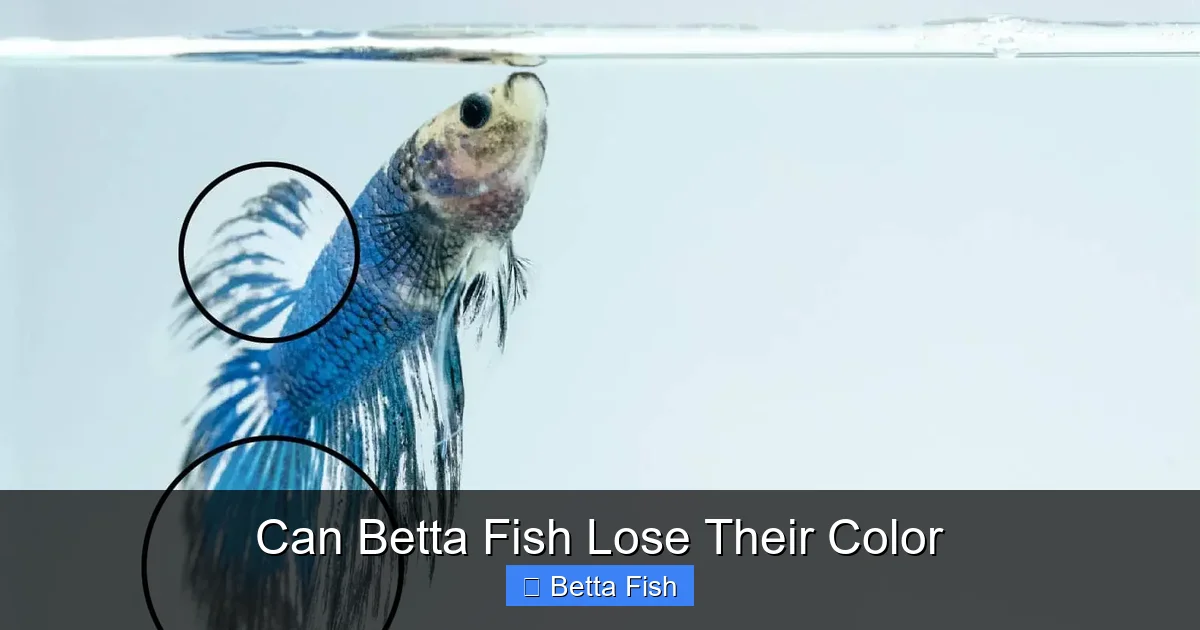
Sleeping colors: Many betta fish look paler when they’re sleeping or resting. Don’t be alarmed if your betta looks a bit washed out first thing in the morning. Its full colors should return once it’s fully awake and active.
Stress stripes: Horizontal stripes on a betta (as opposed to the vertical stripes of an aggressive or breeding betta) are stress stripes. These indicate that your betta is feeling anxious or threatened. If you see stress stripes, evaluate your betta’s environment for potential stressors.
Color changes after purchase: If you just brought your betta home, some color adjustment is normal. The transition from the pet store to your home is stressful, and it may take a week or two for your betta to settle in and show its true colors.
Conclusion
So, can betta fish lose their color? Absolutely. But now you know that color loss isn’t a single problem with a single solution. It’s a symptom that can stem from stress, poor water quality, illness, aging, or even genetics. The most important thing you can do as a betta owner is pay attention to your fish and act quickly when something seems off.
Visual guide about Can Betta Fish Lose Their Color
Image source: hepper.com
In the vast majority of cases, color loss in betta fish is reversible. Fix the water quality, reduce stress, treat any illness, and feed a nutritious diet. Your betta will reward you with a stunning display of color that makes all the effort worthwhile.
Remember, a healthy betta is a colorful betta. By providing the right environment, proper nutrition, and attentive care, you can enjoy your betta’s brilliant beauty for years to come. Don’t panic at the first sign of fading. Instead, use the knowledge you’ve gained from this article to diagnose the problem and take action. Your betta is counting on you.
Frequently Asked Questions
Can betta fish lose their color permanently?
Betta fish can lose their color permanently in some cases, particularly when the cause is aging or certain genetic factors. However, when color loss is caused by stress, poor water quality, or treatable illness, the color often returns once the underlying issue is resolved.
How long does it take for a betta fish to regain its color?
The time it takes for a betta to regain its color depends on the cause. If it’s stress-related, you may see improvement within a few days of fixing the environment. For illness-related color loss, it can take one to three weeks after successful treatment for the color to fully return.
Is it normal for a betta fish to change colors as it ages?
Yes, it’s completely normal for betta fish to gradually lose color as they age. Most bettas live 3-5 years, and fading colors in older bettas are a natural part of the aging process and not a cause for concern.
Can a poor diet cause a betta fish to lose its color?
Yes, a poor diet can definitely contribute to color loss in betta fish. Bettas need a varied, nutrient-rich diet that includes high-quality pellets and occasional treats like bloodworms and brine shrimp to maintain their vibrant coloration.
Should I be worried if my betta fish is turning white?
If your betta is turning white, it could indicate stress, illness, or a fungal infection. You should test your water parameters immediately, observe your betta for other symptoms, and consider consulting with a fish health professional if the condition doesn’t improve.
Do betta fish lose color when they are sleeping?
Yes, it’s completely normal for betta fish to appear paler or lighter in color when they are sleeping or resting. Their full, vibrant colors should return once they wake up and become active again.