Betta fish can technically live with plastic plants, but it’s not always the safest choice. Sharp edges on cheap plastic plants can tear delicate betta fins, causing stress and infection. However, with the right selection and careful inspection, plastic plants can be a low-maintenance option for betta tanks when live plants aren’t feasible.
- Fin damage is the biggest risk: Cheap or low-quality plastic plants often have sharp, rough edges that can easily tear a betta’s delicate flowing fins.
- Silk plants are safer: Silk plants are generally considered a much better alternative to hard plastic because they’re soft and flexible, reducing injury risk.
- Inspect every plant before use: Run a nylon stocking or pantyhose over the plant — if it snags, it will damage your betta’s fins too.
- Live plants are always preferred: Live plants improve water quality, provide natural hiding spots, and create a more enriching environment for bettas.
- Choose soft plastic varieties: If you must use plastic, opt for specifically labeled “betta-safe” or soft plastic plants with smooth, rounded edges.
- Regular maintenance matters: Plastic plants can harbor bacteria and algae, so they need frequent cleaning to keep your betta’s environment healthy.
- Plant placement is key: Avoid overcrowding the tank and ensure plants don’t block swimming space or trap your betta near the surface.
📑 Table of Contents
- Can Betta Fish Live With Plastic Plants?
- Why Plants Matter in a Betta Fish Tank
- The Risks of Plastic Plants for Betta Fish
- How to Choose Safe Plastic Plants for Bettas
- Silk Plants: The Best Alternative to Plastic
- Live Plants: The Ideal Choice for Betta Tanks
- Practical Tips for Any Plant Type
- Common Mistakes to Avoid
- Frequently Asked Questions About Betta Fish and Plants
- Conclusion
Can Betta Fish Live With Plastic Plants?
If you’ve just brought home a beautiful betta fish and are setting up the perfect tank, you’ve probably wondered about the decorating options. One of the most common questions new betta owners ask is: can betta fish live with plastic plants? It’s a fair question, and the answer isn’t as straightforward as you might hope.
Bettas are known for their stunning, flowing fins — those gorgeous, silky appendages that make them one of the most popular aquarium fish in the world. But those same fins that make them so beautiful also make them incredibly vulnerable. The type of plants you put in their tank can mean the difference between a thriving, happy fish and one that’s constantly stressed, injured, or sick.
In this article, we’re going to break down everything you need to know about keeping betta fish with plastic plants. We’ll cover the risks, the benefits, how to choose safe options, and some great alternatives you might want to consider. Let’s dive in!
Why Plants Matter in a Betta Fish Tank
Bettas Come from Plant-Rich Environments
In the wild, betta fish live in shallow, slow-moving waters throughout Southeast Asia. Think rice paddies, marshes, and small ponds. These environments are packed with vegetation. Bettas use plants for hiding, resting, exploring, and even building bubble nests. Plants aren’t just decoration for bettas — they’re a fundamental part of their natural habitat.
When you put plants in your betta’s tank, you’re mimicking their natural environment. This helps reduce stress, encourages natural behaviors, and overall makes your fish feel more at home. A bare tank with nothing in it can actually cause your betta to become lethargic, stressed, and more prone to illness.
The Role of Plants in Water Quality
While this article focuses on plastic plants, it’s worth mentioning that live plants play an active role in maintaining water quality. They absorb nitrates, produce oxygen, and help balance the ecosystem of your tank. Plastic plants obviously don’t do any of that. This means if you go the plastic route, you’ll need to be more diligent about water changes and tank maintenance.
The Risks of Plastic Plants for Betta Fish
Sharp Edges and Fin Damage
Here’s the number one concern: fin tears. Many plastic plants, especially the cheaper ones you find at big-box pet stores, have sharp, jagged edges. These edges are created during the manufacturing process when the plastic is molded and cut. To your hand, they might feel fine. But to a betta’s paper-thin fins? They’re like razors.
A torn fin might not sound like a big deal, but for a betta, it can be serious. Open wounds on fins can lead to:
- Fin rot — a bacterial infection that eats away at the fin tissue
- Chronic stress — which weakens the immune system
- Secondary infections — that can become life-threatening if untreated
- Pain and discomfort — your betta may stop eating or become less active
Bettas love to weave through plants, rest on leaves, and explore their environment. Every interaction with a sharp plastic plant is an opportunity for injury. Over time, even small nicks can add up to significant damage.
Bacterial Growth on Plastic Surfaces
Plastic plants have a rough texture on a microscopic level. This makes them a magnet for bacteria, algae, and biofilm. Unlike live plants, which have natural antimicrobial properties, plastic plants provide a surface where harmful microorganisms can thrive.
If you don’t clean your plastic plants regularly — at least once a week — you’re essentially growing a bacteria farm in your betta’s home. This can lead to cloudy water, foul odors, and increased risk of disease for your fish.
Potential Chemical Leaching
Lower-quality plastic plants may leach chemicals into the water over time. This is especially true for plants not specifically designed for aquarium use. Some plastics contain dyes, softeners, or other compounds that can be toxic to fish when submerged for extended periods.
Always make sure any plastic plant you buy is labeled as aquarium-safe. If you’re not sure where a plant came from or what it’s made of, it’s better to be safe and leave it out of the tank.
How to Choose Safe Plastic Plants for Bettas
The Pantyhose Test
This is the gold standard test for determining if a plant is betta-safe. Here’s how it works: take a pair of nylon stockings or pantyhose and gently drag them across every surface of the plant. If the nylon catches, snags, or tears at any point, that plant is not safe for your betta. The same edge that snagged the nylon will snag and tear your betta’s fins.
It might feel silly doing this at the pet store, but trust me — it’s the best way to protect your fish. Many experienced betta keepers swear by this method.
Look for Soft, Flexible Plastic
Not all plastic plants are created equal. Some are made from softer, more flexible materials that are gentler on fins. Look for plants that bend easily when you press them. If a plant feels rigid and hard, it’s more likely to cause damage.
Some manufacturers specifically market their products as “betta-safe” or “soft plastic aquarium plants.” These are your best bet if you’re set on using plastic. They tend to cost a bit more, but the investment is worth it to keep your fish healthy.
Inspect Every Leaf and Stem
Even plants marketed as safe can have manufacturing defects. Before putting any plastic plant in your betta’s tank, inspect it carefully under good lighting. Look for:
- Rough or sharp edges on leaves
- Pointed tips on stems
- Thin, wire-like supports that could poke your fish
- Any areas where the plastic seems thin or brittle
If you find any sharp spots, you can sometimes smooth them down with fine-grit sandpaper or a nail file. Just make sure to rinse the plant thoroughly afterward to remove any plastic dust.
Avoid Plants with Metal Components
Some decorative plastic plants have metal wires inside them to help them hold their shape. These wires can rust over time, contaminating your water. They can also poke through the plastic and create sharp points. Always check the base of the plant and feel along the stems for any hidden metal.
Silk Plants: The Best Alternative to Plastic
Why Silk Plants Are Superior
If you’re looking for a non-live plant option, silk plants are almost always a better choice than plastic. Silk plants are made from soft fabric material that’s gentle on betta fins. They move naturally in the water, creating a more realistic environment, and they don’t have the sharp edges that make plastic plants dangerous.
Quality silk plants can look incredibly realistic — sometimes even better than plastic ones. They come in a wide variety of colors, shapes, and sizes, so you can create a beautiful aquascape without putting your betta at risk.
Choosing Quality Silk Plants
Not all silk plants are made well either. Here’s what to look for:
- Soft, flowing fabric — the material should feel smooth and silky (hence the name)
- No exposed wire edges — check the base and leaf tips for any wire poking through
- Aquarium-safe dyes — colors shouldn’t bleed when soaked in water
- Weighted bases — so they stay put and don’t float around
Soak any new silk plant in a bucket of water for 24 hours before adding it to your tank. This helps remove any loose dyes, dust, or manufacturing residues.
Maintaining Silk Plants
Silk plants need regular cleaning just like plastic ones. Algae can grow on the fabric, and the material can trap debris. To clean them, take them out of the tank and gently swish them in a bucket of old tank water. For stubborn algae, you can use a soft toothbrush. Never use soap or cleaning chemicals — even trace amounts can be deadly to your betta.
Live Plants: The Ideal Choice for Betta Tanks
Why Live Plants Win Every Time
Let’s be honest — if you can manage it, live plants are always the best option for betta tanks. They provide all the benefits of plastic and silk plants plus a whole lot more. Live plants improve water quality, reduce stress, provide natural food sources, and create a more dynamic, interesting environment for your betta.
Many betta owners report that their fish are more active, more colorful, and more engaged when live plants are in the tank. There’s something about a natural environment that brings out the best in these fish.
Easy Live Plants for Beginners
Worried that live plants are too hard to maintain? Don’t be! There are several species that are practically indestructible:
- Anubias — attaches to rocks or driftwood, doesn’t need to be planted in substrate, very hardy
- Java Fern — another low-maintenance plant that attaches to hardscape
- Java Moss — grows on almost anything, provides excellent cover
- Hornwort — a floating plant that grows fast and absorbs lots of nitrates
- Amazon Sword — a larger plant that gives bettas broad leaves to rest on
- Marimo Moss Balls — basically zero maintenance, just roll them occasionally
Most of these plants don’t require special lighting, CO2 injection, or expensive fertilizers. They’ll thrive in the same conditions your betta needs, which makes them a perfect match.
Broad Leaves for Betta Resting Spots
One of the cutest things about bettas is that they love to rest on broad leaves near the surface of the water. Plants like Amazon Swords and large Anubias leaves make perfect betta hammocks. You’ll often find your betta lounging on these leaves like they’re floating on a tiny water bed.
If you want to learn more about maintaining a planted betta tank, check out our guide on how to clean a betta fish tank with live plants for practical tips and advice.
Practical Tips for Any Plant Type
Don’t Overcrowd the Tank
Whatever type of plant you choose, make sure you’re not filling the tank to the brim. Bettas need open swimming space, and they need easy access to the surface to breathe (they have a special organ called a labyrinth that allows them to breathe air). If plants block the surface or create a maze your betta can’t navigate, you’ve gone too far.
A good rule of thumb: plants should cover about 50-70% of the tank, leaving plenty of open water for swimming and surfacing.
Arrange Plants Strategically
Think about how your betta will use the space. Place taller plants along the back and sides of the tank to create a sense of security. Leave the front more open so you can watch your fish and your betta can see out. Create hiding spots near the bottom and middle of the tank where your betta can retreat when they want privacy.
Clean Regularly
Whether you use plastic, silk, or live plants, regular cleaning is essential. For artificial plants, remove them weekly and scrub off any algae or debris. For live plants, trim dead leaves and remove any decaying plant matter promptly. Clean plants mean clean water, and clean water means a healthy betta.
Monitor Your Betta’s Fins
Regardless of what plants you use, keep a close eye on your betta’s fins. Check them daily for signs of tearing, fraying, or discoloration. If you notice damage, remove any suspect plants immediately and treat the injury. Early detection can prevent minor tears from turning into serious infections.
Common Mistakes to Avoid
Buying the Cheapest Plants Available
I get it — budget matters. But the cheapest plastic plants are usually the cheapest for a reason. They’re made with lower-quality materials, have rougher edges, and are more likely to cause problems. Spending a few extra dollars on quality silk plants or easy live plants will save you money in the long run by avoiding vet bills and fish medications.
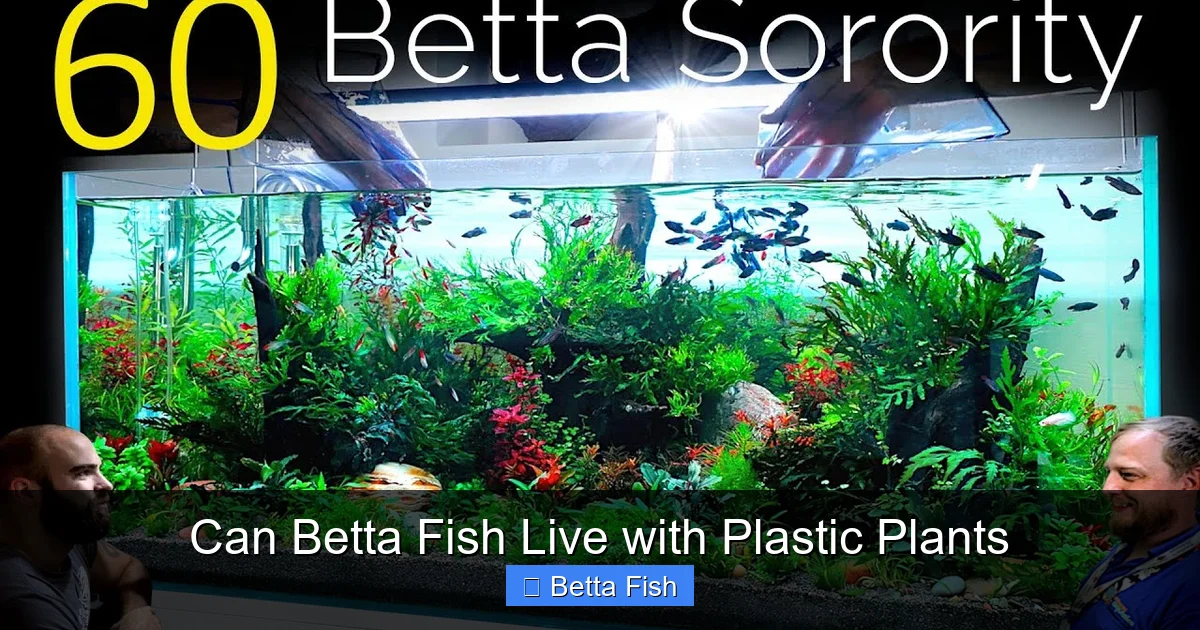
Visual guide about Can Betta Fish Live with Plastic Plants
Image source: i.ytimg.com
Not Testing Plants Before Adding Them
Never throw a new plant straight into your betta’s tank without inspecting it first. Do the pantyhose test. Soak it overnight. Check for sharp edges. A few minutes of preparation can prevent weeks of problems.
Ignoring Signs of Stress or Injury
If your betta is hiding constantly, clamping their fins, losing color, or showing signs of fin damage, your plants might be the culprit. Don’t assume your fish is just being moody. Bettas are expressive fish — if something is wrong, they’ll usually tell you through their behavior.
Frequently Asked Questions About Betta Fish and Plants
Are There Specific Brands of Betta-Safe Plants?
Several brands specifically design plants with betta fish in mind. Look for products from brands like Zoo Med, Penn-Plax, or Fluker’s that are labeled as aquarium-safe. Many betta-specific product lines include plants with extra-soft edges. Your local fish store may also carry curated selections — don’t hesitate to ask staff for recommendations.
Can Bettas Live in a Tank With No Plants at All?
Technically, yes — but it’s not ideal. A bare tank lacks enrichment, hiding spots, and environmental stimulation. Bettas in empty tanks often become stressed, lethargic, and more prone to illness. Even if you can’t have plants, consider adding smooth rocks, driftwood, or betta hammocks to provide some enrichment.
How Often Should I Replace Plastic Plants?
Plastic plants don’t expire, but they do degrade over time. If you notice fading, brittleness, rough patches developing, or persistent algae that won’t clean off, it’s time for new plants. Generally, good-quality plastic plants can last several years with proper care.
Conclusion
So, can betta fish live with plastic plants? The answer is yes — but with important caveats. Cheap, sharp-edged plastic plants pose a real danger to your betta’s delicate fins and overall health. However, if you carefully select soft, betta-safe options, inspect them thoroughly, and maintain them properly, plastic plants can work in a pinch.
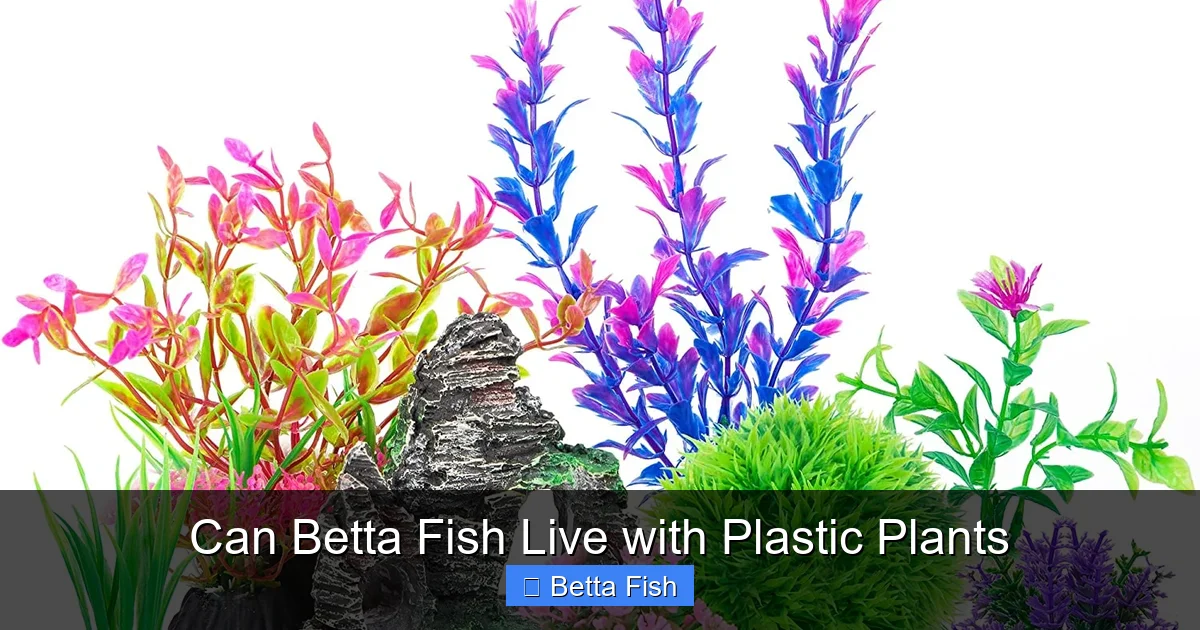
Visual guide about Can Betta Fish Live with Plastic Plants
Image source: i5.walmartimages.com
That said, if you have the option, silk plants or live plants are always the better choice. Silk plants eliminate the fin-damage risk while still providing visual appeal and environmental enrichment. Live plants go even further by improving water quality and creating a truly natural habitat for your betta.
At the end of the day, the best plant for your betta is one that keeps them safe, healthy, and happy. Take the time to choose wisely, inspect carefully, and maintain regularly. Your betta will reward you with vibrant colors, active behavior, and years of companionship.
Remember — a well-planted tank isn’t just about aesthetics. It’s about creating an environment where your betta can truly thrive. Whether you go with carefully selected plastic, beautiful silk, or lush live plants, your fish will thank you for putting in the effort.
Frequently Asked Questions
Can betta fish live with plastic plants safely?
Betta fish can live with plastic plants, but only if the plants are specifically soft and free of sharp edges. Cheap plastic plants often have rough edges that can tear a betta’s delicate fins, leading to infections and stress. Always perform the pantyhose test before adding any plastic plant to your betta’s tank.
What is the pantyhose test for aquarium plants?
The pantyhose test involves dragging a pair of nylon stockings across the surface of a plant. If the nylon snags or tears, the plant has sharp edges that could damage your betta’s fins. This simple test is the most reliable way to determine if a plastic or silk plant is safe for betta fish.
Are silk plants better than plastic plants for betta fish?
Yes, silk plants are generally much safer for betta fish than plastic plants. They’re made from soft fabric that won’t tear delicate fins, and they move naturally in the water, creating a more realistic environment. Quality silk plants are the best artificial option for betta tanks.
What are the best live plants for betta fish tanks?
The best live plants for betta tanks include Anubias, Java Fern, Java Moss, Hornwort, Amazon Sword, and Marimo Moss Balls. These plants are low-maintenance, thrive in the same conditions bettas need, and provide excellent hiding spots and resting places. Broad-leafed plants like Amazon Swords make perfect resting spots for bettas near the water surface.
How do I clean plastic plants in a betta tank?
Remove plastic plants from the tank weekly and scrub them with a soft brush or toothbrush in a bucket of old tank water. Never use soap or cleaning chemicals, as even trace amounts can harm your betta. For stubborn algae, you can soak the plants in a diluted vinegar solution, but rinse extremely thoroughly afterward.
Can torn fins from plastic plants heal on their own?
Minor fin tears can heal on their own if the water quality is excellent and the source of damage is removed. However, larger tears or those that become infected with fin rot require treatment with aquarium salt or medication. Always remove sharp plants immediately if you notice fin damage, and monitor your betta closely for signs of infection.

