Can Betta Fish Live with Guppys
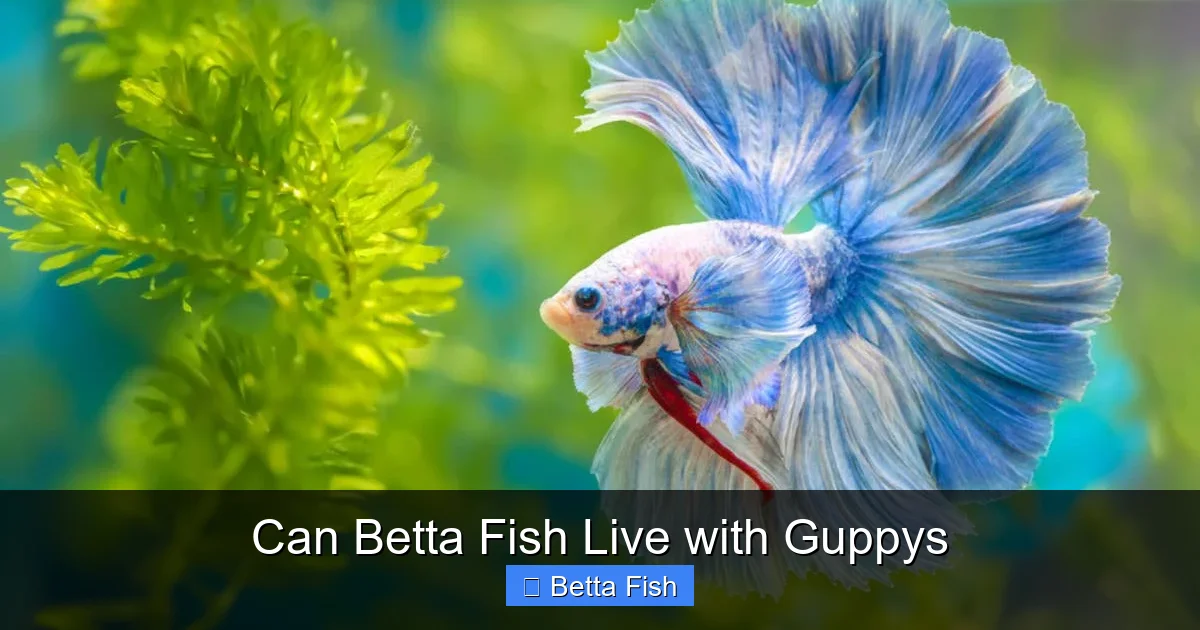
Can betta fish live with guppies? It’s possible, but it’s not always a guaranteed success. Both species have specific needs and temperaments that can clash. With the right tank setup, careful selection, and constant monitoring, you can increase your chances of a peaceful coexistence. However, be prepared to separate them if aggression occurs.
- Temperament is Key: Male bettas are highly territorial and may see colorful, flowing-finned guppies as rivals, leading to aggression.
- Female Bettas Are a Better Bet: Female bettas are generally less aggressive than males and are more likely to tolerate guppy tank mates.
- Tank Size Matters: A larger tank (20 gallons or more) is essential to provide enough space and reduce territorial disputes.
- Heavily Plant the Tank: Use live or silk plants to create hiding spots and break lines of sight, which helps reduce stress and aggression.
- Have a Backup Plan: Always be ready to separate the fish immediately if you see signs of chasing, nipping, or stress.
- Monitor Water Parameters: Both fish thrive in similar warm, clean water conditions, making maintenance crucial for their health.
- It’s Not Always Successful: Even with perfect conditions, some individual bettas are simply too aggressive to live with any other fish.
📑 Table of Contents
- Can Betta Fish Live with Guppies? A Comprehensive Guide
- Understanding the Betta Fish Temperament
- The Guppy Personality: Peaceful but Flashy
- Creating the Ideal Tank Environment
- How to Introduce Bettas and Guppies
- Signs of Trouble: When to Separate Them
- Water Parameters and Care
- Conclusion: Is It Worth the Risk?
Can Betta Fish Live with Guppies? A Comprehensive Guide
So, you’ve got a beautiful betta fish, and you’re thinking about adding some colorful guppies to the mix. It’s a common question, and the answer isn’t a simple yes or no. The truth is, can betta fish live with guppies? It’s a gamble. While some aquarists have had success, others have witnessed a fin-nipping frenzy. This guide will walk you through everything you need to know to make an informed decision and give your fish the best chance at a peaceful life together.
We’ll dive into the personalities of both fish, the ideal tank setup, and the crucial signs to watch for. Whether you’re a beginner or a seasoned fish keeper, understanding the dynamics between these two popular species is key to creating a thriving aquarium. Let’s explore if this combination can work for you.
Understanding the Betta Fish Temperament
To understand if bettas and guppies can coexist, you first need to understand the betta. Known as Siamese fighting fish, their name says it all. Male bettas are incredibly territorial and aggressive, especially towards other fish with bright colors and long, flowing fins. In the wild, they defend their space fiercely.
Why Are Male Bettas So Aggressive?
This aggression is hardwired into their DNA. They see other colorful, flashy fish as direct threats. A male guppy, with its vibrant tail and constant movement, can easily trigger a betta’s instinct to attack. It’s not that your betta is “mean”; it’s just being a betta. This is why many experts advise against keeping male bettas with guppies.
What About Female Bettas?
Female bettas are a different story. While they can still be feisty, they are generally less aggressive than their male counterparts. They are more likely to establish a pecking order and coexist peacefully with other fast-moving fish like guppies. If you’re determined to try this combination, starting with a female betta significantly increases your odds of success. For more on this, check out our guide on what fish can live with a male betta.
The Guppy Personality: Peaceful but Flashy
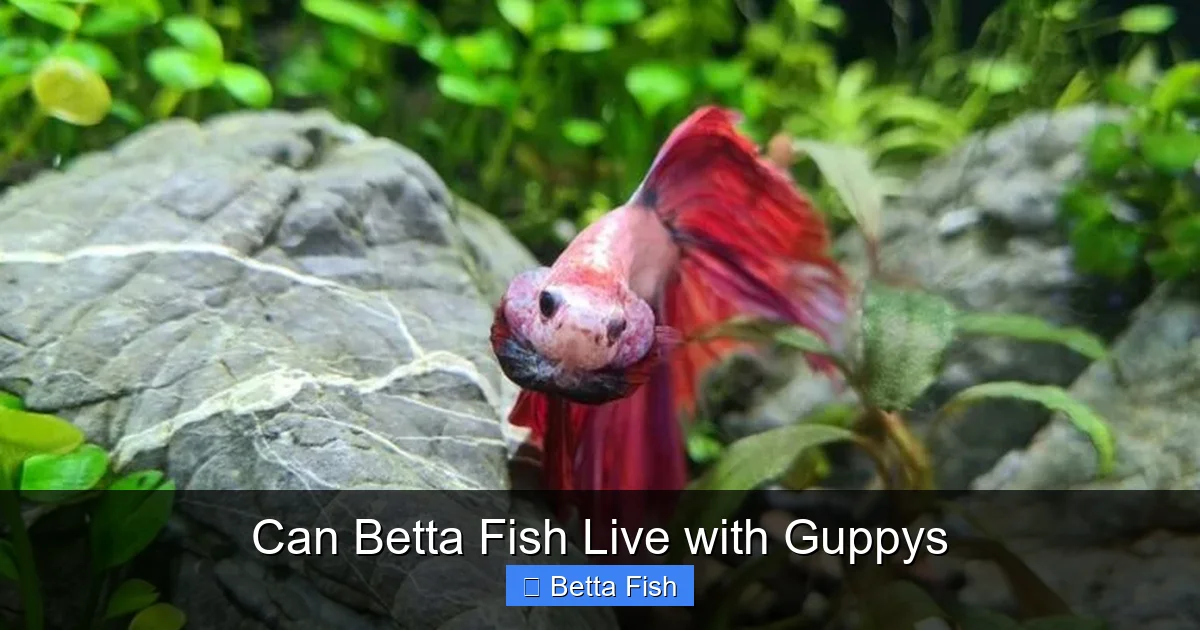
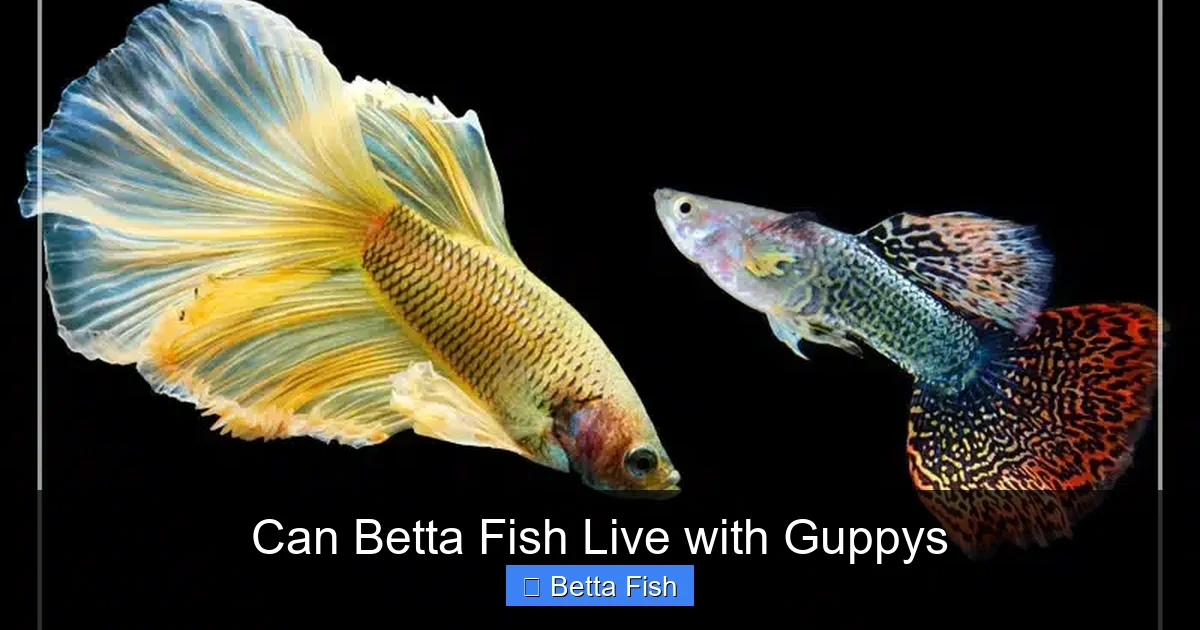
Guppies are known for being peaceful, social, and incredibly active. They are community fish that thrive in groups. However, their most beautiful feature is also their biggest liability in a tank with a betta. Their long, flowing, and brightly colored tails are a major trigger for betta aggression.
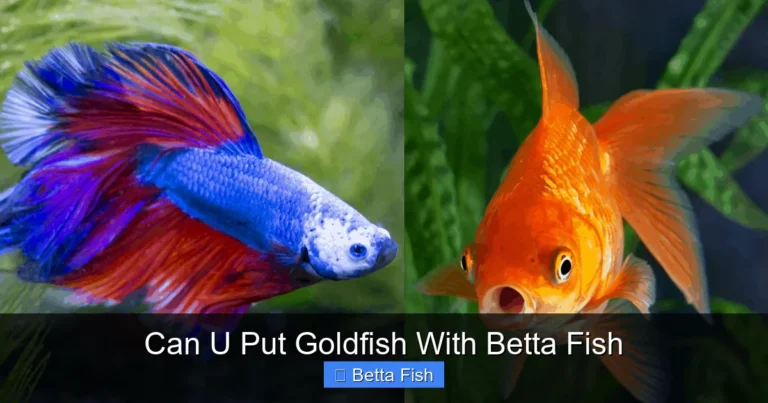
Visual guide about Can Betta Fish Live with Guppys
Image source: fantaseaaquariums.com
Why Guppies Can Be a Target
A betta doesn’t see a friendly neighbor when it looks at a guppy. It sees a rival. The guppy’s constant swimming and flashing tail can be perceived as a challenge or a threat. This can lead to the betta relentlessly chasing and nipping at the guppies, causing them immense stress and injury.
The Guppy’s Best Defense: Speed
Luckily, guppies are quick and agile. In a large enough tank with plenty of hiding places, they can often evade a slower betta. This is why tank setup is so critical. Without space and cover, the guppies have nowhere to escape, and the situation can turn dangerous very quickly.
Creating the Ideal Tank Environment
If you decide to try housing bettas and guppies together, your tank setup is your most important tool for success. A bare, small tank is a recipe for disaster. You need to create an environment that minimizes stress and territorial behavior.
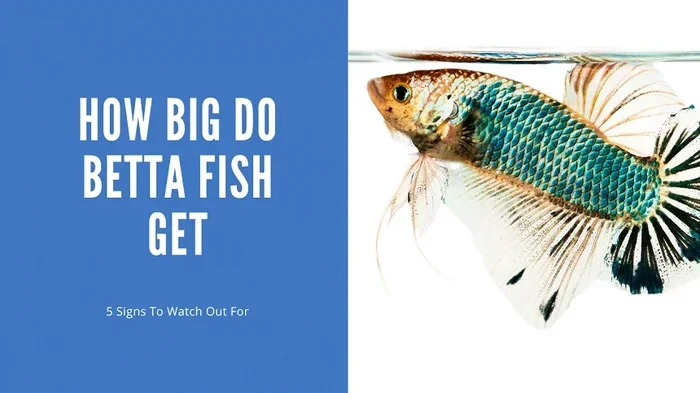
Visual guide about Can Betta Fish Live with Guppys
Image source: petyolo.org
Tank Size: Bigger is Always Better
The absolute minimum tank size for this combination is 20 gallons, but 29 or 30 gallons is even better. A larger tank provides several key benefits. First, it gives the guppies plenty of room to swim away from the betta. Second, it allows the betta to establish a smaller territory without feeling the need to patrol the entire aquarium. More water volume also helps keep water parameters stable, which is healthier for everyone.
The Importance of Plants and Decorations
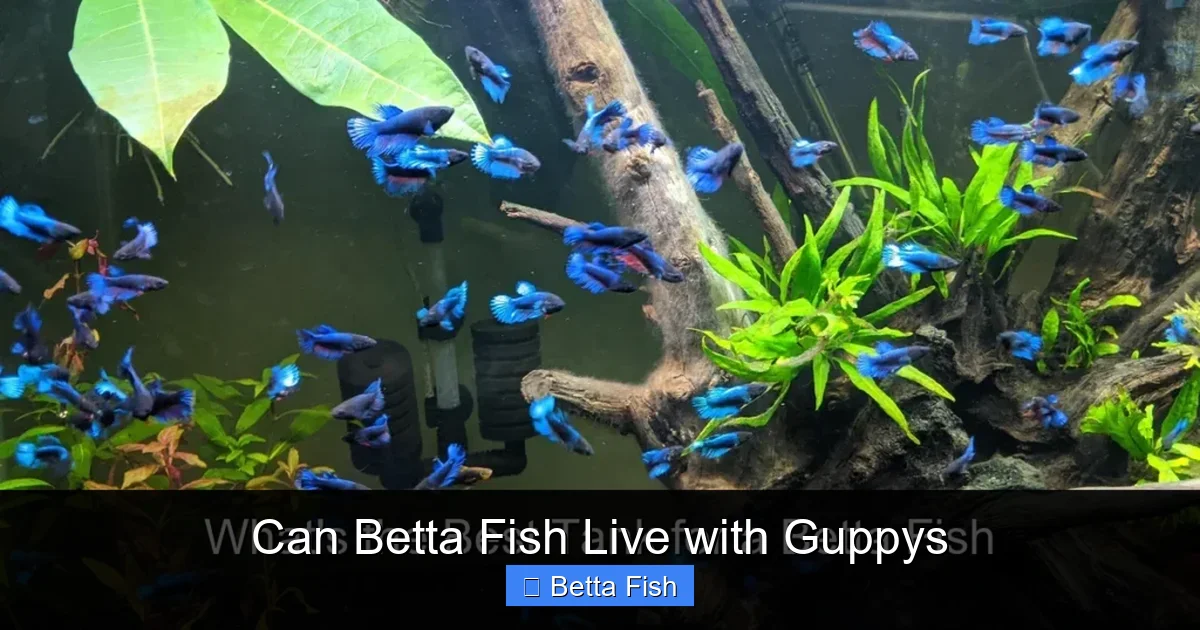
A heavily planted tank is non-negotiable. Live plants like Java fern, Anubias, and hornwort are excellent choices. They provide crucial hiding spots for guppies and break up the lines of sight in the tank. When a betta can’t constantly see the guppies, it’s less likely to be in a state of high alert. Silk plants are a good alternative if you prefer not to deal with live plants, but avoid plastic plants, as they can tear delicate fins.
Add decorations like caves, driftwood, and rocks to create even more visual barriers and safe zones. The goal is to create a complex environment where fish can get away from each other. This reduces stress and gives the guppies a fighting chance.
How to Introduce Bettas and Guppies
The introduction process is just as important as the tank setup. Throwing them together is a bad idea. A slow, controlled introduction can help them acclimate to each other’s presence without immediate violence.
Step 1: Quarantine New Fish
Before any introduction, always quarantine new fish in a separate tank for two to four weeks. This ensures they are healthy and not carrying any diseases that could spread to your established betta or vice versa.
Step 2: Add the Guppies First
It’s often best to add the guppies to the main tank first. This allows them to establish their own swimming paths and find hiding spots before the betta arrives. Let them settle in for a day or two.
Step 3: Introduce the Betta
After the guppies are comfortable, you can introduce the betta. Watch their interactions very closely for the first few hours. Some chasing is normal as the betta establishes its territory. However, if the betta is relentlessly attacking or if the guppies are hiding constantly and showing signs of stress, you need to be ready to intervene.
Step 4: Have a Backup Plan
This is the most important step. Always have a separate tank or a tank divider ready. If the aggression doesn’t subside within a day or two, you must separate the fish. The safety of your pets is more important than your desire for a community tank. For other potential tank mates, you can explore what other fish can live with betta fish.
Signs of Trouble: When to Separate Them
Constant vigilance is required when keeping these two species together. You need to know the warning signs that the arrangement isn’t working. Ignoring these signs can lead to injury or even death for your fish.
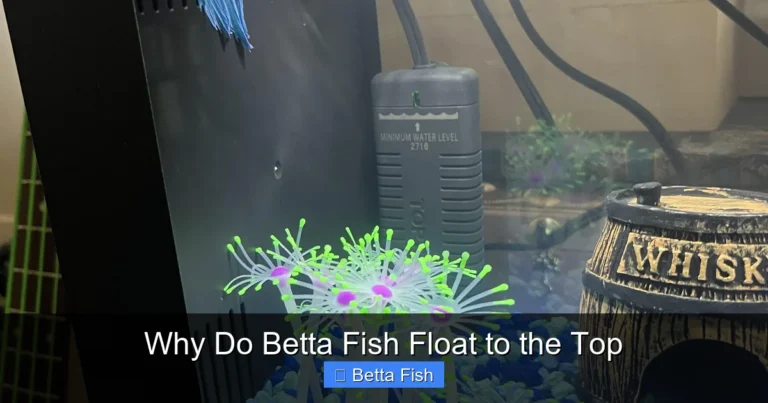
Visual guide about Can Betta Fish Live with Guppys
Image source: bettafishinfo.com
Physical Signs of Stress and Injury
Look for torn or ragged fins on your guppies. This is a clear sign of fin nipping from the betta. Also, watch for missing scales or visible wounds. On the betta, look for any signs of injury from a particularly feisty guppy, though this is less common. A stressed fish may also have faded colors or clamped fins (fins held tight against the body).
Behavioral Red Flags
Behavioral changes are just as important. If your guppies are constantly hiding and never come out to eat, they are too stressed. If your betta is flaring its gills and chasing the guppies non-stop, it’s a major problem. A healthy community tank should have fish swimming freely and interacting calmly. If that’s not happening, it’s time to separate them.
Water Parameters and Care
One piece of good news is that bettas and guppies have similar water requirements. Both are tropical fish that thrive in warm, clean water. This makes maintaining the tank a bit easier.
Ideal Water Conditions
Aim for a water temperature between 76-82°F (24-28°C). The pH should be neutral, around 6.5 to 7.5. It’s crucial to have a good filter to keep the water clean, but make sure the current isn’t too strong, as bettas prefer calmer water. Perform regular partial water changes (about 25% weekly) to keep nitrate levels low.
Feeding Your Fish
Both bettas and guppies are omnivores. Feed them a varied diet of high-quality flakes or pellets, supplemented with occasional treats like bloodworms or brine shrimp. Be careful not to overfeed, as this can pollute the water. Feed them small amounts once or twice a day, only what they can consume in a couple of minutes.
Conclusion: Is It Worth the Risk?
So, can betta fish live with guppies? The answer is a cautious “maybe.” It’s a combination that requires a large, well-planted tank, a docile betta (preferably female), and a watchful owner. It’s not a setup for beginners or for those who aren’t prepared to separate the fish at a moment’s notice.
If you’re looking for a guaranteed peaceful community tank, there are safer alternatives. However, if you’re an experienced aquarist willing to put in the work and accept the risks, it can be a rewarding challenge. The key is to prioritize the well-being of your fish above all else. Always have a backup plan, and don’t be afraid to use it. A happy, healthy fish is always more important than a specific tank setup.
Frequently Asked Questions
What size tank do I need for bettas and guppies?
A minimum of a 20-gallon tank is required, but a 29 or 30-gallon tank is highly recommended. The extra space is crucial for reducing aggression and giving the guppies room to escape.
Can I put a male betta with male guppies?
This is the riskiest combination. Male bettas are very likely to attack male guppies due to their bright colors and flowing tails. It is generally not recommended.
Are female bettas safer with guppies?
Yes, female bettas are typically less aggressive than males. They are a much better choice for a community tank with guppies, though success is still not guaranteed.
How do I stop my betta from attacking my guppies?
If the aggression is constant, the only surefire solution is to separate them immediately. You can try adding more plants and decorations to break lines of sight, but if that doesn’t work, a separate tank or divider is necessary.
What are good tank mates for bettas besides guppies?
Some safer options include neon tetras, corydoras catfish, and certain species of snails and shrimp. Always research any potential tank mate thoroughly before introducing them. You can find more ideas in our article on can betta fish live with shrimp.
How can I tell if my guppies are stressed?
Signs of stress in guppies include hiding constantly, loss of color, clamped fins, and refusing to eat. If you notice these behaviors, it’s a sign that the tank environment is not suitable.