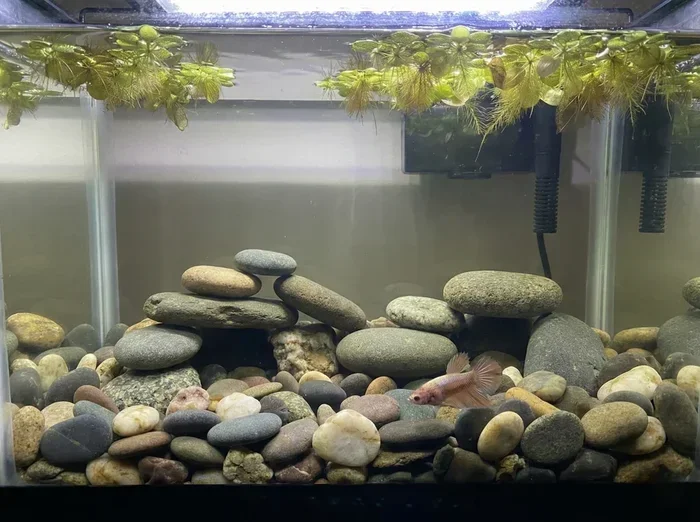
Can Betta Fish Burp

Betta fish can occasionally release bubbles that look like burps, but it’s usually a normal part of their breathing or a sign of water issues. Understanding the difference helps you spot real problems and keep your finned friend thriving.
Key Takeaways
- Burping is rare but possible: Betta fish may expel air bubbles, often after gulping surface water.
- Normal behavior vs. illness: Small bubbles are usually harmless; large or frequent bubbles can signal stress or disease.
- Water quality matters: Poor oxygen levels or high surface tension encourage bubble buildup.
- Tank setup tips: Use a gentle filter, provide surface agitation, and avoid over‑feeding.
- When to act: Seek veterinary advice if bubbles are accompanied by loss of appetite, lethargy, or fin rot.
- Observe regularly: Daily checks of your betta’s behavior help catch issues early.
- Helpful resources: Learn about compatible tank mates and proper care from related articles.
📑 Table of Contents
- Introduction: The Curious Case of the Burping Betta
- How Betta Fish Breathe: A Quick Primer
- Is It Really a Burp? What the Bubble Means
- Factors That Influence Bubble Formation
- Practical Tips to Reduce Unwanted Burping
- When to Seek Professional Help
- Compatibility: Does a Burping Betta Affect Tank Mates?
- Conclusion: Keeping Your Betta Comfortable and Bubble‑Free
Introduction: The Curious Case of the Burping Betta
If you’ve ever watched a betta fish glide near the water’s surface and noticed a tiny bubble escaping its mouth, you might wonder, “Can betta fish burp?” The short answer is yes—betta fish can release air bubbles, but it’s not the same as a human burp. In most cases, the bubble is simply a by‑product of how bettas breathe and interact with their environment.
Understanding why these bubbles appear, when they’re a red flag, and what you can do to prevent problems will make you a more confident betta keeper. This guide breaks down the science, the signs to watch for, and practical steps to keep your fish healthy and happy.
How Betta Fish Breathe: A Quick Primer
The Labyrinth Organ
Betta fish belong to the Osphronemidae family, which includes other “labyrinth” fish. They possess a special organ called the labyrinth organ that lets them gulp air directly from the surface. This adaptation allows bettas to thrive in low‑oxygen water, but it also means they occasionally take in excess air.

Visual guide about Can Betta Fish Burp
Image source: aitoyo.or.jp
From Gulp to Bubble
When a betta takes a gulp, the air travels to the labyrinth organ, where oxygen is extracted. The remaining gas is expelled back into the water, often as a small bubble that rises to the surface. This is the most common “burp‑like” event you’ll see.
Is It Really a Burp? What the Bubble Means
Normal Bubble Release
Occasional bubbles are normal and usually harmless. You’ll often see them after feeding, when the fish is excited, or after a quick surface dash. These bubbles are small, round, and disappear quickly.

Visual guide about Can Betta Fish Burp
Image source: i.ytimg.com
When Bubbles Signal Trouble
Frequent, large, or foamy bubbles can indicate:
- Low dissolved oxygen in the tank.
- High surface tension caused by oily water or certain conditioners.
- Gastrointestinal distress or constipation.
- Swim bladder issues, which can cause the fish to gulp air excessively.
If the bubbles are accompanied by other symptoms—loss of appetite, lethargy, clamped fins, or abnormal swimming—seek a vet or experienced aquarist’s advice.
Factors That Influence Bubble Formation
Water Temperature and Oxygen Levels
Warmer water holds less oxygen. If your tank is too warm (above 80°F/27°C), the betta may need to gulp more often, leading to more bubbles. Keep the temperature between 76‑80°F (24‑27°C) for optimal health.

Visual guide about Can Betta Fish Burp
Image source: les-stars-nues.biz
Surface Agitation
Gentle surface movement helps release excess gases. A mild filter flow or a small air stone creates tiny ripples that prevent bubbles from sticking to the fish’s mouth.
Water Quality and Additives
Heavy use of oil‑based conditioners or soaps can increase surface tension, making bubbles cling to the fish. Always use a betta‑safe conditioner and avoid over‑dosing.
Feeding Practices
Over‑feeding or giving foods that float can cause the fish to chase bubbles and gulp extra air. Feed small portions twice a day and remove uneaten food after a few minutes.
Practical Tips to Reduce Unwanted Burping
Maintain Proper Filtration
Use a filter with adjustable flow. Set it low enough not to stress the betta but strong enough to create gentle surface movement. A sponge filter works well for small tanks.
Monitor Dissolved Oxygen
Invest in an inexpensive dissolved oxygen test kit. If levels drop below 5 mg/L, consider adding a small air stone or increasing water changes.
Regular Water Changes
Change 25‑30 % of the tank water weekly. This removes waste, lowers ammonia, and refreshes oxygen levels.
Choose the Right Tank Size
While bettas can live in small bowls, a 5‑gal (19‑L) tank provides better water stability and more surface area for gas exchange. Read more about tank size in our guide on Can You Keep Betta Fish In A Small Bowl.
Observe Feeding Habits
Offer sinking pellets or frozen foods that don’t float. This reduces the temptation for the fish to chase surface bubbles.
When to Seek Professional Help
Signs of Swim Bladder Disorder
If your betta swims upside down, floats to the top and can’t sink, or constantly gulps air, it may have a swim bladder issue. This condition often requires a change in diet (e.g., adding peas) or, in severe cases, veterinary treatment.
Persistent Foam or Excessive Burping
Continuous foamy bubbles may indicate a bacterial infection or poor water quality. Test the water for ammonia, nitrite, and nitrate. If values are high, perform a partial water change and check your filter.
Consult a Vet
Specialized aquatic vets can diagnose internal problems. Bring a water sample and note any recent changes in diet or tank setup.
Compatibility: Does a Burping Betta Affect Tank Mates?
Bubble release itself doesn’t harm other fish, but the underlying causes—like poor water quality—can affect the whole community. If you keep a community tank, ensure all inhabitants have compatible water parameters.
For ideas on suitable companions, see our article on What Other Fish Can Live With Betta Fish. Remember, bettas are territorial; choose peaceful, non‑aggressive species and provide plenty of hiding spots.
Conclusion: Keeping Your Betta Comfortable and Bubble‑Free
So, can betta fish burp? Yes, they can release bubbles, but it’s usually a normal part of their breathing. By maintaining good water quality, providing gentle surface agitation, and feeding wisely, you can minimize unnecessary burping and keep your betta thriving. Keep an eye on the size and frequency of bubbles, and don’t hesitate to act if other symptoms appear. With attentive care, your betta will stay vibrant, active, and—most importantly—healthy.
Frequently Asked Questions
Can betta fish burp like a human?
No, bettas don’t have a stomach that releases gas the way humans do. The “burp” you see is an air bubble expelled after the fish uses its labyrinth organ.
Why does my betta release bubbles after feeding?
Feeding can stimulate the fish to gulp surface water, taking in extra air that later exits as a bubble. It’s normal if the bubbles are small and occasional.
Are bubbles a sign of disease?
Occasional bubbles are normal, but frequent, large, or foamy bubbles combined with lethargy or loss of appetite may indicate swim bladder issues or poor water quality.
How can I reduce bubble formation?
Maintain proper filtration, perform regular water changes, keep the tank temperature between 76‑80°F, and use a gentle air stone to improve surface agitation.
Do other fish get affected by a burping betta?
The bubbles themselves aren’t harmful, but the underlying water problems that cause excessive bubbling can stress other fish. Keep the tank clean and well‑oxygenated.
When should I take my betta to a vet?
If you notice persistent bubbles along with symptoms like upside‑down swimming, lack of appetite, or clamped fins, it’s time to consult an aquatic veterinarian.