Can Betta Fish Be with Sucker Fish
Betta fish can sometimes share a tank with sucker fish, but success depends on size, temperament, and careful planning. Provide plenty of hiding spots, monitor behavior, and choose compatible species to keep your betta happy and stress‑free.
Key Takeaways
- Temperament matters: Male bettas are aggressive; females are more tolerant.
- Tank size is crucial: A minimum of 10 gallons gives both fish room to establish territories.
- Choose the right sucker: Small, peaceful algae‑eaters like otocinclus or plecos work best.
- Provide plenty of cover: Plants, driftwood, and caves reduce stress and hide food.
- Monitor daily: Watch for nipping, fin damage, or signs of stress during the first weeks.
- Water parameters must match: Keep temperature 76‑80 °F, pH 6.5‑7.5, and stable hardness.
- Start with a trial period: Use a breeder net or separate quarantine tank to test compatibility before a permanent setup.
📑 Table of Contents
- Introduction: Why the Question Matters
- Understanding Betta Behavior
- What Is a “Sucker” Fish?
- Compatibility: Can Betta Fish Be with Sucker Fish?
- Setting Up the Tank for Success
- Introducing the Sucker to Your Betta
- Common Problems and How to Fix Them
- Real‑World Success Stories
- When to Say No: Situations Where Compatibility Fails
- Conclusion: Making an Informed Decision
Introduction: Why the Question Matters
If you’ve ever stared at a beautiful betta flaring its fins and wondered whether a friendly “sucker” fish could share its space, you’re not alone. Many hobbyists love the idea of a colorful betta cohabiting with a low‑maintenance algae eater. The appeal is obvious—a vibrant centerpiece plus a natural cleaner that helps keep the tank tidy.
But bettas are also known for their feisty personalities, especially males. Pairing them with the right sucker fish can be a rewarding experiment, yet a mismatch may end in torn fins and a stressed aquarium. In this guide we’ll break down everything you need to know about can betta fish be with sucker fish, from choosing the best species to setting up a safe environment.
Understanding Betta Behavior
Male vs. Female Temperaments
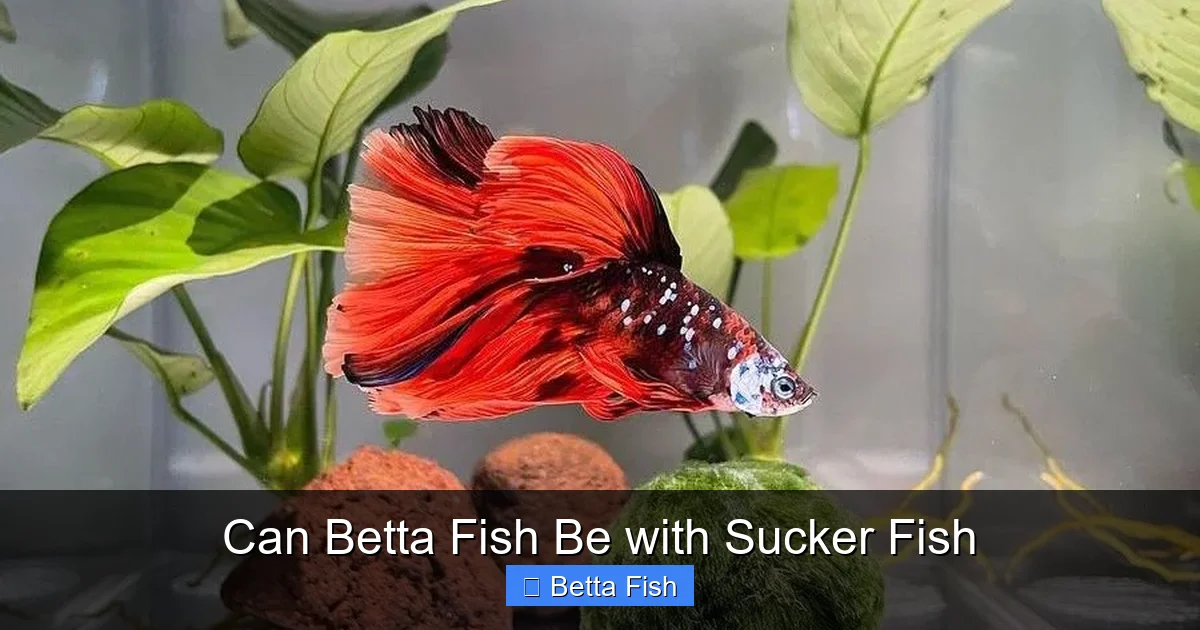
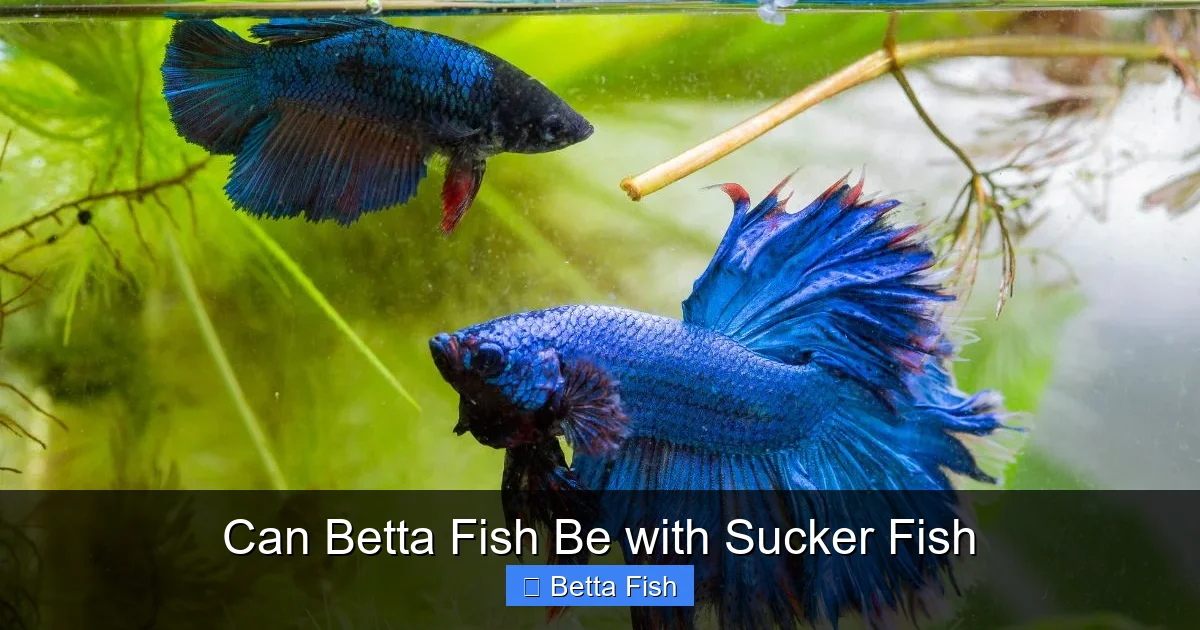
Male bettas (Betta splendens) guard their territory aggressively. They will flare, bite, and chase anything that resembles a rival, including similarly colored fish. Female bettas are generally less territorial, especially when kept in a “sorority” of several females. This difference is the first factor when deciding if a sucker fish can co‑habit.
Visual guide about Can Betta Fish Be with Sucker Fish
Image source: acaquarium.com
Natural Habitat Clues
In the wild, bettas live in shallow, slow‑moving waters of Thailand, Malaysia, and Indonesia. They share these habitats with small catfish, loaches, and various algae‑eating fish. Those native companions give us a hint about which sucker fish can tolerate a betta’s presence.
What Is a “Sucker” Fish?
Definition and Common Types
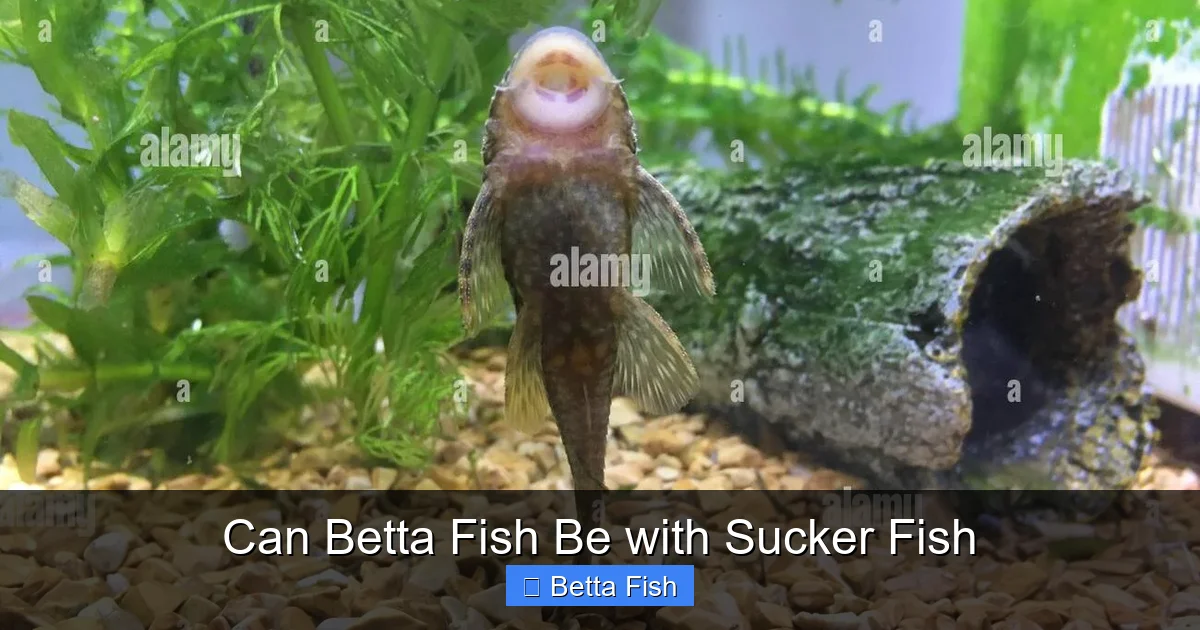
The term “sucker fish” refers to species that use a ventral mouth to cling to surfaces and scrape algae. Popular aquarium options include:
Visual guide about Can Betta Fish Be with Sucker Fish
Image source: housedpet.com
- Otocinclus catfish (Otocinclus spp.) – tiny, peaceful, love bio‑film.
- Plecostomus varieties – from the dwarf “bushynose” pleco to the larger common pleco.
- Ancistrus (bristlenose catfish) – friendly, enjoy hiding in caves.
- Gyrinocheilus aymonieri (Chinese algae eater) – hardy but can grow large.
Why Hobbyists Choose Suckers
These fish are excellent algae eaters, help control nitrate spikes, and usually stay out of the way of more active swimmers. Their calm demeanor makes them a popular “tank mate” for many community setups.
Compatibility: Can Betta Fish Be with Sucker Fish?
Key Compatibility Factors
Answering the core question comes down to three main factors:
- Size difference: A sucker that stays small (under 2‑3 inches) is less likely to be seen as a threat.
- Temperament of the betta: A non‑aggressive male or a female betta improves odds.
- Tank environment: Plenty of plants, driftwood, and hiding spots give the sucker places to retreat.
If these conditions are met, many betta owners have reported peaceful coexistence. For a deeper dive into general fish compatibility, see our article on Which Fish Can Be Kept With Betta.
Best Sucker Candidates
Below are the top three sucker fish that usually get along with bettas:
- Otocinclus catfish: Tiny (1‑1.5 in), peaceful, and fast enough to hide if the betta shows interest.
- Ancistrus (bristlenose) catfish: Slightly larger (3‑4 in) but shy; they love caves where they can disappear.
- Dwarf pleco (Panaqolus spp.): Stays under 4 in, has a calm nature, and helps clean leftover food.
Setting Up the Tank for Success
Tank Size and Layout
Even a modest 10‑gallon tank can work, but larger is always better. Aim for at least 12‑gallon for a male betta with a sucker. Arrange the layout to create distinct zones: a “betta corner” with a floating leaf or small pot, and a “sucker zone” filled with dense plants and driftwood.
Water Parameters
Both bettas and most sucker fish thrive in similar water conditions:
- Temperature: 76‑80 °F (24‑27 °C)
- pH: 6.5‑7.5 (slightly acidic to neutral)
- Hardness: 5‑12 dGH
- Gentle filtration to avoid strong currents that stress bettas.
Decoration and Hiding Spots
Live plants like Java fern, Anubias, and mosses create natural cover. Add driftwood and smooth rocks. A small cave or PVC pipe works well for the sucker to retreat.
Introducing the Sucker to Your Betta
Quarantine First
Always quarantine new fish for at least two weeks. This prevents disease spread and lets you observe the sucker’s health.
Gradual Acclimation
Use the “drip acclimation” method to match water parameters. Then, place the sucker in a breeder net inside the betta’s tank for a few hours. Watch the betta’s reaction—if it flares or nips, be ready to separate them.
First Week Monitoring
Check daily for signs of stress:
- Fins torn or ragged.
- Sucker fish hiding constantly or not eating.
- Betta showing excessive aggression beyond normal flaring.
If problems arise, consider a larger tank or a different sucker species.
Common Problems and How to Fix Them
Betta Nipping
Most nipping occurs when the betta mistakes the sucker’s movement for a rival. Increase plant cover and consider moving the betta’s hiding spot farther from the sucker’s main area.
Algae Overgrowth
Even with a sucker, algae can bloom if lighting is too strong. Reduce photoperiod to 8‑10 hours and add a few more algae‑eating snails (see Can Snails Be With Betta Fish) for extra help.
Water Quality Issues
Both bettas and suckers produce waste. Perform 25‑30 % water changes weekly and test ammonia, nitrite, and nitrate levels.
Real‑World Success Stories
Case Study 1: Female Betta + Otocinclus
Sarah kept a female betta in a 12‑gallon tank with a trio of otocinclus. After a two‑week quarantine, she introduced the catfish. Within days, the otos grazed on algae while the betta explored the upper levels. No fin damage was observed after six months.
Case Study 2: Male Betta + Bristlenose
Mike tried a male betta with a bristlenose pleco in a 15‑gallon tank. The betta flared initially but settled after adding extra driftwood and a floating leaf. The pleco hid in a small cave during feeding times, and both fish thrived.
When to Say No: Situations Where Compatibility Fails
Not every betta‑sucker pairing works. Avoid combining a large, aggressive betta with a tiny otocinclus if the tank is under 10 gallons. Also, skip sucker species that grow over 6 inches (e.g., common pleco) because they can outcompete the betta for space and become a target.
For a broader look at which fish should never share a tank with a betta, read Why Can’t Betta Fish Be With Other Fish.
Conclusion: Making an Informed Decision
So, can betta fish be with sucker fish? Yes—under the right conditions. Choose a peaceful, small‑sized sucker, provide ample hiding places, keep the tank spacious, and watch the interactions closely. When you get these basics right, you’ll enjoy a vibrant, low‑maintenance community tank where your betta shines and the sucker keeps the glass sparkling.
Frequently Asked Questions
Can a male betta live with a pleco?
Yes, but only with a dwarf pleco that stays under 4 inches and in a tank of at least 12 gallons. Provide plenty of cover to reduce aggression.
Do sucker fish eat betta fry?
Most suckers are gentle and won’t target fry, but a very aggressive male betta may see them as food. Keep fry in a separate rearing tank for safety.
How many sucker fish can I keep with one betta?
Usually 2‑3 small otocinclus or one bristlenose pleco is enough. Too many will compete for space and may stress the betta.
What temperature range works for both betta and sucker fish?
Both thrive at 76‑80 °F (24‑27 °C). Keep the heater stable and avoid sudden spikes.
Do I need a filter for a betta‑sucker community tank?
A gentle sponge or low‑flow can filter waste without creating strong currents that stress a betta.
Can I add live plants to a tank with a betta and sucker fish?
Absolutely. Live plants like Java fern, Anubias, and moss provide hiding spots and improve water quality.