Can Betta Fish Be Under Light
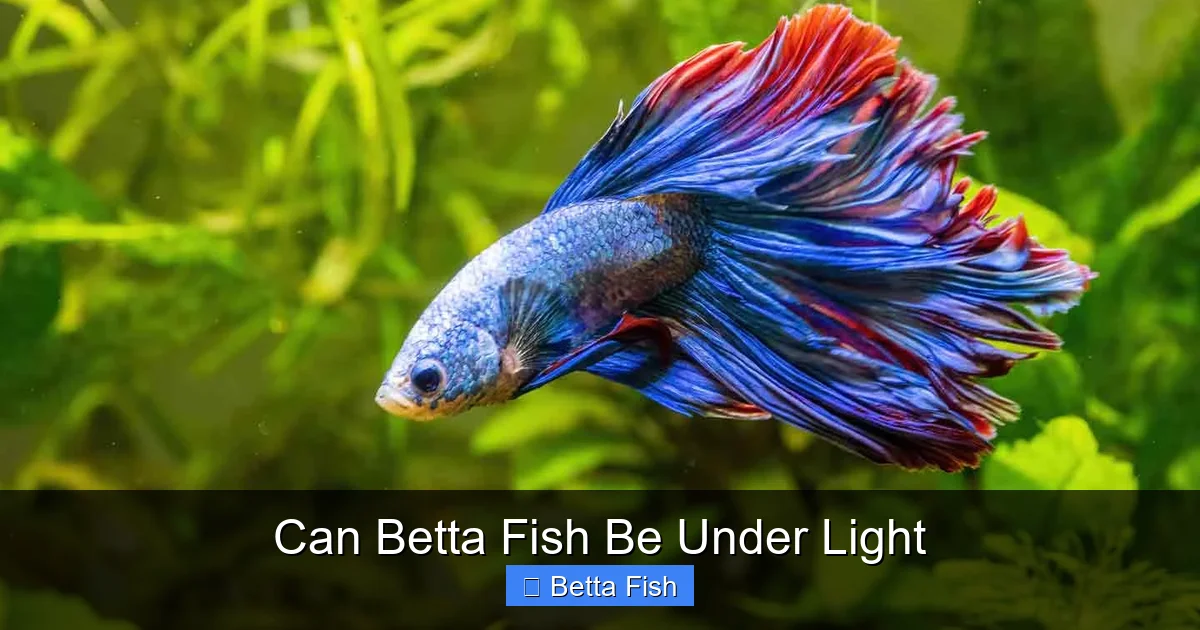
Betta fish need light, but not the harsh, nonstop glow you might think. Providing a natural day‑night cycle, using the right type of bulb, and avoiding overheating are key to keeping your betta happy and vibrant.
Key Takeaways
- Balanced photoperiod: 8‑12 hours of light daily mimics a natural environment.
- Choose the right bulb: LED or low‑intensity fluorescent lights are safest for bettas.
- Avoid direct heat: Light fixtures should not raise water temperature above 80 °F (27 °C).
- Observe behavior: Stress signs like faded color or frantic swimming mean it’s time to adjust lighting.
- Seasonal adjustments: Slightly longer days in summer and shorter in winter help maintain a healthy rhythm.
- Supplement with plants: Live or artificial plants soften light and give hiding spots.
- Regular maintenance: Clean bulbs and check timers to keep the lighting schedule consistent.
📑 Table of Contents
- Introduction: Why Light Matters for Betta Fish
- 1. The Natural Light Cycle of Wild Bettas
- 2. Choosing the Right Light Source
- 3. How Long Should a Betta Be Under Light?
- 4. The Risks of Over‑Lighting
- 5. Setting Up a Betta‑Friendly Lighting System
- 6. Common Questions About Light and Betta Health
- Conclusion: Light Is a Friend—When Used Wisely
Introduction: Why Light Matters for Betta Fish
When you first set up a betta tank, the biggest question is often “Can betta fish be under light?” The short answer is yes—bettas need light to thrive—but the answer comes with many “how” and “when” details. Light does more than just let you see the beautiful fins; it drives the fish’s internal clock, influences coloration, and even affects water chemistry.
Think of lighting like a daily schedule for your betta. Just as you feel better with a regular sunrise and sunset, bettas are happiest when they experience a predictable light cycle. Too much light, the wrong type of bulb, or heat from a lamp can cause stress, faded colors, and health problems. In this guide we’ll walk through everything you need to know so you can confidently answer the question, “Can betta fish be under light?” and set up the perfect environment.
1. The Natural Light Cycle of Wild Bettas
What wild bettas experience
In their native Southeast Asian rice paddies, bettas live in shallow, sun‑dappled water. Sunlight filters through floating leaves, creating a gentle pattern of light and shadow that changes throughout the day. This natural rhythm tells the fish when to feed, rest, and display their spectacular flares.
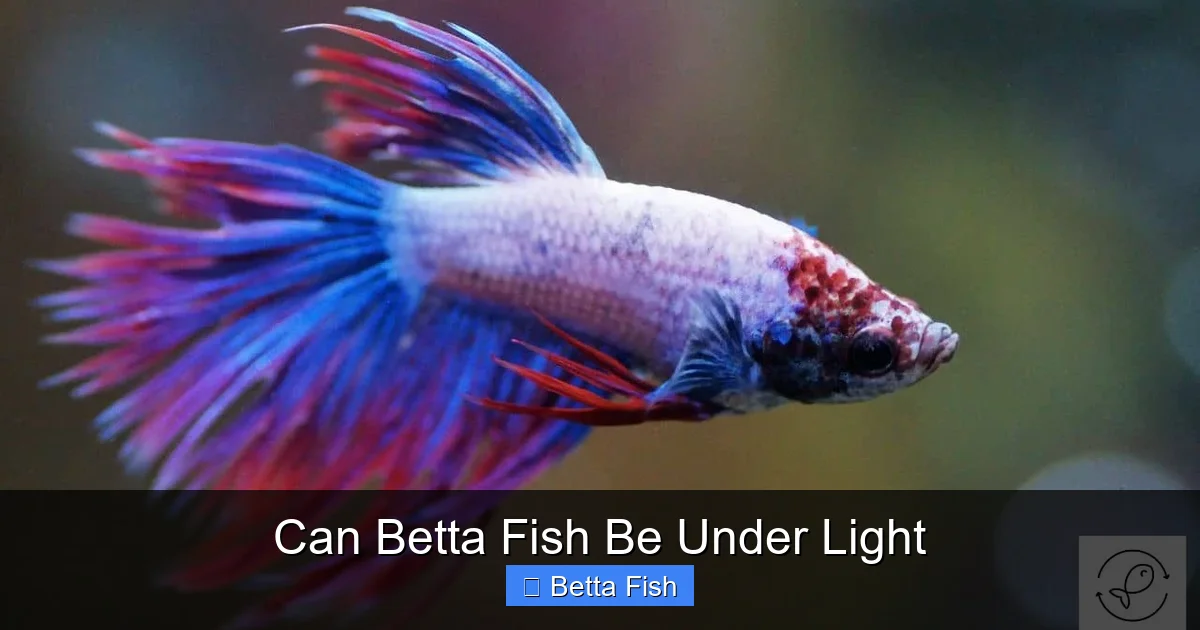
Visual guide about Can Betta Fish Be Under Light
Image source: jaljeev.com
Translating nature to a home tank
In captivity we mimic this rhythm with artificial lighting. A simple 10‑hour “day” followed by 14‑hour “night” works for most bettas. If you keep a tank in a room with natural windows, you can even let the sun do the work—just make sure the tank isn’t in direct, scorching afternoon sun.
2. Choosing the Right Light Source
LED versus fluorescent
LED lights dominate the hobby because they are energy‑efficient, long‑lasting, and produce very little heat. A 2‑ to 3‑watt LED strip that covers the tank’s length is usually enough. Fluorescent tubes are also acceptable, but they tend to run hotter and need more frequent replacement.
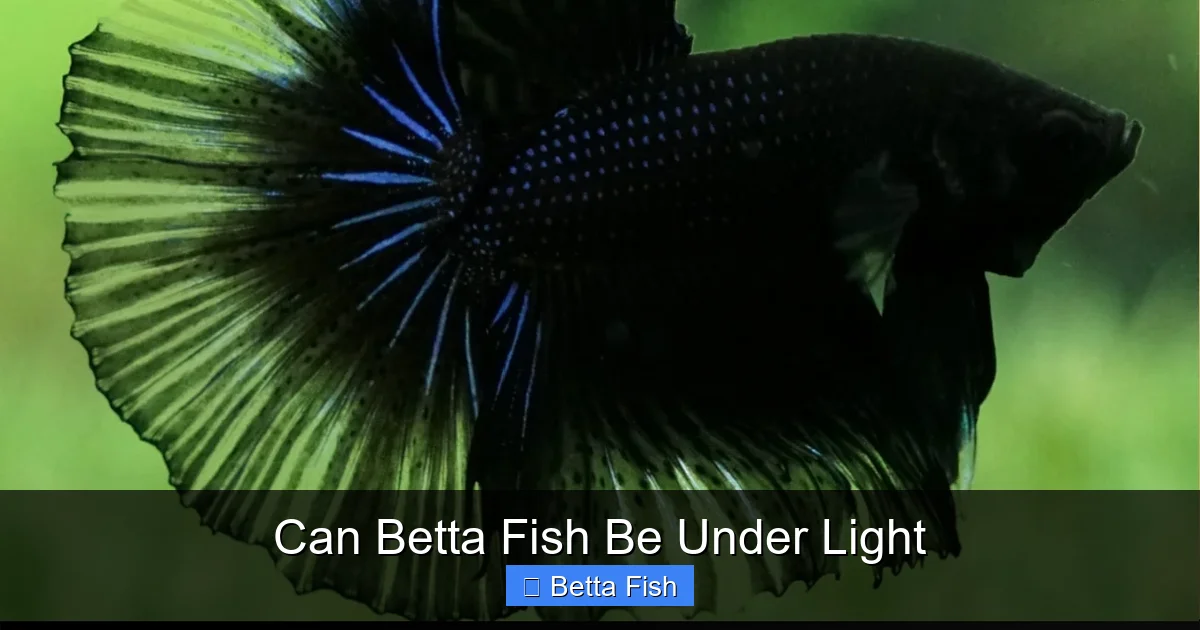
Visual guide about Can Betta Fish Be Under Light
Image source: buildyouraquarium.com
Color temperature and intensity
Look for a bulb with a color temperature of 5,000‑6,500 K. This range gives a “daylight” feel without the harsh blue tint of many aquarium lights. Keep the intensity low—betta tanks don’t need the bright spotlight you’d use for a reef.
Internal link example
For those wondering about tank mates, which fish can be kept with betta often share the same lighting needs, making it easier to set a universal schedule.
3. How Long Should a Betta Be Under Light?
Standard photoperiod
Most experts recommend 8‑12 hours of light per day. A timer is the easiest way to keep this consistent. Set it to turn on at 8 am and off at 8 pm, for example.
Adjusting for season and behavior
If your betta seems lethargic, try extending the “day” by an hour. Conversely, if it’s overly active or its colors look washed out, shorten the light period. Seasonal adjustments—adding a little extra light in winter and reducing it in summer—can also help mimic natural changes.
4. The Risks of Over‑Lighting
Heat buildup
Even low‑heat LEDs can warm the water if placed too close. Always measure water temperature with a reliable thermometer. If the temperature climbs above 80 °F (27 °C), the light is likely the culprit.
Algae explosion
Too much light fuels algae growth, turning your pristine tank green and depleting oxygen. Use a timer, limit light to the recommended hours, and consider adding live plants that compete with algae for nutrients.
Stress and faded colors
When bettas are constantly illuminated, they may lose their vibrant hues. Stress hormones rise, and the fish may become prone to fin rot. If you notice the colors dulling, cut back on the light duration or intensity.
5. Setting Up a Betta‑Friendly Lighting System
Step‑by‑step guide
- Choose a fixture: A 2‑watt LED bar or a compact fluorescent tube.
- Mount it safely: Hang the light above the tank, not touching the water, to avoid heat transfer.
- Install a timer: Digital plug‑in timers are inexpensive and reliable.
- Test the cycle: Run the light for a few days and monitor water temperature and betta behavior.
- Adjust as needed: Tweak the on/off times or move the fixture farther away if water warms too much.
Adding décor for gentle illumination
Live plants like Java fern or Anubias not only improve water quality but also diffuse light, creating soft shadows that feel natural. If you prefer artificial décor, use matte‑finished ornaments rather than glossy ones that reflect harsh glare.
6. Common Questions About Light and Betta Health
Can betta fish be under light all the time?
No. Continuous light deprives bettas of the rest they need, leading to stress and health decline. A regular dark period is essential.
Do bettas need UV light?
Betas do not require UVB like reptiles. Standard aquarium lighting provides enough visible spectrum for their needs.
What about night lights?
Low‑intensity moonlights are fine if they’re dim enough not to disrupt the dark period. Many hobbyists use them to admire the fish at night without waking the betta.
Conclusion: Light Is a Friend—When Used Wisely
So, can betta fish be under light? Absolutely, but the key is balance. By choosing a low‑heat LED, keeping a consistent 8‑12‑hour photoperiod, and watching for signs of stress, you’ll give your betta the best chance to flaunt its colors and live a long, healthy life. Remember, light is just one piece of the puzzle—clean water, proper temperature, and a stress‑free environment complete the picture.
Frequently Asked Questions
How many hours of light does a betta need each day?
Betta fish thrive on 8‑12 hours of light daily. Using a timer helps maintain a consistent schedule.
Can I use a regular household lamp for my betta tank?
It’s not ideal because most household lamps emit too much heat. LED aquarium lights are the safest choice.
Will a brighter light make my betta’s colors more vivid?
Moderate, natural‑type lighting can enhance colors, but overly bright light can cause stress and actually fade colors.
Is a night light harmful to bettas?
A dim moonlight is fine, but a bright night light defeats the purpose of a dark period and can disrupt the fish’s rhythm.
What signs show my betta is stressed by lighting?
Faded coloration, frantic swimming, loss of appetite, or hiding constantly are clues that lighting needs adjustment.
Can I keep live plants with my betta to help with lighting?
Yes, plants like Java fern or Anubias diffuse light and provide hiding spots, creating a more natural environment.