Can Betta Fish Be in a Big Tank

Betta fish definitely benefit from larger tanks, enjoying more space to swim, better water stability, and richer enrichment. While a 5‑gallon minimum is essential, a 10‑gallon or larger setup offers the best health, behavior, and long‑term happiness for your finned friend.
Key Takeaways
- Size matters: A tank of 5 gallons is the absolute minimum; 10 gallons or more is ideal for active, healthy bettas.
- Water quality improves: Larger volumes dilute toxins, making maintenance easier and reducing stress.
- Behavior benefits: More space means less aggression, more natural swimming, and better breeding potential.
- Enrichment options expand: Bigger tanks allow live plants, caves, and gentle currents without overwhelming the fish.
- Companion choices: With a proper size, you can safely add compatible snails or peaceful bottom‑dwellers.
- Setup basics: Use a heater, gentle filter, and a lid; maintain temperature 76‑82 °F.
- Regular care is key: Weekly water changes of 25‑30 % keep parameters stable in any tank size.
📑 Table of Contents
- Introduction: Why Tank Size Is a Hot Topic for Bettas
- 1. The Science Behind Tank Size and Betta Health
- 2. How Big Should a Betta Tank Really Be?
- 3. Setting Up a Big Betta Tank
- 4. Can You Add Tank Mates in a Bigger Tank?
- 5. Maintenance Tips for a Big Betta Tank
- 6. Common Myths About Bettas and Big Tanks
- Conclusion: Embrace the Space
Introduction: Why Tank Size Is a Hot Topic for Bettas
If you’ve ever watched a betta flare its fins in a tiny bowl, you might wonder whether a larger tank would make a difference. The short answer is a resounding yes. Bettas (Betta splendens) are often sold in cramped containers, leading many owners to believe “small is fine.” In reality, a spacious tank mimics their natural rice‑paddy habitat, giving them room to explore, exercise, and exhibit natural behaviors.
In this guide we’ll answer the burning question, can betta fish be in a big tank, and walk you through everything from minimum size recommendations to décor, water parameters, and friendly tank mates. Think of it as a friendly chat over coffee, where we break down science into simple, actionable steps.
1. The Science Behind Tank Size and Betta Health
1.1. Oxygen and Surface Area
Bettas are labyrinth fish, meaning they can gulp air from the surface. A larger tank provides a bigger water surface, which translates to more oxygen exchange. This reduces the fish’s reliance on the labyrinth organ and promotes healthier gill function.
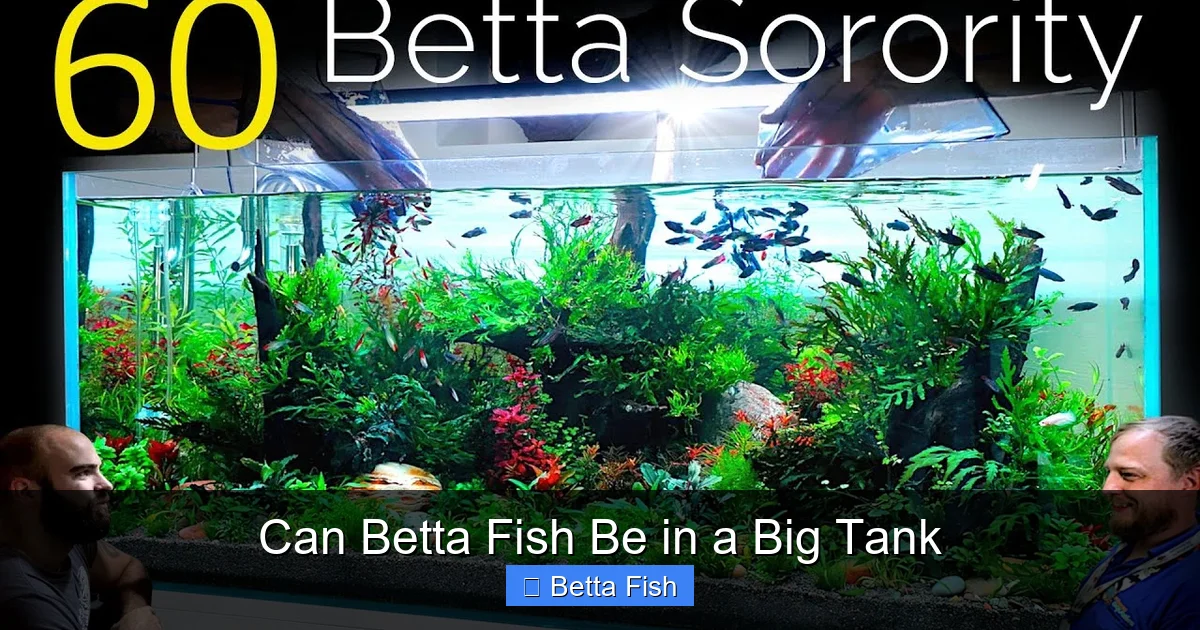
Visual guide about Can Betta Fish Be in a Big Tank
Image source: i.ytimg.com
1.2. Dilution of Waste
Ammonia, nitrite, and nitrate are by‑products of fish metabolism. In a small bowl, these compounds spike quickly, stressing the betta. A 10‑gallon tank dilutes waste, giving your filter and beneficial bacteria a better chance to keep levels safe.
1.3. Stress and Aggression
When cramped, bettas may become territorial, flaring at their own reflection or at the glass. More space reduces perceived threats, leading to calmer, more vibrant fish. Studies show lower cortisol (stress hormone) levels in bettas kept in tanks larger than 5 gallons.
2. How Big Should a Betta Tank Really Be?
2.1. Minimum Recommendation
The absolute minimum is a 5‑gallon (≈19 L) tank with a lid. This provides enough swimming room and surface area for proper oxygen exchange.
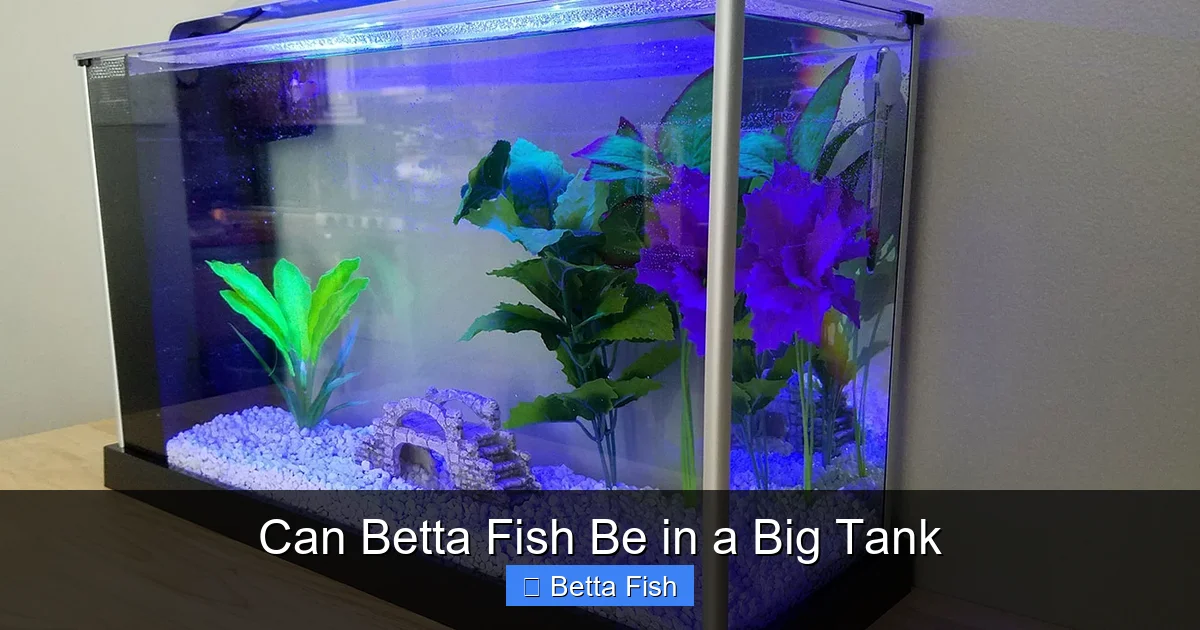
Visual guide about Can Betta Fish Be in a Big Tank
Image source: bettafish.org
2.2. Ideal Size for Long‑Term Happiness
For optimal health, aim for 10 gallons (≈38 L) or larger. A bigger tank allows you to add live plants, decorative caves, and gentle water flow without overwhelming the fish.
For more details on tank sizing, see our article How Big Should A Tank Be For A Betta Fish.
2.3. Calculating Space Needs
Use the “one inch of fish per gallon” rule as a loose guide, but remember bettas are territorial. A 5‑gallon tank is the smallest you should consider; anything larger simply adds a safety margin.
3. Setting Up a Big Betta Tank
3.1. Choosing the Right Filter
Even though bettas don’t need strong currents, a gentle sponge filter or a low‑flow hang‑on‑back (HOB) filter works wonders. Set the flow to a trickle—just enough to keep water moving without stressing the fish.
3.2. Heater and Temperature Control
Bettas thrive at 76‑82 °F (24‑28 °C). A reliable submersible heater with an adjustable thermostat is essential, especially in larger tanks where temperature can fluctuate.
3.3. Substrate and Plants
Fine sand or small gravel mimics their natural floor. Live plants like Java moss, Anubias, or floating water lettuce provide cover and help absorb nitrates. If live plants aren’t feasible, high‑quality silk plants are a safe alternative.
3.4. Decorations and Hiding Spots
Caves, driftwood, and smooth rocks give your betta places to rest. Ensure all décor has no sharp edges that could tear delicate fins.
3.5. Lighting
A gentle 8‑hour light cycle supports plant growth and replicates day‑night rhythms. Avoid overly bright LEDs that can stress the fish.
4. Can You Add Tank Mates in a Bigger Tank?
4.1. Snails: Small, Helpful Clean‑Up Crews
Snails such as Nerite or Mystery snails can coexist peacefully with bettas, helping to clean algae. For a deeper dive, read Can Snails Be In A Tank With Betta Fish.
4.2. Peaceful Bottom Dwellers
Corydoras catfish (small species) or small kuhli loaches can be good companions if the tank is at least 10 gallons and the betta shows no aggression.
4.3. What to Avoid
Fin‑nipping species (e.g., guppies, tetras) and other male bettas should stay away. Even in a large tank, bettas can be fiercely territorial.
5. Maintenance Tips for a Big Betta Tank
5.1. Weekly Water Changes
Swap out 25‑30 % of water each week. Use a gravel vacuum to remove debris and avoid over‑cleaning the beneficial bacterial colony.
5.2. Monitoring Water Parameters
Test for ammonia, nitrite, nitrate, and pH at least twice a month. Keep ammonia and nitrite at 0 ppm, nitrate below 20 ppm, and pH between 6.5‑7.5.
5.3. Cleaning the Filter
Rinse filter media in tank water (not tap water) during water changes to preserve good bacteria.
5.4. Feeding Practices
Offer high‑quality betta pellets or frozen bloodworms once or twice daily, only as much as they can eat in 2‑3 minutes. Overfeeding leads to water quality issues.
6. Common Myths About Bettas and Big Tanks
6.1. “Bettas only need a bowl.”
This myth stems from their ability to breathe air. While they can survive in bowls, they thrive in larger, filtered environments.
6.2. “Bigger tanks cause stress.”
In reality, a properly set‑up larger tank reduces stress by providing more stable water conditions and hiding places.
6.3. “You can keep multiple males together if the tank is huge.”
Male bettas are naturally aggressive toward each other, regardless of tank size. For multiple bettas, consider a divided tank or a community of females with careful monitoring.
Conclusion: Embrace the Space
So, can betta fish be in a big tank? Absolutely—and they deserve it. A larger tank isn’t just a luxury; it’s a cornerstone of good health, vibrant colors, and natural behavior. By choosing the right size, setting up proper filtration, heating, and décor, and maintaining consistent water quality, you give your betta the best possible home.
Remember, the goal is to recreate a slice of their wild rice‑paddy world: calm water, plenty of surface, gentle plants, and a few safe companions. With these steps, your betta will flourish, showing off its full personality and dazzling fins for years to come.
Frequently Asked Questions
Can betta fish live in a 10‑gallon tank?
Yes. A 10‑gallon tank provides ample swimming space, better water stability, and room for live plants or décor, making it an excellent choice for a single betta.
Do I need a filter for a big betta tank?
A gentle filter is recommended. It helps maintain water quality without creating strong currents that could stress the betta.
Can I keep snails with my betta in a larger tank?
Yes. Snails like Nerite or Mystery snails are compatible and can help clean algae. Just monitor the betta’s behavior during the first few days.
How often should I change the water in a big betta tank?
Change 25‑30 % of the water weekly. This routine keeps ammonia and nitrate levels low and supports a healthy environment.
Is a heater necessary for a big betta tank?
Definitely. Bettas need a stable temperature of 76‑82 °F. A reliable aquarium heater ensures the water stays within this range.
Can I add other fish to a large betta tank?
In a tank of 10 gallons or more, you can consider very peaceful bottom dwellers like small Corydoras, but avoid fin‑nippers and other bettas.