Betta fish thrive under controlled indoor lighting, not direct sunlight. Direct sun can overheat the water, cause algae blooms, and stress your fish. Use a balanced light cycle and keep tanks away from windows for optimal health.
Key Takeaways
- Sunlight is risky: Direct sun can raise water temperature and promote harmful algae.
- Controlled lighting works best: A 10‑12 hour artificial light cycle mimics natural conditions.
- Placement matters: Keep the tank away from windows or use UV‑blocking curtains.
- Monitor water parameters: Temperature, pH, and ammonia spikes often follow sun exposure.
- Use plants wisely: Live plants can help absorb excess light but still need shade.
- Safety first: Avoid glass breakage and overheating by never leaving tanks in direct sun.
- Regular maintenance: Clean algae and check filters more often if any sunlight reaches the tank.
📑 Table of Contents
- Introduction: Why the Sunlight Question Matters
- 1. The Natural Habitat of Betta Fish
- 2. Direct Sunlight: The Hidden Dangers
- 3. Safe Lighting Alternatives
- 4. Practical Tips for Managing Light
- 5. Frequently Asked Questions About Sunlight and Betta Care
- Conclusion: Light Is a Friend, Not a Foe—When Managed Right
- Related Reading
Introduction: Why the Sunlight Question Matters
When you first set up a betta tank, the biggest question is often “Can betta fish be exposed to sunlight?” It’s a natural thought—after all, sunlight feels warm and bright, just like a tropical rainforest. But bettas are delicate creatures that need stable conditions. Too much sun can quickly turn a beautiful home into a stressful environment.
In this article we’ll break down the science behind light, temperature, and algae, and give you clear, friendly advice on how to keep your betta happy. Think of it as a chat over coffee with a fellow fish lover, where we share real‑world tips, not just textbook facts.
1. The Natural Habitat of Betta Fish
Where bettas come from
Betta splendens, the Siamese fighting fish, originates from shallow rice paddies and slow‑moving streams in Thailand, Cambodia, and Vietnam. These waters are shaded by dense foliage, receiving dappled sunlight rather than full‑blown rays.
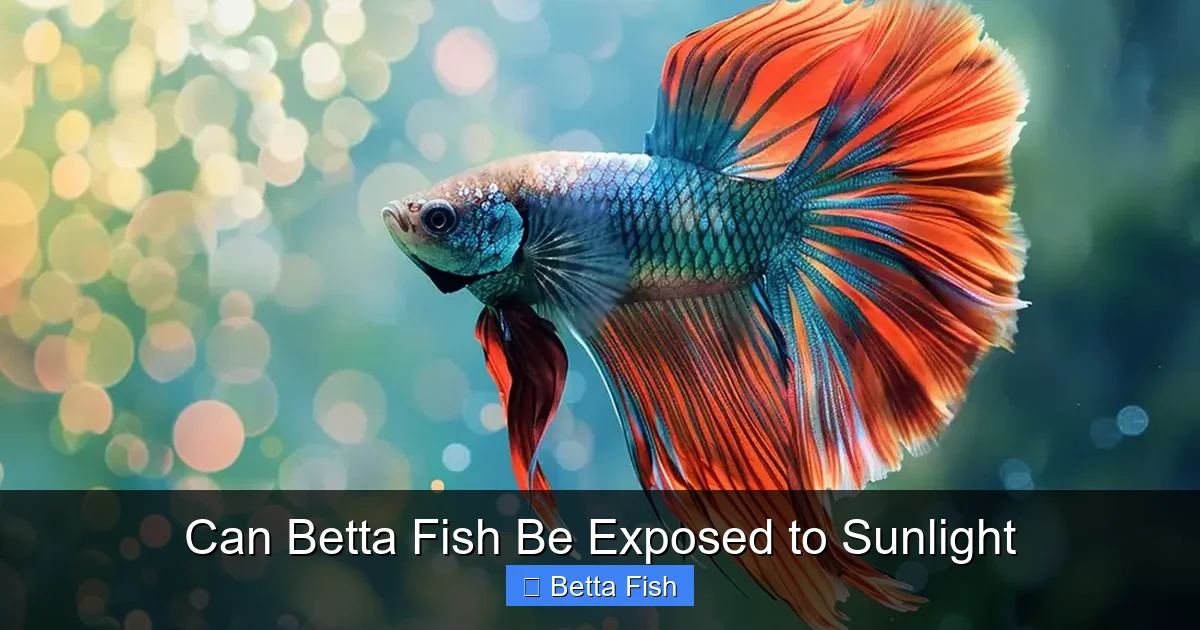
Visual guide about Can Betta Fish Be Exposed to Sunlight
Image source: bettacarefishguide.com
What “natural light” really means
In the wild, bettas experience a gentle light cycle: bright mornings, soft afternoons, and dim evenings. The canopy filters UV rays, keeping water temperature stable (around 78‑80°F or 25‑27°C). Replicating that filtered glow is key to answering can betta fish be exposed to sunlight in a home aquarium.
2. Direct Sunlight: The Hidden Dangers
Temperature spikes
Sunlight can raise water temperature by 5‑10°F within minutes. Betta fish are tropical; sudden jumps above 85°F (29°C) stress their metabolism, weaken their immune system, and can even cause fatal “thermal shock.”
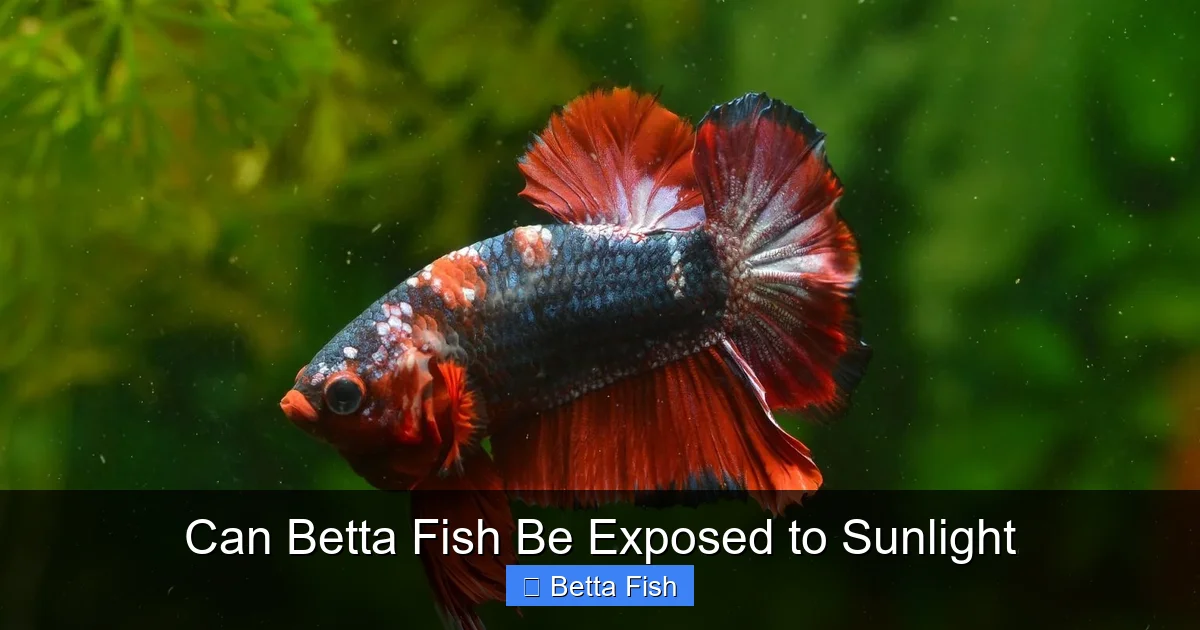
Visual guide about Can Betta Fish Be Exposed to Sunlight
Image source: fishkeepingadvice.com
Algae explosions
Sunlight fuels algae growth. A thin green film can turn into a thick, slimy blanket that blocks view, depletes oxygen, and releases toxins. Algae also competes with bettas for dissolved oxygen, especially at night when photosynthesis stops.
UV damage
While some UV‑B is beneficial for vitamin D synthesis in reptiles, fish get enough from their diet. Excess UV can damage delicate betta scales and eyes, leading to cloudy patches and reduced vision.
Stress and behavior changes
Betas love calm, dim corners. Bright, direct light makes them hide, stop flaring, and may even cause “flashing” (rapid fin movement) as a stress signal. Over time, chronic stress suppresses appetite and growth.
3. Safe Lighting Alternatives
Artificial aquarium lights
LED or fluorescent fixtures designed for tropical tanks provide a steady, controllable spectrum. Aim for 10‑12 hours of light per day, mimicking sunrise and sunset with a dimming timer.
Using natural light safely
If you love the look of sunlight, place the tank near a window with sheer curtains or UV‑blocking film. This diffuses the rays, giving a soft glow without the heat. Rotate the tank occasionally so no one side gets constant sun.
Live plants as natural filters
Live plants like Java fern or Anubias absorb excess nutrients and help control algae. They also create shaded areas where your betta can retreat. Just remember plants still need some light—use a low‑intensity plant light rather than direct sun.
4. Practical Tips for Managing Light
Location, location, location
Choose a spot away from south‑facing windows. A north‑or east‑facing wall receives gentle morning light, which is easier to manage.
Temperature checks
Invest in a reliable aquarium thermometer. Check the water temperature twice daily, especially after any sunny spell. If it creeps above 82°F (28°C), move the tank or add a small fan to cool the surface.
Algae control routines
- Do a 15‑minute surface scrape with a algae pad each week.
- Perform 20‑30% water changes every 1‑2 weeks to dilute nutrients.
- Use a gentle flow filter to keep water moving, discouraging stagnant algae patches.
Lighting timers
Set a timer for your LED fixture. Consistency helps bettas regulate their internal clock, leading to better feeding and breeding behavior.
Backup plans for power outages
During a blackout, a temporary battery‑operated light can keep the cycle from shifting dramatically. Keep a small LED lantern on hand.
5. Frequently Asked Questions About Sunlight and Betta Care
Can bettas tolerate a few hours of morning sun?
Yes, a short, filtered morning sun (no more than 1‑2 hours) is usually fine if the tank temperature stays below 80°F. Always monitor the thermometer.
Do bettas need UV light for health?
No. Betta fish get all necessary vitamins from quality foods like brine shrimp and betta pellets. UV exposure is more of a risk than a benefit.
What if my tank already has algae from sun exposure?
Increase water changes, add a few fast‑growing plants, and reduce light time. A gentle algae scraper will speed up cleanup.
Can I use a heat lamp instead of a heater?
Heat lamps create uneven temperature zones and can overheat water quickly. A submerged aquarium heater with a thermostat is safer and more precise.
Is it okay to keep a betta in a sunny outdoor pond?
Outdoor ponds expose fish to fluctuating temperatures, predators, and direct UV. Betta fish are best kept indoors where conditions stay stable.
How does sunlight affect breeding?
Too much sun can stress both male and female bettas, reducing the likelihood of successful spawning. A calm, dim environment with a controlled light cycle encourages breeding.
Conclusion: Light Is a Friend, Not a Foe—When Managed Right
The short answer to “Can betta fish be exposed to sunlight?” is: not directly, but filtered, indirect light can be part of a healthy environment. By keeping your tank out of direct sun, using a reliable artificial light, and monitoring temperature and algae, you give your betta the best chance to thrive.
Remember, bettas are native to shaded, warm waters. Replicating those gentle conditions at home is easier than trying to mimic full‑blown sunshine. With the right lighting strategy, your betta will display its brilliant colors, playful fins, and calm personality for years to come.
Related Reading
- What Temperature Should Water Be For A Betta Fish – Learn the perfect temperature range to pair with your lighting plan.
- How Big Does Betta Fish Tank Need To Be – Find out the ideal tank size to help maintain stable temperatures.
- Where To Buy Live Plants For Betta Fish – Explore plant options that aid in light diffusion and algae control.
Frequently Asked Questions
Can betta fish be kept in a sunny window?
Only if the window is covered with sheer curtains or UV‑blocking film and the water temperature stays below 80°F. Direct, unfiltered sunlight is unsafe.
How long should a betta’s light cycle be?
Aim for 10‑12 hours of light per day, followed by 12‑14 hours of darkness. Consistency helps regulate their natural rhythms.
What signs show my betta is stressed by light?
Look for faded colors, reduced swimming, hiding constantly, or frantic fin fluttering. These indicate the fish is uncomfortable.
Do I need a heater if I expose my betta to sunlight?
No. Sunlight can overheat the water, making a heater unnecessary and potentially dangerous. Use a heater only when ambient room temperature is low.
Can algae be completely eliminated?
While you can keep algae to a minimum with proper lighting and maintenance, a tiny film is natural and harmless. Complete eradication isn’t required.
Is a UV sterilizer helpful for betta tanks?
UV sterilizers target harmful microorganisms but do not replace the need for proper lighting and temperature control. Use them only if you have a persistent water‑quality issue.

