Betta fish are not a common food source and are generally unsafe to eat. Their tiny size, high toxin load, and ornamental purpose make them unsuitable for consumption. Instead, enjoy bettas as beautiful pets and explore proper feeding practices.
Key Takeaways
- Not a traditional food: Betta fish are bred for appearance, not flavor.
- Health risks: Potential toxins and parasites make eating bettas unsafe.
- Size matters: Their small bodies provide negligible nutritional value.
- Cultural exceptions: A few Asian regions eat bettas, but only after special preparation.
- Better alternatives: Use feeder fish like guppies or daphnia for your betta’s diet.
- Legal considerations: Some areas restrict the sale of bettas for food.
- Responsible pet ownership: Keep bettas in clean tanks and feed them appropriate commercial foods.
📑 Table of Contents
Introduction: Why the Question Comes Up
When you first see a betta fish, its bright colors and flowing fins can make you wonder about every possible use – even as a snack. In many parts of the world, tiny fish like minnows or guppies are used as live food for larger predators. That leads some hobbyists to ask, “Can betta fish be eaten?” The short answer is no, at least not in any practical or safe way. This article unpacks the reasons, looks at cultural anecdotes, and gives you clear guidance on what to feed your betta instead.
We’ll walk through the biology of bettas, the health concerns of eating them, the few places where they are consumed, and the best practices for feeding your pet. By the end, you’ll know exactly why bettas belong in a beautifully decorated tank, not on a plate.
1. The Biology of Betta Fish and Why Size Matters
1.1 Tiny bodies, big personalities
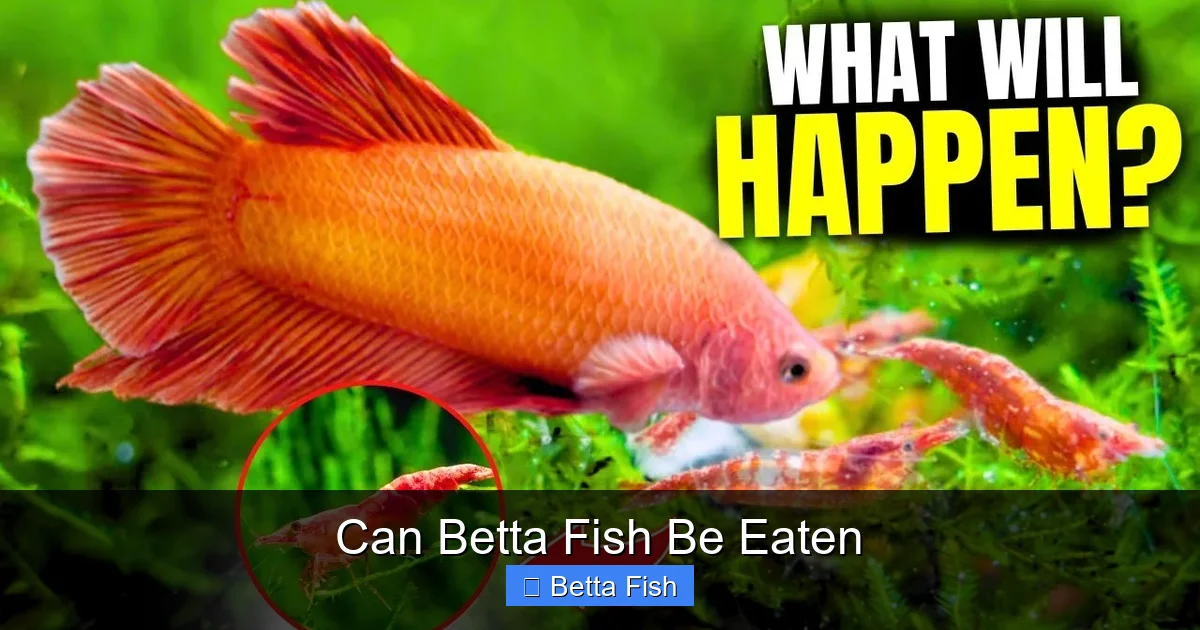
Betta splendens, the Siamese fighting fish, typically grows to 2–3 inches (5–7 cm) in length. Their small size means there’s very little flesh to harvest. A single betta yields less than a gram of meat – far less than a single pea. From a nutritional standpoint, that amount provides negligible protein, fats, or calories.
Visual guide about Can Betta Fish Be Eaten
Image source: i.ytimg.com
1.2 Ornamental breeding focuses on color, not flavor
Selective breeding over decades has emphasized vibrant fins, elaborate tails, and aggressive temperament. These traits have nothing to do with taste. In fact, bettas are often fed low‑protein, high‑fat diets in captivity, which can affect the flavor of any tissue.
1.3 Comparison with common edible fish
Edible fish such as tilapia, catfish, or sardines are harvested at sizes that provide meaningful portions. Their flesh is also low in contaminants because they are raised in controlled environments. Betta fish simply don’t meet the size or farming standards required for a safe, marketable food product.
2. Health Risks of Eating Betta Fish
2.1 Potential toxins
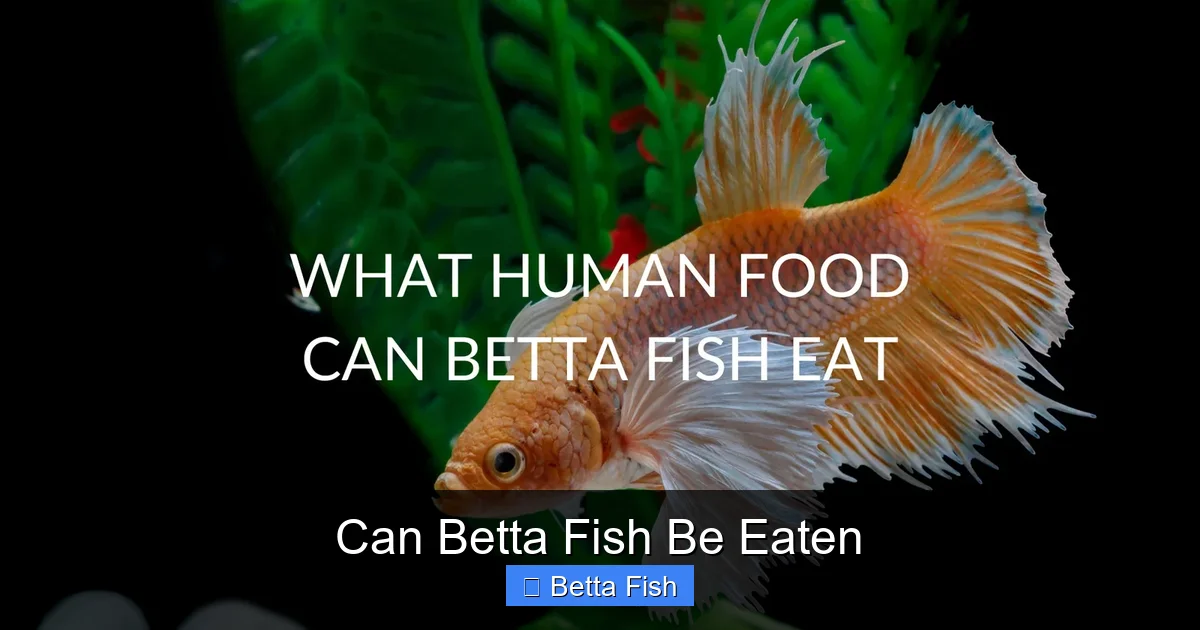
Betta fish are often kept in small, unfiltered bowls or tanks. Without proper filtration, ammonia, nitrite, and other waste products can accumulate. These chemicals can infiltrate the fish’s tissue, making it unsafe for human consumption.
Visual guide about Can Betta Fish Be Eaten
Image source: bettacarefishguide.com
2.2 Parasites and diseases
Wild‑caught bettas may carry parasites such as Ichthyophthirius multifiliis (Ich) or bacterial infections. Cooking can kill many pathogens, but some parasites form cysts that survive heat, posing a risk of foodborne illness.
2.3 Heavy metals and water pollutants
In regions where water sources are contaminated with lead or mercury, small fish can bioaccumulate these metals. Even tiny concentrations become a concern when the entire fish is consumed.
3. Cultural and Historical Context
3.1 Rare culinary uses in Southeast Asia
There are isolated reports from rural Thailand and Vietnam where betta fish are fried or boiled as a novelty dish during festivals. In these cases, the fish are caught from natural ponds, not from aquarium stock, and are prepared with strong spices to mask any off‑flavors.
Visual guide about Can Betta Fish Be Eaten
Image source: i.ytimg.com
3.2 Why it never became mainstream
The limited meat, potential toxins, and the fact that bettas are prized as pets prevented any commercial development. Larger, faster‑growing fish like carp or tilapia remain the staple for small‑scale protein production.
3.3 Legal and ethical considerations
Many countries have regulations that classify ornamental fish as non‑food species. Selling bettas for consumption can breach wildlife trade laws and animal welfare guidelines.
4. What Should You Feed Your Betta?
4.1 Commercial betta pellets and flakes
The safest and most balanced option is a high‑quality betta pellet. These are formulated with the right protein level (about 30‑40%) and essential vitamins.
4.2 Live and frozen foods
For occasional treats, consider daphnia, brine shrimp, or bloodworms. These mimic the betta’s natural diet of small insects and larvae. If you’re looking for a feeder fish, guppies are a popular choice. Learn more about compatible tank mates in our guide on Which Fish Can Be Kept With Betta.
4.3 Avoiding harmful foods
Never feed your betta raw human food, bread, or large pieces of fish. These can cause digestive blockages and introduce pathogens.
5. Practical Tips for Responsible Betta Care
5.1 Keep the water clean
Use a small filter or perform regular water changes (at least 25 % weekly). Clean water reduces toxin buildup, keeping both you and your fish healthier.
5.2 Provide enrichment
Betta fish love exploring. Add live plants, caves, and floating lids. Enrichment reduces stress, which can otherwise weaken the fish’s immune system.
5.3 Know your tank mates
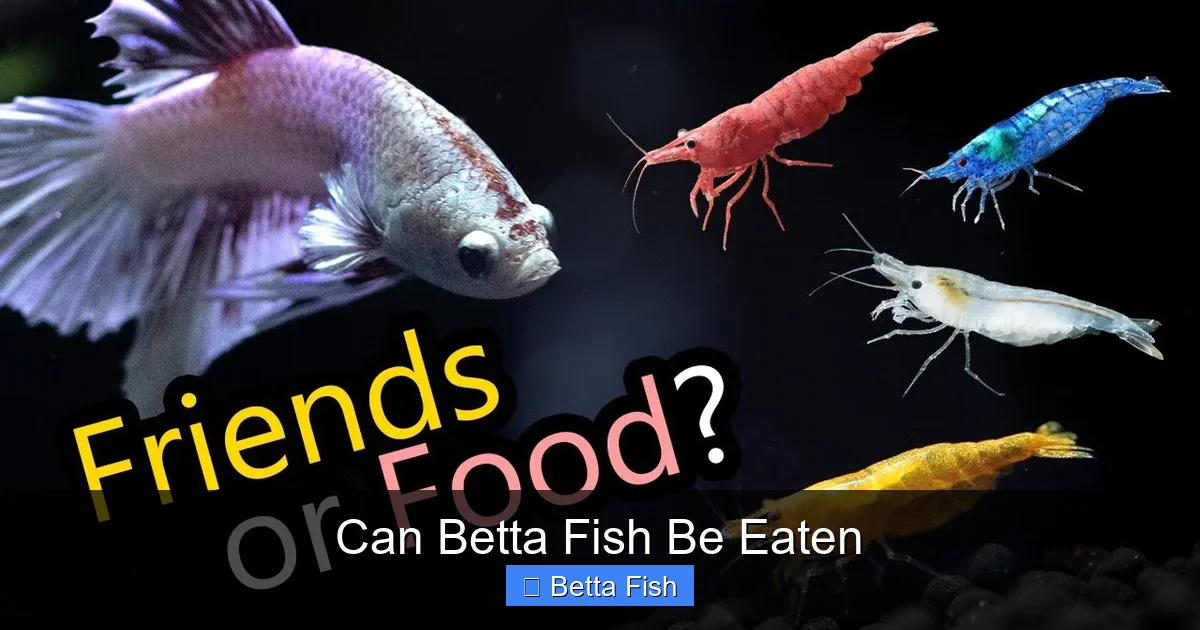
Betta fish can coexist with certain peaceful species if the tank is large enough. For example, many hobbyists successfully keep bettas with snails or small shrimp. Read about it in Can Shrimp Be With Betta Fish.
5.4 Monitor health
Watch for faded colors, torn fins, or clamped gills. Early detection of illness prevents the spread of disease and eliminates the temptation to “use” a sick fish for food.
Conclusion: Enjoy Betta Fish as Pets, Not Meals
While a handful of remote cultures have experimented with eating betta fish, the overwhelming evidence shows they are unsuitable for human consumption. Their tiny size, ornamental breeding, and health risks make them a poor food source. Instead, focus on providing a clean, enriched environment and a balanced diet of pellets, live, or frozen foods. By doing so, you’ll enjoy the vivid beauty and lively personality of your betta for years to come.
Frequently Asked Questions
Is it legal to sell betta fish for food?
In most countries, betta fish are classified as ornamental animals, and selling them for consumption violates wildlife and food safety regulations.
Can I safely cook a betta fish if I catch one in the wild?
Even wild‑caught bettas may contain parasites and toxins; cooking does not guarantee safety, so it is not recommended.
Do betta fish have any nutritional value?
The amount of edible flesh is so small that the nutritional contribution is negligible compared to other protein sources.
What are the safest feeder fish for bettas?
Guppies, neon tetras, and small rasboras are commonly used. Always quarantine feeder fish to avoid disease transmission.
Are there any cultures that traditionally eat betta fish?
Some rural communities in Thailand and Vietnam have prepared betta as a novelty dish, but this practice is rare and not commercialized.
What should I do if my betta shows signs of illness?
Isolate the fish, improve water quality, and consult a veterinarian or reputable aquarium guide. Never consider eating a sick betta.

