Betta Basics is a popular water conditioner for bettas, but can it be used for gold fish? While it cleans water and protects fish, goldfish have unique needs that may require a different formula. This guide breaks down the science, pros, and cons so you can decide what’s best for your finned friends.
Key Takeaways
- Water chemistry matters: Goldfish thrive in cooler, less acidic water than bettas.
- Betta Basics removes chlorine: It does a good job at detoxifying tap water for both species.
- Ammonia and nitrite control: Goldfish produce more waste, so additional filtration is often needed.
- Temperature differences: Goldfish prefer 65‑75°F, while bettas need 78‑82°F. (See What Temperature Should Water Be For A Betta Fish for details.)
- Cost‑effectiveness: Using Betta Basics for goldfish can be economical, but a conditioner formulated for goldfish may offer better long‑term health.
- Testing is essential: Regular water tests ensure pH, hardness, and ammonia stay in safe ranges for goldfish.
- Alternative options: Consider goldfish‑specific conditioners if you notice stress or cloudy water.
📑 Table of Contents
- Introduction: Why the Question Comes Up
- Understanding Betta Basics: What It Does
- Goldfish Water Requirements: The Big Differences
- Can Betta Basics Meet Those Needs?
- Step‑by‑Step Guide: Using Betta Basics Safely with Goldfish
- Alternative Water Conditioners for Goldfish
- Common Mistakes to Avoid
- Conclusion: Make an Informed Choice
Introduction: Why the Question Comes Up
If you’ve ever set up a betta tank, you know how handy the Betta Basics water conditioner is. It’s cheap, easy to find, and promises to neutralize chlorine, chloramine, and heavy metals. So when a friend asks, “Can Betta Basics be used for gold fish?” it feels like a logical shortcut. After all, both are freshwater fish, both need clean water, and both love a little extra protection.
But goldfish are not tiny bettas. They are larger, colder‑water lovers that produce a lot more waste. The answer isn’t a simple yes or no—it’s a blend of chemistry, biology, and practical tank‑keeping. In this article we’ll explore the science behind water conditioners, compare the needs of bettas and goldfish, and give you a step‑by‑step plan for using (or not using) Betta Basics in a goldfish setup.
Understanding Betta Basics: What It Does
Ingredients and How They Work
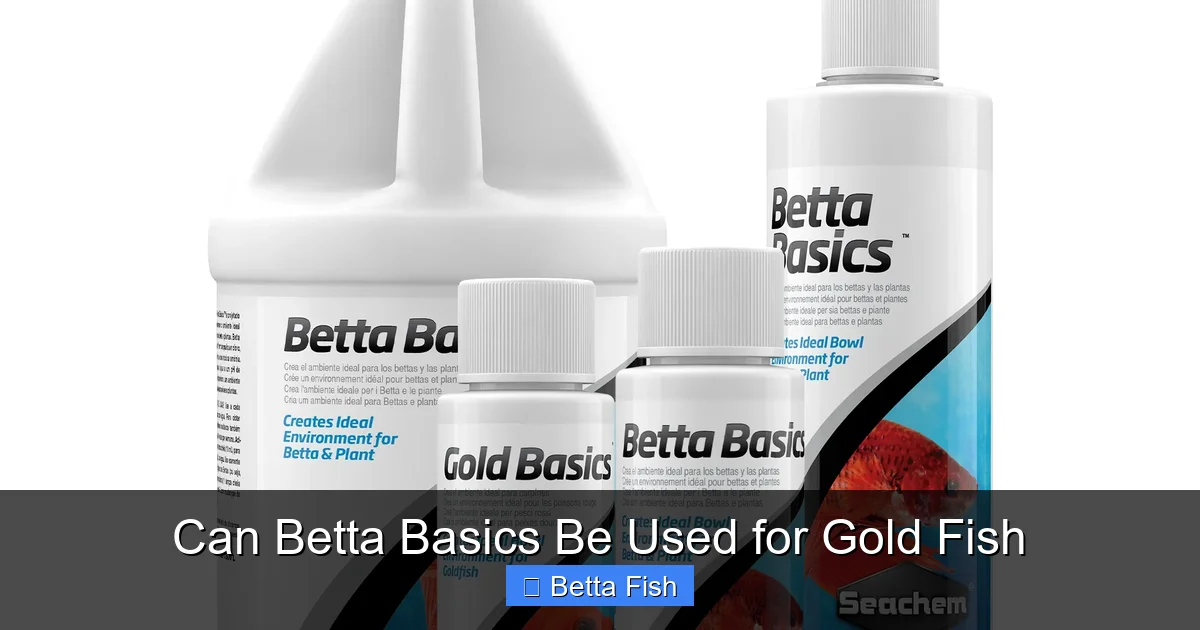
Betta Basics typically contains a blend of the following:
Visual guide about Can Betta Basics Be Used for Gold Fish
Image source: cdn.shopify.com
- Dechlorinator – binds chlorine and chloramine, making them harmless.
- Detoxifier – neutralizes heavy metals like copper and lead.
- Beneficial bacteria starter – helps establish the nitrogen cycle faster.
- pH stabilizer – adds a small amount of buffering agents to keep water from swinging wildly.
The formula is designed for the warm, slightly acidic water that bettas prefer (pH 6.5‑7.5). It’s effective at making tap water safe within minutes, which is why many beginners love it.
Limitations of the Formula
While Betta Basics does a great job at removing chlorine, it does not:
- Control ammonia or nitrite levels beyond the starter bacteria boost.
- Adjust water hardness to suit cold‑water species.
- Provide extra electrolytes that goldfish sometimes need in harder water.
In short, it’s a “starter” conditioner, not a full‑service water treatment system.
Goldfish Water Requirements: The Big Differences
Temperature and pH
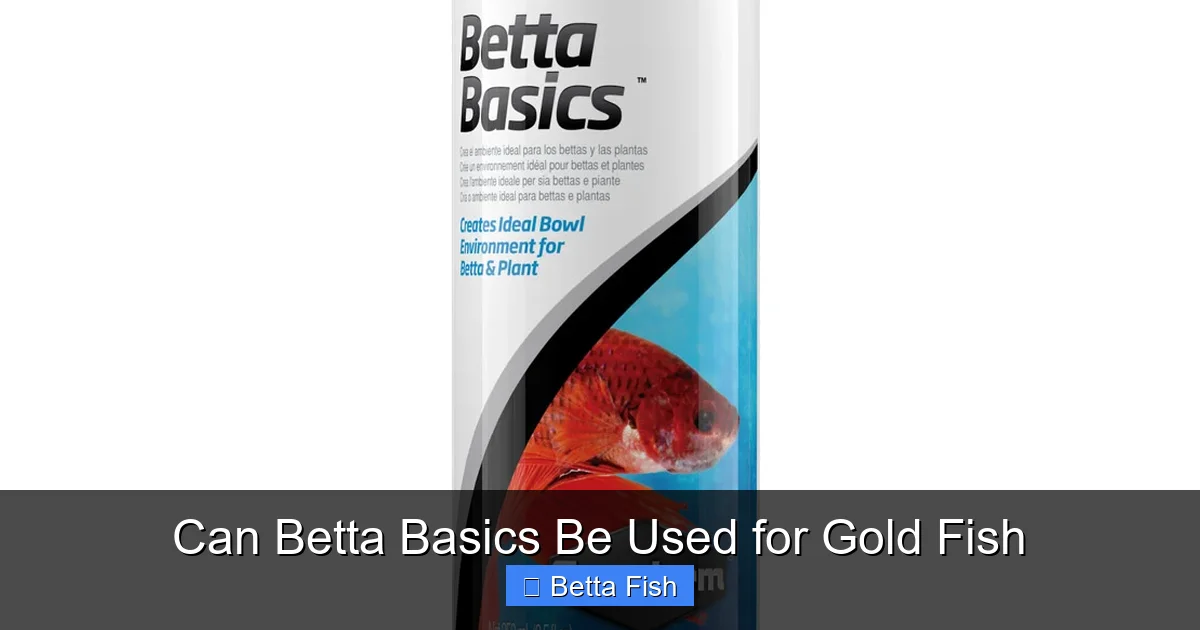
Goldfish are cold‑water fish. The ideal range is 65‑75°F (18‑24°C). Their preferred pH is slightly alkaline, usually between 7.0‑8.0. Keeping water too warm can stress them and shorten their lifespan.
Visual guide about Can Betta Basics Be Used for Gold Fish
Image source: seachem.com
If you’re wondering about temperature specifics, check out What Temperature Should Water Be For A Betta Fish. It highlights why a betta‑focused conditioner may not match goldfish preferences.
Hardness and Filtration
Goldfish thrive in moderately hard water (GH 8‑12 dGH). Hardness helps them build strong scales and reduces susceptibility to diseases. Because goldfish produce a lot of waste, a robust filtration system is essential to keep ammonia and nitrite at zero.
Bioload: More Waste, More Work
A single adult goldfish can generate up to 10 × the waste of a similarly sized betta. This means you’ll need:
- Frequent water changes (20‑30% weekly).
- A high‑capacity filter (can handle at least 4‑5× tank volume per hour).
- Regular testing of ammonia, nitrite, nitrate, and pH.
Can Betta Basics Meet Those Needs?
Pros: What Betta Basics Gets Right
- Chlorine removal: Works equally well for goldfish water.
- Ease of use: One‑drop per 10 gal is simple for beginners.
- Initial bacterial boost: Helps start the nitrogen cycle faster, which is useful when setting up a new goldfish tank.
Cons: Where It Falls Short
- Temperature mismatch: The conditioner is formulated for warmer water; it does not compensate for cooler temperatures.
- Hardness support: No added minerals for goldfish‑friendly hardness.
- Limited waste control: Goldfish need stronger bio‑filtration; Betta Basics cannot replace a good filter.
- Potential over‑dosing: Using the same dosage in a larger goldfish tank may dilute the effect, leaving trace chlorine.
Bottom Line
Betta Basics can be used as a *temporary* water conditioner when you first fill a goldfish tank, but it should not be your sole water‑treatment solution. Think of it as a “quick fix” while you set up proper filtration and perform regular water changes.
Visual guide about Can Betta Basics Be Used for Gold Fish
Image source: m.media-amazon.com
Step‑by‑Step Guide: Using Betta Basics Safely with Goldfish
1. Prepare Your Tank
- Choose a tank at least 20 gal for a single goldfish; add 10 gal for each additional fish.
- Install a canister or power filter rated for at least 4× tank volume per hour.
- Rinse substrate and decorations with dechlorinated water.
2. Condition the Water
- Fill the tank with tap water that has been left to sit for 24 hours (to let chlorine dissipate) *or* use a water conditioner.
- Add Betta Basics at the manufacturer’s recommended rate (usually 1 ml per 10 gal). Stir gently.
- Let the water sit for 10‑15 minutes; the conditioner works instantly.
3. Test and Adjust Parameters
- Use a liquid test kit to check pH, GH, KH, ammonia, nitrite, and nitrate.
- If pH is below 7.0, consider adding a small amount of crushed coral or a commercial pH buffer for goldfish.
- If hardness is low, add a commercial hardness booster (follow label instructions).
4. Cycle the Tank
Even with the bacterial starter in Betta Basics, you’ll need a full nitrogen cycle:
- Introduce a small amount of goldfish food daily to seed the cycle.
- Test ammonia and nitrite daily; expect spikes in the first 2‑3 weeks.
- Only add fish when both ammonia and nitrite read 0 ppm and nitrate is under 20 ppm.
5. Ongoing Maintenance
- Change 20‑30% of water weekly; re‑condition new water with Betta Basics.
- Vacuum substrate to remove uneaten food and waste.
- Monitor temperature; keep it within the 65‑75°F range using a reliable aquarium heater (if needed) or a cooling fan for warm climates.
6. When to Switch to a Goldfish‑Specific Conditioner
If you notice any of the following, consider switching:
- Frequent cloudy water despite regular changes.
- Goldfish showing signs of stress (clamped fins, erratic swimming).
- pH drifting below 7.0 consistently.
A goldfish‑specific conditioner often contains additional minerals and a stronger ammonia detoxifier, which can give your fish that extra safety net.
Alternative Water Conditioners for Goldfish
Goldfish‑Focused Brands
Brands like API, Seachem, and Tetra offer conditioners formulated for cold‑water fish. Look for products that list “hardness booster” or “alkaline buffer” on the label.
DIY Conditioning: Using Baking Soda and Crushed Coral
For hobbyists who like a hands‑on approach, a simple mix of 1 tsp baking soda per 10 gal can raise pH gently, while a few pieces of crushed coral placed in a mesh bag can increase hardness over time.
Common Mistakes to Avoid
- Over‑relying on a single conditioner: No product replaces good filtration.
- Using betta‑temperature water for goldfish: Cold‑water species can become stressed.
- Skipping regular water tests: Even a small pH shift can stress goldfish.
- Under‑estimating tank size: Goldfish grow large; a small tank will cause rapid waste buildup.
Conclusion: Make an Informed Choice
So, can Betta Basics be used for gold fish? The short answer is **yes, but only as a temporary or supplemental conditioner**. It will safely remove chlorine and give a quick bacterial boost, but it does not address the higher hardness, cooler temperature, and greater waste load that goldfish demand. For long‑term health, pair Betta Basics with a robust filtration system, regular water changes, and consider a goldfish‑specific conditioner if you notice any stress signs.
By understanding the distinct needs of each species and following the step‑by‑step guide above, you can keep both bettas and goldfish thriving—whether they share a room or a hobby shelf.
Frequently Asked Questions
Is Betta Basics safe for goldfish?
Yes, it safely removes chlorine and chloramine, which benefits goldfish. However, it doesn’t provide the extra minerals goldfish often need.
Do I need a heater for goldfish if I use Betta Basics?
No. Goldfish prefer cooler water (65‑75°F). A heater is unnecessary and can be harmful if the temperature rises too much.
How often should I add Betta Basics to my goldfish tank?
Use it each time you perform a water change—typically 20‑30% weekly. Follow the dosage instructions on the bottle.
Can I use Betta Basics in a heavily stocked goldfish tank?
It can help with chlorine removal, but you’ll still need strong filtration and frequent water changes to handle the higher bioload.
What signs show that Betta Basics isn’t enough for my goldfish?
Cloudy water, persistent algae, or goldfish with clamped fins and erratic swimming suggest you need a goldfish‑specific conditioner or better filtration.
Are there any water parameters that Betta Basics can’t adjust?
Betta Basics does not raise water hardness or significantly buffer pH for alkaline conditions, both of which goldfish often prefer.

