Can baby turtles live with betta fish? In most cases, the answer is no—different water needs, temperature ranges, and natural behaviors make sharing a tank risky. However, with careful planning, proper barriers, and close monitoring, a limited, supervised setup can sometimes work.
Key Takeaways
- Different water parameters: Baby turtles need cooler, harder water while bettas prefer warm, soft water.
- Temperament clash: Turtles may see bettas as food; bettas may become stressed by the turtle’s presence.
- Tank size matters: A larger, well‑filtered tank reduces stress for both species.
- Physical barriers help: Using dividers or a basking platform can keep the turtle out of the betta’s swimming zone.
- Monitor health closely: Watch for signs of stress, injury, or disease and be ready to separate them immediately.
- Alternative companions: Consider compatible tank mates like small snails or shrimp instead of turtles.
- Research first: Read expert guides such as “Can Turtles And Betta Fish Live Together” before attempting any mixed‑species setup.
📑 Table of Contents
- Introduction: A Curious Question
- 1. Water Chemistry: The Foundation of Compatibility
- 2. Temperament and Natural Instincts
- 3. Tank Size and Layout: Designing a Peaceful Home
- 4. Feeding Strategies: Keeping Both Pets Healthy
- 5. Health Risks and Disease Management
- 6. Safer Alternatives: Companions That Play Well Together
- Conclusion: Weighing the Pros and Cons
Introduction: A Curious Question
It’s a cute mental picture—tiny baby turtles paddling around a vibrant betta fish, sharing a colorful aquarium like an underwater buddy comedy. Many hobbyists ask, “can baby turtles live with betta fish?” The short answer is “usually not,” but the long answer is full of nuance. Understanding why these two animals often don’t get along helps you avoid heartbreak, costly tank upgrades, and potential loss of a pet.
In this guide we’ll break down the science behind water requirements, temperature, temperament, and tank design. We’ll also give you practical steps if you still want to try a shared habitat, and point you to safer alternatives. By the end, you’ll know whether a mixed tank is a whimsical idea or a recipe for disaster.
1. Water Chemistry: The Foundation of Compatibility
Temperature Differences
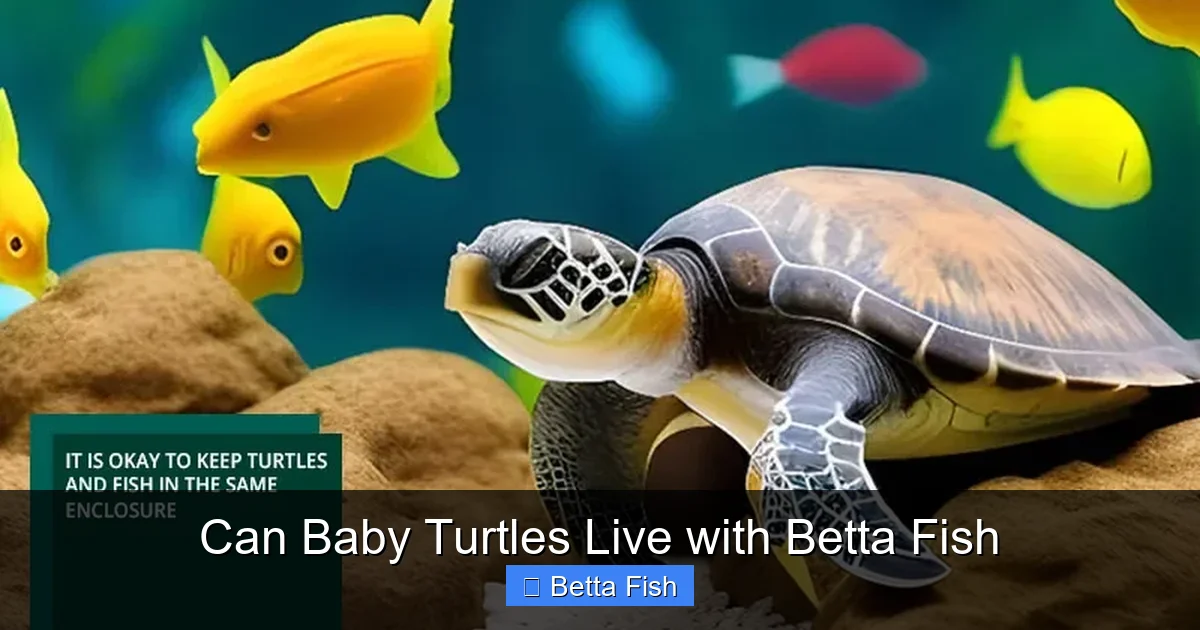
Baby turtles, especially species like the Red‑Eared Slider, thrive in water that is **70‑78°F (21‑26°C)**. Betta fish, on the other hand, love a cozy **78‑82°F (25‑28°C)**. Even a few degrees off can stress a betta, causing faded colors, loss of appetite, or disease. Keeping the temperature in a middle range often leaves one species uncomfortable.
Visual guide about Can Baby Turtles Live with Betta Fish
Image source: i0.wp.com
pH and Hardness
Turtles require a **harder, more alkaline** environment (pH 7.0‑7.8, GH 8‑12). Betta fish prefer **soft, slightly acidic** water (pH 6.5‑7.0, GH 3‑8). Trying to balance both can lead to rapid swings that stress both animals. Frequent water testing becomes a must‑have habit.
Filtration Needs
Turtles are messy. They produce a lot of waste, and their food often sinks to the bottom, creating debris. A high‑flow filter is essential for turtles, yet bettas dislike strong currents. A compromise is a **canister filter with a gentle spray bar** placed near the turtle’s basking area, while a calm zone remains for the betta.
2. Temperament and Natural Instincts
Predatory Drive
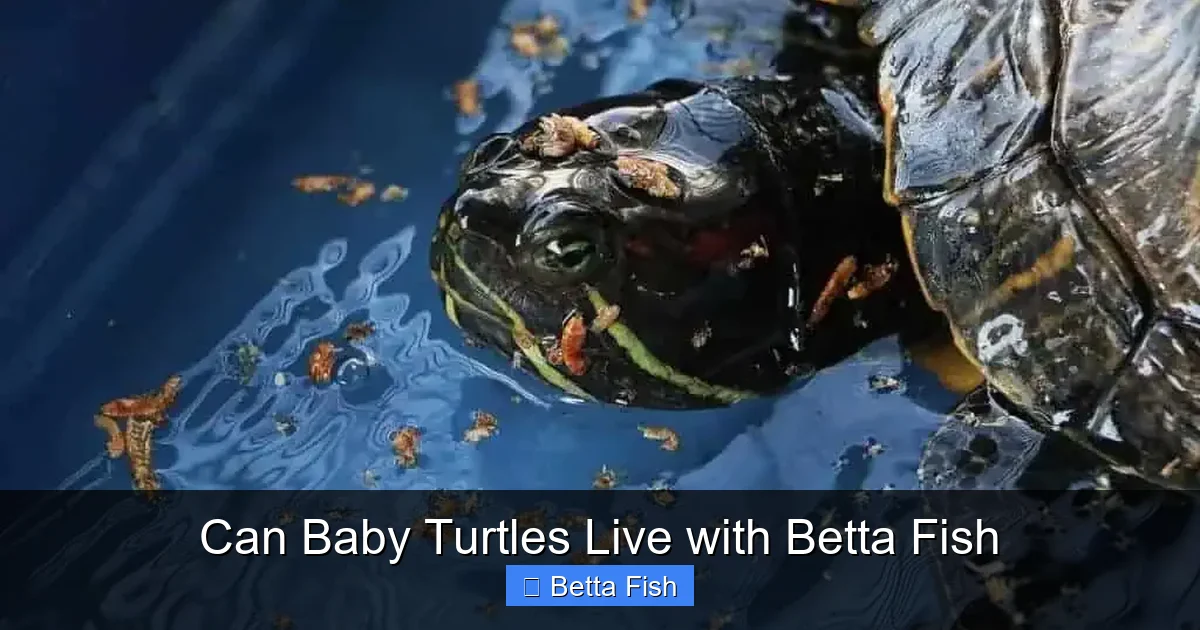
Even baby turtles retain a natural instinct to chase moving objects. A betta’s flowing fins can look like a tasty snack. When a turtle snaps at the betta, the fish can suffer fin damage or become a stress victim.
Visual guide about Can Baby Turtles Live with Betta Fish
Image source: bettasource.com
Betta Aggression
Betta fish are territorial and may flare at a turtle’s shadow or sudden movements. This can lead to constant fin nipping, which not only looks ugly but opens the door to infection.
Stress Signals
Watch for faded betta colors, ragged fins, or a turtle that’s constantly hiding. These are red flags that the tank environment is unsuitable. Early separation prevents long‑term health issues.
3. Tank Size and Layout: Designing a Peaceful Home
Minimum Tank Volume
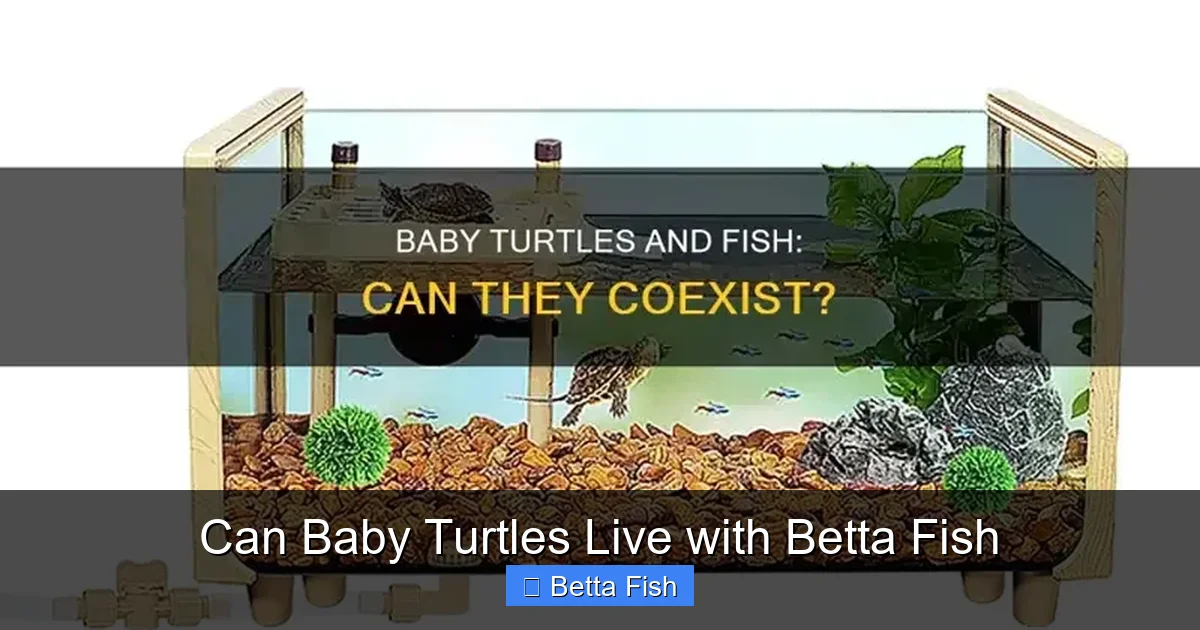
For a single baby turtle, a **20‑gallon tank** is the absolute minimum. Adding a betta means you need **at least 30 gallons** to give each animal enough space to establish its own territory.
Visual guide about Can Baby Turtles Live with Betta Fish
Image source: petshun.com
Physical Barriers
Using a **transparent acrylic divider** creates two distinct zones while keeping the visual connection. Place the divider so the turtle’s basking platform sits on one side and the betta’s plants on the other. This reduces direct encounters while allowing you to enjoy both pets.
Creating a Basking Area
Baby turtles need a dry basking spot with a heat lamp (UVB and basking bulb) that reaches **90‑95°F (32‑35°C)**. The betta must stay fully submerged, so the basking platform should be out of the water line and placed where the betta can’t accidentally slip onto it.
Plants and Hiding Spots
Live plants like **Java fern** and **Anubias** provide cover for the betta and help absorb excess nitrates. Turtles love to chew on sturdy driftwood, which also adds natural décor. Ensure any décor is turtle‑safe (no sharp edges).
4. Feeding Strategies: Keeping Both Pets Healthy
Separate Feeding Times
Feed the turtle on the basking platform with **pelleted turtle food** or chopped veggies. Remove any leftovers quickly to keep water quality high. Feed the betta in the water with **high‑quality betta pellets** or frozen brine shrimp after the turtle has finished.
Preventing Over‑Feeding
Because turtles can gulp large amounts, they may accidentally eat the betta’s food, causing the betta to miss meals. Using a **feeding ring** that fits around the betta’s area helps keep food where it belongs.
Monitoring Growth
Baby turtles grow quickly. As they mature, their size and appetite increase, putting more pressure on the filter and potentially overwhelming the betta’s space. Regularly reassess whether the shared setup is still viable.
5. Health Risks and Disease Management
Cross‑Species Pathogens
Both turtles and bettas can carry parasites like **Ich (Ichthyophthirius multifiliis)**. While turtles are less susceptible, they can become carriers, spreading the disease to the betta. Quarantine new arrivals for at least **30 days** before introducing them.
Water Quality Checks
Test the tank **weekly** for ammonia, nitrite, nitrate, pH, and hardness. A spike in any parameter is a warning sign that the environment is too stressful for one or both animals.
When to Separate
If you notice persistent fin damage, lethargy, or shell rot, move the animals to separate tanks immediately. Treat the betta with a mild anti‑parasitic medication and clean the turtle’s tank thoroughly.
6. Safer Alternatives: Companions That Play Well Together
Snails and Shrimp
Peaceful invertebrates like **Nerite snails** or **Cherry shrimp** can coexist with bettas and are unlikely to attract a turtle’s attention. They also help clean algae, improving overall tank health.
Other Fish Options
If you’re set on a mixed aquarium, consider fish that are larger and faster than bettas, such as **small tetras** or **guppies**. Read more about compatible species in our guide What Other Fish Can Live With Betta Fish.
Dedicated Turtle or Betta Tanks
The simplest solution is to give each pet its own properly sized tank. This eliminates conflict, allows you to tailor water parameters, and makes maintenance easier.
Conclusion: Weighing the Pros and Cons
So, can baby turtles live with betta fish? Technically, it’s possible under very specific conditions—large tank, perfect temperature split, sturdy divider, and vigilant monitoring. In practice, the effort often outweighs the reward, and many hobbyists find that separate setups lead to happier, healthier pets. If you’re willing to invest time, money, and careful observation, a divided tank can be a fascinating experiment. Otherwise, consider safer companions like snails, shrimp, or a dedicated tank for each species.
Remember, the well‑being of your animals comes first. Use the information here, test water parameters regularly, and never hesitate to separate the creatures if any sign of stress appears. Happy fish‑keeping!
Frequently Asked Questions
Can baby turtles share a tank with adult bettas?
Sharing a tank with adult bettas is even riskier because adult bettas are larger and more territorial. The same temperature and water‑parameter conflicts apply, making cohabitation difficult.
Do turtles eat betta fish?
Baby turtles may try to bite or nibble at a betta, especially if the turtle mistakes the moving fins for food. This can cause injury to the betta, so supervision is essential.
What tank size is the minimum for a turtle‑betta combo?
At least a 30‑gallon tank is recommended to provide enough space for a divider, a basking platform, and a comfortable swimming area for the betta.
How often should I test the water in a mixed turtle‑betta tank?
Test weekly for ammonia, nitrite, nitrate, pH, and hardness. More frequent testing is wise during the first month as the tank cycles.
Are there any fish that can live with both turtles and bettas?
Most small, fast‑moving fish are stressed by turtles. Instead, consider peaceful invertebrates like snails or shrimp, or look at our article What Other Fish Can Live With Betta Fish for alternatives.
What should I do if my betta shows signs of stress?
Immediately check water parameters, remove any visible injuries, and consider separating the betta from the turtle. Provide a calm, filtered area with plenty of hiding spots.

