Can Angelfish Be with Betta Fish

Angelfish can share a tank with betta fish, but success depends on size, temperament, and proper environment. Follow our step‑by‑step guide to create a safe, thriving community tank that keeps both species happy.
Key Takeaways
- Size matters: Give angelfish enough room to grow; a 20‑gal tank is the minimum for most pairings.
- Temperament varies: Male bettas are more territorial; choose a gentle, later‑maturing angelfish.
- Water parameters must match: Keep temperature 76‑82°F, pH 6.5‑7.5, and moderate flow.
- Tank layout is crucial: Use plants, caves, and vertical space to break lines of sight.
- Monitor behavior daily: Early signs of stress include fin nipping, faded colors, or hiding.
- Feeding strategies prevent competition: Offer both surface and bottom foods at separate spots.
- Know the alternatives: If aggression persists, consider other community fish that are proven companions.
📑 Table of Contents
- Introduction: Why This Question Pops Up
- Understanding the Basics of Betta and Angelfish Behavior
- Tank Size and Layout: Setting the Stage for Success
- Choosing the Right Individuals
- Feeding Strategies to Keep the Peace
- Monitoring Compatibility and Handling Aggression
- Alternatives: Other Community Fish That Pair Well With Betta
- Conclusion: Making an Informed Decision
Introduction: Why This Question Pops Up
Anyone who has kept a betta (also called Siamese fighting fish) knows they’re gorgeous, lively, and a little feisty. Angelfish, with their graceful fins and striking shape, are another favorite in the hobby. It’s natural to wonder if these two beauties can live together in the same aquarium.
In this article we’ll break down everything you need to know—temperament, tank size, water conditions, and practical set‑up tips. By the end you’ll be able to decide whether a mixed betta‑angelfish tank is a good idea for your home aquarium.
Understanding the Basics of Betta and Angelfish Behavior
Betta temperament
Betta fish are territorial by nature. In the wild they defend small, shallow puddles, so a confined space can trigger aggression. Males are especially prone to flare at bright colors and movement, while females are generally milder but can still be protective of their space.
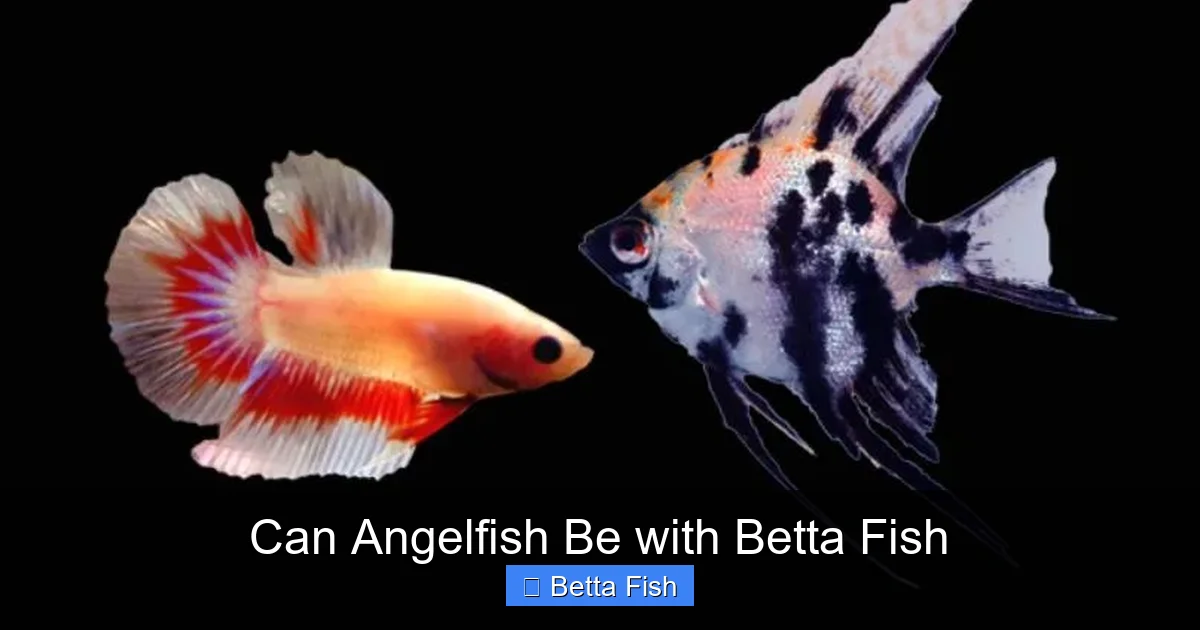
Visual guide about Can Angelfish Be with Betta Fish
Image source: tinyfishtank.com
Angelfish personality
Angelfish (Pterophyllum spp.) are cichlids that grow tall and like to swim vertically. They are semi‑aggressive; larger individuals often dominate smaller tank mates. However, they are also curious and can coexist with peaceful species if given enough room.
Key overlap
Both species thrive in warm water (76‑82°F) and a slightly acidic to neutral pH. This overlap makes a shared tank technically possible, but the real challenge is managing aggression and space.
Tank Size and Layout: Setting the Stage for Success
Minimum tank volume
A single betta can live in a 5‑gal tank, but when you add an angelfish you need at least a 20‑gal long aquarium. The extra length provides vertical swimming room for the angelfish and separates the betta’s surface territory from the angelfish’s mid‑water zone.

Visual guide about Can Angelfish Be with Betta Fish
Image source: aquariumstoredepot.com
Creating visual barriers
Plants, driftwood, and rock caves are essential. They break the line of sight, which reduces the chances of a betta spotting and chasing the angelfish’s fins. Use tall, leafy plants like Java fern or Amazon sword on opposite sides of the tank.
Water flow and filtration
Both fish enjoy moderate water movement. A gentle powerhead or a sponge filter that creates a soft current is ideal. Too strong a flow can stress bettas, which prefer calmer surface areas.
Recommended tank set‑up checklist
- 20‑gal long tank (minimum)
- Temperature 78°F, heater with thermostat
- pH 6.8‑7.2, use a liquid test kit weekly
- Live plants or high‑quality silk plants for cover
- Two to three hiding spots (caves, PVC pipes)
- Low‑profile filter with adjustable flow
Choosing the Right Individuals
Size considerations
Never place a juvenile angelfish with a fully grown male betta. Even a small angelfish can look like a tasty snack. Wait until the angelfish is at least 3‑4 inches tall before introducing the betta.

Visual guide about Can Angelfish Be with Betta Fish
Image source: i.pinimg.com
Gender dynamics
Female bettas are usually less aggressive than males, making them a safer bet for a mixed tank. If you only have a male, consider a very large, calm angelfish and be prepared to separate them if needed.
Health checks
Quarantine new arrivals for 2‑4 weeks to avoid introducing disease. Look for clear eyes, intact fins, and active swimming. A healthy start reduces stress for both fish.
Real‑world example
Emily, a hobbyist from Texas, introduced a 4‑inch female angelfish to her 6‑inch male betta in a 30‑gal tank. She added a dense patch of Java moss and a few driftwood roots. Within a week both fish were feeding side by side, and no fin nipping was observed. Her success highlights the importance of size balance and plenty of cover.
Feeding Strategies to Keep the Peace
Surface versus mid‑water feeding
Betta fish are surface feeders, while angelfish take food from the water column. Use a floating pellet for the betta and a sinking wafer for the angelfish. This reduces competition and keeps each fish eating its own portion.
Feeding schedule
- Twice daily, small portions
- Live or frozen foods (brine shrimp, daphnia) 2‑3 times a week for extra nutrition
- Remove uneaten food after 5 minutes to keep water quality high
Supplemental nutrition
Both species benefit from occasional vegetable matter. Blanched peas or spinach can aid digestion for the angelfish and add variety for the betta.
Monitoring Compatibility and Handling Aggression
Early warning signs
Watch for these behaviors within the first two weeks:
- Betta flaring at the angelfish
- Angelfish hiding or clamping fins
- Color fading in either fish
- Excessive chasing around the tank
What to do if aggression appears
- Re‑arrange décor: Move plants and caves to create new territories.
- Adjust feeding spots: Offer food at opposite ends of the tank.
- Temporarily separate: Use a clear divider for 24‑48 hours, then re‑introduce slowly.
- Consider re‑homing: If aggression persists, it may be kinder to find a different home for one of the fish.
Long‑term observations
Even after the initial adjustment period, continue weekly checks. A calm betta will glide near the surface without constant flaring, and a happy angelfish will display its full fin spread and swim confidently.
Alternatives: Other Community Fish That Pair Well With Betta
If you decide the betta‑angelfish combo isn’t for you, there are many proven tank mates. Species such as neon tetras, Corydoras catfish, and small rasboras are peaceful, occupy different tank levels, and share similar water parameters.
For a deeper dive into compatible species, see our guide on Which Fish Can Be Kept With Betta. It lists safe options and explains why they work.
Another useful resource is Why Can’t Betta Fish Be With Other Fish, which clarifies common myths and helps you avoid common pitfalls.
Finally, if you’re interested in keeping multiple bettas, read Can Betta Fish Be With Other Betta Fish for tips on gender balance and tank size.
Conclusion: Making an Informed Decision
Yes, angelfish can be kept with betta fish, but success hinges on careful planning. Provide ample space, create plenty of hiding places, match water conditions, and choose the right individuals. Monitor behavior closely and be ready to adjust or separate if needed. When done right, the vibrant colors of a betta and the elegant fins of an angelfish can create a stunning, harmonious display.
Frequently Asked Questions
Can a male betta live peacefully with an angelfish?
It’s possible, but male bettas are more territorial. Choose a large, calm angelfish and a spacious tank to reduce aggression.
Do bettas and angelfish need the same water temperature?
Yes. Both thrive in 76‑82°F (24‑28°C), making temperature compatibility straightforward.
How long should I quarantine a new angelfish before adding it to a betta tank?
Quarantine for 2‑4 weeks to watch for disease and ensure the fish is healthy before introduction.
What are the signs that my betta is stressed by the angelfish?
Frequent flaring, loss of color, and constant chasing are clear indicators of stress.
Can I keep more than one angelfish with a single betta?
It’s risky. Multiple angelfish increase the chance of territorial disputes, especially in smaller tanks.
Is it better to keep a female betta with an angelfish?
Female bettas are generally less aggressive, so they are a safer match for an angelfish.