Betta food is formulated for a tiny, surface‑feeding carnivore, so it isn’t automatically perfect for every fish. While some small, peaceful species can enjoy it occasionally, many larger or bottom‑dwelling fish need a different diet to stay healthy.
Key Takeaways
- Not universal: Betta pellets are designed for bettas and a few similar small fish, not for all aquarium inhabitants.
- Size matters: Fish that can’t swallow the pellet size may starve or choke.
- Nutrient balance: Betta food is high‑protein and low‑fiber, which may not meet the dietary needs of herbivorous or omnivorous species.
- Temporary treat: Some community fish can eat betta food occasionally, but it shouldn’t replace their staple diet.
- Water quality impact: Over‑feeding betta pellets to the wrong fish can cloud water and increase ammonia.
- Test first: Always observe a small group before adding betta food to a mixed tank.
- Use reputable brands: High‑quality betta pellets reduce the risk of nutritional gaps and digestive issues.
📑 Table of Contents
- Introduction: Why the Question Matters
- 1. What Makes Betta Food Different?
- 2. Which Fish Can Safely Eat Betta Food?
- 3. Nutritional Gaps: When Betta Food Isn’t Enough
- 4. Practical Tips for Feeding Betta Food to Other Fish
- 5. Common Mistakes and How to Avoid Them
- Conclusion: Tailor the Diet to Each Species
Introduction: Why the Question Matters
If you’ve ever watched a bright betta glide to the surface to snap up a floating pellet, you might wonder, “Can I feed the same food to my other fish?” The answer isn’t a simple yes or no. Betta fish have very specific dietary needs, and the market‑ready betta pellets reflect those needs. Feeding those pellets to the wrong species can lead to poor health, wasted food, and cloudy water.
In this article we’ll break down the science behind betta food, compare it to the diets of common community fish, and give you clear, practical guidelines. By the end you’ll know exactly which fish can share a betta’s menu and which should stick to their own.
1. What Makes Betta Food Different?
Protein‑rich formulation
Betta fish are obligate carnivores. In the wild they eat insects, larvae, and tiny crustaceans. Commercial betta pellets therefore contain 40‑50% animal‑based protein, often from fish meal, shrimp meal, or krill. This high protein level fuels their vibrant colors and aggressive behavior.
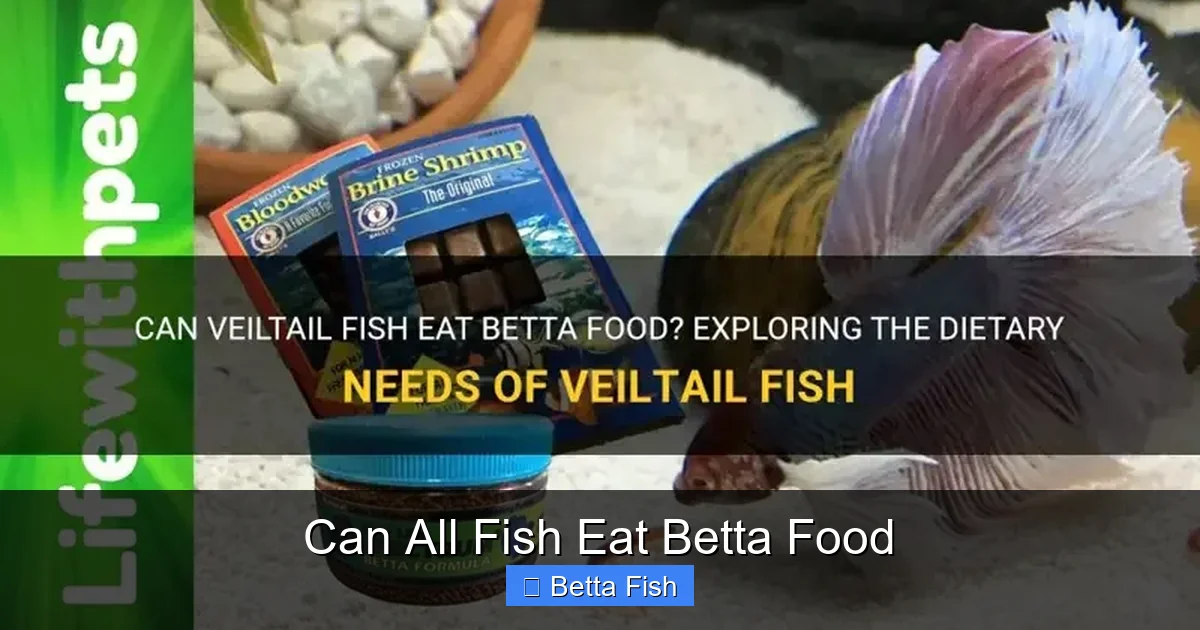
Visual guide about Can All Fish Eat Betta Food
Image source: petshun.com
Small, floating pellets
Because bettas are surface feeders, the pellets are tiny (usually 2‑3 mm) and designed to float. The size helps a betta grab food without having to chase it around the tank.
Low fibre and fat
Wild bettas don’t chew plant material, so the pellets have very little fiber. Fat is kept moderate to prevent obesity in a fish that doesn’t swim far.
Added vitamins and binders
Manufacturers often add vitamin C, B‑complex, and binders to keep the pellet stable in water. These additives are great for bettas but may be unnecessary or even excessive for other species.
2. Which Fish Can Safely Eat Betta Food?
Small, surface‑feeding community fish
If a fish lives near the water’s surface, has a mouth small enough to swallow a 2‑mm pellet, and is an omnivore or carnivore, it can usually handle betta food as an occasional snack.
Visual guide about Can All Fish Eat Betta Food
Image source: petshun.com
- Tetra species: Many small tetras (e.g., neon, ember, and black neon) will take floating betta pellets. See our detailed guide on Can Tetra Fish Eat Betta Food for more.
- Guppies and Endlers: These live‑bearers love floating protein and will often compete with bettas for the same food.
- Small rasboras: Species like Harlequin rasbora will surface‑feed and can nibble betta pellets without issue.
Other “regular” fish that can try it
Some hobbyists have successfully fed betta pellets to regular community fish in moderation. For a deeper look, read Can Regular Fish Eat Betta Food. The key is to keep portions tiny and monitor behavior.
Fish that should avoid betta food
Below are groups that typically cannot digest betta pellets well:
- Bottom‑feeders (corydoras, loaches): They search the substrate, not the surface, and may starve if offered only floating pellets.
- Herbivores (mollies, some plecos): Their digestive systems need plant matter; a high‑protein pellet can cause constipation.
- Large or aggressive fish (angelfish, gouramis): They may gulp the pellet whole, leading to choking, or simply push the betta away.
3. Nutritional Gaps: When Betta Food Isn’t Enough
Missing plant matter
Omnivorous fish require fiber from algae or plant‑based flakes. Betta pellets lack this, so a diet solely of betta food can cause poor digestion and weakened immune systems.

Visual guide about Can All Fish Eat Betta Food
Image source: petshun.com
Essential fatty acids
Some species need higher omega‑3 levels than betta food provides. Adding a quality flake or frozen brine shrimp can balance the diet.
Vitamins overload
Too much vitamin C or B‑complex can be wasteful and may even irritate sensitive fish. Rotate foods to avoid over‑supplementation.
4. Practical Tips for Feeding Betta Food to Other Fish
Start with a test batch
Introduce a single pellet to a small section of the tank. Watch for any signs of distress—gasping, spitting out the food, or excessive surfacing.
Use a feeding ring
A feeding ring keeps the pellets in one spot, preventing them from drifting to the bottom where bottom‑feeders can’t reach them.
Control portions
One pellet per small fish, twice a day, is plenty. Over‑feeding leads to water quality problems and can mask nutritional deficiencies.
Combine with species‑specific food
Offer betta pellets as a treat alongside the fish’s regular flakes, pellets, or frozen foods. This ensures a balanced diet.
Monitor water parameters
Protein‑rich foods break down quickly. Test ammonia, nitrite, and nitrate weekly after introducing betta food to a mixed tank.
5. Common Mistakes and How to Avoid Them
Assuming “all fish” can eat the same food
Just because a fish will gulp a floating pellet doesn’t mean it’s healthy. Always consider mouth size, feeding habits, and natural diet.
Feeding betta food to goldfish
Goldfish are omnivorous scavengers that need high‑fiber flakes. For details on why this is a bad idea, see Can Goldfish Eat Betta Fish Food.
Leaving uneaten pellets in the tank
Floating pellets can sink and decompose, raising ammonia. Remove leftovers after 2‑3 minutes.
Ignoring compatibility
If you keep aggressive or much larger fish with a betta, the betta may lose access to its food, leading to stress.
Conclusion: Tailor the Diet to Each Species
Betta food is a high‑protein, surface‑feeding formula that works well for bettas and a handful of small, similar fish. However, it is not a one‑size‑fits‑all solution. By understanding the natural feeding habits and nutritional needs of each species, you can safely offer betta pellets as an occasional treat while keeping the main diet species‑appropriate.
Remember: test, observe, and adjust. When in doubt, stick to a diet designed for the specific fish you keep. A happy, healthy community tank starts with the right food for every resident.
Frequently Asked Questions
Can I feed betta food to my goldfish?
No. Goldfish require high‑fiber, low‑protein flakes. Betta pellets can cause constipation and water quality issues for goldfish.
Do small tetras enjoy betta pellets?
Yes, many small tetras will readily accept floating betta pellets, but they should still receive their regular tetra flakes for balanced nutrition.
Is it safe to feed betta food to bottom‑dwelling catfish?
Generally not. Bottom‑feeders look for food on the substrate and may starve if only given floating betta pellets.
How often can I give betta food as a treat to other fish?
Once or twice a week is enough. Over‑feeding can lead to ammonia spikes and nutritional imbalances.
Can I mix betta pellets with other fish foods in a feeding ring?
Yes, a feeding ring can keep the pellets together and prevent them from sinking, making it easier for surface‑feeders while keeping the water cleaner.
Where can I find more information about feeding other fish with betta food?
Check out our article Can Other Fish Eat Betta Food for a broader look at species compatibility.

