Yes, a snail can share a tank with a betta fish if you set the right conditions. Choosing the right snail species, providing plenty of hiding spots, and monitoring water quality will keep both creatures happy.
Key Takeaways
- Compatibility depends on species: Small, peaceful snails such as mystery or nerite snails are the safest bet.
- Tank size matters: A minimum of 5 gallons gives both betta and snail enough space to avoid stress.
- Water parameters must suit both: Keep temperature around 78°F and pH between 6.5‑7.5.
- Hiding places are essential: Live plants, caves, and driftwood reduce the chance of the betta harassing the snail.
- Feeding is a team effort: Offer algae wafers and blanched veggies for the snail while feeding the betta high‑protein pellets.
- Regular monitoring prevents problems: Check for snail shells damaged by betta bites and keep an eye on water quality.
- Start with a quarantine: Introducing a snail after a short quarantine helps spot diseases before they spread.
📑 Table of Contents
- Introduction: A Curious Pair
- 1. Understanding Betta Temperament
- 2. Choosing the Right Snail Species
- 3. Setting Up the Tank
- 4. Water Parameters that Suit Both
- 5. Feeding Strategies for a Mixed Community
- 6. Monitoring Health and Behavior
- 7. Common Mistakes and How to Avoid Them
- Conclusion: A Happy Co‑habitation Is Possible
Introduction: A Curious Pair
If you’ve ever watched a betta flaunt its brilliant fins and wondered whether a tiny snail could share the spotlight, you’re not alone. Many hobbyists ask, can a snail be with a betta fish? The short answer is yes—provided you understand the personalities of both and set up a tank that meets their needs.
In this guide we’ll walk through everything from choosing the right snail species to creating a harmonious environment. Think of it as a friendly chat over a cup of tea, where we share practical tips, real‑world examples, and a few cautionary tales.
1. Understanding Betta Temperament
Why bettas can be territorial
Betta fish (Betta splendens) are naturally aggressive, especially males. In the wild they defend small puddles, so a confined aquarium can feel like a battlefield. This instinct makes them prone to chasing anything that moves, including snails.
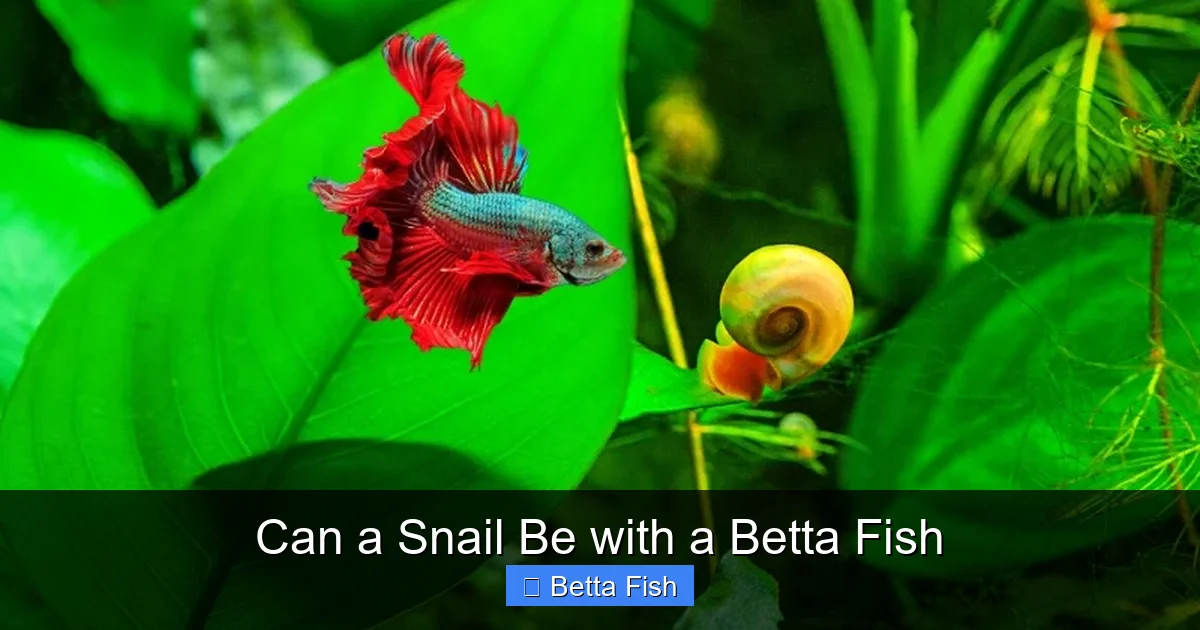
Visual guide about Can a Snail Be with a Betta Fish
Image source: infishtank.com
What makes a betta calm?
Peaceful behavior usually comes from:
- Ample space (at least 5 gallons)
- Plenty of visual barriers
- Consistent feeding schedule
- Low stress from sudden temperature swings
When these factors are in place, many bettas ignore snails altogether.
2. Choosing the Right Snail Species
Best snails for a betta tank
Not all snails are created equal. Here are three that consistently get along with bettas:
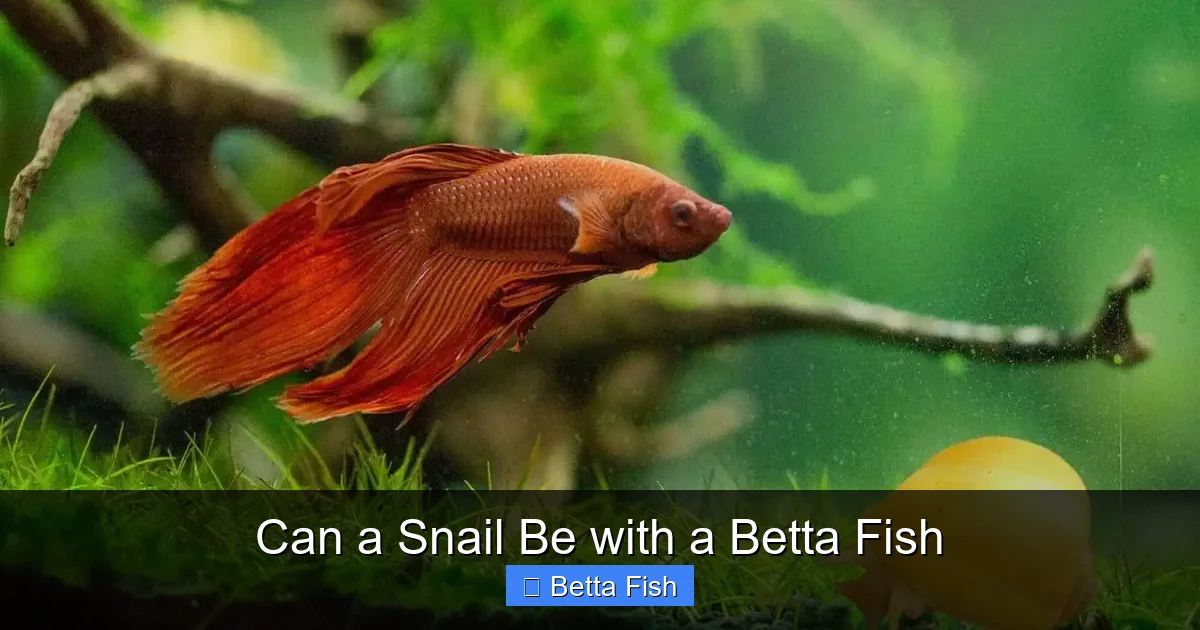
Visual guide about Can a Snail Be with a Betta Fish
Image source: bettasource.com
- Mystery (Apple) Snail: Grows up to 2 inches, eats algae, and has a sturdy shell that can withstand occasional nips.
- Nerite Snail: Excellent algae eater, cannot reproduce in freshwater (so no over‑population), and its hard shell deters most bettas.
- Ramshorn Snail: Small and fast, they can hide quickly if the betta gets curious.
Snails to avoid
Large, slow‑moving species like the Giant African Land Snail can become easy targets. Also, avoid snails with very thin shells (e.g., glass snails) as they are more likely to be damaged.
For more detailed comparisons, see our article on Can Snails Be In A Tank With Betta Fish.
3. Setting Up the Tank
Tank size and shape
A 5‑gallon long tank is the sweet spot. It gives the betta room to establish a territory while providing enough floor space for snails to graze.
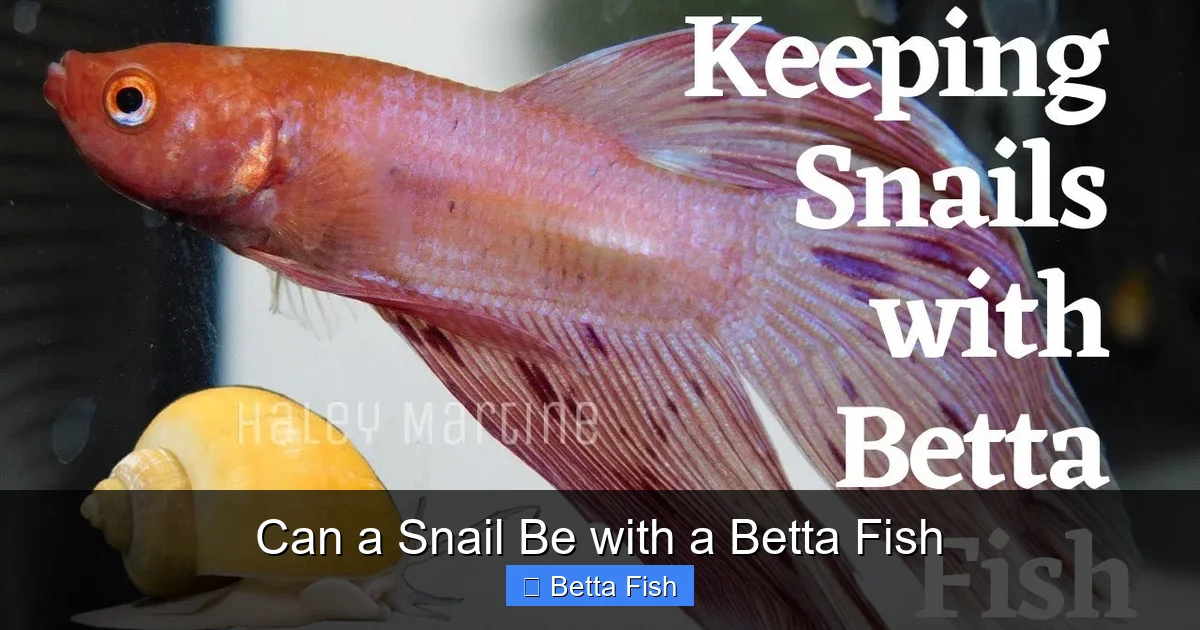
Visual guide about Can a Snail Be with a Betta Fish
Image source: i.ytimg.com
Substrate and décor
Use fine sand or smooth gravel. Add live plants like Java fern, Anubias, or Marimo moss balls. These plants not only absorb nitrates but also create hiding spots for snails.
Hiding places and flow
Driftwood, caves, and PVC tubes work wonders. Place them strategically so the snail can retreat if the betta becomes overly curious. A gentle flow from a sponge filter keeps water moving without creating strong currents that could stress the betta.
4. Water Parameters that Suit Both
Temperature
Betta fish thrive at 76‑82°F (24‑28°C). Most freshwater snails are comfortable in the same range, so set your heater to about 78°F.
pH and hardness
A pH of 6.5‑7.5 and moderate hardness (GH 4‑12) keep both species healthy. Test weekly with a liquid test kit.
Ammonia, nitrite, nitrate
Zero ammonia and nitrite are non‑negotiable. Keep nitrates below 20 ppm. Regular water changes (25 % weekly) help maintain stability.
5. Feeding Strategies for a Mixed Community
What to feed the betta
High‑quality betta pellets or frozen bloodworms twice a day. Avoid over‑feeding; leftover food can cloud the water and attract unwanted algae.
What to feed the snail
Snails love algae wafers, blanched zucchini, and occasional spinach leaves. They will also clean up uneaten betta food, reducing waste.
Feeding schedule
Feed the betta first, then after 10‑15 minutes sprinkle snail foods on the substrate. This timing lets the betta eat without competing directly with the snail.
6. Monitoring Health and Behavior
Signs of stress in bettas
Clamped fins, faded colors, or constant flaring at the glass indicate the betta feels threatened. If you notice this after adding a snail, try adding more décor for visual breaks.
Snail health checklist
- Intact, smooth shell
- Active movement, not crawling sluggishly
- No dark spots or slime on the shell (possible infection)
When to intervene
If the betta repeatedly attacks the snail, consider removing the snail or upgrading to a larger tank. In severe cases, a separate quarantine tank for the snail may be needed.
For a deeper dive into compatible tank mates, read What Can Be In A Tank With Betta Fish.
7. Common Mistakes and How to Avoid Them
Overcrowding the tank
Adding too many snails or other invertebrates can spike bioload, leading to ammonia spikes that harm both betta and snails.
Skipping quarantine
New snails may carry parasites. A 2‑week quarantine in a separate tank helps catch problems early.
Ignoring water changes
Even with a small bioload, bettas produce a lot of waste. Consistent water changes keep nitrate levels low and prevent algae overgrowth that can attract snails to the surface.
Conclusion: A Happy Co‑habitation Is Possible
Answering the question, can a snail be with a betta fish, the answer is a confident yes—if you respect each animal’s needs. Choose a hardy snail, give the betta a spacious, well‑decorated tank, and keep a close eye on water quality. With a little patience, you’ll enjoy watching your betta glide past a slow‑moving snail, both thriving in a balanced mini‑ecosystem.
Ready to start? Pick your snail, set up the tank, and watch the harmony unfold. And remember, a little observation goes a long way in keeping both your betta and snail healthy and happy.
Frequently Asked Questions
Can a betta fish eat a snail?
Betas may nip at snails, especially if they’re small or have thin shells, but most will leave a healthy mystery or nerite snail alone once they’re accustomed.
Do snails help keep a betta tank clean?
Yes, snails eat algae, leftover fish food, and decaying plant matter, which can reduce waste and improve water quality.
What is the best snail size for a betta tank?
Snails that grow to 1‑2 inches, like mystery or nerite snails, are ideal—they’re large enough to avoid being seen as prey but small enough to fit in a 5‑gallon tank.
How often should I change water in a betta‑snail community tank?
Change about 25 % of the water every week, and test for ammonia and nitrite each time to keep parameters stable.
Can I keep more than one snail with a betta?
Yes, you can keep 2‑3 snails of the same species, but avoid overcrowding; each snail needs space to graze and hide.
What should I do if my betta attacks the snail?
Increase hiding spots, reduce tank size stress by adding more plants, and consider moving the snail to a separate quarantine tank until the betta calms down.

