Wondering if a school of fish can share a tank with a bett? In most cases, a single betta will stress a group of active swimmers, but with the right species, size, and décor, harmony is possible. Read on for practical steps to create a safe, beautiful community tank.
Key Takeaways
- Betta temperament: Most bettas are territorial, especially males, so choose peaceful, fast‑moving tank mates.
- Tank size matters: A minimum of 20 gallons gives enough room for a school to feel secure and for the betta to have its own space.
- Species selection: Small, non‑aggressive schooling fish like neon tetras, rasboras, or danios are the safest bets.
- Hideouts are essential: Live plants, driftwood, and caves let the betta retreat and reduce stress.
- Water parameters: Keep temperature, pH, and hardness in the overlapping range of both species for optimal health.
- Monitor behavior: Watch for fin nipping or excessive chasing; be ready to rehome if aggression spikes.
- Gradual introduction: Use a quarantine or breeder box first to let the betta sniff out the new school before full release.
📑 Table of Contents
Introduction: The Betta and the School
If you’ve ever stared at a lone, flamboyant betta swimming in a tiny bowl, you might think adding a bustling school of tiny fish would bring life to the scene. The idea is tempting – bright tetras darting around a regal betta could look like a living work of art. But is it safe? Can a school of fish be kept with a bett without turning the tank into a battlefield?
In this guide we’ll walk through the science behind betta behavior, the needs of common schooling fish, and the step‑by‑step process to set up a peaceful community. By the end you’ll know exactly when to say “yes” and when to keep the betta solo.
Understanding Betta Nature
Territorial instincts
Betta splendens, often called the Siamese fighting fish, were bred for aggression. In the wild they defend small rice paddies, chasing away rivals. A male betta will flare its fins, puff up its gill covers, and even bite if it feels its space is invaded.

Visual guide about Can a School of Fish Be Kept with a Bett
Image source: ecowatch.com
Gender differences
Females are generally less aggressive, but they still have a hierarchy if you keep more than one. A single male is the most common scenario for a community tank – you’ll need a very calm school to avoid conflict.
What bettas need
- Calm water flow – strong currents stress them.
- Places to hide – plants, caves, or leaf litter.
- Consistent water temperature (76‑82°F).
- Enough vertical space to display their fins without feeling cramped.
Choosing the Right School
Size and swimming style
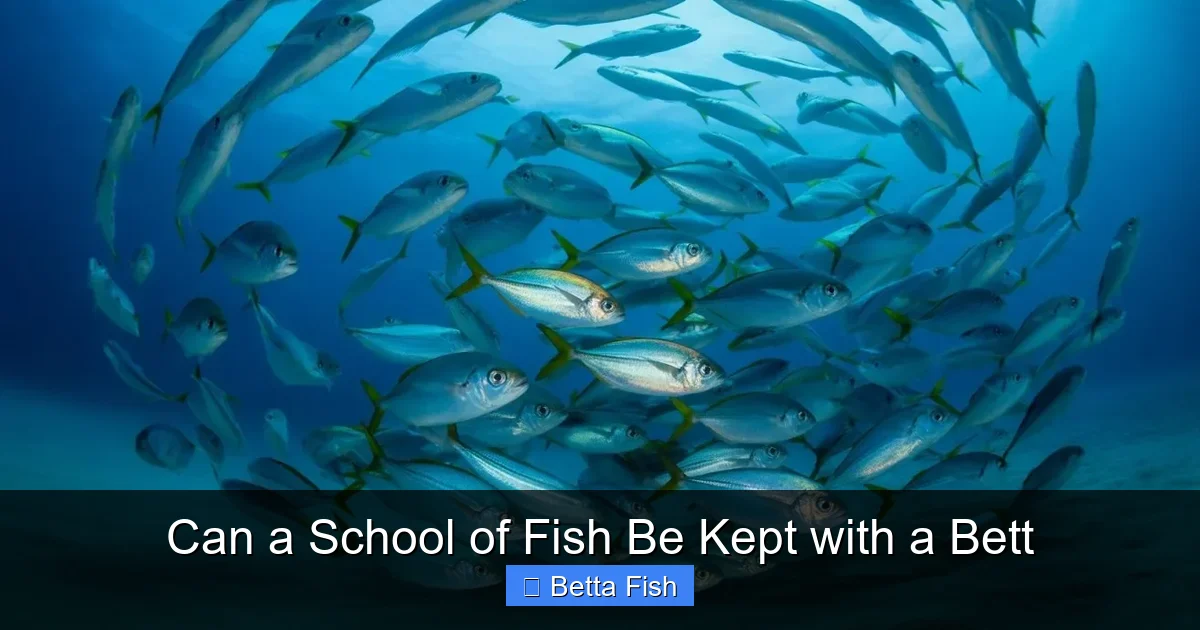
Small, fast swimmers that stay near the top or middle of the tank are ideal. Their speed makes it hard for a betta to catch them, and they tend to ignore the betta’s flares.
Visual guide about Can a School of Fish Be Kept with a Bett
Image source: lazyseas.com
Top compatible candidates
- Neon Tetra – 1‑2 inches, bright blue/red stripes, peaceful.
- White Cloud Mountain Minnow – hardy, prefers cooler water (68‑74°F) – use only if you can keep the tank at the lower end of the betta’s range.
- Harlequin Rasbora – active, silver‑black pattern, does well in groups of six or more.
- Zebra Danio – energetic, tolerates a wide temperature range.
These species are highlighted in our Which Fish Can Be With Bettas guide for exactly this reason.
What to avoid
Long‑finned or slow‑moving fish (like guppies with huge tails, fancy goldfish, or fancy bettas) become easy targets. Also steer clear of other aggressive species such as cichlids or larger barbs.
Tank Setup Essentials
Size and shape
A 20‑gallon long tank gives a horizontal stretch where a school can glide and a betta can claim a corner. The longer shape mimics a riverbank, letting the betta establish a “territory” at one end.
Visual guide about Can a School of Fish Be Kept with a Bett
Image source: divernet.com
Filtration and flow
Use a gentle sponge filter or a low‑flow canister. Too much current will stress the betta and push the school into the betta’s line of sight constantly, increasing aggression.
Decor and plants
Live plants like Java fern, Anubias, or floating water lettuce create natural barriers. Add driftwood and smooth rocks for extra hiding spots. The more visual breaks, the less the betta will feel crowded.
Lighting
Dimmer lighting in the evening mimics sunrise/sunset and calms all fish. A 10‑hour light cycle works well.
Water Parameters: Finding the Overlap
Temperature
Betta: 76‑82°F. Most tetras and rasboras: 75‑80°F. Aim for 78°F – a sweet spot for both.
pH and hardness
Betta prefers slightly acidic to neutral (6.5‑7.5). Schooling tetras like 6.0‑7.0. Keep the pH around 6.8 and moderate hardness (5‑12 dGH).
Testing and maintenance
Test weekly with a reliable kit. Perform 25‑30% water changes every week to keep nitrate below 20 ppm.
Introducing the School to the Betta
Quarantine first
All new fish should spend 2‑4 weeks in a separate quarantine tank. This prevents disease spread and lets you observe their health.
Use a breeder box
Place the school in a clear breeder box inside the main tank for 24‑48 hours. The betta can see the newcomers but cannot reach them. Watch for signs of aggression.
Slow release
If the betta stays calm, gently lift the box and let the school swim out. Add more plants or floating logs if the betta starts chasing.
What to do if aggression appears
Immediately remove the school and reconsider species choice. Sometimes a single male betta is simply not compatible with any school.
Daily Care and Long‑Term Harmony
Feeding
Feed bettas high‑quality pellets twice a day. Offer the school micro‑flakes or finely crushed flakes. Use a sinking wafer for the bottom‑dwelling fish to prevent the betta from stealing all the food.
Observation checklist
- Betta flaring constantly? – May indicate stress.
- School darting away in tight groups? – Normal, but watch for fin damage.
- Any missing or torn fins? – Remove the aggressor.
Cleaning routine
Vacuum substrate lightly once a month. Avoid soaps; use aquarium‑safe cleaners only. For more tips see Can You Clean A Betta Fish Tank With Soap.
When It Works – Success Stories
Many hobbyists report thriving communities of a male betta with a school of 6‑8 neon tetras. The key ingredients are a spacious tank, plenty of plants, and a calm betta temperament. One aquarist shared:
“I started with a 10‑gallon tank, but the betta constantly chased the tetras. After moving to a 20‑gallon, adding a dense Java fern forest, and using a sponge filter, the school lives peacefully. The betta even shows off his fins without aggression!”
These anecdotes echo the advice found in Can You Put A Betta With Other Fish, emphasizing space and hiding places.
Conclusion: Is It Worth Trying?
So, can a school of fish be kept with a bett? The answer is a qualified “yes.” If you have a spacious, well‑planted tank, choose tiny, fast‑moving, peaceful fish, and monitor the betta’s behavior closely, you can enjoy a vibrant community. However, never force compatibility; be ready to rehome the school if the betta shows persistent aggression.
In the end, the health and happiness of both the betta and the school come first. With patience and proper setup, you’ll create a stunning aquarium that feels like a natural pond – minus the endless fighting.
Frequently Asked Questions
Can a male betta live with a school of tetras?
Yes, if the tank is at least 20 gallons, the tetras are kept in a group of six or more, and there are plenty of plants for the betta to hide.
What size tank is the minimum for a betta and a school?
A 20‑gallon long tank is the sweet spot. Smaller tanks increase stress and aggression.
Do I need a filter for a community betta tank?
Absolutely. A gentle sponge filter provides clean water without creating a strong current that scares the betta.
Will the betta eat the smaller fish?
Betta mouths are small, so they usually can’t swallow medium‑sized tetras, but they may nip at fins. Choose fast swimmers to reduce this risk.
Can I add snails or shrimp to the same tank?
Yes, many keepers add nerite snails or ghost shrimp as cleanup crew. They’re generally ignored by a peaceful betta.
What should I do if the betta becomes aggressive?
Immediately separate the fish. Re‑evaluate tank size, hiding places, and species choice. Sometimes a solo betta is the safest option.

