Can a Gold Inca Snail Live with a Betta Fish
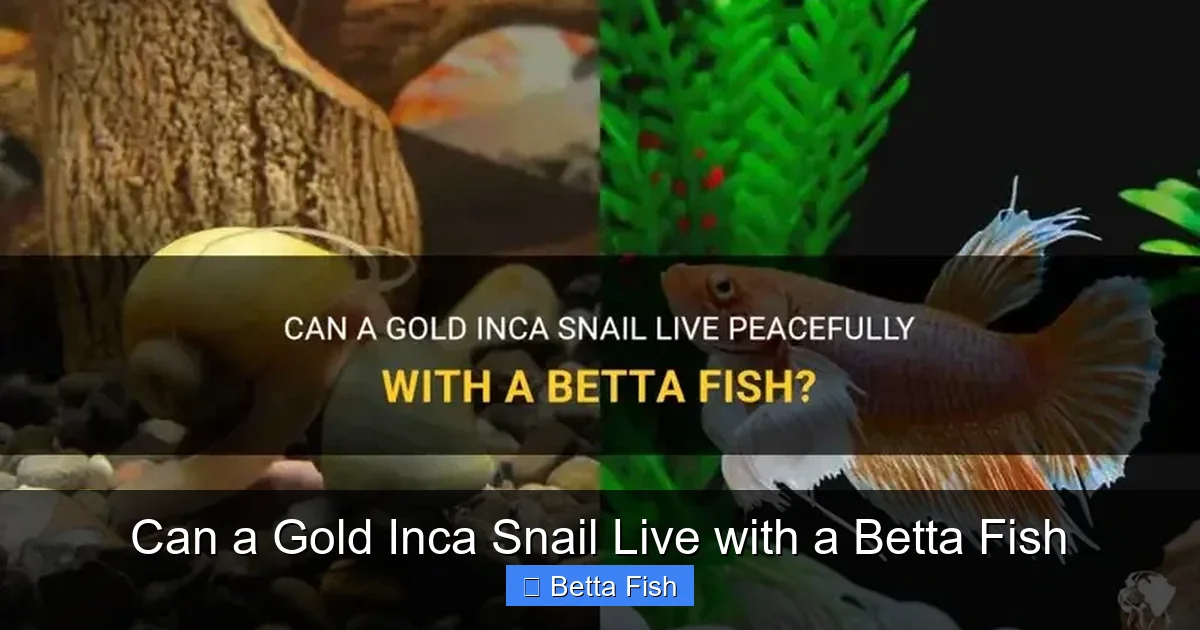
Yes, a gold inca snail can share a tank with a betta fish if you provide plenty of hiding spots, stable water parameters, and monitor behavior closely. Keep the tank well‑filtered, avoid over‑feeding, and choose a peaceful betta to ensure both residents thrive together.
Key Takeaways
- Compatibility: Gold inca snails are generally peaceful and can coexist with most bettas, especially non‑aggressive males.
- Tank size: A minimum of 5‑gallon (19 L) is recommended to give both species space.
- Water parameters: Keep temperature 76‑80 °F (24‑27 °C) and pH 6.5‑7.5 for optimal health.
- Hiding places: Live plants, driftwood, and caves reduce stress and prevent unwanted chases.
- Feeding: Feed betta pellets separately and give snails algae wafers or blanched veggies.
- Monitoring: Watch for signs of aggression; be ready to separate if the betta becomes territorial.
- Cleaning: Regular water changes (20‑30 % weekly) keep the environment safe for both.
📑 Table of Contents
Introduction: Why Pair a Gold Inca Snail with a Betta?
If you love the vivid colors of a betta and the delicate spiral of a gold inca snail, you might wonder whether they can call the same aquarium home. The short answer is yes—provided you set the stage correctly. In this guide we’ll walk through everything you need to know about the question “can a gold inca snail live with a betta fish?” From water chemistry to personality matching, you’ll get a clear picture of how to create a harmonious tank.
Betta fish are famous for their bold fins and occasional feisty behavior, while gold inca snails are quiet cleaners that love to graze on algae. When paired wisely, the snail helps keep the tank tidy, and the betta enjoys a bustling environment without feeling lonely. Let’s dive into the details.
Understanding the Gold Inca Snail
What makes the gold inca snail special?
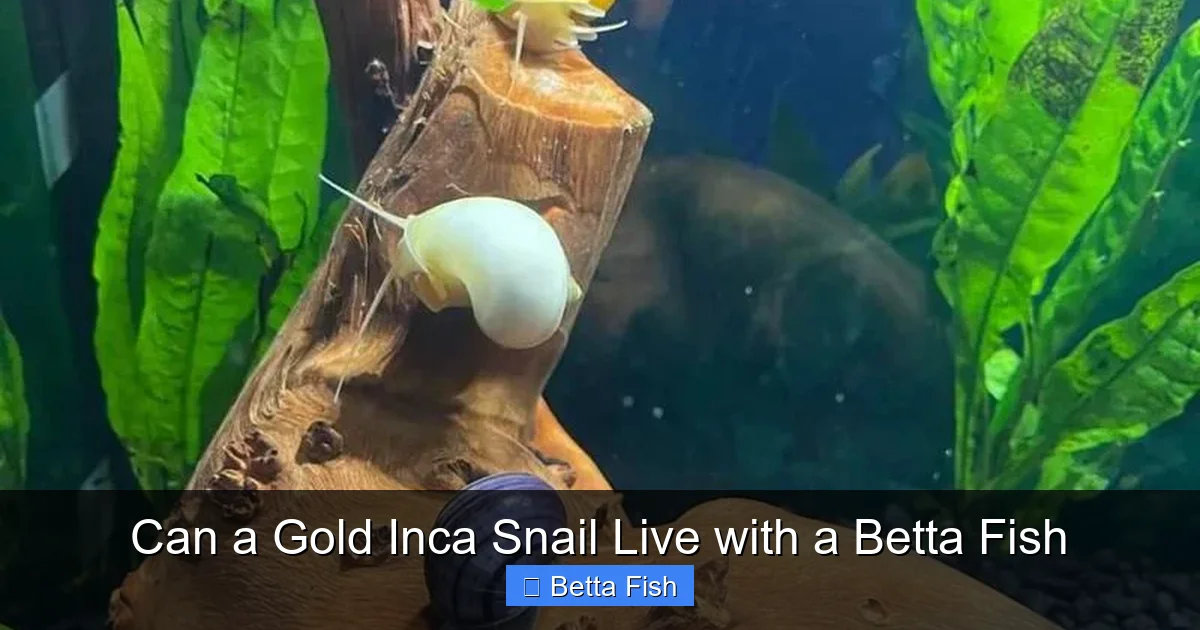
Gold inca snails (Pomacea maculata “Gold”) are a larger, attractive variety of apple snail. They grow up to 2‑3 inches (5‑7 cm) and display a bright, golden‑amber shell with subtle brown spots. Their main traits include:
Visual guide about Can a Gold Inca Snail Live with a Betta Fish
Image source: edelalon.com
- Peaceful nature: They never chase other tank mates.
- Algae munchers: They love to graze on soft algae, helping to keep the glass clear.
- Reproductive power: In warm water they can lay dozens of eggs, so be prepared for a growing snail population.
Basic care requirements
Gold inca snails need a well‑cycled aquarium with stable parameters. Key points:
- Temperature: 75‑82 °F (24‑28 °C).
- pH: 6.5‑7.5.
- Hardness: Moderately hard water (120‑180 ppm).
- Substrate: Fine sand or smooth gravel works best; avoid sharp décor that could damage their foot.
Betta Fish Basics
Temperament and territory
Betta fish (Betta splendens) are known for their territorial streak, especially males. A single male betta will often defend his “bubble nest” area. However, not all bettas are aggressive; many display calm behavior when given enough space and hiding spots.
Visual guide about Can a Gold Inca Snail Live with a Betta Fish
Image source: ouraquariumlife.com
Ideal tank conditions for bettas
To answer “can a gold inca snail live with a betta fish,” you must first meet the betta’s needs:
- Temperature: 76‑80 °F (24‑27 °C) – matches the snail’s range.
- Water flow: Gentle; avoid strong currents.
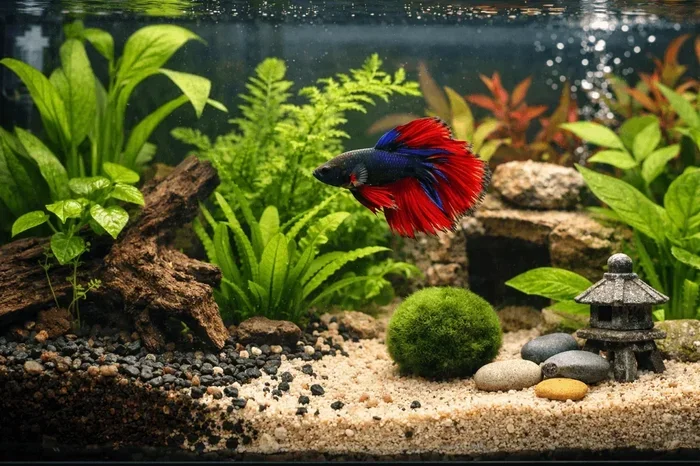
- Plants & décor: Live plants, silk plants, and caves give the betta places to rest.
Assessing Compatibility
Do gold inca snails and bettas get along?
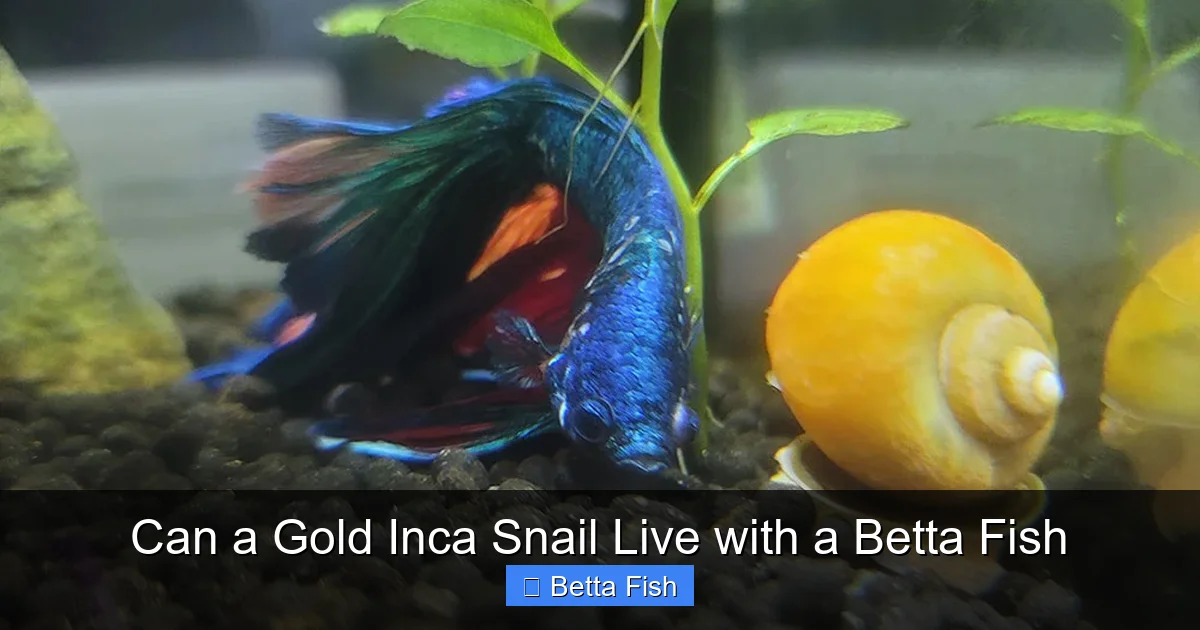
In most cases, the answer is yes. Gold inca snails are too large for a betta to view as prey, and they move slowly enough to avoid provoking a chase. The betta may investigate the snail out of curiosity, but aggression is rare if the tank is properly set up.
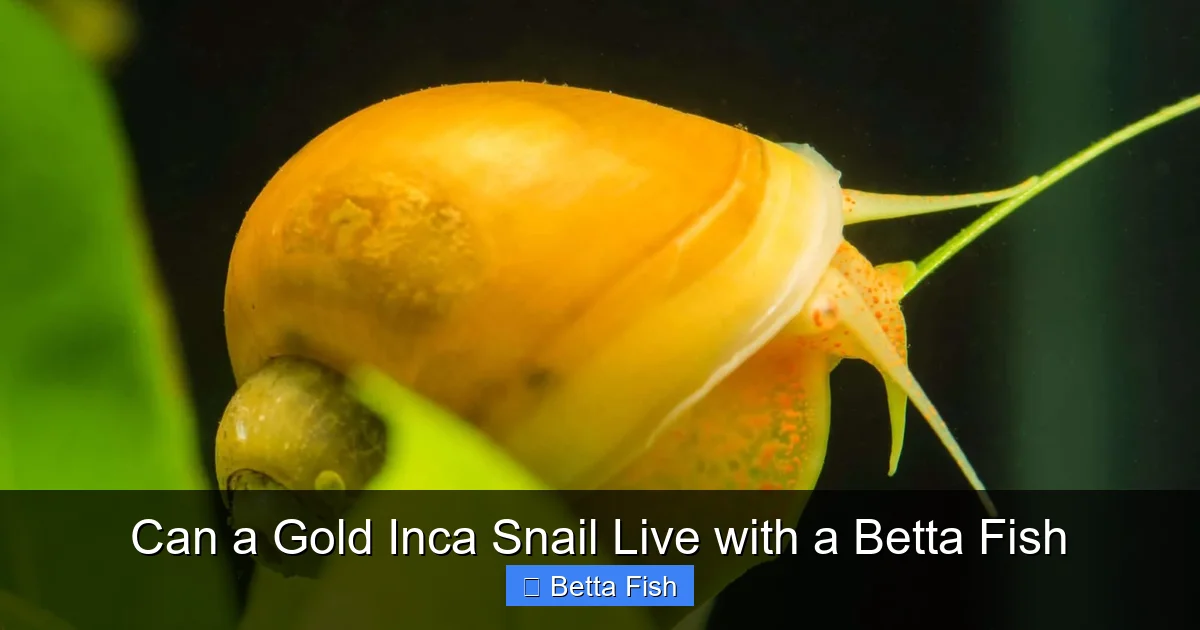
Visual guide about Can a Gold Inca Snail Live with a Betta Fish
Image source: aquariumwhisperer.com
When problems can arise
Even peaceful species can clash under certain conditions:
- Overcrowding: A tiny 2‑gallon tank forces the betta to view the snail as a territorial intruder.
- High aggression betta: Some males have a strong predatory instinct and may nip at a snail’s antennae.
- Poor water quality: Stress from ammonia spikes can make a betta more irritable.
Choosing the right betta
If you’re unsure, look for a betta that has shown calm behavior during a store observation. Choose a male that is not constantly flaring at its reflection or other fish. Females are generally less aggressive, but they can be more social and may do well with snails too.
Setting Up the Tank for Success
Tank size and layout
A minimum of 5 gallons (19 L) gives enough room for a betta and a gold inca snail to coexist without feeling cramped. Arrange décor to create distinct zones:
- Snail zone: A cluster of live plants (e.g., Java fern, Anubias) and a piece of driftwood with crevices.
- Betta zone: A floating leaf or a small cave for bubble‑nest building.
Filtration and water movement
Use a low‑flow sponge filter or a hang‑on‑back filter set to a gentle setting. This keeps the water clean for both species while preventing the snail from being swept into the filter intake.
Substrate and décor
Fine sand works well for both. Add smooth stones or polished ceramic caves. Avoid sharp ornaments that could injure the snail’s soft foot.
Live plants and algae control
Live plants not only provide hiding places but also help absorb nitrates. Gold inca snails will nibble on soft algae that grows on leaves, reducing the need for extra cleaning.
Feeding Both Residents
Separate feeding strategies
Betta pellets or frozen foods should be given once or twice a day. Place the food near the betta’s preferred spot, then remove any leftovers after a few minutes to keep water quality high.
Gold inca snails thrive on algae wafers, blanched zucchini, spinach, or lettuce. Offer a small piece of vegetable once daily; the snail will graze at its leisure.
Preventing over‑feeding
Over‑feeding can cloud the water and trigger aggression in bettas. Use a feeding cup to measure portions and stick to a schedule.
Monitoring Health and Behavior
Signs of stress in bettas
Watch for constant flaring, loss of color, or erratic swimming. If you notice these signs after introducing a snail, give the betta a few days to adjust or consider a larger tank.
Snail health checklist
- Active movement and grazing.
- Intact shell without cracks.
- Clear, un‑clouded eyes.
What to do if aggression occurs
If the betta repeatedly attacks the snail, be ready to separate them. A simple solution is a divided tank using a clear acrylic barrier, allowing visual contact without physical interaction.
Maintenance Routine
Weekly water changes
Replace 20‑30 % of the tank water each week with dechlorinated water matching the tank’s temperature. This keeps ammonia and nitrite levels low, protecting both the betta and the snail.
Cleaning the substrate
Use a gravel vacuum gently to remove uneaten food and waste. Avoid disturbing the snail’s egg clutches if you wish to keep the snail population.
Algae management
Gold inca snails are natural algae eaters, but a light algae growth is normal. If you see excessive algae, reduce lighting duration and consider adding a small number of nerite snails for additional grazing.
Frequently Asked Questions
Will a gold inca snail eat my betta’s food?
Snails may nibble at leftover pellets, but they won’t deplete the betta’s supply if you feed the betta first and remove excess.
How many gold inca snails can I keep with one betta?
One or two snails are ideal for a 5‑gallon tank. More snails can quickly overpopulate and increase bioload.
Do gold inca snails lay eggs above the water?
Yes, they lay egg clutches on the tank’s glass or décor. The eggs are safe from the betta, but you may need to remove them to control numbers.
Can I keep other snails with a betta?
Yes. For more options, read our article on Can You Have A Snail With A Betta Fish for a full list of compatible snail species.
Is it okay to keep a betta with a goldfish?
Generally not recommended due to temperature and space differences. See Can A Betta Fish Live With Goldfish for details.
What other fish can I add to a betta tank?
Peaceful, small community fish like neon tetras or harlequin rasboras can work in larger tanks. Learn more at What Fish Can Live With A Betta.
Conclusion: Making the Pair Thrive
Answering the core question—can a gold inca snail live with a betta fish—the answer is a confident yes, as long as you respect the needs of both creatures. Provide a spacious, well‑filtered tank, keep water parameters stable, and offer plenty of hiding places. Feed each species appropriately, monitor their interactions, and be ready to adjust if aggression appears.
When done right, the gold inca snail becomes a silent cleaning partner, while the betta enjoys a lively, colorful companion. With the right setup, you’ll have a thriving mini‑ecosystem that’s as beautiful as it is low‑maintenance. Happy fish‑keeping!
Frequently Asked Questions
Can a gold inca snail survive in a betta’s warm water?
Yes. Gold inca snails thrive in temperatures of 75‑82 °F, which overlaps perfectly with the betta’s preferred range.
Do gold inca snails reproduce quickly?
They can lay dozens of eggs in warm water, so if you don’t want a snail boom, remove egg clutches promptly.
Will the betta try to eat the snail?
Usually not, as the snail’s size and hard shell deter most bettas. However, very aggressive bettas might nip at the antennae.
How often should I feed the snail?
Offer a small piece of blanched vegetable or algae wafer once a day; the snail will graze as needed.
Can I keep multiple snails with one betta?
Yes, but limit it to two or three in a 5‑gallon tank to avoid over‑loading the filter and to keep water quality high.
What should I do if the betta shows stress?
Increase hiding places, reduce feeding frequency, and consider a larger tank or a divider to give both animals space.