Can a Betta Fish Peck Ypur Finger
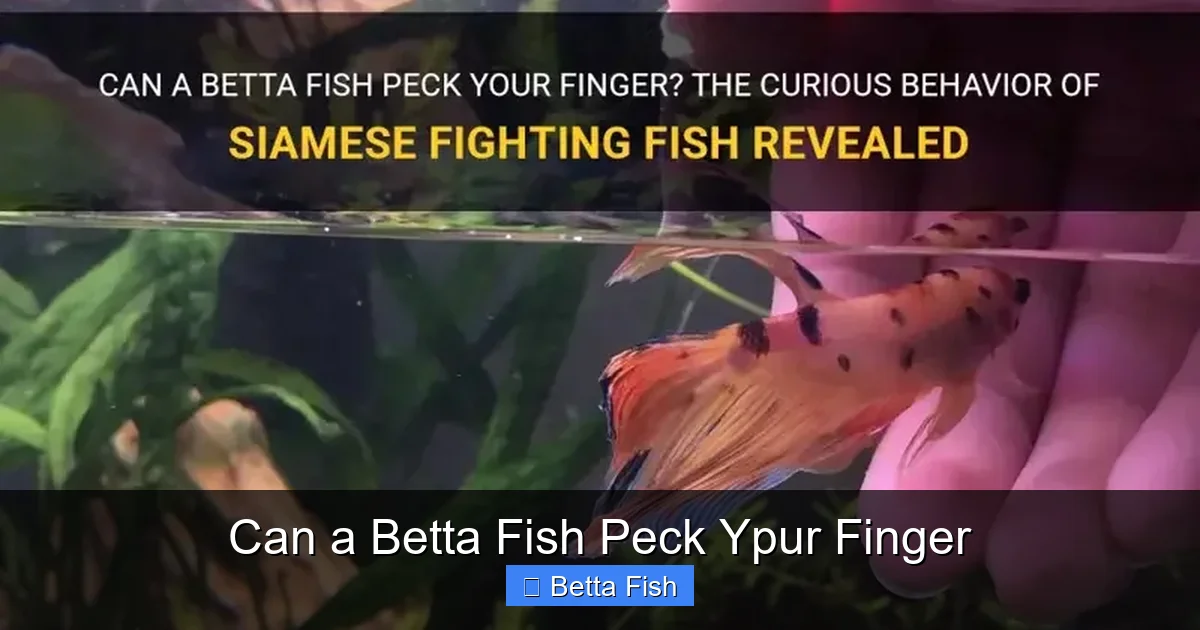
Betta fish can sometimes peck or nip at your finger, especially if they feel threatened or are curious. Understanding their behavior, recognizing warning signs, and using gentle handling techniques will keep both you and your finned friend happy.
Key Takeaways
- Betta nipping is normal: A quick nip is a natural response, not aggression.
- Stress triggers pecking: Poor water quality, cramped space, or sudden movements can provoke a bite.
- Proper handling prevents bites: Use a soft net, support the body, and move slowly.
- Observe body language: Flaring fins, raised gill covers, and rapid tail beats warn of a potential nip.
- Tank setup matters: A well‑cycled, appropriately sized tank reduces stress and nipping.
- Training helps: Gentle conditioning can teach bettas to tolerate light finger contact.
- Seek help if bites persist: Persistent aggression may signal illness or a need for a larger environment.
📑 Table of Contents
- Introduction: Why the Question Matters
- 1. The Natural Behavior Behind the Peck
- 2. When Does a Betta Choose to Peck?
- 3. Reading the Betta’s Body Language
- 4. Safe Handling Techniques to Prevent Nipping
- 5. Creating a Stress‑Free Environment
- 6. Training Your Betta to Tolerate Gentle Touch
- Conclusion: A Friendly Betta is Within Reach
Introduction: Why the Question Matters
If you’ve ever reached into a betta’s tank and felt a tiny “peck” on your fingertip, you’re not alone. Many new owners wonder whether their vibrant Siamese fighting fish are trying to bite, test, or simply say hello. The answer isn’t a simple “yes” or “no.” Betta fish have a unique set of instincts that can lead to brief nips, especially when they feel threatened, curious, or overly excited.
Understanding why a betta might peck your finger helps you create a calmer environment, handle your fish safely, and enjoy the beautiful display of colors without the surprise sting. In this guide we’ll explore the science behind betta nipping, the warning signs to watch for, and practical tips to keep finger‑friendly interactions.
1. The Natural Behavior Behind the Peck
1.1. Betta Anatomy: A Mouth Made for Small Bites
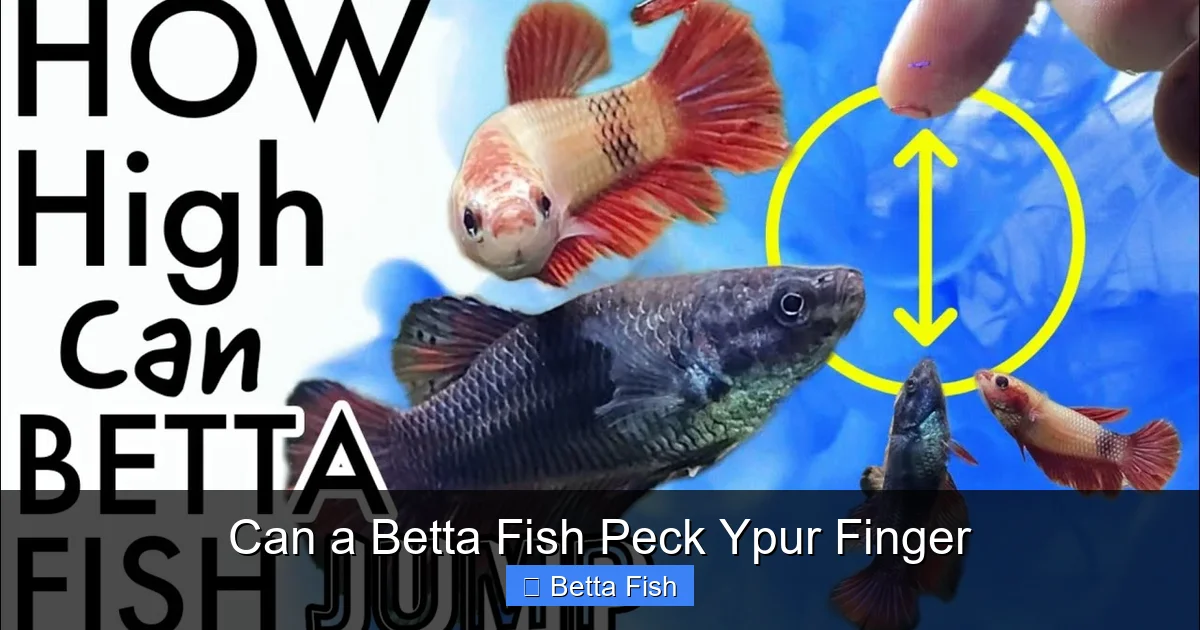
Betta fish have small, protruding mouths designed for picking up tiny prey like mosquito larvae and daphnia. While they lack the powerful jaws of larger predatory fish, they can still deliver a quick, sharp bite—often described as a “peck.” This bite is usually harmless to human skin but can feel startling.
Visual guide about Can a Betta Fish Peck Ypur Finger
Image source: i.ytimg.com
1.2. Territorial Instincts
In the wild, bettas defend small puddles of water from rivals. This territorial nature translates to the home aquarium. When a finger enters what the fish perceives as its domain, the instinct to defend can trigger a nip.
1.3. Curiosity and Playful Nipping
Betas are intelligent and inquisitive. Some owners report that their fish will “tap” a finger with their mouth as a form of exploration. This is usually a gentle peck rather than an aggressive bite.
2. When Does a Betta Choose to Peck?
2.1. Stress Triggers
Stress is the biggest culprit. Poor water parameters, sudden temperature changes, or a cramped tank can leave a betta on edge. A stressed betta is more likely to nip at anything that moves.
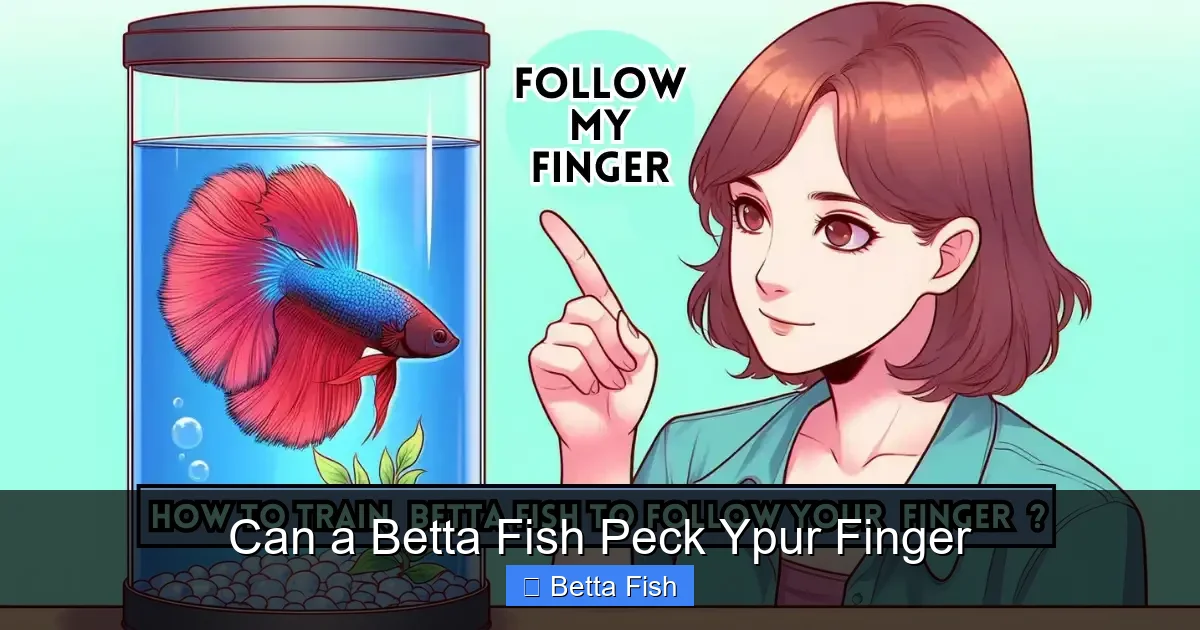
Visual guide about Can a Betta Fish Peck Ypur Finger
Image source: angryfishes.com
2.2. Over‑Stimulation
Bright lights, loud noises, or frequent tapping on the glass can overstimulate a betta. In these moments, a quick peck may be a way to “reset” the fish’s focus.
2.3. Feeding Time
During feeding, bettas become highly active. If you’re holding a finger near the surface while they dart for food, they might mistake the finger for a moving target and give a light bite.
3. Reading the Betta’s Body Language
3.1. The Warning Signs
- Flaring fins: The fish spreads its dorsal and caudal fins to look larger.
- Gilled cover (opercula) raised: A sign of agitation.
- Rapid tail beats: Indicates excitement or irritation.
- Darkening of colors: Some bettas darken when they feel threatened.
If you notice any of these signals, pause your interaction and give the fish a few minutes to settle.
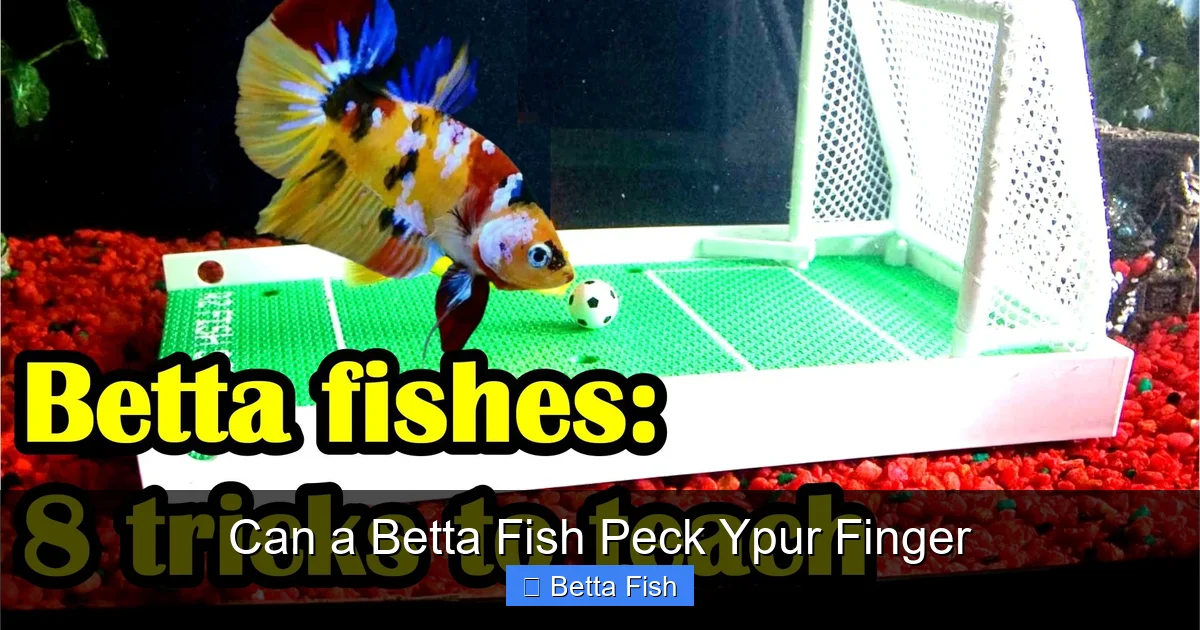
Visual guide about Can a Betta Fish Peck Ypur Finger
Image source: tamilaquadiary.com
3.2. Calm Indicators
A relaxed betta will have gently flowing fins, steady swimming, and vibrant colors. These are the moments when gentle finger contact is safest.
4. Safe Handling Techniques to Prevent Nipping
4.1. Use a Soft Net or Cup
Instead of thrusting a finger into the water, gently scoop the fish with a soft, fine‑mesh net or a clean cup. This reduces the chance of the betta feeling threatened.
4.2. Approach Slowly
Move your hand slowly and keep it parallel to the glass. Sudden movements can startle the fish and provoke a bite.
4.3. Support the Body
When you need to hold the betta (for health checks or tank cleaning), support its body from underneath. Avoid squeezing the tail or pressing on the head.
4.4. Limit Finger Contact
Use a finger only for brief, gentle nudges when the fish is clearly relaxed. Frequent handling can increase stress over time.
5. Creating a Stress‑Free Environment
5.1. Proper Tank Size and Setup
Although bettas can survive in small bowls, a 5‑gallon (or larger) tank with a lid is ideal. More swimming space reduces territorial aggression and lowers the chance of nipping.
For more on tank choices, see our guide on Can You Keep Betta Fish In A Bowl.
5.2. Water Quality
Maintain a temperature of 76‑82°F (24‑28°C), a pH of 6.5‑7.5, and perform regular water changes (20‑30% weekly). Clean water keeps the fish calm and less prone to defensive bites.
5.3. Enrichment and Hiding Places
Provide plants, caves, and driftwood. These give the betta places to retreat, reducing stress‑induced pecking.
5.4. Consistent Feeding Schedule
Feed high‑quality betta pellets or frozen foods twice a day. A well‑fed fish is less likely to become overly aggressive during feeding time.
6. Training Your Betta to Tolerate Gentle Touch
6.1. Start with Visual Interaction
Spend a few minutes each day simply watching your betta from the outside of the tank. Let it get used to your presence.
6.2. Introduce a Finger Lightly
After a week of observation, place a clean finger just above the water surface. If the fish flares, withdraw slowly. Repeat daily, gradually moving the finger closer.
6.3. Reward Calm Behavior
When the betta remains relaxed, offer a small treat (a tiny pellet). Positive reinforcement helps associate your finger with something pleasant.
6.4. Know When to Stop
If the betta continues to nip despite training, it may be a sign of underlying health issues or a personality that prefers minimal contact. Respect its boundaries.
Conclusion: A Friendly Betta is Within Reach
Betta fish can indeed peck your finger, but the behavior is usually a brief, defensive response rather than a sign of hostility. By recognizing stress triggers, reading body language, and providing a spacious, well‑maintained tank, you can dramatically reduce the chances of an unexpected nip. Gentle handling, consistent routines, and occasional positive training will help you build a trusting relationship with your finned companion. Remember, each betta has its own personality—some love a light touch, while others prefer to stay out of reach. Respect their preferences, and you’ll enjoy countless colorful displays without the surprise peck.
Frequently Asked Questions
Can a betta fish really bite a human?
Yes, bettas can give a quick bite, often called a “peck.” It’s usually harmless but can feel startling.
Why does my betta nip when I touch the glass?
The fish may see the finger as a threat to its territory. Stress, bright lights, or sudden movements can amplify this response.
How can I stop my betta from pecking my finger?
Improve water quality, give the fish more space, handle it slowly, and watch for warning signs like flared fins before touching.
Is it safe to use my finger to move a betta during tank cleaning?
It’s better to use a soft net or cup. Direct finger contact can stress the fish and increase the chance of a nip.
Do all bettas nip, or are some more gentle?
Individual temperament varies. Some bettas are very tolerant of gentle touch, while others prefer minimal interaction.
Can I train my betta to enjoy finger contact?
Yes, with patience. Start with slow, brief introductions and reward calm behavior with a tiny treat. Respect the fish’s limits if it remains uneasy.