Betta fish can share a tank with certain sea snails, but success depends on tank size, snail species, and careful monitoring. Understanding their natural behaviors and providing plenty of hiding spots helps prevent stress and keeps both pets thriving.
Key Takeaways
- Compatibility varies: Not all sea snails are safe companions for bettas; choose peaceful, small‑shelled species.
- Tank size matters: A minimum of 5‑10 gallons gives enough space for both the betta and a snail.
- Water parameters must match: Keep temperature, pH, and hardness within the betta’s preferred range (76‑82°F, pH 6.5‑7.5).
- Provide plenty of hiding spots: Live plants, driftwood, and caves reduce stress and territorial disputes.
- Watch for aggression: Monitor the betta for fin‑nipping or shell‑bumping during the first weeks.
- Snail benefits: Snails help control algae, clean uneaten food, and add visual interest.
- Regular maintenance is key: Clean the substrate and check water quality to keep both inhabitants healthy.
📑 Table of Contents
- Introduction: When Betta Meets Snail
- 1. Understanding Betta Behavior
- 2. Meet the Sea Snail Candidates
- 3. Setting Up the Ideal Tank
- 4. Introducing the Snail to Your Betta
- 5. Ongoing Care and Maintenance
- 6. Common Questions and Troubleshooting
- Conclusion: A Balanced Community Is Possible
- Related Reading
Introduction: When Betta Meets Snail
If you’ve ever wondered whether a betta fish can live with a sea snail, you’re not alone. Many hobbyists love the idea of a colorful betta swimming alongside a slow‑moving, algae‑eating snail. The visual contrast is appealing, and the snail can help keep the tank cleaner. However, success isn’t guaranteed. Betta fish are known for their territorial nature, while sea snails have very different needs.
In this guide we’ll explore the science behind betta‑snail compatibility, walk through the best tank setups, and give you practical tips to create a harmonious community. By the end, you’ll know exactly which snails are safe, how to prepare the aquarium, and what red flags to watch for.
1. Understanding Betta Behavior
Territorial instincts
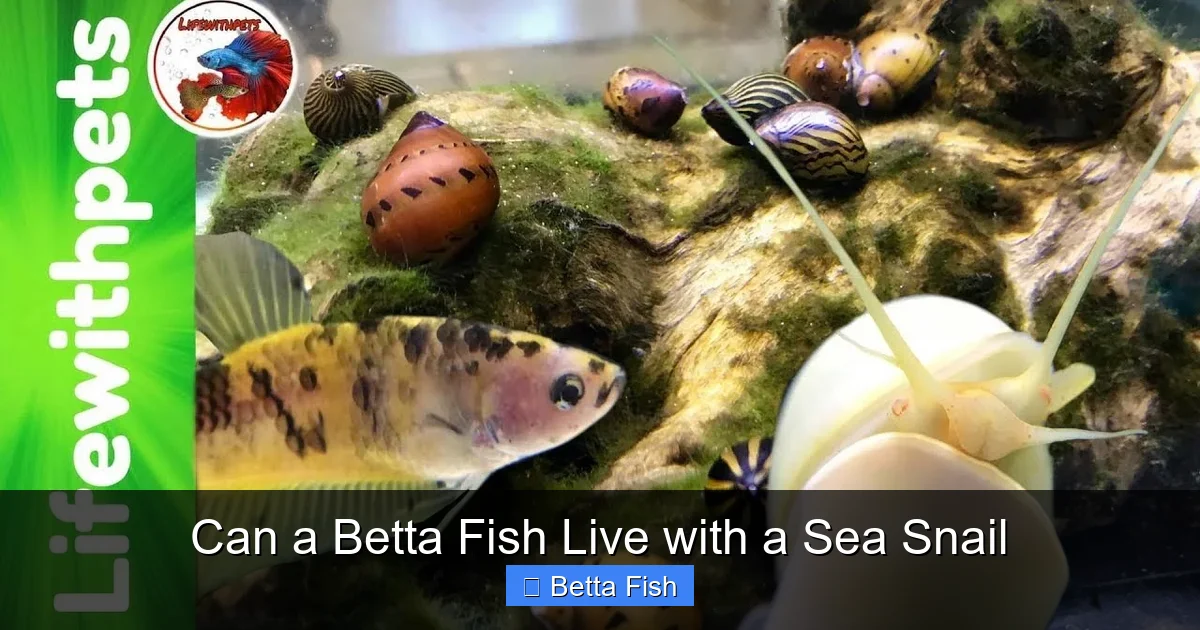
Betta splendens (the Siamese fighting fish) evolved in shallow, slow‑moving waters where each male defended a small territory. In a tank, this translates to strong reactions to anything that moves near their space, especially other fish with bright colors or long fins.
Visual guide about Can a Betta Fish Live with a Sea Snail
Image source: i.ytimg.com
Peaceful moments
Despite their reputation, bettas can be surprisingly calm when they feel secure. Providing plenty of visual barriers, such as plants or ornaments, can reduce the need to constantly patrol the water.
Impact on snails
A betta may view a snail’s slow crawl as a curiosity or a threat. Some bettas ignore snails entirely; others will nip at the soft foot of a snail, potentially causing injury.
2. Meet the Sea Snail Candidates
Popular freshwater “sea” snails
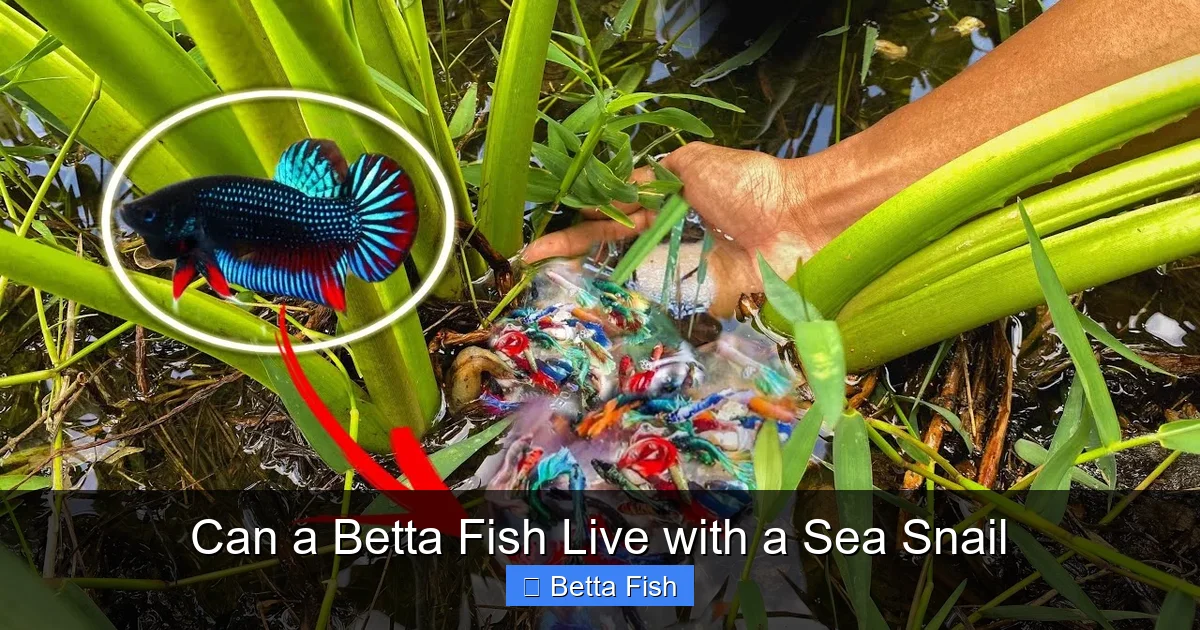
While true marine snails cannot survive in a betta’s freshwater tank, several freshwater species are often called “sea snails” because of their bright shells. The most common choices are:
Visual guide about Can a Betta Fish Live with a Sea Snail
Image source: i.ytimg.com
- Apple Snail (Pomacea spp.): Grows up to 2 inches, eats plant matter and algae.
- Assassin Snail (Clea helena): Small, predatory on pest snails—generally safe with bettas.
- Ramshorn Snail (Planorbidae family): Tiny, easy to care for, and rarely triggers betta aggression.
Why not marine snails?
Marine snails need saltwater, higher specific gravity, and different temperature ranges. Placing them in a freshwater betta tank leads to rapid death. Stick to freshwater varieties for a successful coexistence.
3. Setting Up the Ideal Tank
Size and shape
A 5‑10 gallon (19‑38 L) tank is the minimum for a betta and one snail. Larger tanks provide extra swimming room, which reduces territorial disputes. A tall, narrow tank is less ideal because bettas like to explore the surface.
Water parameters
Match the betta’s preferred range:
- Temperature: 76‑82°F (24‑28°C)
- pH: 6.5‑7.5
- Hardness: 3‑10 dGH
Most freshwater snails thrive in the same range, but keep an eye on calcium levels; snails need calcium to build shells.
Decor and hiding places
Live plants (Java fern, Anubias, or Marimo moss balls) give both species places to rest. Driftwood, cork bark, and smooth rocks create tunnels and shadows where a snail can retreat if the betta gets curious.
Filtration and flow
A gentle sponge filter provides biological filtration without creating strong currents that can stress a betta or wash away snail eggs.
4. Introducing the Snail to Your Betta
Acclimation steps
1. Float the sealed bag containing the snail in the betta’s tank for 15‑20 minutes to equalize temperature.
2. Slowly add small amounts of tank water to the bag every 5 minutes for another 15 minutes.
3. Gently release the snail onto a plant leaf or a piece of driftwood, not directly into the open water.
First‑week observations
Watch for these signs:
- Betta flaring or chasing the snail – may need more hiding spots.
- Snail retraction into its shell – normal stress response, but prolonged hiding suggests incompatibility.
- Any damage to the snail’s foot or shell – remove the betta immediately if this occurs.
When to intervene
If aggression persists after a week, consider moving the snail to a separate quarantine tank or choosing a different snail species. Some bettas simply aren’t compatible with any snail.
5. Ongoing Care and Maintenance
Feeding both pets
Betta fish thrive on high‑protein pellets or frozen foods. Snails prefer algae, blanched vegetables (zucchini, spinach), and occasional calcium supplements. Feed the betta first, then add veggie pieces for the snail later in the day.
Cleaning routine
Perform a 25‑30 % water change weekly. Use a fine mesh net to remove excess food and snail waste. A clean substrate prevents ammonia spikes that can stress both animals.
Monitoring health
Healthy bettas have bright colors, smooth fins, and active swimming. Snails should have intact shells and a steady, slow crawl. Any discoloration, lethargy, or shell erosion warrants a water test and possible treatment.
6. Common Questions and Troubleshooting
Will the snail eat my betta’s food?
Snails often eat leftover pellets, which helps keep the tank clean. They won’t compete directly for the same portion if you feed the betta first.
Can I keep more than one snail?
Yes, as long as the tank size allows and the betta remains calm. Multiple snails can help control algae faster.
What if my betta attacks the snail?
Increase hiding spots, lower the water level slightly (betta prefers surface), or try a different snail species. In severe cases, separate them permanently.
Conclusion: A Balanced Community Is Possible
So, can a betta fish live with a sea snail? The answer is yes—if you choose the right snail, provide ample space, and monitor interactions closely. By matching water parameters, offering plenty of décor, and staying vigilant during the first weeks, you can enjoy the vibrant colors of a betta alongside the gentle glide of a helpful snail.
Remember, every betta has its own personality. Some will happily share a tank, while others prefer solitude. Use the tips in this guide, experiment responsibly, and you’ll discover the perfect setup for both your fish and your snail.
Related Reading
For more insights on community tanks, check out Can You Have A Snail With A Betta Fish, learn which fish can safely cohabit with a male betta at What Fish Can Live With A Male Betta, and explore broader compatibility options in Can A Betta Fish Live With Other Fish.
Frequently Asked Questions
Is it safe to keep an apple snail with a betta?
Apple snails are generally safe if the betta is not overly aggressive. Provide plenty of plants and monitor for any fin‑nipping during the first few days.
Do sea snails need saltwater?
True sea snails require saltwater, but the freshwater “apple” and “ramshorn” snails often called sea snails thrive in the same water as bettas.
How long do bettas and snails live together?
With proper care, both can live 2‑3 years together. Regular water changes and health checks extend their lifespan.
Can a betta eat a snail?
Betas rarely eat snails, but they may bite a snail’s foot out of curiosity. This usually does not kill the snail unless the bite is severe.
What plants are best for a betta‑snail tank?
Java fern, Anubias, and Marimo moss balls are excellent because they grow slowly, provide cover, and do not require high light.
Do I need a heater for a snail?
Snails prefer the same temperature as bettas (76‑82°F). A reliable aquarium heater keeps the water stable for both.

