Betta fish can thrive in a community tank—but only under the right conditions. Choosing peaceful tank mates, providing plenty of space, and maintaining proper water parameters are key. Follow these guidelines to enjoy a vibrant, stress‑free mixed aquarium.
Key Takeaways
- Temperament matters: Male bettas are territorial and may fight, while females are generally more tolerant.
- Tank size is critical: A minimum of 20 gallons gives enough room for a betta and compatible species.
- Water conditions: Keep the temperature between 76‑82 °F and maintain stable pH (6.5‑7.5).
- Choose peaceful tank mates: Small, non‑fin‑nipping fish such as neon tetras, rasboras, and certain catfish are safe bets.
- Provide plenty of cover: Plants, driftwood, and caves reduce stress and give the betta hiding spots.
- Monitor behavior daily: Early signs of aggression can be corrected before they become serious.
- Regular maintenance: Weekly water changes and a reliable filter keep the community healthy.
📑 Table of Contents
Introduction: The Betta’s Reputation and the Community Question
When you first see a betta fish, its bright colors and flowing fins make it look like a little underwater superhero. For years, hobbyists have called it the “Siamese fighting fish” because male bettas love to flare their gills and challenge each other. That reputation leads many to wonder: Can a betta fish live in a community tank? The short answer is yes—if you set the stage correctly.
In this guide we’ll walk through everything you need to know, from the science behind betta behavior to the exact tank mates that get along. We’ll also share practical tips for setting up a community aquarium, troubleshooting common problems, and keeping the water perfect for all its residents. By the end, you’ll feel confident creating a peaceful, colorful tank where your betta can shine alongside friends.
Understanding Betta Behavior
Male vs. Female Temperaments
Male bettas are famously aggressive toward other males. Their instinct to protect a territory can turn a peaceful tank into a battlefield within minutes. Female bettas, on the other hand, are usually less territorial and can coexist with each other in a “sorority” tank if the group is large enough (at least 5–6 females) and the tank is spacious.
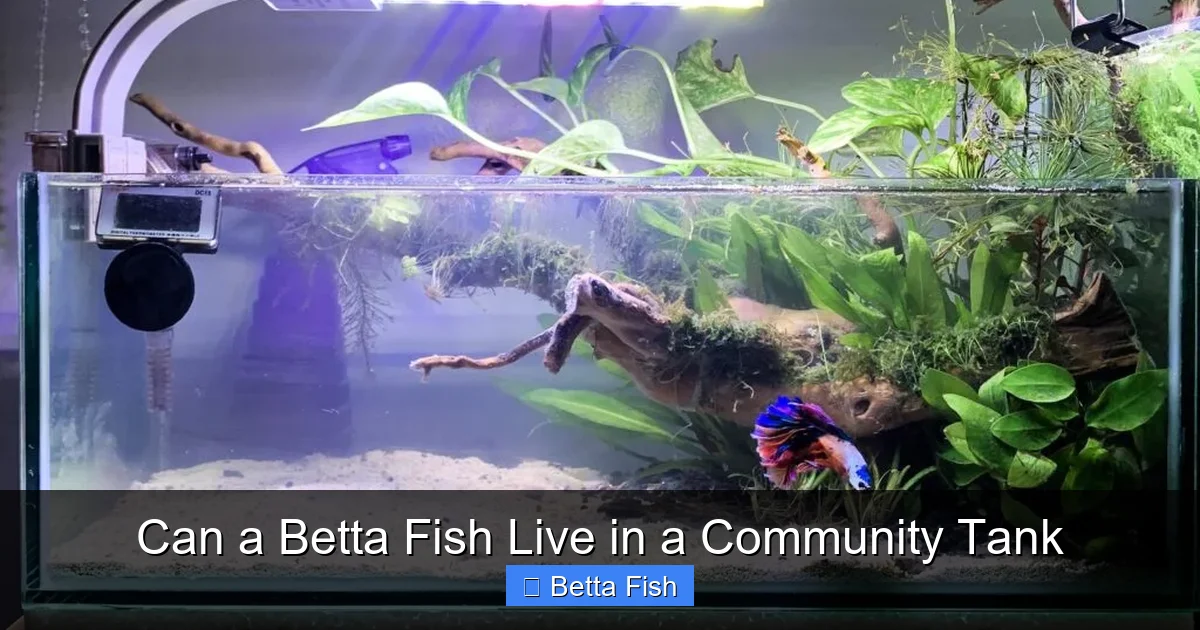
Visual guide about Can a Betta Fish Live in a Community Tank
Image source: aquariumia.com
Why Aggression Happens
In the wild, bettas live in shallow rice paddies where space is limited. When two males meet, they flare and fight to claim the best hiding spots. In a home aquarium, a lack of visual barriers and a small volume of water amplify these instincts. Providing plenty of plants, caves, and a larger water column helps the fish establish personal zones and reduces the urge to fight.
Reading Betta Body Language
Watch for the following signals:
- Flared fins and gill covers: Immediate sign of stress or aggression.
- Rapid, erratic swimming: May indicate a new tank mate is being perceived as a threat.
- Color fading: A stressed betta often loses its vivid hue.
Early detection lets you act before injuries occur.
Setting Up the Perfect Community Tank
Choosing the Right Tank Size
While a single betta can survive in a 2‑gallon bowl, a community setup demands at least 20 gallons (75 liters). This volume provides enough swimming space for all inhabitants and dilutes waste, keeping ammonia spikes low.
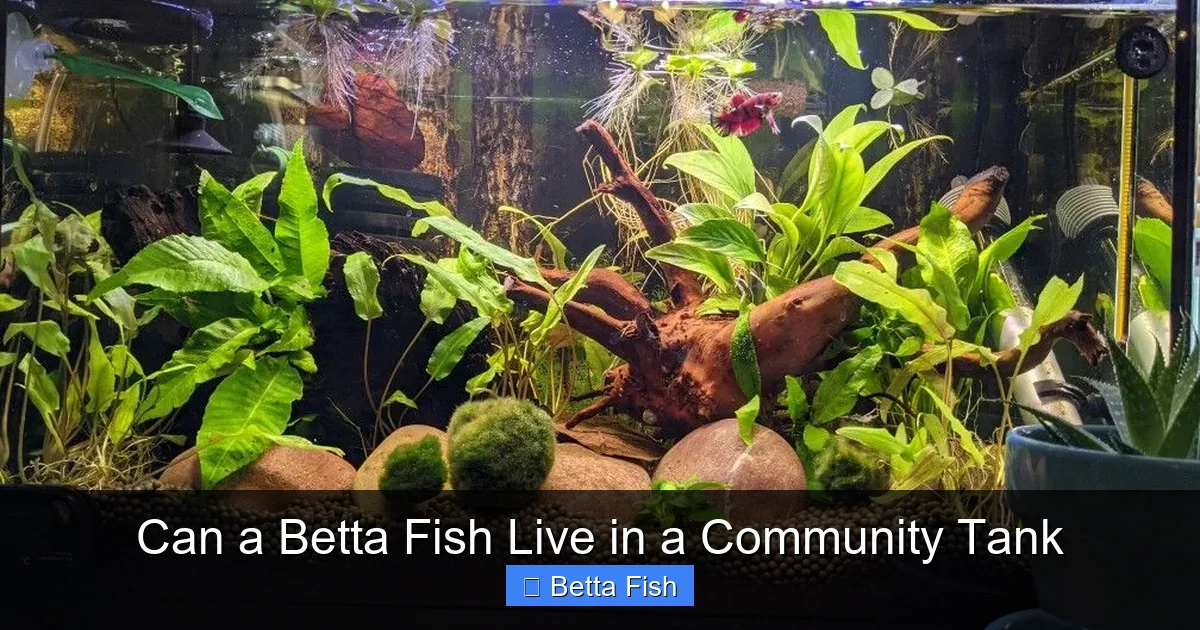
Visual guide about Can a Betta Fish Live in a Community Tank
Image source: i.pinimg.com
Filtration and Water Flow
A gentle filter is essential. Betta fish prefer calm water, so use a sponge filter or a low‑flow hang‑on‑back unit. The filter not only cleans the water but also creates a subtle current that mimics natural habitats. For more tips on tank setup, see our article on What Can Go In A Tank With A Betta Fish.
Temperature and pH
Betas are tropical; keep the water between 76‑82 °F (24‑28 °C). A reliable heater is a must, especially in cooler climates. Aim for a stable pH of 6.5‑7.5. Test the water weekly and perform 25‑30% water changes to maintain stability.
Lighting and Plants
Soft, indirect lighting works best. Live plants such as Java fern, Anubias, and floating moss not only look beautiful but also provide hiding spots. If live plants are not an option, silk or silk‑like artificial plants are safe alternatives that won’t snag delicate betta fins.
Choosing Compatible Tank Mates
General Rules for Compatibility
- Fish must be small enough not to be seen as food.
- They should have peaceful, non‑aggressive temperaments.
- They must not have long, flowing fins that could trigger a betta’s territorial instinct.
Top Species That Get Along With Betta Fish
- Neon Tetras: Their bright colors complement the betta, and they stay in the mid‑to‑upper water column.
- Harlequin Rasboras: Peaceful shoaling fish that keep to the middle of the tank.
- Corydoras Catfish: Bottom dwellers that are hardy and love to scavenge.
- Otocinclus Catfish: Small algae eaters that won’t bother the betta.
- Kuhli Loaches: Snake‑like bottom dwellers that hide in the substrate.
For a full list of safe companions, check out Which Fish Can Live With Betta Fish In A Tank.
Species to Avoid
- Fin‑nipping fish such as guppies, endlers, or barbs.
- Other male bettas unless you have a large, heavily planted tank and can monitor them closely.
- Large, aggressive cichlids or koi.
- Goldfish – their messier waste can quickly degrade water quality for a betta.
Can Snails Join the Party?
Yes! Mystery snails and nerite snails are excellent cleanup crew members and are generally ignored by bettas. They add movement and help control algae.
Introducing the Betta to the Community
Quarantine First
Before adding any new fish, quarantine them for at least two weeks. This prevents the spread of disease to your betta and other residents.
Acclimation Process
- Float the bag containing the new fish in the tank for 15‑20 minutes to match temperatures.
- Gradually add small amounts of tank water to the bag every 5 minutes for an hour.
- Gently net the new fish and release it into the tank, avoiding direct contact with the betta’s fins.
Monitoring the First 48 Hours
Watch for signs of stress: frantic swimming, loss of color, or hide‑and‑seek behavior. If aggression appears, be ready to move the betta or the newcomer to a separate tank.
Maintaining Harmony Over Time
Regular Water Changes
Change 25‑30% of the water weekly. Use a water conditioner to remove chlorine and chloramines. Consistent water quality keeps both betta and tank mates healthy.
Feeding Strategies
Feed the betta a high‑quality pellet or frozen bloodworm twice daily. Offer the community fish a varied diet of flake, micro‑pellets, and occasional live or frozen foods. Feed the betta at one end of the tank to prevent other fish from stealing its food.
Rearranging Decor
Every few weeks, move plants and rocks to create new territories. This reduces boredom and prevents any single fish from claiming the entire tank.
When Problems Arise
- Fin damage: Separate the aggressor immediately and consider a larger tank.
- Water cloudiness: Check filter performance and increase weekly water changes.
- Loss of color: Verify temperature stability and reduce stressors.
Conclusion: A Happy Betta and Happy Community
So, can a betta fish live in a community tank? Absolutely—provided you give it enough space, maintain stable water conditions, and choose peaceful companions. By understanding betta behavior, setting up a well‑filtered, planted environment, and monitoring interactions, you can create a thriving aquarium where your betta’s vibrant colors become a centerpiece rather than a warning sign.
Remember, the key is patience. Start with a small group of compatible fish, watch the dynamics, and adjust as needed. With the right approach, you’ll enjoy a lively, stress‑free community tank that showcases the beauty of the betta alongside its new friends.
Frequently Asked Questions
Can a male betta live with other fish?
Yes, a male betta can live with peaceful, non‑fin‑nipping fish if the tank is at least 20 gallons and has plenty of hiding spots.
Are female bettas better for community tanks?
Female bettas are generally more tolerant of other fish and can even be kept in a sorority tank, though you still need a large, well‑planted aquarium.
What is the minimum tank size for a betta community tank?
A minimum of 20 gallons is recommended to provide enough space for the betta and several small, compatible species.
Can I keep snails with my betta?
Yes, snails like mystery or nerite snails are safe and help control algae without bothering the betta.
How often should I change the water in a community tank with a betta?
Change 25‑30% of the water weekly, and test the water for ammonia, nitrite, and pH each week.
What signs show my betta is stressed in a community tank?
Look for faded colors, constant fin flaring, rapid swimming, or hiding all the time—these indicate stress and may require tank adjustments.

