Can a Betta Fish Live in a Bole
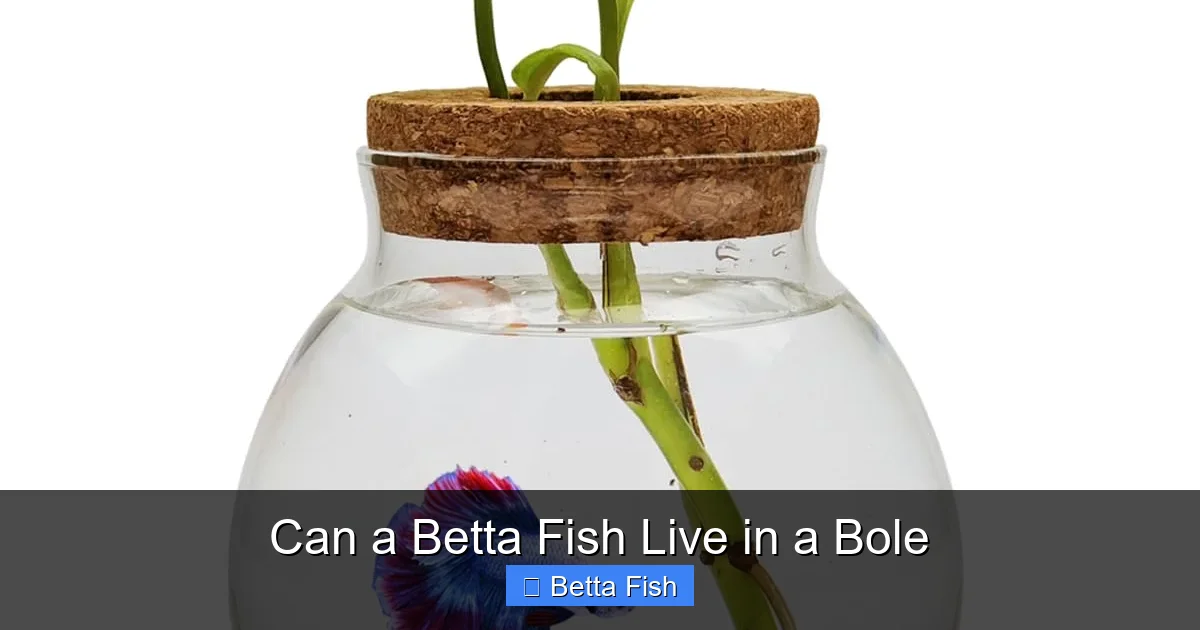
Curious if a betta can thrive in a simple bole? While a bole may look cute, it often lacks the conditions bettas need to stay healthy. This article breaks down the risks, shows how to improve a bole setup, and offers better options for long‑term betta care.
Key Takeaways
- Size matters: A bole is usually too small; aim for at least 2‑gal capacity.
- Water quality is critical: Without filtration, waste builds up fast, harming your betta.
- Temperature control: Betta fish need stable warm water (78‑80°F); a simple bole often lacks heating.
- Enrichment helps: Adding plants, hides, and gentle flow reduces stress.
- Better alternatives: Small acrylic tanks or proper betta bowls are safer choices.
- Regular maintenance: Weekly water changes of 25‑30% keep ammonia low.
- Watch for signs: Lethargy, faded colors, or frayed fins signal a problem.
📑 Table of Contents
- Introduction: The Appeal of the Bole
- Understanding Betta Biology
- What Is a Bole?
- Can a Betta Fish Live in a Bole? The Short Answer
- Why a Bole Fails as a Primary Home
- How to Modify a Bole for Short‑Term Use
- Better Alternatives to a Bole
- Choosing Tank Mates (If You Upgrade)
- Signs Your Betta Is Unhappy in a Bole
- Conclusion: Make an Informed Decision
Introduction: The Appeal of the Bole
When you first see a tiny wooden bole or a natural‑looking log filled with water, it feels like a perfect, rustic home for a betta fish. The idea of a “mini‑forest” aquarium is charming, and many beginners think a small, inexpensive container will do the trick. But bettas have specific needs that many simple boles can’t meet.
In this guide we answer the burning question, can a betta fish live in a bole, and we walk you through the science of betta care, the pitfalls of a bare‑bones setup, and practical ways to turn a bole into a safe, thriving habitat—or choose a better home altogether.
Understanding Betta Biology
Natural habitat
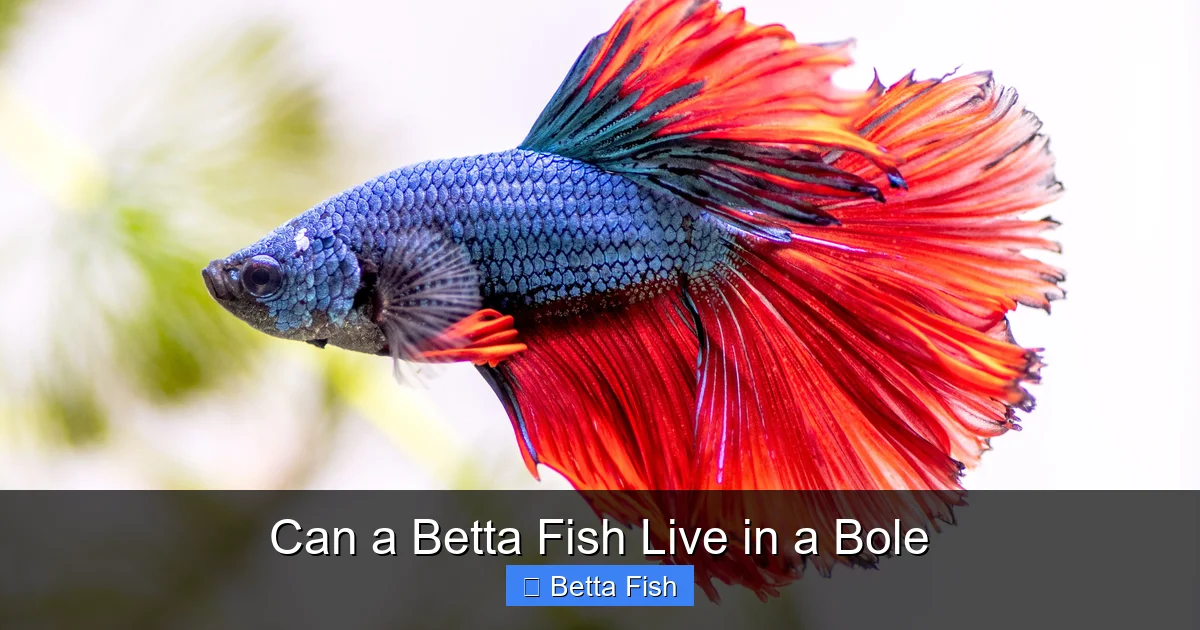
Betta splendens come from shallow, slow‑moving waters of Thailand’s rice paddies and jungle streams. Those environments are warm (78‑84°F), soft, and slightly acidic. They also contain plenty of surface film, floating plants, and hidden spots to rest.
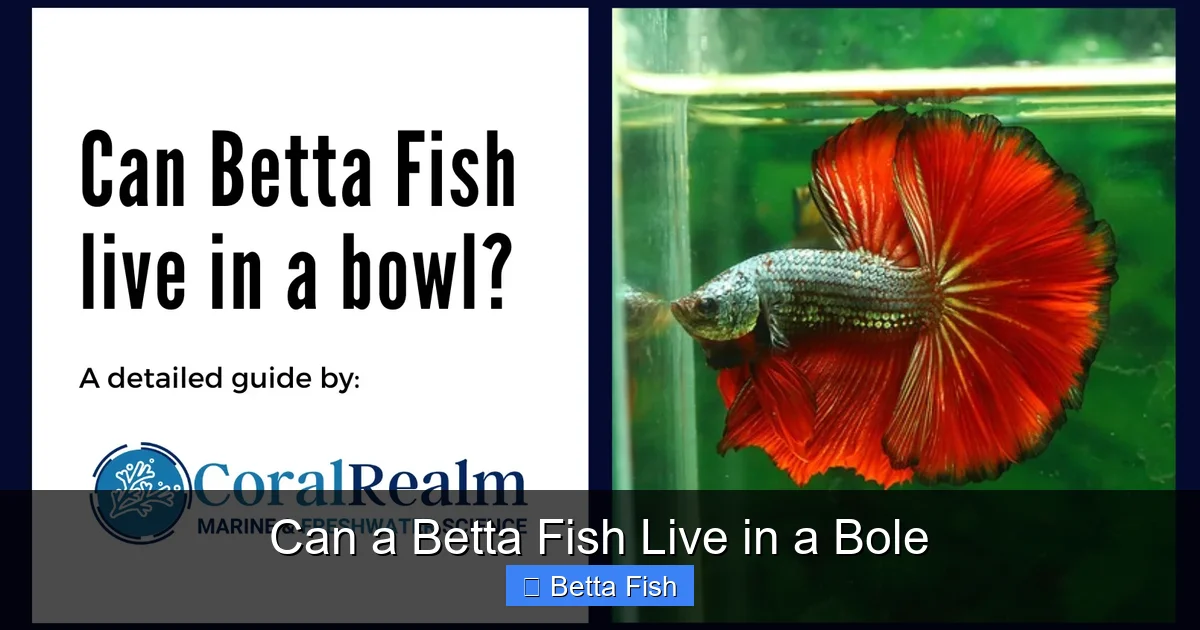
Visual guide about Can a Betta Fish Live in a Bole
Image source: coralrealm.com
Why temperature and water quality matter
Betta fish are tropical and cannot regulate their body temperature. If the water drops below 76°F, their metabolism slows, making them sluggish and susceptible to disease. Likewise, poor water quality—high ammonia or nitrite—can damage their delicate gills and cause fin rot.
What Is a Bole?
Definition and typical design
A “bole” is a term sometimes used for a small, cylindrical container—often a wooden log‑shaped vase or a glass tube—that mimics a natural hollow. They are marketed as “natural betta homes” and usually hold anywhere from 250 ml to 1 L of water.
Visual guide about Can a Betta Fish Live in a Bole
Image source: bettafishworld.com
Common materials
- Wood (often untreated, which can leach tannins)
- Glass or acrylic cylinders
- Plastic “log” shapes with a sealed lid
While the aesthetic is appealing, the design usually lacks filtration, heating, and enough swimming space.
Can a Betta Fish Live in a Bole? The Short Answer
The short answer is no, a standard bole does not provide the conditions a betta needs for long‑term health. However, with careful modifications—adding a heater, a gentle filter, and expanding the water volume—you can make a bole *temporary* or *decorative* rather than a primary habitat.
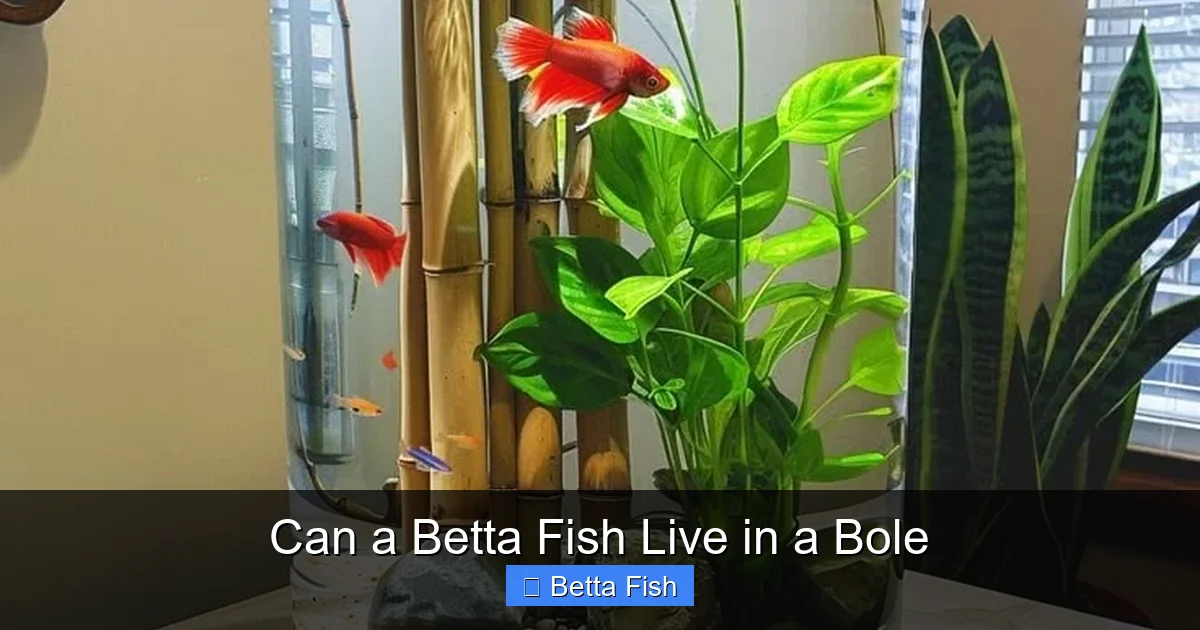
Visual guide about Can a Betta Fish Live in a Bole
Image source: i.pinimg.com
Why a Bole Fails as a Primary Home
Insufficient space
Betta fish love to explore the surface and need room to flare their fins. A 500 ml bole offers less than 2 inches of water depth, restricting movement and increasing stress.
No filtration
Without a filter, waste products accumulate quickly. Even a healthy betta produces about 0.5 ml of ammonia per day, which can become toxic in a small volume within 48 hours.
Temperature fluctuations
Wooden or glass boles sit on surfaces that can become cold at night. Without a heater, water temperature can swing 5‑10°F, shocking the fish.
Lack of hiding places
In the wild, bettas hide among plants and roots. A plain bole offers no cover, making the fish feel exposed and more aggressive.
How to Modify a Bole for Short‑Term Use
Step 1: Upgrade the size
If you already own a bole, consider attaching a small acrylic tank to increase volume to at least 2 gallons (7.5 L). This can be done with a clear acrylic sheet and silicone sealant.
Step 2: Add a heater
Use a submersible heater rated for 2‑gal tanks. Set it to 79°F and monitor with a reliable aquarium thermometer.
Step 3: Install a gentle filter
A sponge filter or a mini internal filter will provide biological filtration without creating strong currents that stress bettas. Attach it to the side of the bole using suction cups.
Step 4: Provide plants and décor
Live plants like Java moss or Anubias give surface cover and help absorb nitrates. Add a small driftwood root or a ceramic cave for hiding.
Step 5: Perform regular maintenance
Change 25‑30% of the water every week, test for ammonia, nitrite, and nitrate, and clean the filter media as needed.
Better Alternatives to a Bole
Standard betta bowl
A properly sized bowl (minimum 2.5‑gallons) with a lid, heater, and optional filter can meet a betta’s needs while still looking simple. Learn more about why a bowl can work in Why Can Betta Fish Live In A Bowl.
Aquarium tanks (5‑10 gallons)
These provide ample space, stable temperature, and easy filtration. They also allow you to keep compatible tank mates if you wish.
Portable betta vases
Some manufacturers sell small, pre‑drilled glass vases with built-in heaters and filters. Ensure the total water volume exceeds 2 gallons before choosing this option.
Choosing Tank Mates (If You Upgrade)
If you move to a larger tank, you can consider peaceful companions. Good choices include:
- Neon tetras (small schools, non‑aggressive)
- Harlequin rasboras
- Snails (peaceful algae eaters)
Always read about compatibility first; see Which Fish Can Live With Betta Fish In A Tank for a full list.
Signs Your Betta Is Unhappy in a Bole
- Lethargic or hiding at the bottom
- Faded or clamped fins
- Rapid gill movement (sign of low oxygen)
- Frequent surface gulping
If you notice any of these, act fast: test water parameters, increase temperature, or move the fish to a larger, filtered tank.
Conclusion: Make an Informed Decision
While the idea of a tiny, natural‑looking bole is tempting, the reality is that most boles cannot sustain a betta fish for more than a few days without serious upgrades. Betta health thrives on stable temperature, clean water, and enough space to explore. If you love the rustic look, use the bole as a decorative feature attached to a proper tank, or upgrade it to meet the basic standards outlined above.
Investing a little more in a proper 2‑gallon tank, heater, and filter will reward you with a vibrant, active betta that lives many happy years. Remember, a happy betta is a sign of a well‑cared‑for environment—not just a cute container.
Frequently Asked Questions
Can a betta fish survive in a small wooden bole without any equipment?
Survival is possible for a few days, but without heating, filtration, and enough space, the fish will quickly become stressed and may develop health problems.
How often should I change the water in a bole if I add a filter?
Even with a filter, change about 25% of the water weekly to keep nitrate levels low and maintain water clarity.
Is it okay to use tap water in a betta bole?
Tap water can be used if it’s treated with a water conditioner to remove chlorine and chloramine, and if the temperature is adjusted to 78‑80°F.
Can I keep a male betta with other fish in a modified bole?
Only if the bole is expanded to at least 5 gallons and has plenty of hiding spots; otherwise, male bettas are territorial and may attack tank mates.
What plants are best for a betta bowl or bole?
Java moss, Anubias, and Marimo moss are ideal because they thrive in low‑light conditions and help absorb nitrates.
Do bettas need a filter if I change the water daily?
Frequent water changes help, but a filter provides continuous biological filtration that is crucial for long‑term health.