Betta fish can survive several days without food, but extended fasting can harm their health. Understanding their metabolism, monitoring behavior, and providing proper nutrition are key to keeping your betta thriving.
Key Takeaways
- Short‑term fasting is normal: Betta fish can safely go 2‑4 days without food.
- Stress increases risk: Ill‑health, low temperature, or poor water quality shortens the safe fasting period.
- Watch for warning signs: Loss of color, lethargy, and clamped fins indicate a problem.
- Plan for vacations: Use automatic feeders or a trusted caretaker to avoid risky gaps.
- Gradual re‑feeding helps: Start with small meals after a fast to prevent digestive upset.
- Water quality matters: Clean, filtered water supports a healthier metabolism.
- Know the limits: Most bettas can survive up to a week, but 10+ days is dangerous.
📑 Table of Contents
- Introduction: Why This Question Matters
- 1. The Betta’s Metabolism: How Long Can They Really Go Without Food?
- 2. Recognizing the Warning Signs
- 3. Planning Ahead: Feeding Strategies for Busy Owners
- 4. Re‑Feeding After a Fast
- 5. Common Myths and Misconceptions
- 6. Related Topics Worth Exploring
- Conclusion: Keep Your Betta Healthy and Happy
Introduction: Why This Question Matters
If you’ve ever wondered, can a betta fish go days without food, you’re not alone. New owners often worry about feeding schedules, especially when travel or a busy week interferes with daily care. Betta fish, also known as Siamese fighting fish, are hardy little fighters, but they still need proper nutrition to keep their bright colors and active personalities.
In this article we’ll break down exactly how long a betta can survive without food, the signs that tell you when they’re in trouble, and practical tips to keep them safe during inevitable gaps in feeding. By the end, you’ll feel confident that you can handle a short fast and know when to act fast.
1. The Betta’s Metabolism: How Long Can They Really Go Without Food?
Understanding a Betta’s Natural Feeding Rhythm
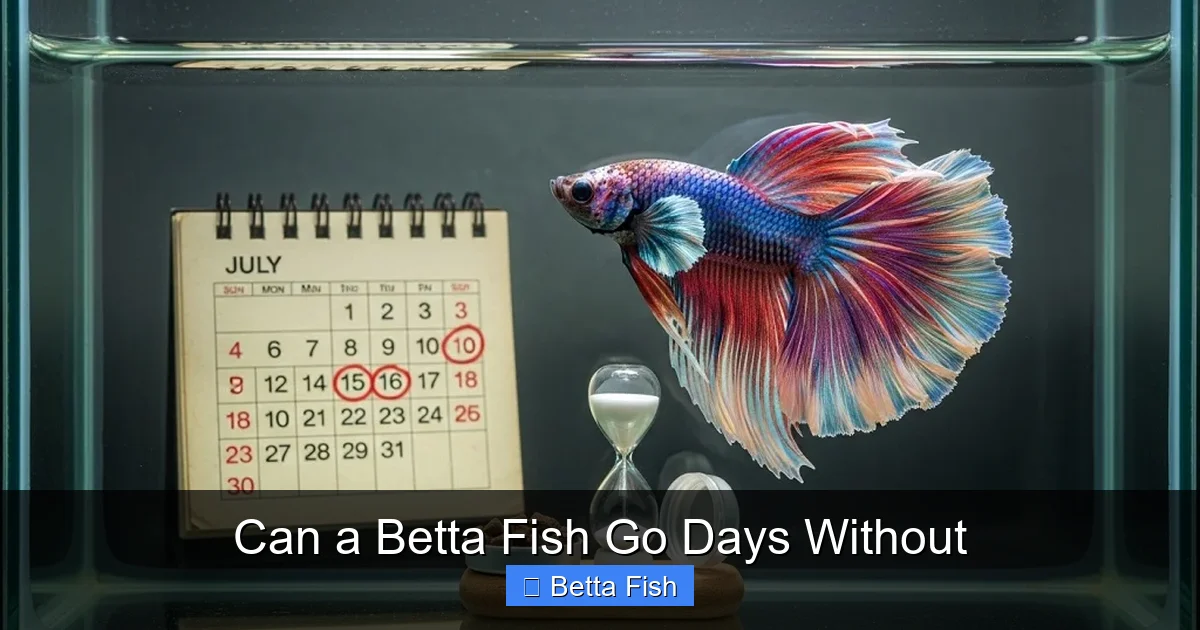
Betta fish are slow eaters by nature. In the wild they hunt insects and larvae at the water’s surface, often catching only a few meals each day. Their bodies are adapted to periods of scarcity, which is why many owners wonder, can a betta fish go days without food.
Visual guide about Can a Betta Fish Go Days Without
Image source: aboutcookie.org
Typical Survival Time
Most healthy adult bettas can comfortably endure 2‑4 days without a meal. Under ideal conditions—stable temperature (78‑80°F), clean water, and no disease—some bettas have been observed to survive up to **7 days**. Anything beyond a week dramatically raises the risk of organ failure and death.
Factors That Shorten the Safe Window
- Temperature: Lower water temps slow metabolism, but also weaken immune response, making longer fasts riskier.
- Age and Size: Juvenile bettas have higher metabolic rates and need more frequent feeding.
- Health Status: Ill or stressed fish burn energy faster and can’t survive as long.
- Water Quality: Poor ammonia or nitrite levels add stress, reducing fasting tolerance.
2. Recognizing the Warning Signs
Behavioral Changes to Watch
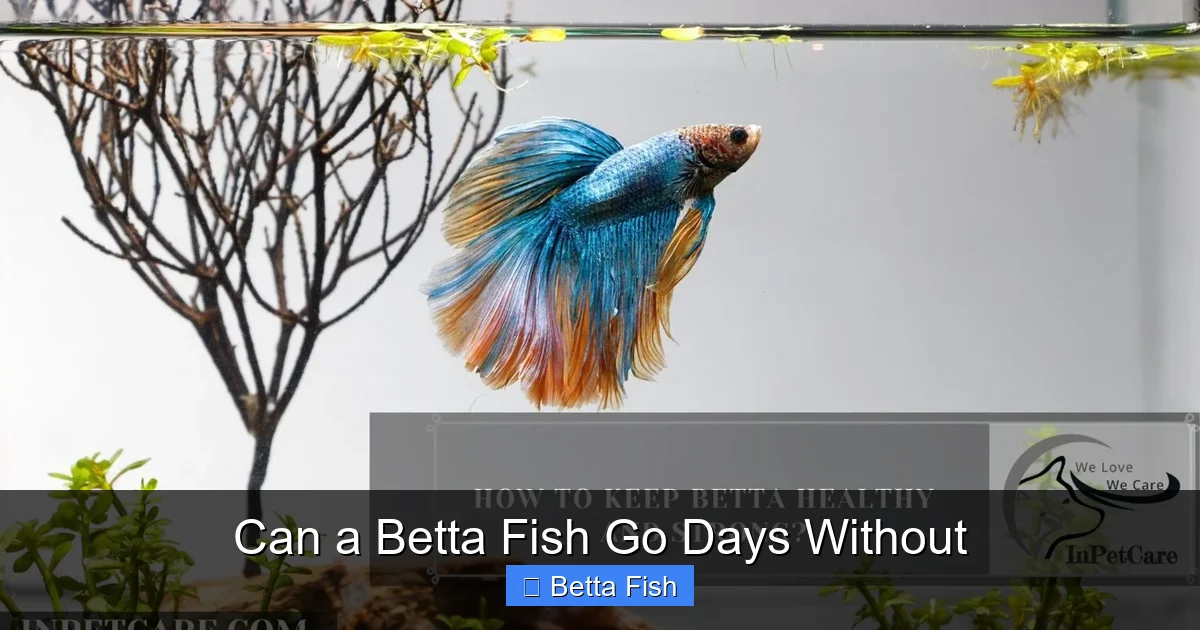
When a betta is going too long without food, its behavior changes. Look for:
Visual guide about Can a Betta Fish Go Days Without
Image source: inpetcare.com
- Lethargy or staying at the bottom of the tank.
- Clamped fins (fins held close to the body).
- Loss of the usual bright coloration.
- Reduced or absent bubble‑nest building.
Physical Indicators
Physical signs include a noticeable weight loss, a sunken belly, and in severe cases, visible ulcers or fin rot. If you see any of these, feed a small amount immediately and assess water conditions.
3. Planning Ahead: Feeding Strategies for Busy Owners
Automatic Feeders
Investing in a reliable automatic feeder can bridge gaps of up to 5 days. Choose a model that releases small portions to avoid over‑feeding.
Visual guide about Can a Betta Fish Go Days Without
Image source: bettafishworld.com
Trusted Caretakers
Ask a friend or neighbor to drop a few pellets each day. Provide clear instructions on portion size—usually 2‑3 pellets per feeding.
Pre‑Feeding Before Vacations
Give a slightly larger meal the night before you leave, then reduce the next day’s portion. This “buffer” helps the betta survive a short fast without shock.
4. Re‑Feeding After a Fast
Start Small
After a fast of 3‑4 days, feed only 1‑2 pellets and observe for 30 minutes. If the betta eats normally and shows no signs of bloating, you can increase to the normal amount.
Watch for Digestive Issues
Over‑feeding after a fast can cause constipation or swim‑bladder problems. If you notice bloating, fast the fish for another day and resume with a tiny portion.
5. Common Myths and Misconceptions
Myth: Betta Fish Can Survive Weeks Without Food
While some anecdotal stories claim weeks, scientific consensus aligns with the 2‑7 day range. Anything longer is dangerous.
Myth: “Skipping a Day Is Fine Forever”
Regularly missing meals weakens the immune system, making your betta more susceptible to disease.
6. Related Topics Worth Exploring
If you’re interested in broader care, check out our article on Can Betta Fish Live In A Bowl Without Filter for water‑quality tips, or read How Long Can A Betta Fish Go Without Food for a deeper dive into fasting limits.
Conclusion: Keep Your Betta Healthy and Happy
Answering the question, can a betta fish go days without food, is simple: short fasts of up to 4 days are usually safe for a healthy adult, but anything beyond a week is risky. By monitoring behavior, maintaining pristine water, and planning for feeding gaps, you can ensure your betta stays vibrant and active. Remember, a well‑fed betta is a happy betta—so keep a regular feeding schedule, and when life gets busy, use the tools and tips above to keep your finned friend thriving.
Frequently Asked Questions
Can a betta fish survive a weekend without food?
Yes, most healthy bettas can safely go 2‑3 days without eating, making a short weekend break generally fine.
What are the first signs that my betta is starving?
Lethargy, clamped fins, and loss of color are early warning signs that the fish isn’t getting enough nutrition.
How often should I feed my betta under normal conditions?
Feed 2‑3 small pellets once or twice a day. Adjust portions if the fish is very active or if water temperature changes.
Is it okay to give my betta frozen or live foods occasionally?
Yes, occasional treats like daphnia or bloodworms provide enrichment and extra nutrients, but keep them as a supplement, not a staple.
Can poor water quality affect how long a betta can go without food?
Absolutely. Bad water adds stress, which shortens the safe fasting period and can lead to illness.
What should I do if my betta hasn’t eaten for more than a week?
Immediately test the water, treat any issues, and offer a very small amount of high‑quality food. If the fish shows no interest, consult a vet or experienced aquarist.

