Can a Betta Fish Go 5 Days Without Food
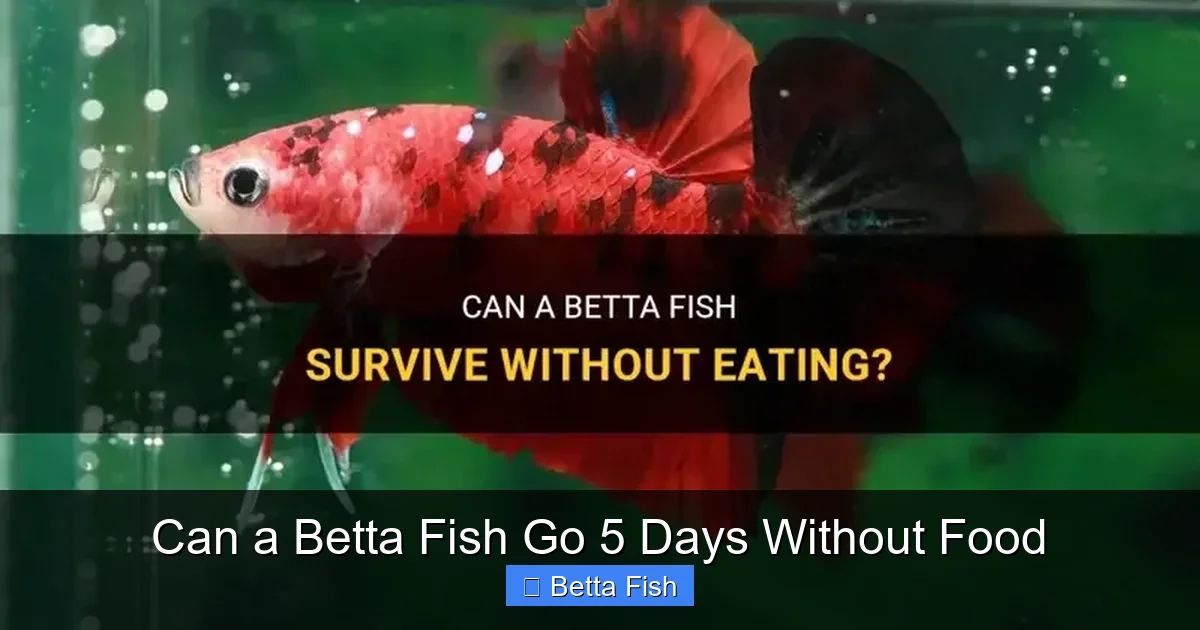
Betta fish can survive up to five days without food, but it’s not ideal for long‑term health. Short fasting periods are usually safe if the tank conditions are perfect and you resume feeding promptly.
Key Takeaways
- Short‑term fasting is possible: Betta fish can handle 3‑5 days without food without serious harm.
- Water quality matters most: Clean, stable water reduces stress during a feeding break.
- Watch for warning signs: Loss of color, lethargy, or clamped fins indicate a problem.
- Gradual re‑feeding is key: Start with tiny portions to avoid digestive upset.
- Plan ahead for vacations: Use automatic feeders or trusted caretakers to keep a regular schedule.
- Age and health affect tolerance: Juvenile or sick bettas need more frequent meals.
- Use reliable sources: Learn more about fasting limits in related articles on our site.
📑 Table of Contents
- Introduction: Why the Question Comes Up
- What Happens Inside a Betta When It Doesn’t Eat
- How Long Can Betta Fish Really Go Without Food?
- Factors That Influence Fasting Tolerance
- Practical Tips for Handling a 5‑Day Feeding Gap
- Warning Signs to Watch While You’re Away
- When to Seek Professional Help
- Conclusion: Balancing Care and Convenience
Introduction: Why the Question Comes Up
Imagine you’re heading out of town for a long weekend. You’ve packed your suitcase, set the timer on the lights, but you haven’t thought about your betta’s dinner. “Can a betta fish go 5 days without food?” is a common worry for both new and veteran hobbyists.
Betta fish are hardy, but they are also small predators with fast metabolisms. Understanding how long they can safely fast helps you avoid panic, plan responsibly, and keep your finned friend thriving.
What Happens Inside a Betta When It Doesn’t Eat
Metabolic slowdown
When food disappears, a betta’s body slows its metabolism to conserve energy. It taps into stored glycogen in the liver and muscle tissue. This is a natural survival tactic, similar to what happens in many small fish.
Visual guide about Can a Betta Fish Go 5 Days Without Food
Image source: guidebyday.com
Energy reserves and size matter
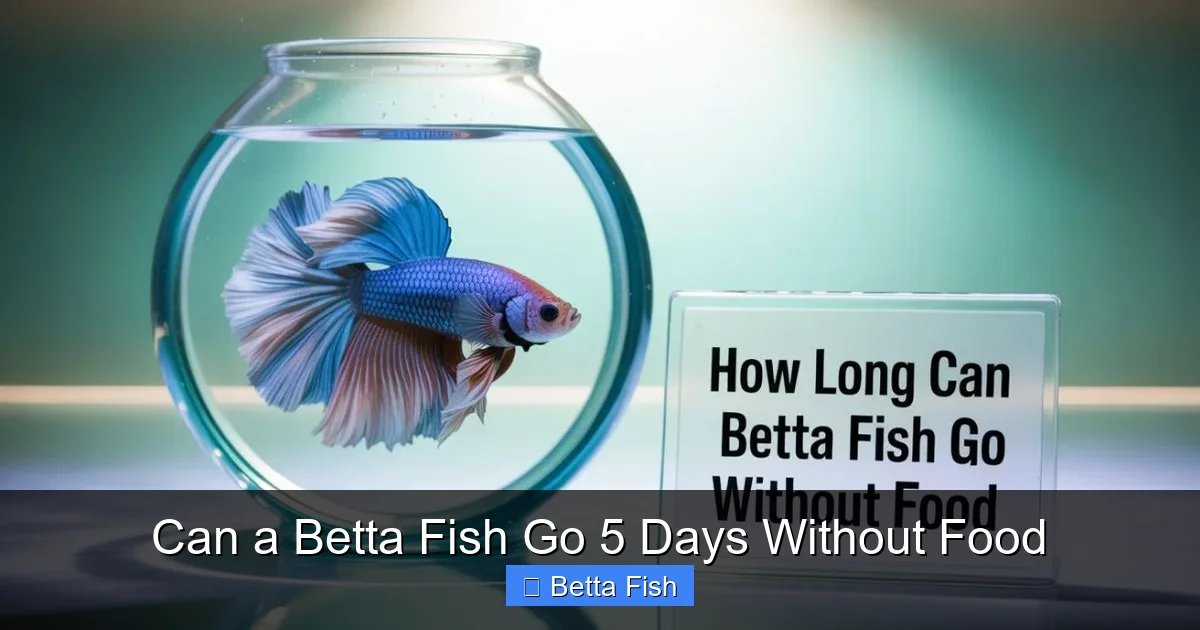
Adult bettas (about 2‑3 inches long) have a bit more stored energy than juveniles. A young fry may start showing stress after just 48‑72 hours without food, while a healthy adult can often manage up to five days.
Potential risks of extended fasting
- Weak immune system: Lack of nutrients can make your betta more vulnerable to disease.
- Digestive issues: The gut lining can become irritated if you suddenly overfeed after a long fast.
- Stress‑induced color loss: Dull or faded fins often signal that the fish is under stress.
How Long Can Betta Fish Really Go Without Food?
Most experts agree that a healthy adult betta can survive 3‑5 days without eating. This range appears in several of our related guides, such as How Many Days Can Betta Fish Go Without Food and How Long Can A Betta Fish Go Without Food. Below is a quick breakdown:
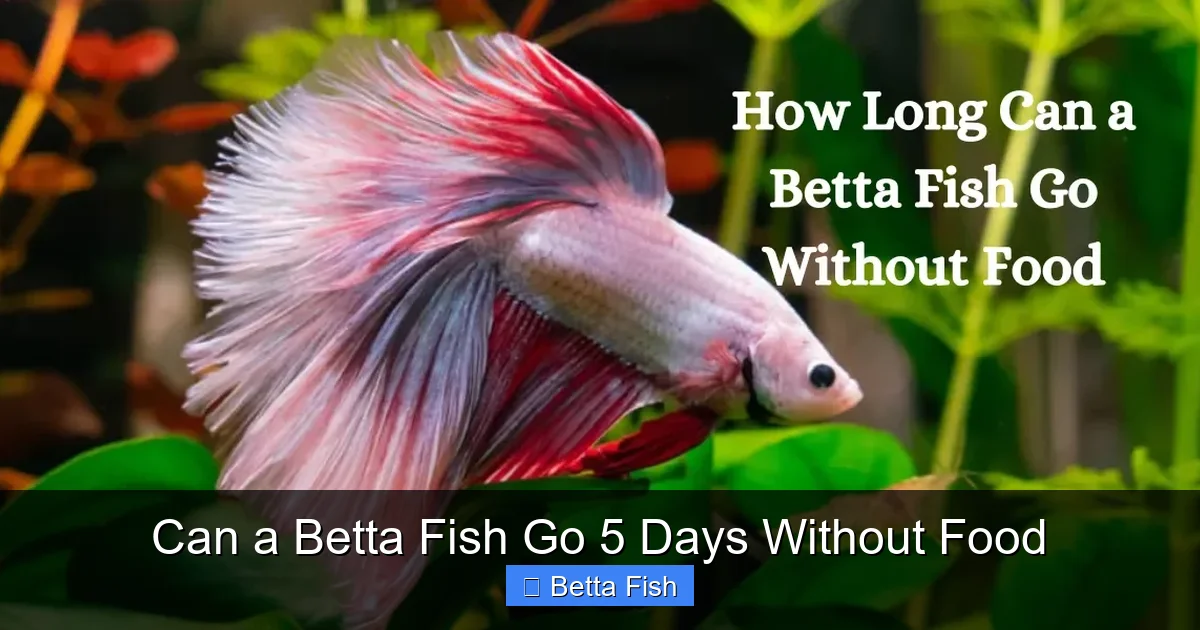
Visual guide about Can a Betta Fish Go 5 Days Without Food
Image source: artofpro.com
- 24‑48 hours: No noticeable impact for most adults.
- 48‑72 hours: Beginning of mild stress; watch for reduced activity.
- 72‑120 hours (3‑5 days): Safe for healthy adults, but you must monitor water quality and behavior closely.
- Beyond 5 days: High risk of mortality; seek immediate intervention.
Factors That Influence Fasting Tolerance
Age and health status
Young bettas and those recovering from illness need daily feedings. Their bodies lack sufficient reserves, so even a 24‑hour skip can be problematic.
Visual guide about Can a Betta Fish Go 5 Days Without Food
Image source: i.ytimg.com
Water conditions
Crystal‑clear, well‑filtered water reduces stress hormones. If the water is already poor, a fasting period will amplify the stress, making the fish more likely to become ill.
Temperature
Betta fish thrive at 76‑82°F (24‑28°C). Cooler water slows metabolism even more, which can extend the safe fasting window slightly, but it also makes the fish sluggish and more prone to disease.
Feeding schedule before the fast
Providing a hearty, nutritious meal the day before you leave can give your betta extra energy stores. High‑protein pellets or frozen bloodworms are good options.
Practical Tips for Handling a 5‑Day Feeding Gap
1. Use an automatic feeder
Small, battery‑operated feeders can dispense the right amount of food once or twice a day. Test the device a few days before you leave to ensure it works properly.
2. Enlist a trusted caretaker
If you have a friend or neighbor who likes fish, give them a quick demo. Provide clear instructions on portion size and feeding times.
3. Prepare a “pre‑fast” meal
On the day before your trip, feed a slightly larger portion of high‑quality betta pellets. This tops up the fish’s energy reserves.
4. Check water parameters beforehand
Run a test for ammonia, nitrite, nitrate, and pH. Aim for a stable environment so the fish isn’t dealing with two stressors at once.
5. Reduce stressors in the tank
Turn off strong lights, lower water flow, and avoid sudden temperature changes. A calm environment helps the betta conserve energy.
6. Gradual re‑feeding after the fast
When you return, start with half the normal portion for the first day. Observe the fish for any signs of digestive upset, then resume the regular schedule.
Warning Signs to Watch While You’re Away
If you have a caretaker checking the tank, give them a checklist. Look for:
- Loss of color or faded fins: May indicate stress or poor water quality.
- Lethargy or hiding: A sign the fish is conserving energy.
- Clamped fins: Fins held close to the body often mean the fish feels ill.
- Rapid breathing: Gasping at the surface can signal low oxygen or disease.
If any of these appear, a quick water change and a small feeding (if possible) can help.
When to Seek Professional Help
Should your betta show severe symptoms—such as bloating, black spots, or sudden death—contact a local aquarium store or a veterinarian who specializes in fish. Early intervention can sometimes save a fish that has been under‑fed for too long.
Conclusion: Balancing Care and Convenience
In short, a healthy adult betta can safely endure a five‑day fast, but it’s not a habit you should make regular. By maintaining pristine water, planning ahead with feeders or caretakers, and watching for warning signs, you can enjoy your trip without worrying about your finned companion.
Remember, the best approach is prevention: keep a consistent feeding schedule, monitor water quality, and have a backup plan for any unexpected absences. Your betta will thank you with bright colors and lively flares of its famous fins.
Frequently Asked Questions
Can a betta survive exactly five days without food?
Yes, a healthy adult betta can usually survive five days without eating, but you must ensure the water is clean and the temperature is stable.
What should I do if my betta looks pale after a fast?
Pale coloration can be a stress sign. Perform a water change, check parameters, and offer a small portion of high‑quality food.
Is it better to feed a betta twice a day or once?
Most bettas do well with one small meal per day. Over‑feeding can cause digestive problems, especially after a fasting period.
Can I use a regular fish feeder for a betta?
Yes, as long as the feeder releases a very small amount—about the size of a pea—once or twice daily.
Do bettas need fasting periods?
Occasional short fasts (24‑48 hours) can help prevent constipation, but regular daily feeding is essential for overall health.
How does water temperature affect a betta’s ability to fast?
Warmer water (around 78°F) speeds metabolism, so the fish uses energy faster. Cooler water slows metabolism, slightly extending the safe fasting window but can also stress the fish if too low.